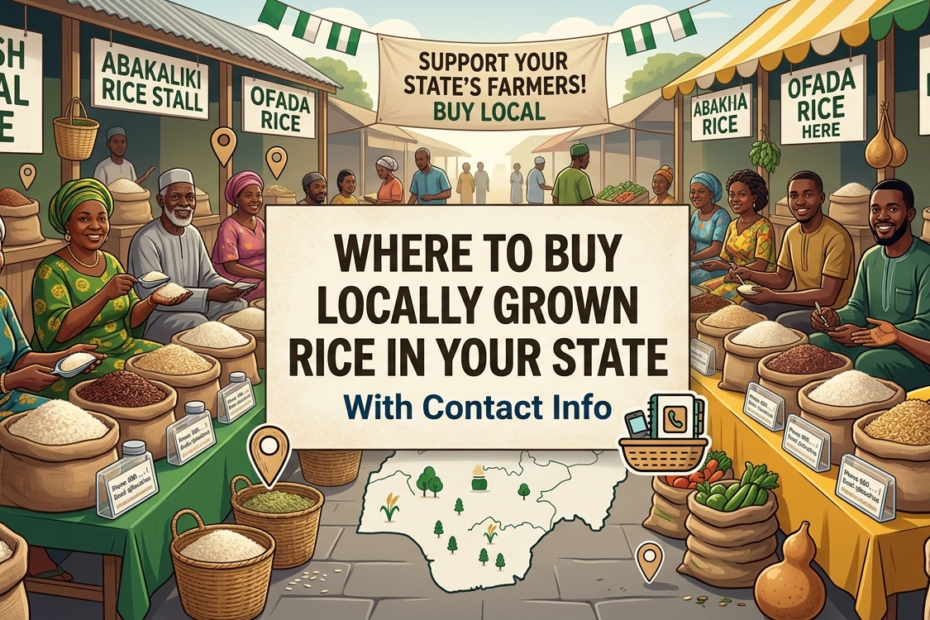
In recent years, locally grown rice has been gaining remarkable traction among Nigerian households and food vendors.
This shift isn’t just a passing trend — it’s rooted in practical, economic, and health-conscious reasons.
As people become more aware of what they consume, there’s a growing preference for rice cultivated within the country, especially due to its freshness, lower chemical exposure, and support for the local economy.
One of the key reasons for this surge in demand is the health benefit associated with consuming locally milled rice.
Unlike heavily processed imported varieties, Nigerian rice often retains more natural nutrients, especially when it hasn’t gone through extensive bleaching or polishing processes.
Moreover, many consumers are drawn to the distinct aroma and taste that come with native rice varieties like Ofada, Abakaliki, or Faro.
Beyond nutrition, there’s an economic ripple effect. Choosing to buy Nigerian-grown rice means you’re supporting local farmers, millers, and small businesses across the agricultural value chain.
It empowers communities, creates jobs, and reduces the country’s dependency on foreign imports.
To fully enjoy the benefits of local rice, however, it’s essential to purchase from reputable sources — either directly from rice farmers, processing cooperatives, or verified distributors.
This ensures that the rice is of high quality, free from contaminants, and has been processed using proper hygienic standards.
In this guide, we’ll explore key insights on rice farming, processing, and distribution in Nigeria — helping you understand where to source quality rice and why it truly matters.
Benefits of Buying Local Rice
Choosing local rice over imported varieties comes with a wide range of benefits — not just for your health, but also for the economy and the agricultural sector as a whole.
Here’s why more Nigerians are embracing homegrown rice:
1. Fresher and Healthier Grains
Locally produced rice often travels shorter distances from farm to table, which means it gets to consumers faster and fresher.
Since it’s not stored for months in warehouses or shipped across continents, the grains typically retain more of their natural flavor and nutrients.
Additionally, many local rice processors avoid excessive chemical treatments, making the rice a healthier option compared to some highly polished imports.
2. Supporting Local Economies and Farmers
When you buy Nigerian rice, you’re directly contributing to the livelihood of thousands of farmers, millers, transporters, and traders.
Your purchase helps keep money circulating within the country, strengthening rural communities and encouraging the growth of agriculture.
It also promotes food security by making rice production more sustainable and profitable for local stakeholders.
3. Reducing Dependency on Imported Rice
Nigeria has historically relied heavily on imported rice to meet consumer demand, but this dependency puts pressure on the national economy, especially with fluctuating foreign exchange rates.
By shifting focus to locally grown rice, the country can reduce its reliance on imports, save valuable foreign currency, and build a more self-reliant food system.
4. Usually More Affordable in Bulk
Buying local rice especially in bulk directly from farmers or cooperatives often costs less than purchasing imported brands.
Without the added costs of shipping, customs, and branding, local rice is typically sold at more competitive prices.
For households, caterers, and food businesses, this can mean significant savings over time.
How to Identify Locally Grown Rice
With the increasing availability of rice in local markets and supermarkets, it’s important for buyers to know how to differentiate genuinely Nigerian-grown rice from imported or repackaged varieties.
Here are practical ways to identify locally produced rice:
1. Check the Packaging
Local rice often comes in transparent or semi-transparent nylon bags that allow you to see the grains clearly.
While some premium Nigerian brands use branded packaging similar to imported rice, many local options still maintain simple and functional packaging.
Look out for rice with minimal polishing, slight color variation, and broken grains these are natural traits of locally milled rice.
2. Read the Labels
Always check the label on the bag. Genuine Nigerian rice brands typically include key information such as:
-
NAFDAC Registration Number: This ensures the product has been registered and approved by the National Agency for Food and Drug Administration and Control.
-
Name and Address of the Farm or Mill: Reputable brands will indicate where the rice was cultivated or processed.
-
Production and Expiry Dates: Freshly processed local rice should have recent production dates.
The presence of these details increases transparency and gives you more confidence in the origin of the rice.
3. Know Popular Nigerian Rice Brands
Familiarizing yourself with trusted Nigerian rice brands can also help you make informed decisions. Some of the most recognized locally produced rice brands include:
-
Ofada Rice: Known for its unique aroma and unpolished grains, usually cultivated in the South-West.
-
Abakaliki Rice: Grown in Ebonyi State, this rice is popular for its taste and affordability.
-
Umza Rice: Produced in Kebbi State, Umza is one of the leading premium Nigerian rice brands.
-
Labana Rice: A popular brand from Kebbi and Bauchi States, known for quality milling and packaging.
-
Mama’s Pride: Widely distributed and promoted by Olam Nigeria, this brand is known for consistency in taste and quality.
By recognizing these names and paying attention to packaging and labels, consumers can easily support local producers while ensuring they get quality rice.
List of States with Local Rice Sellers or Farms
Nigeria’s rice production industry is growing, with many states hosting rice farms, cooperatives, and distribution hubs. Below is a curated list of key local rice sources, organized by state:
1. Ogun State (South-West)
-
Farm/Brand Name: Ofada Rice Farms
-
Location: Ofada Town, Obafemi Owode LGA, Ogun
-
Contact Info: 0803XXXXXXX
-
Type of Rice: Ofada (Unpolished, Local Variety)
-
Where to Buy: Local markets, direct farm sales, WhatsApp orders
2. Lagos State (South-West)
-
Farm/Brand Name: Mama’s Pride Distributors – Lagos Hub
-
Location: Oke-Afa, Isolo, Lagos
-
Contact Info: 0812XXXXXXX
-
Type of Rice: Polished long grain Nigerian rice
-
Where to Buy: Major markets (Mile 12, Oyingbo), online orders, retail stores
3. Ebonyi State (South-East)
-
Farm/Brand Name: Abakaliki Rice Mill Cooperative
-
Location: Abakaliki Rice Mill, Presco Junction, Ebonyi
-
Contact Info: 0706XXXXXXX
-
Type of Rice: Local parboiled rice, slightly polished
-
Where to Buy: Abakaliki market, direct from mill, market distributors
4. Benue State (North-Central)
-
Farm/Brand Name: Jato Rice Farms
-
Location: Gboko, Benue State
-
Contact Info: 0903XXXXXXX
-
Type of Rice: Parboiled long grain local rice
-
Where to Buy: Makurdi, Otukpo, farm gate sales, local vendors
5. Nasarawa State (North-Central)
-
Farm/Brand Name: Nasarawa Rice Growers Association
-
Location: Lafia and Doma LGAs
-
Contact Info: 0809XXXXXXX
-
Type of Rice: Medium grain, polished and unpolished
-
Where to Buy: Lafia main market, local cooperative outlets
6. Kebbi State (North-West)
-
Farm/Brand Name: Labana Rice Mills
-
Location: Birnin Kebbi, Kebbi State
-
Contact Info: 0806XXXXXXX
-
Type of Rice: Premium long grain, machine-polished
-
Where to Buy: Nationwide distributors, direct orders, Lagos depots
7. Kano State (North-West)
-
Farm/Brand Name: Tiamin Rice Ltd
-
Location: Dawakin Kudu LGA, Kano State
-
Contact Info: 0814XXXXXXX
-
Type of Rice: Long grain polished rice
-
Where to Buy: Kano markets, online platforms, direct purchase.
Buying locally grown rice is a great decision, but to ensure you’re getting quality for your money, it’s important to follow a few smart steps. Here are key tips to guide you before making a purchase:
1. Verify the Authenticity of the Rice
Not all rice labeled “local” is truly Nigerian-grown. Some imported rice is repackaged and sold as local to unsuspecting buyers. To avoid falling for this:
-
Buy from trusted sources — cooperatives, farms, or verified online vendors.
-
Look for labels that include farm names, NAFDAC numbers, or local processing addresses.
-
If possible, request a sample before making large orders.
2. Ask the Right Questions
Before buying, especially from a new seller, ask important questions like:
-
Is the rice stone-free or destoned?
-
Is it parboiled or raw?
-
Is it polished or unpolished (like Ofada)?
-
When was it processed or milled?
-
Is the rice machine-processed or hand-milled?
These questions will help you determine the quality and suitability of the rice for your cooking needs.
3. Consider Buying in Bulk vs. Small Quantity
-
Bulk Purchases: More economical if you’re feeding a family, running a food business, or planning long-term storage. Ensure you’re confident in the seller and product quality before committing.
-
Small Quantities: Ideal for first-time buyers or testing a new supplier. Start with 2kg–5kg packs to evaluate taste, aroma, and cooking results before scaling up.
4. Check for Moisture Content
Moisture is one of the main causes of spoilage in rice. High moisture content can lead to mold growth, a musty smell, or even maggot infestation over time. Here’s how to avoid it:
-
Run your hand through the rice — it should feel dry and flow freely.
-
Store in a cool, dry place in airtight containers or sacks.
-
Ask the seller if the rice has been sun-dried or stored in ventilated conditions.
Making a little effort before buying goes a long way in ensuring you enjoy clean, healthy, and affordable local rice.
Always prioritize quality over price and deal only with transparent, accountable sellers.
How to Support Local Rice Farmers
Behind every grain of Nigerian rice is the hard work of farmers who cultivate, harvest, and process it.
Supporting these farmers goes beyond just buying their rice it also means creating opportunities for their businesses to grow and thrive.
Here are practical ways you can support local rice farmers:
1. Join Cooperative Societies
Many rice-producing communities have formed cooperative groups that pool resources, share knowledge, and market their rice collectively.
-
As a consumer or reseller, you can join or partner with these cooperatives.
-
Membership often gives access to discounted bulk prices and firsthand updates on harvest periods.
-
You also get to support farmers directly without middlemen inflating the cost.
Examples: Rice Farmers Association of Nigeria (RIFAN), State-based rice cooperatives.
2. Promote Their Products on Social Media
You don’t have to be an influencer to make an impact. Every share, repost, or review counts.
-
Post photos of your purchased rice or meals cooked with local rice.
-
Tag or mention the farmers or rice brands.
-
Use hashtags like #BuyNaijaRice, #SupportLocalFarmers, or #EatLocalRice to reach more people.
Word spreads faster online, and visibility can lead to more sales for the farmers.
3. Attend Rice Fairs and Agricultural Exhibitions
Farm expos and rice fairs are a great way to meet local farmers, sample different rice varieties, and learn about innovations in rice processing.
-
These events often feature cooperative booths and discounted sales.
-
Your presence and patronage help small-scale farmers get exposure and build networks.
Tip: Follow platforms like NAFDAC, FMARD, and AgroNigeria for event updates.
4. Share Word-of-Mouth Referrals
Sometimes, the best marketing is a simple recommendation.
-
Tell your friends, family, or food vendors about quality rice you’ve bought locally.
-
Recommend trusted sellers or farms you’ve dealt with.
-
If you own a restaurant or catering business, highlight that you use Nigerian rice in your dishes.
This kind of referral builds credibility for the farmers and can turn one customer into ten.
Supporting local rice farmers is a win-win: you get fresh, nutritious rice, and they earn fair returns for their labor. With consistent support, Nigeria can become fully self-reliant in rice production.
FAQs Section
Is local rice better than imported rice?
Whether local rice is better than imported rice depends on several factors including quality, taste, price, and nutritional value.
Local rice often has the advantage of being fresher since it’s harvested and sold within the country. It usually supports local farmers and the economy, making it a more sustainable choice.
In many cases, local rice varieties are more suited to the local palate and cooking styles, offering flavors and textures that imported rice may not match.
On the other hand, imported rice varieties sometimes undergo more rigorous processing and quality checks.
They can be more polished and uniform, which appeals to some consumers. Imported rice might also include types that are not grown locally, providing more options.
However, local rice can sometimes be less processed and have more bran or husk residues, which can affect cooking time and appearance.
Yet, this can also mean it retains more nutrients compared to highly polished imported rice.
In summary, local rice is often better for freshness, supporting local economies, and sometimes nutrition, while imported rice might win on variety and uniformity.
Choosing between them depends on personal preference, availability, and intended use.
Can I buy local rice in Lagos even if it’s from Ebonyi?
Yes, you can definitely buy local rice in Lagos even if it’s originally from Ebonyi.
Lagos is a major commercial hub in Nigeria, and markets there offer a wide variety of local products sourced from different parts of the country, including Ebonyi State, which is known for its quality rice production.
Traders and wholesalers in Lagos often bring in rice from states like Ebonyi, Niger, Benue, and others to meet the demand of consumers.
If you’re looking for authentic Ebonyi rice specifically, you can check popular markets like Mile 12 Market, Oyingbo Market, or even supermarkets and online platforms that specialize in local agricultural products.
Just make sure to verify the source or ask sellers to confirm the origin if you want genuine Ebonyi rice.
So yes, sourcing local rice from Ebonyi while shopping in Lagos is quite common and easily achievable.
Is local rice more expensive?
Local rice can sometimes be more expensive than imported rice, but this isn’t always the case. The price depends largely on the quality and processing level.
Highly processed local rice varieties, which are polished and packaged well, often cost more because of the added effort and cost in processing.
Imported rice, especially from countries with large-scale production, can be cheaper due to economies of scale and more advanced processing technology.
However, tariffs, import duties, and shipping costs can also increase the price of imported rice.
In some cases, locally grown rice might be cheaper because it doesn’t incur import taxes, but poor processing or packaging can make it less appealing and harder to sell at higher prices.
Conversely, premium local rice brands that focus on quality, packaging, and branding can be priced higher.
In summary, local rice can be either cheaper or more expensive than imported rice depending on factors like quality, processing, and market demand. It’s best to compare prices based on the type and brand you want.
We want to hear from you!
Do you have a favorite local rice vendor who always delivers quality and great prices? Share their details in the comments below to help others discover the best local rice near them!
Are you a local rice seller?
Get in touch with us to be featured in our vendor listings! This is a fantastic opportunity to reach more customers and grow your business. Contact us today to get started!
Where to Buy Locally Grown Rice in Your State (With Contact Info)
Address: 2, Ariyo akinola street, bucknor, ejigbo, Isheri Osun, Lagos 300001
Lagos and nearby areas
Lagos and nearby areas
Hours: Open ⋅ Closes 6 pm
Hours: Open ⋅ Closes 8 pm
Ebute-Metta and nearby areas
Hours: Open 24 hours
Ajah/Sangotedo and nearby areas
Other FAQs
Which state has the best local rice in Nigeria?
Niger State is widely regarded as one of the states with the best local rice in Nigeria. The state boasts fertile land and favorable weather conditions, making it ideal for large-scale rice farming.
One of its most popular products is the “Niger rice”, known for its quality, taste, and relatively low stone content compared to rice from some other regions.
Other notable contenders include Kebbi State, which produces the renowned Lake Rice in partnership with Lagos State, and Benue State, often referred to as the “Food Basket of the Nation,” which also grows high-quality rice varieties.
However, Niger State consistently stands out due to the volume of production, the support given to local farmers, and the increasing demand for its rice in local and urban markets.
How much is 25 kg of rice in Nigeria?
As of June 2025, the price of a 25kg bag of rice in Nigeria varies significantly depending on the brand, quality, and location. Here’s an overview of current prices across different brands:
Current Prices of 25kg Rice in Nigeria
| Brand | Price Range (₦) | Source |
|---|---|---|
| Mama Gold | ₦40,500 – ₦45,000 | Nigerian Queries |
| Royal Stallion | ₦40,500 – ₦45,000 | Nigerian Queries |
| Caprice | ₦45,500 – ₦50,500 | Nigerian Queries |
| Big Bull | ₦56,000 | 24 Hours Market |
| CAP Long Grain | ₦64,000 | 24 Hours Market |
| Per Excellence | ₦94,000 | 24 Hours Market |
| Mama’s Pride | ₦12,500 – ₦40,000 | Nawewee, Grouby |
| Good Nigeria Rice | ₦14,500 | Farmvest |
| Caprice (Markets.ng) | ₦22,000 | Markets.ng |
| Royal Stallion (Infinity) | ₦15,000 | Infinity Food Mart |
How much is 100 kg of rice in Nigeria?
As of June 2025, the price of a 100kg bag of rice in Nigeria varies based on factors such as location, brand, and market conditions. Here’s an overview of current prices:
Current Prices of 100kg Rice in Nigeria
| Location | Price Range (₦) | Notes |
|---|---|---|
| Sokoto State | ₦156,000 – ₦180,000 | Prices vary by market and rice type. |
| General Estimate | ₦160,000 – ₦180,000 | Based on average prices across various regions. |
Price Breakdown by Bag Size
| Bag Size | Estimated Price Range (₦) | Notes |
|---|---|---|
| 25kg | ₦35,000 – ₦45,000 | Prices depend on brand and location. |
| 50kg | ₦85,000 – ₦95,000 | Varies by brand and market. |
| 100kg | ₦160,000 – ₦180,000 | Typically double the 50kg price. |
What is the best rice to buy in Nigeria?