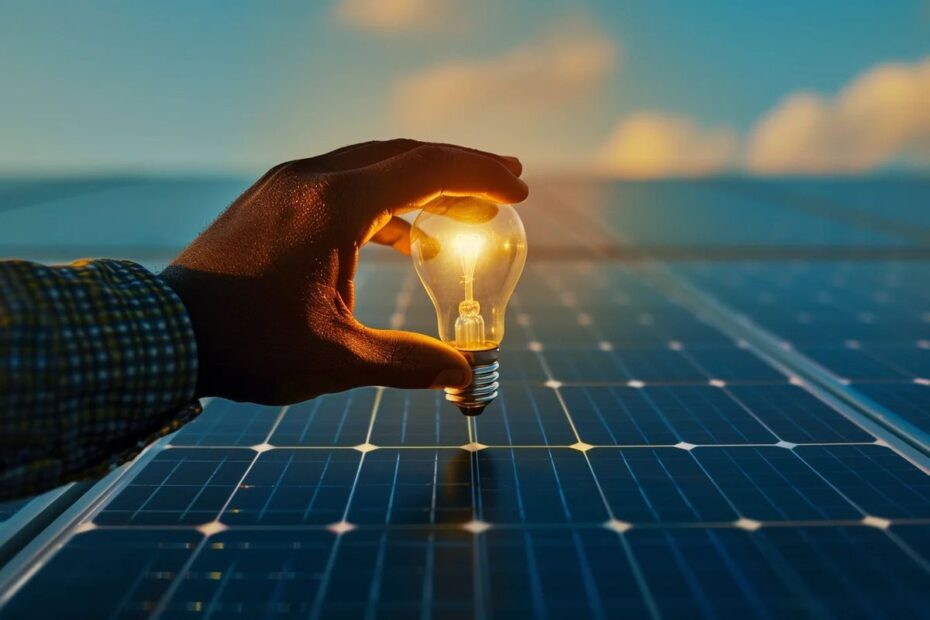
Energy is at the center of modern life, but rising electricity costs and unstable power supply push people to look for alternatives. Presenly, renewable energy—especially solar power—is not just a green choice, but also a profitable business opportunity.
Whether you’re an entrepreneur, investor, or simply looking for a side hustle, solar energy offers several ways to build wealth while contributing to sustainability.
Why Solar Energy is a Smart Business
-
High demand for electricity alternatives – Millions of homes and businesses want reliable power.
-
Eco-friendly trend – People prefer clean, renewable energy over fossil fuels.
-
Government support – Many regions offer incentives, grants, and tax breaks.
-
Long-term profitability – Solar investments pay off over time with steady returns.
Profitable Solar Business Opportunities
1. Solar Panel Sales & Distribution
Selling solar panels and accessories like batteries, inverters, and charge controllers is highly profitable. With growing demand, you can serve both households and businesses.
Tip: Partner with reputable manufacturers to ensure quality and warranty coverage.
2. Solar Installation Services
Not everyone knows how to install panels properly. Offering professional installation services ensures recurring income, especially for large-scale projects.
Tip: Get trained and certified to build trust with clients.
3. Solar Maintenance & Repairs
Solar systems need occasional cleaning, inspection, and part replacements. Maintenance contracts can generate steady income while keeping customers loyal.
4. Solar-Powered Appliances
Products like solar lanterns, fans, freezers, and water pumps are in high demand, especially in rural and off-grid areas. Selling or manufacturing these appliances is a niche opportunity.
5. Solar Energy Consulting
If you understand solar technology, you can help businesses and homeowners design customized solutions. Consulting services are particularly profitable for large organizations.
6. Mini-Grid Solar Projects
In rural communities without access to electricity, entrepreneurs can set up small solar grids and sell power to households and shops. This requires higher investment but offers long-term revenue.
7. Solar Leasing Models
Some customers can’t afford the upfront cost of solar systems. A leasing or “pay-as-you-go” model makes solar energy more accessible while ensuring consistent returns.
How to Start a Solar Business
-
Research your market – Identify areas with high energy needs.
-
Get training – Basic technical knowledge is important, even if you won’t handle installations.
-
Find suppliers – Partner with trusted brands for durable products.
-
Promote your business – Use digital marketing, referrals, and partnerships to attract clients.
-
Offer after-sales service – This builds long-term trust and repeat customers.
Challenges to Expect in Solar Business
-
High initial setup costs (for large projects).
-
Competition from established brands.
-
Need for technical expertise.
-
Customer reluctance due to misinformation about solar.
Solution: Differentiate with quality service, fair pricing, and education campaigns.
Final Thoughts
The solar energy business is more than just profitable—it’s a way to impact lives positively while making money. From sales and installation to leasing and consulting, there are endless opportunities waiting for smart entrepreneurs.
If you’ve been thinking about starting a business that combines profit with purpose, renewable energy (solar solutions) is the future. The sun is free, and the opportunities are limitless.
Frequently Asked Questions
Which is the most profitable business in renewable energy?
The most profitable business in renewable energy depends on market demand, technology adoption, and government incentives. Currently, solar energy stands out as the most lucrative sector, particularly in countries with high electricity costs and abundant sunlight, such as Nigeria.
Selling and installing solar panels, solar water heaters, and solar-powered appliances can generate substantial revenue because both households and businesses are looking to reduce energy costs and become more independent of unstable power grids.
Other profitable renewable energy businesses include wind energy projects, particularly in regions with high wind potential, and biomass energy, which can convert agricultural waste into electricity or fuel. Mini-grid and off-grid solutions for remote areas also offer high margins due to the scarcity of reliable electricity.
Profitability in renewable energy comes from long-term contracts, government incentives, and repeat maintenance services, making it a growing and sustainable business sector.
How to start a renewable energy business?
Starting a renewable energy business requires a combination of technical knowledge, market research, and regulatory compliance. First, identify your niche—this could be solar panel sales and installation, wind turbine projects, biomass energy, or energy consulting. Understanding the local energy needs and consumer demand is critical for targeting the right audience.
Next, develop a business plan outlining startup costs, revenue models, marketing strategies, and projected profits. Secure licenses, permits, and certifications required for energy projects in your country, such as approval from regulatory bodies.
Invest in the necessary equipment and technology, whether solar panels, inverters, batteries, or wind turbines. Partnering with suppliers and manufacturers can reduce costs and ensure high-quality materials.
Finally, focus on marketing and customer education, as many clients need guidance on the benefits of renewable energy solutions. Offering installation, maintenance, and financing options can help attract more customers and create recurring income.
Where will solar be in 5 years?
In the next five years, solar energy is expected to grow exponentially worldwide, driven by falling technology costs, government incentives, and the global push for clean energy. Solar panels and related technologies will likely become more efficient, affordable, and integrated into homes, businesses, and communities.
In regions like Africa, including Nigeria, solar adoption is projected to increase rapidly due to unreliable power grids, high electricity tariffs, and rising awareness of renewable energy solutions. Innovations in energy storage, such as advanced battery systems, will make solar more reliable for residential and commercial use.
By 2031, solar energy may account for a significant portion of global electricity generation, with mini-grid and off-grid solar solutions expanding in rural and underserved areas. Companies offering solar installation, maintenance, and financing will likely see strong business growth in this period.
What are the 7 types of renewable energy?
Renewable energy comes from natural resources that are inexhaustible and environmentally friendly. The seven main types are:
-
Solar Energy: Using sunlight to generate electricity or heat water.
-
Wind Energy: Harnessing wind through turbines to produce electricity.
-
Hydropower: Generating electricity from flowing or falling water.
-
Biomass Energy: Producing energy from organic materials like agricultural waste or wood.
-
Geothermal Energy: Utilizing heat from the earth’s interior for electricity and heating.
-
Tidal Energy: Generating power from the movement of ocean tides.
-
Wave Energy: Capturing energy from surface waves in oceans and seas.
These renewable sources reduce carbon emissions, lower energy costs, and provide sustainable alternatives to fossil fuels.
How to make money in renewable energy?
Making money in renewable energy requires identifying high-demand solutions and creating value for customers. One option is selling and installing solar panels, solar water heaters, and mini-grids, particularly for households, businesses, and remote communities. Offering maintenance services can create recurring revenue.
Another approach is investing in renewable energy projects, such as small wind farms, biomass plants, or hydroelectric mini-grids, and earning revenue through electricity sales or government incentives.
Entrepreneurs can also manufacture or distribute renewable energy equipment like inverters, batteries, and solar-powered appliances, capitalizing on growing adoption rates.
Consulting and education services in renewable energy, energy efficiency, and carbon reduction strategies are increasingly in demand, offering another profitable avenue.
Partnerships with government programs, NGOs, and international agencies can further boost profitability through grants, subsidies, and bulk contracts. Success in renewable energy comes from combining technical expertise, strong marketing, and sustainable solutions that address energy challenges in your marke
Which business gives the highest profit?
The businesses that give the highest profit are usually those with high demand, recurring sales, and low operating costs relative to revenue. Globally, sectors like real estate, technology, finance, healthcare, and energy often provide the highest returns.
Within energy specifically, renewable energy businesses, especially solar installations, mini-grid projects, and specialized energy services, have high profit margins due to increasing demand, government incentives, and long-term contracts.
Other highly profitable businesses include digital marketing, e-commerce, food production, and beauty services, where recurring customers, low overhead, and scalability can drive substantial revenue. Entrepreneurship in areas with essential services or high-volume transactions—like logistics, utilities, or financial services—also yields strong profits.
Ultimately, the key to high profitability lies in combining market demand, operational efficiency, and the ability to scale your business, rather than relying solely on a single high-margin product.
Is renewable energy a good business?
Yes, renewable energy is an excellent business because it addresses essential energy needs while being sustainable and environmentally friendly. With rising electricity costs, unreliable power grids in many countries, and global emphasis on reducing carbon emissions, demand for renewable energy solutions is increasing rapidly.
Solar energy, wind power, biomass, and mini-grid solutions provide opportunities for both small entrepreneurs and large-scale investors. Businesses that sell, install, or maintain solar panels, inverters, batteries, and energy-efficient systems can generate steady income. Governments and NGOs often provide grants, subsidies, and incentives, making this sector even more profitable.
Renewable energy also offers long-term growth potential, recurring revenue through maintenance contracts, and opportunities to serve underserved communities, making it both financially and socially rewarding.
What is the minimum investment in solar business?
The minimum investment required to start a solar business depends on the scale and type of operation. For a small-scale solar installation business targeting homes or small offices, initial investment can range from ₦500,000 to ₦2,000,000 in Nigeria. This covers purchasing panels, inverters, batteries, basic tools, and marketing.
For larger operations, such as solar mini-grids, commercial solar installations, or solar farms, the investment may run into tens of millions of Naira due to the need for larger equipment, skilled labor, and regulatory compliance.
Starting small allows entrepreneurs to test the market, build a client base, and reinvest profits to scale operations over time. Partnering with equipment suppliers and offering financing options can also reduce upfront costs.
Who is the biggest investor in renewable energy?
Globally, some of the largest investors in renewable energy include tech giants, governments, and financial institutions. Companies like Tesla, NextEra Energy, and Siemens invest heavily in solar, wind, and battery technologies. Sovereign wealth funds and investment firms, such as BlackRock, have also committed billions to renewable energy projects worldwide.
In Nigeria and Africa, investors include private equity firms, development finance institutions, and multinational energy companies that fund solar mini-grids, off-grid solutions, and utility-scale projects. Governments and international organizations also play a key role by providing grants, low-interest loans, and partnerships for renewable energy projects.
The biggest investors are those who combine capital with technological expertise to scale renewable energy solutions and generate both financial returns and environmental impact.
What will replace electricity?
Electricity is unlikely to be fully “replaced,” but the sources and storage methods of energy are evolving. Renewable energy technologies like solar, wind, hydro, and biomass are increasingly supplementing or replacing fossil-fuel-generated electricity.
Innovations in energy storage, batteries, and hydrogen fuel cells are changing how electricity is generated, stored, and distributed.
In the future, we may see localized microgrids, off-grid solutions, and renewable-powered communities reducing reliance on centralized electricity grids. Technologies like hydrogen-based energy, advanced battery storage, and kinetic energy solutions could complement or substitute conventional electricity in specific applications.
The trend is not replacing electricity itself but changing how it is produced, stored, and delivered, making energy more sustainable, decentralized, and resilient.