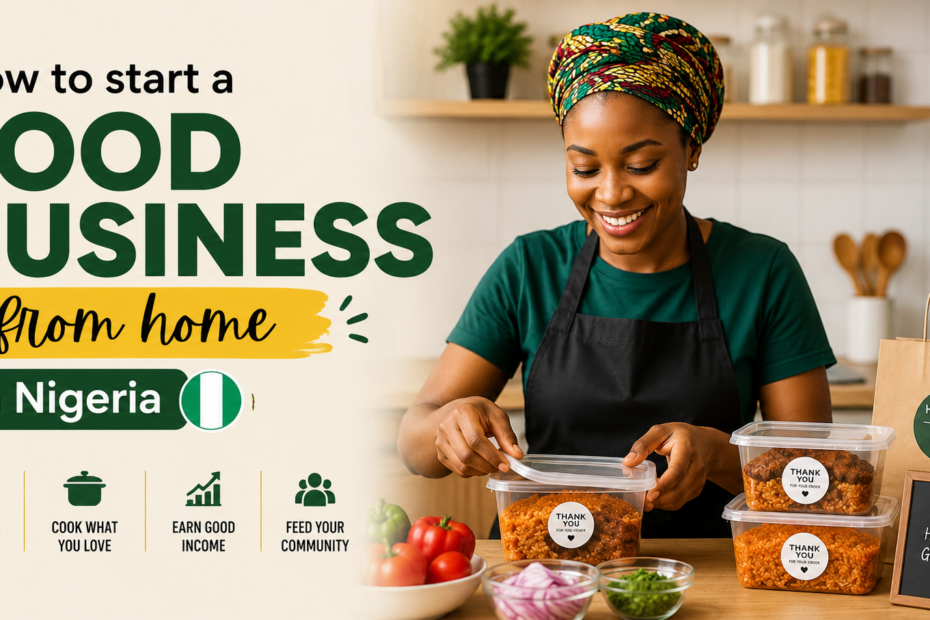
Starting a food business from home in Nigeria has become one of the most practical ways to earn a steady income with relatively low capital. As unemployment and the cost of living continue to rise, many Nigerians are turning their cooking skills into profitable businesses.
At the same time, the growing demand for freshly prepared homemade meals, snacks, and baked goods has created countless opportunities for aspiring entrepreneurs.
The popularity of food delivery services and social media platforms has also made it easier than ever to reach customers without renting a physical shop. Whether you want to earn extra income or build a full-time business, a home-based food venture can be a rewarding option.
In this guide, you’ll learn the steps to start a food business from home in Nigeria, including choosing the right niche, estimating startup costs, marketing your products, attracting customers, and growing your business successfully.
Can You Legally Start a Food Business from Home in Nigeria?
Yes, you can legally start a food business from home in Nigeria, provided you comply with the relevant laws and maintain proper food safety standards.
Many successful food entrepreneurs begin by preparing and selling meals, snacks, pastries, or baked goods from their home kitchens before expanding into larger commercial spaces. However, operating from home does not exempt you from the responsibility of producing food that is safe for consumers.
Food safety and hygiene should be your top priorities. Keep your kitchen clean, use fresh ingredients, wash your hands regularly, store food at the correct temperatures, and ensure that all cooking utensils and equipment are properly sanitized.
Good hygiene not only protects your customers from foodborne illnesses but also helps you build a trustworthy reputation that encourages repeat business.
If you’re selling food on a small scale to friends, neighbours, or within your local community, you may not need to register your business immediately. However, once your business begins to grow, attracts regular customers, or you plan to supply restaurants, supermarkets, offices, or schools, registering your business becomes highly advisable.
A registered business appears more professional, increases customer confidence, and makes it easier to open a business bank account, apply for funding, and work with larger organizations.
Depending on the type and scale of your food business, you may also need to comply with local environmental health regulations and obtain any permits required by your state or local government.
Taking these legal and safety requirements seriously from the beginning will help you avoid future problems and create a strong foundation for long-term success.
Benefits of Starting a Home Food Business
Starting a home food business in Nigeria offers several advantages, especially for aspiring entrepreneurs with limited capital. It allows you to turn your cooking or baking skills into a source of income without the high costs associated with opening a physical restaurant.
As your customer base grows, you can gradually expand your operations and build a profitable brand. Below are some of the key benefits of running a food business from home.
Low Startup Cost
One of the biggest advantages of a home food business is that it requires relatively little capital to get started.
Since you already have a kitchen and basic cooking equipment, your main expenses are ingredients, packaging materials, and marketing.
This makes it an excellent option for beginners who want to start a business without taking on large financial risks.
Flexible Working Hours
A home-based food business gives you the freedom to choose your working hours.
You can prepare meals or snacks when it is most convenient for you, whether in the morning, afternoon, or evening.
This flexibility allows you to manage your personal responsibilities while still earning an income.
No Shop Rent
Renting a commercial space can be expensive, particularly in busy cities. By operating from home, you eliminate the cost of shop rent and many other overhead expenses such as utility bills for a separate business location.
The money you save can be invested in improving your products, purchasing better equipment, or expanding your marketing efforts.
Easy to Combine with Another Job
Many people successfully run home food businesses while working full-time, studying, or participating in the National Youth Service Corps (NYSC).
You can prepare food during your free time, accept orders in advance, and gradually grow your business until it becomes a reliable source of income.
Opportunity to Grow into a Restaurant or Catering Business
Many successful restaurants and catering companies started as small home-based businesses.
As your reputation grows and your customer base expands, you can hire staff, invest in larger equipment, rent a commercial kitchen, or open a physical restaurant.
Starting from home allows you to test your business idea with minimal risk while creating a solid foundation for future growth.
Challenges You Should Expect
Although starting a food business from home in Nigeria has many advantages, it also comes with challenges that every entrepreneur should prepare for.
Understanding these difficulties in advance will help you develop practical solutions and avoid common mistakes that could affect your business. The good news is that most of these challenges can be managed with proper planning and consistency.
Limited Kitchen Space
Many home kitchens are designed for family cooking rather than preparing large quantities of food for customers. As your orders increase, limited space can slow down your work and make it difficult to stay organized.
To overcome this challenge, arrange your kitchen efficiently by keeping frequently used utensils and ingredients within easy reach. Start with a manageable number of daily orders and gradually invest in additional shelves, storage containers, or larger equipment as your business grows.
Electricity Problems
Frequent power outages can disrupt food preparation and affect the storage of perishable ingredients such as meat, dairy products, and frozen foods. This can lead to delays, spoilage, and financial losses.
You can reduce the impact of power interruptions by using a gas cooker for cooking, storing ingredients in high-quality coolers or freezers, and having a backup power source such as a generator or inverter if your budget allows. Planning your cooking schedule around available electricity can also help maintain productivity.
Rising Food Prices
The cost of ingredients in Nigeria can change frequently due to inflation and market conditions. Sudden price increases can reduce your profit if you fail to adjust your pricing accordingly.
To manage this challenge, buy ingredients in bulk when prices are favourable, build relationships with reliable suppliers, and regularly review your food prices to reflect current costs. Avoid underpricing your products simply to compete with others, as this can hurt your business in the long run.
Building Customer Trust
Convincing people to buy food from a home-based business can be difficult, especially when your brand is new. Customers want assurance that your food is clean, delicious, and worth their money.
You can build trust by maintaining excellent hygiene, using quality ingredients, delivering orders on time, and providing outstanding customer service.
Sharing clear photos of your meals, encouraging satisfied customers to leave reviews, and responding professionally to enquiries will also strengthen your reputation.
Managing Deliveries
Timely delivery is an important part of customer satisfaction. Traffic congestion, unreliable dispatch riders, or poor packaging can result in late deliveries or damaged food.
To overcome this challenge, partner with dependable delivery services, package your food securely to prevent spills, and communicate clearly with customers about delivery times. If possible, prepare orders ahead of schedule to reduce delays and ensure every customer receives fresh, well-presented meals.
While these challenges are common, they should not discourage you from starting your home food business. With careful planning, smart financial decisions, and a commitment to quality, you can overcome these obstacles and build a successful business that continues to grow over time.
Best Food Businesses You Can Start from Home in Nigeria
Nigeria’s food industry offers numerous opportunities for entrepreneurs who want to start a business from home.
The key is to choose a food product that matches your cooking skills, budget, and the demand in your area. Some food businesses require very little capital, while others may need specialized equipment.
Below are some of the most profitable home food business ideas in Nigeria and the types of customers they typically attract.
Small Chops
Small chops remain one of the most profitable food businesses in Nigeria because they are in high demand at weddings, birthdays, corporate events, and social gatherings.
Items such as spring rolls, samosas, puff puff, mosa, and peppered meat are popular choices. Your major customers will include event planners, families, offices, churches, and individuals hosting celebrations.
Cakes and Pastries
If you enjoy baking, selling cakes and pastries can be a rewarding business. Products such as birthday cakes, cupcakes, meat pies, doughnuts, and sausage rolls are always in demand.
Customers usually include families, students, offices, schools, and people celebrating birthdays, weddings, anniversaries, and other special occasions.
Home-Cooked Meals
Many busy professionals, students, and families prefer freshly prepared meals over fast food. You can cook popular Nigerian dishes such as jollof rice, fried rice, beans, yam, and other daily meals.
Your primary customers will likely be office workers, students, bachelors, and households that need convenient meal options.
Soups and Stew
Preparing and selling ready-made soups and stews is another profitable idea, especially in urban areas where people have limited time to cook.
Popular options include egusi soup, ogbono soup, vegetable soup, okra soup, and tomato stew.
These products are commonly purchased by working-class individuals, busy families, and people living away from home.
Snacks
Snacks such as meat pies, sausage rolls, fish rolls, doughnuts, buns, and egg rolls enjoy consistent demand throughout the year. They are affordable, easy to package, and suitable for quick meals.
Typical customers include students, office workers, commuters, schools, and event organizers.
Bread
Freshly baked bread is a staple food in many Nigerian homes. If you have access to the necessary baking equipment and sufficient capital, you can bake and supply bread to nearby shops, supermarkets, restaurants, and households. Since bread is consumed daily, it has the potential to generate regular sales.
Smoothies and Fruit Juice
Health-conscious consumers are increasingly choosing natural smoothies and fresh fruit juices over sugary soft drinks. You can prepare drinks using fruits such as oranges, pineapples, watermelons, bananas, and mangoes.
Your target market includes fitness enthusiasts, office workers, schools, restaurants, and people looking for healthy refreshment options.
Chin Chin
Chin chin is one of Nigeria’s most popular snacks and has a long shelf life, making it ideal for home production. It can be packaged in different sizes and sold to supermarkets, kiosks, schools, and individual customers. It is also commonly purchased during festive periods and family events.
Puff Puff
Puff puff is an affordable snack enjoyed by people of all ages. It sells well in busy neighbourhoods, schools, offices, markets, and at parties.
Because it requires relatively low startup capital and simple ingredients, it is an excellent choice for beginners entering the food business.
Pepper Soup
Pepper soup is widely loved for its rich flavour and is commonly served at restaurants, bars, parties, and family gatherings. You can prepare different varieties using catfish, goat meat, chicken, or assorted meat.
Your customers may include evening diners, party guests, office workers, and people looking for comforting meals.
Grilled Chicken
Grilled chicken has become increasingly popular among Nigerians who enjoy tasty takeaway meals. It pairs well with chips, fried rice, or salads and is frequently ordered for parties, family dinners, and corporate events. Customers often include young professionals, families, and event organizers.
Shawarma
Shawarma is a fast-selling street food that appeals especially to young adults and teenagers. Although it requires a grill and some specialized ingredients, it can generate attractive profits in areas with high foot traffic.
Your regular customers may include students, office workers, shoppers, and evening visitors.
Local Delicacies
Traditional Nigerian dishes continue to enjoy strong demand because many people crave authentic local flavours. Foods such as moi moi, akara, amala, eba, pounded yam, afang soup, banga soup, and tuwo can attract loyal customers.
These meals are commonly purchased by families, workers, visitors, and people who want homemade traditional dishes without the stress of cooking.
Choosing the right home food business depends on your cooking skills, available capital, local demand, and personal interests. You don’t have to offer every type of food at once.
Starting with one or two products, maintaining excellent quality, and delivering outstanding customer service will give you a stronger chance of building a successful and profitable food business from home in Nigeria.
Choose the Right Food Business
Choosing the right food business is one of the most important decisions you’ll make as a new entrepreneur. Not every food business is suitable for everyone, and selecting the wrong one can lead to unnecessary expenses and slow business growth.
Before investing your money, take time to evaluate your skills, budget, local market, and available resources. By considering the factors below, you can choose a business that matches your strengths and has a better chance of succeeding.
Consider Your Cooking Skills
Start with a food business that matches your cooking or baking abilities. If you’re excellent at making cakes, pastries, or snacks, focus on those products instead of trying to prepare everything.
Likewise, if you’re known for delicious soups or local dishes, build your business around those specialties. Starting with what you do best allows you to produce high-quality meals, satisfy customers, and build a strong reputation. You can always learn new recipes and expand your menu as your business grows.
Research Local Demand
A profitable food business solves a need in your community. Before deciding what to sell, observe the eating habits of people around you. Find out which foods are in high demand and whether there are underserved customers.
For example, office workers may prefer affordable lunch packs, while schools may have a steady demand for snacks. You can also ask friends, neighbours, or potential customers what food they would like to buy. Selling products that people already want increases your chances of making consistent sales.
Evaluate Your Startup Capital
Different food businesses require different levels of investment. Some, such as puff puff, chin chin, or homemade snacks, can be started with relatively little money, while businesses like baking bread or producing cakes may require more expensive equipment and ingredients.
Be realistic about your budget and avoid borrowing large sums to start. It’s often wiser to begin with a business you can comfortably afford and reinvest your profits as the business expands.
Study the Competition
Having competitors is not necessarily a bad thing because it often shows that there is demand for the product. However, you should study other food businesses in your area to understand what they do well and where they fall short. Look at their prices, food quality, customer service, packaging, and delivery options.
Then think about how you can stand out by offering better taste, cleaner packaging, faster delivery, or exceptional customer service. A unique selling point can help attract customers even in a competitive market.
Assess Your Available Kitchen Equipment
The equipment you already have at home should influence the type of food business you start. For example, if you own an oven, a cake or pastry business may be a good option. If you have a large freezer, selling frozen foods, smoothies, or drinks could be more suitable.
Starting with the equipment you already own helps reduce startup costs and allows you to launch your business more quickly. As your profits increase, you can gradually purchase additional equipment to expand your product range.
Choosing the right food business requires careful planning rather than guesswork. By matching your skills with customer demand, working within your budget, understanding your competition, and making good use of your existing kitchen equipment, you’ll be in a stronger position to build a successful and profitable home food business in Nigeria.
How Much Money Do You Need to Start?
The amount of money you need to start a home food business in Nigeria depends on the type of food you want to sell and the equipment you already own.
Some businesses, such as puff puff, chin chin, or homemade snacks, can be started with as little as ₦30,000 to ₦50,000, while businesses like cake baking or bread production may require ₦200,000 or more.
If you already have a well-equipped kitchen, your startup costs will be significantly lower. Below is a breakdown of the major expenses you should plan for.
Cooking Equipment
Your cooking equipment is one of the biggest startup investments. If you already own essential kitchen appliances, you may only need to buy a few additional items.
Estimated costs include:
- Gas cooker: ₦35,000–₦120,000
- Gas cylinder and burner: ₦25,000–₦60,000
- Cooking pots and frying pans: ₦20,000–₦80,000
- Blender or food processor: ₦25,000–₦90,000
- Baking oven (for bakers): ₦100,000–₦400,000
- Mixing bowls, trays, knives, and utensils: ₦10,000–₦50,000
You don’t need to buy everything at once. Start with the equipment required for your chosen food business and upgrade as your profits increase.
Ingredients
Ingredients are recurring expenses, so it’s important to budget carefully. The exact cost depends on the type and quantity of food you intend to prepare.
A beginner should set aside approximately ₦20,000–₦100,000 for the first batch of ingredients. Purchasing from wholesale markets can reduce costs and improve your profit margin.
Packaging
Attractive and hygienic packaging helps protect your food while creating a professional image. Customers are more likely to trust businesses that present their products neatly.
Typical packaging expenses include:
- Disposable food packs
- Plastic containers
- Paper bags
- Foil packs
- Stickers and labels
A beginner can expect to spend around ₦10,000–₦40,000 on packaging materials.
Delivery
If you plan to deliver orders, you’ll need to include transportation costs in your budget. Some business owners use dispatch riders only when they receive orders, while others deliver locally themselves.
Budget approximately ₦5,000–₦30,000 initially for delivery expenses, depending on your location and expected order volume. Be sure to include delivery charges when pricing your food so your profits are not reduced.
Branding
Although branding is optional when you’re just starting, it can make your business look more professional and memorable. A simple logo, business name, branded stickers, and social media pages can help customers recognize your brand.
You can budget between ₦10,000 and ₦50,000 for basic branding, depending on the quality of your designs and promotional materials.
Marketing
Even the best food won’t sell if people don’t know about it. Marketing helps you attract your first customers and build awareness of your business. Fortunately, many effective marketing methods are inexpensive.
You can promote your food through WhatsApp Status, Facebook, Instagram, TikTok, and referrals from satisfied customers. If you decide to run paid social media adverts, you can start with a budget of ₦5,000–₦30,000 and increase it as your business grows.
Overall, a simple home food business can be launched with approximately ₦50,000 to ₦150,000 if you already own most of the necessary kitchen equipment.
If you need to purchase major appliances such as an oven or freezer, your startup budget may range from ₦200,000 to ₦500,000 or more. Start with what you can comfortably afford, focus on producing high-quality food, and reinvest your profits to expand your business over time.
Equipment You’ll Need
Having the right equipment is essential for running a successful home food business in Nigeria. The tools you need will depend on the type of food you plan to prepare, but you don’t have to buy every piece of equipment immediately.
If you already have a functional kitchen, you can start with the basics and gradually upgrade as your business grows. Investing in quality equipment can improve efficiency, maintain food quality, and help you serve customers more consistently.
Gas Cooker
A reliable gas cooker is one of the most important pieces of equipment for any home food business. It allows you to cook meals quickly and is often more dependable than relying solely on electricity. Choose a gas cooker with enough burners to prepare multiple dishes at the same time, especially if you expect to handle several orders daily.
Pots
You’ll need cooking pots in different sizes to prepare various meals efficiently. Large pots are ideal for bulk cooking, while smaller ones are useful for sauces, soups, and side dishes. Stainless steel or high-quality aluminium pots are durable and can withstand regular use.
Frying Pan
A good frying pan is essential for preparing foods such as eggs, fried rice, pancakes, grilled items, and snacks like puff puff or buns. Choose a durable pan with a non-stick surface if possible, as it makes cooking easier and simplifies cleaning after use.
Blender
A blender is useful for grinding peppers, tomatoes, onions, spices, and other ingredients needed for Nigerian dishes. It also comes in handy if you plan to sell smoothies, fresh fruit juice, or sauces. Investing in a powerful blender can save time and improve the consistency of your recipes.
Freezer
A freezer helps preserve meat, fish, chicken, vegetables, and other perishable ingredients. Proper food storage reduces waste, maintains freshness, and allows you to buy ingredients in bulk when prices are lower. If your budget permits, a chest freezer provides more storage space than a regular refrigerator freezer.
Mixing Bowls
Mixing bowls are necessary for preparing ingredients before cooking or baking. They are useful for mixing cake batter, marinating meat, preparing dough, washing vegetables, and organizing ingredients. Having bowls in different sizes makes food preparation more efficient.
Baking Oven (If Applicable)
If you plan to start a cake, bread, or pastry business, a baking oven is a must-have. There are different types of ovens, including gas, electric, and industrial models. Beginners can start with a smaller oven that suits their production capacity and upgrade as customer demand increases.
Storage Containers
Proper storage containers help keep ingredients fresh, organized, and protected from moisture, insects, and contamination. Airtight containers are ideal for storing flour, rice, sugar, spices, beans, and other dry ingredients. Labeling each container also makes it easier to locate ingredients during food preparation.
Having the right equipment from the beginning will make your work easier and improve the quality of your products. However, don’t feel pressured to purchase everything at once.
Focus on buying the equipment that is essential for your chosen food business, maintain it properly, and add more tools as your business grows and becomes more profitable.
Create a Simple Business Plan
A business plan is a roadmap that helps you stay focused and make informed decisions as your food business grows. It doesn’t have to be a lengthy or complicated document, especially when you’re just starting from home.
A simple business plan should clearly define what you want to achieve, who your customers are, how you will sell your products, and how much you expect to earn. Taking the time to create a plan before launching your business can help you avoid costly mistakes and increase your chances of long-term success.
Choose a Business Name
Your business name is the first thing customers will notice about your brand. Choose a name that is simple, memorable, and easy to pronounce. It should also reflect the type of food you sell.
Before finalising your choice, check that another business is not already using the same name, especially if you plan to register it in the future. A unique business name helps you build a strong brand identity and makes it easier for customers to remember you.
Identify Your Target Customers
Knowing who you want to serve will influence the type of food you prepare, your pricing, and your marketing efforts. Think about the people who are most likely to buy your products.
Your target customers could include office workers, students, busy families, event planners, schools, churches, or residents in your neighbourhood. Understanding your audience allows you to create products that meet their needs and preferences.
Decide on the Products You’ll Sell
Clearly list the food items you plan to offer. Instead of trying to sell too many products at once, focus on a few items that you can prepare consistently and with high quality.
For example, you may choose to sell home-cooked meals, small chops, cakes, chin chin, smoothies, or pepper soup. As your business grows and customer demand increases, you can gradually expand your menu.
Set Your Pricing
Your prices should cover all your business expenses while leaving enough profit to grow your business. When setting prices, consider the cost of ingredients, packaging, cooking gas, electricity, transportation, and your time.
Research what similar businesses charge in your area, but avoid underpricing your products simply to attract customers. Competitive pricing combined with excellent quality will help you build a sustainable business.
Develop a Marketing Strategy
Even if your food tastes great, customers need to know your business exists. Your business plan should include how you intend to attract and retain customers.
You can promote your food through WhatsApp Status, Facebook, Instagram, TikTok, referrals, and word-of-mouth recommendations. Offering discounts to first-time customers, posting high-quality food photos, and encouraging satisfied customers to share reviews are also effective marketing strategies.
Prepare a Budget
A realistic budget helps you manage your money wisely and prevents unnecessary spending. Include all expected startup and operating expenses, such as cooking equipment, ingredients, packaging materials, branding, transportation, and marketing costs. You should also estimate your monthly expenses so you can monitor your cash flow and adjust your spending when necessary.
Set Profit Goals
Every business should have clear financial goals. Decide how much profit you want to earn each week or month based on your available time and production capacity.
Your goals should be realistic and measurable. For example, you might aim to sell 20 lunch packs each day or earn a specific amount in monthly profit. Regularly reviewing your performance will help you identify areas for improvement and keep your business moving in the right direction.
Creating a simple business plan doesn’t require professional business experience. It simply gives you direction and helps you stay organised as your home food business grows.
With a clear business name, defined target customers, quality products, sensible pricing, an effective marketing strategy, a realistic budget, and achievable profit goals, you’ll have a solid foundation for building a successful food business from home in Nigeria.
Register Your Business (Optional but Recommended)
You can start a home food business in Nigeria without registering it immediately, especially if you’re selling on a small scale to friends, neighbours, or people within your local community.
Many successful food entrepreneurs begin this way to test the market before making additional investments. However, as your business grows and you begin serving more customers, business registration becomes an important step toward building a professional and sustainable brand.
When Does Business Registration Become Necessary?
Although you can operate informally at the beginning, registering your business is advisable once you start receiving regular orders or plan to expand beyond your immediate neighbourhood.
Registration becomes especially important if you want to supply food to offices, supermarkets, schools, hotels, restaurants, or corporate organisations. It is also beneficial if you intend to hire employees, apply for business loans or grants, open a business bank account, or build a recognised brand that can grow into a larger company.
Benefits of Registering Your Business
Registering your food business offers several advantages that can support long-term growth. It gives your business a legal identity and allows you to operate more professionally.
A registered business can open a corporate bank account, making it easier to separate personal and business finances. It also improves your chances of accessing government support programmes, business grants, and financing opportunities from banks or other financial institutions.
In addition, registration protects your business name from being used by another company once it has been officially approved. This is particularly valuable if you plan to invest in branding, marketing, and expanding your customer base.
As your business grows, being registered can also make it easier to partner with larger organisations that prefer working with legitimate businesses.
Why Customers Trust Registered Businesses More
Customers are generally more comfortable buying from businesses that appear professional and credible. A registered food business gives people greater confidence that you are serious about your work and committed to maintaining quality standards. This is especially important for a food business, where customers expect cleanliness, consistency, and accountability.
Many people are more willing to place large orders or pay in advance when dealing with a registered business. Corporate clients, event planners, and organisations often prefer registered businesses because they believe they are more reliable and easier to hold accountable if any issues arise.
Displaying your business name consistently on your packaging, invoices, and social media pages also helps strengthen your brand image and encourages customer loyalty.
While business registration may not be essential on your first day of operation, it is a worthwhile investment as your home food business grows. Registering your business enhances your credibility, opens doors to new opportunities, and positions you for long-term success in Nigeria’s competitive food industry.
Price Your Food Correctly
Setting the right price for your food is one of the most important parts of running a profitable home food business. If your prices are too low, you may attract customers but struggle to make a profit.
If they are too high without offering additional value, customers may choose your competitors instead. The best approach is to calculate all your business costs carefully before deciding how much to charge. This ensures that every sale contributes to the growth and sustainability of your business.
Calculate Your Ingredient Costs
The first step is to determine how much you spend on the ingredients used to prepare each meal or snack. Include every ingredient, no matter how small, such as rice, meat, vegetables, spices, cooking oil, seasoning cubes, flour, sugar, and other items.
If you buy ingredients in bulk, divide the total cost by the number of portions you can prepare to find the cost per serving. Keeping accurate records of ingredient costs helps you adjust your prices whenever market prices change.
Include Packaging Costs
Packaging is part of your production cost and should never be ignored. Whether you use disposable food packs, plastic containers, paper bags, foil wraps, spoons, napkins, or branded stickers, every packaging item adds to the overall cost of your product. Including these expenses in your pricing ensures you don’t lose money with every order.
Factor in Transportation Costs
Transportation is another expense many new food entrepreneurs overlook. If you purchase ingredients from the market, pay for deliveries, or transport food to customers, these costs should be included in your pricing.
Even if customers pay separately for delivery, you should still account for your own transportation expenses when calculating the total cost of doing business.
Don’t Forget Gas and Utility Costs
Cooking gas is a significant operating expense, especially if you prepare food every day. Electricity and water may also contribute to your production costs.
While it may be difficult to calculate the exact amount used for each meal, you should estimate a reasonable portion of these utility expenses and include them in your pricing. This helps ensure your business remains profitable over time.
Value Your Labour
Many home food business owners make the mistake of ignoring the value of their own time. Preparing food involves shopping for ingredients, cooking, packaging, cleaning, and communicating with customers.
Your labour has value and should be reflected in your prices. As your business grows, considering labour costs will also make it easier to hire staff without drastically changing your pricing structure.
Add a Profit Margin
After calculating all your costs, add a reasonable profit margin to determine your selling price. Your profit margin is the amount left after covering every business expense.
It allows you to reinvest in your business, replace equipment, handle unexpected expenses, and earn an income from your hard work. The exact profit margin will depend on your products, operating costs, and market conditions, but every item you sell should generate a profit.
Avoid Copying Competitors’ Prices
One of the biggest mistakes new food business owners make is charging the same prices as their competitors without understanding their own costs.
Another business may buy ingredients in larger quantities, own more efficient equipment, or have lower operating expenses, allowing them to sell at a lower price. If you simply copy their prices, you could end up making little or no profit.
Instead, calculate your own costs carefully and set prices that reflect the quality of your food, your expenses, and the value you provide. Customers are often willing to pay a little more for delicious food, excellent customer service, attractive packaging, and reliable delivery.
By pricing your food based on accurate calculations rather than guesswork, you’ll build a sustainable business that remains profitable even as ingredient prices change.
Create Attractive Packaging
The quality of your packaging can influence a customer’s buying decision just as much as the taste of your food. Attractive packaging protects your meals during transportation, keeps them fresh, and creates a positive first impression.
It also helps customers perceive your business as professional and trustworthy. Whether you’re selling home-cooked meals, snacks, cakes, or drinks, investing in neat and functional packaging can increase customer satisfaction and encourage repeat orders.
Use Quality Disposable Packs
Disposable food packs are a practical choice for many home food businesses because they are affordable, lightweight, and convenient. Choose food-grade packs that are strong enough to prevent leaks or spills during delivery.
The size of the pack should also match the portion of food you are selling. Using poor-quality disposable packs may result in damaged meals, unhappy customers, and negative reviews.
Add Branded Stickers
Branded stickers are a simple but effective way to make your business stand out. A sticker with your business name, logo, phone number, or social media handle makes your packaging look more professional and helps customers remember your brand.
If someone enjoys your food, they can easily contact you for future orders or recommend your business to others. Branded stickers are inexpensive and can significantly improve your brand identity.
Choose Suitable Food Containers
Different foods require different types of containers. Hot meals should be packed in heat-resistant containers that retain warmth without leaking, while soups need tightly sealed containers to prevent spills.
Cakes and pastries should be placed in sturdy boxes that protect their shape during transport. Selecting the right food container helps preserve the quality of your products and ensures customers receive their orders in excellent condition.
Prioritise Hygiene
No matter how attractive your packaging is, it must always be clean and hygienic. Wash your hands before handling food or packaging materials, and store containers in a clean, dry place to avoid contamination.
Ensure that all food is properly sealed before delivery to protect it from dust, insects, and other contaminants. Customers are more likely to trust and recommend a food business that consistently maintains high hygiene standards.
Focus on Presentation
Presentation plays a major role in customer satisfaction. Neatly arranged food looks more appetising and reflects the care you put into your business. Avoid overfilling containers or allowing sauces to spill onto the packaging.
If appropriate, include neatly folded napkins, disposable cutlery, or a thank-you note to create a memorable customer experience. Small details like these can make your business stand out from competitors and encourage repeat purchases.
Attractive packaging is more than just wrapping food—it is part of your brand and customer experience. By using quality disposable packs, adding branded stickers, selecting suitable food containers, maintaining excellent hygiene, and paying attention to presentation, you can create a professional image that builds customer trust and helps your home food business grow in Nigeria.
Take Quality Food Pictures
High-quality food photos are one of the most effective ways to attract customers, especially if you promote your business online. Before someone tastes your food, they will usually see a picture of it on your WhatsApp Status, Facebook, Instagram, or TikTok page.
Clear, attractive images make your meals look more appealing, increase customer confidence, and encourage people to place orders. The good news is that you don’t need an expensive camera to take professional-looking food photos. A good smartphone and a few simple techniques are enough to produce impressive results.
Use Natural Light
Natural light is one of the easiest ways to improve your food photography. Take your pictures near a window or outside during the daytime where there is plenty of soft, natural light.
This helps bring out the true colours and textures of your food without making it look too dark or overly bright. Avoid using harsh camera flash whenever possible, as it can create unwanted shadows and make the food appear less appetising.
Choose a Clean Background
A neat and simple background keeps the focus on your food. Use a clean table, plain countertop, wooden surface, or a white background to make your meals stand out.
Remove unnecessary items such as dirty plates, cooking utensils, or clutter that may distract viewers. You can also add simple props like a folded napkin, fresh vegetables, or cutlery to make the image more attractive without overwhelming the main subject.
Use a High-Resolution Smartphone Camera
Most modern smartphones have cameras that produce excellent-quality photos. Before taking pictures, clean your camera lens to remove fingerprints or dust that can reduce image quality.
Set your camera to its highest resolution and ensure the image is sharp before saving it. Avoid excessive editing or heavy filters, as customers appreciate photos that accurately represent the food they will receive.
Capture Multiple Angles
Taking photos from different angles allows you to showcase your food in the best possible way. Try photographing directly from above for meals served on plates, at a 45-degree angle for most dishes, or from the side to highlight layers in cakes, burgers, or sandwiches.
Take several shots and choose the one that looks most appealing. Including close-up images can also highlight the texture and freshness of your food, making it even more tempting to potential customers.
Great food photography is a powerful marketing tool that can help your home food business stand out in a competitive market. By using natural light, keeping your background clean, taking high-resolution photos with your smartphone, and experimenting with different angles, you can create eye-catching images that attract customers and increase your sales.
Promote Your Food Business Online
Promoting your food business online is one of the fastest and most affordable ways to attract customers in Nigeria. Millions of people use social media every day to discover new products and services, making these platforms excellent marketing tools for home-based food businesses.
You don’t need a large advertising budget to get started. By consistently sharing engaging content and interacting with potential customers, you can build brand awareness, increase sales, and grow a loyal customer base.
Share Your Menu on WhatsApp Status
WhatsApp Status is a powerful marketing tool because many of your contacts already know and trust you. Post clear pictures and short videos of your meals, today’s menu, customer reviews, special discounts, and behind-the-scenes clips of your cooking process.
Update your status regularly so people remember your business whenever they need food. Always include your phone number, prices, and ordering instructions to make it easy for customers to place orders.
Build a Presence on Facebook
Facebook allows you to reach a wider audience through personal profiles, business pages, and marketplace features. Share attractive food photos, videos, promotional offers, and customer testimonials.
Respond quickly to comments and messages, as fast communication encourages potential customers to trust your business. Posting consistently and engaging with followers can help your brand grow naturally over time.
Showcase Your Food on Instagram
Instagram is ideal for food businesses because it focuses on visual content. Upload high-quality pictures and short videos of your meals, desserts, snacks, and drinks.
Use Instagram Stories and Reels to show how your food is prepared, introduce new menu items, or announce limited-time offers. Writing clear captions and using relevant hashtags can help more people discover your business.
Create Short Videos for TikTok
TikTok has become one of the best platforms for promoting food businesses because entertaining videos can quickly reach thousands of viewers. Share short clips of food preparation, packaging, customer reactions, cooking tips, or satisfying close-up shots of your finished meals.
Authentic and creative videos often perform better than highly edited advertisements, making TikTok an excellent platform for attracting new customers.
Join Local Community Groups
Many neighbourhoods, estates, schools, churches, and workplaces have Facebook groups or WhatsApp groups where members recommend local businesses. Joining these communities gives you an opportunity to introduce your food business to people who live or work nearby.
Before promoting your products, make sure the group allows business posts, and avoid sending excessive promotional messages that could annoy members. Focus on being helpful and professional while showcasing your products.
Encourage Referrals
Word-of-mouth marketing remains one of the most effective ways to grow a food business. Happy customers are often willing to recommend your meals to friends, family members, and colleagues.
Encourage referrals by providing excellent food quality, delivering orders on time, and offering outstanding customer service. You can also reward loyal customers with small discounts, free drinks, or bonus snacks when they refer new customers to your business.
Create Content That Attracts Customers
The type of content you post plays a major role in attracting and retaining customers. High-quality photos and videos of freshly prepared meals are essential because they make your food look appealing.
You should also share customer reviews, before-and-after cooking clips, behind-the-scenes videos, daily menus, limited-time promotions, and special offers. Educational content, such as cooking tips or food storage advice, can also help position you as an expert in your niche.
Most importantly, ensure your content is consistent, authentic, and visually appealing, as this builds trust and keeps your audience interested.
Online marketing doesn’t require a huge budget to be effective. By actively promoting your food business on WhatsApp Status, Facebook, Instagram, TikTok, local community groups, and through customer referrals, you can steadily increase your visibility and attract more customers.
Combined with delicious food and excellent service, a strong online presence can turn a small home food business into a successful and profitable brand.
Register on Food Delivery Platforms
Food delivery platforms have made it easier for home food businesses in Nigeria to reach more customers without opening a physical restaurant. Instead of relying only on family, friends, or people in your neighbourhood, you can make your meals available to customers across a wider area.
As more Nigerians order food online for convenience, joining a reliable delivery platform can help increase your visibility, generate more orders, and grow your business faster.
Reach More Customers
One of the biggest benefits of registering on food delivery platforms is access to a larger customer base. Many people use these apps every day to search for breakfast, lunch, dinner, snacks, and drinks.
By listing your food business on a delivery platform, your products become visible to customers who may never have discovered your business through social media alone.
Increase Sales Without Opening a Restaurant
Opening a restaurant requires significant investment in rent, furniture, staff, and utilities. Delivery platforms allow you to continue operating from your home kitchen while receiving orders from different parts of your city. This means you can increase your sales without taking on the high costs of running a physical restaurant.
Build Credibility and Customer Confidence
Many customers feel more comfortable ordering from businesses that appear on recognised food delivery platforms.
Being listed on these platforms shows that your business is organised and ready to serve a wider market. Positive customer ratings and reviews can also improve your reputation and encourage new customers to place orders with confidence.
Enjoy Convenient Delivery Services
Managing deliveries on your own can become challenging as your business grows. Many food delivery platforms provide access to professional dispatch riders who collect orders from your location and deliver them to customers. This allows you to focus on preparing quality meals while reducing the stress of coordinating deliveries yourself.
Take Advantage of Marketing Opportunities
Food delivery platforms often promote restaurants and food vendors through featured listings, special campaigns, discounts, and seasonal promotions.
Participating in these promotional activities can increase your visibility and help attract customers who are actively searching for food online. Combined with your own social media marketing, these platforms can become an additional source of consistent orders.
Keep Your Business Ready for Growth
Before joining a food delivery platform, make sure your business can consistently prepare quality meals, package food professionally, and fulfil orders on time.
Customers expect fast service, accurate orders, and fresh food. Maintaining high standards will help you earn positive reviews, increase repeat orders, and improve your ranking on the platform.
Registering on food delivery platforms is an excellent way to expand your reach and grow your home food business. While these platforms may charge service or commission fees, the increased exposure and access to new customers can outweigh the costs when your food quality and customer service remain consistently excellent.
As your business grows, combining food delivery platforms with your own marketing efforts can help you build a stronger brand and generate more sales.
How to Get Your First Customers
Getting your first customers is often one of the biggest challenges when starting a home food business. Even if your food tastes great, people need to know your business exists before they can place an order.
The key is to start with people who already know and trust you, then gradually expand your customer base through excellent service and word-of-mouth recommendations. With consistency and the right marketing approach, your first few customers can become loyal buyers who help promote your business to others.
Start with Family and Friends
Your family members and friends are usually your first potential customers. Let them know about your new food business and encourage them to place orders. Ask for honest feedback on the taste, packaging, pricing, and overall quality of your food.
If they enjoy your meals, they are more likely to recommend your business to people within their own networks, helping you gain new customers without spending much on advertising.
Target Office Workers
Office workers often have limited time to cook or leave the workplace for lunch, making them ideal customers for home-cooked meals and snacks. Visit nearby offices with your menu, distribute business cards or flyers, and introduce your food business professionally.
Offering reliable lunch deliveries and maintaining consistent quality can help you secure repeat orders from individuals and entire offices.
Market Your Business in Churches
Churches provide excellent opportunities to promote a home food business because they regularly organise meetings, conferences, youth programmes, and special events where food is needed.
Build relationships with church members and leaders, and let them know the services you offer. Supplying refreshments or meals for church events can help introduce your business to a large number of potential customers.
Reach Out to Schools
Schools can be another valuable source of customers, particularly if you sell snacks, pastries, fruit juice, or affordable lunch packs. Teachers, administrative staff, students, and parents may all become regular buyers.
Before approaching a school, ensure you understand any rules regarding food vendors and always maintain high hygiene standards.
Promote Within Your Estate or Neighbourhood
People living in your estate or neighbourhood are among the easiest customers to reach because delivery is usually quick and affordable.
Join residents’ WhatsApp groups where permitted, introduce your business politely, and share attractive pictures of your meals. Consistently delivering fresh food on time can help you build a loyal customer base within your local community.
Offer Referral Discounts
Satisfied customers are one of the best marketing tools for any food business. Encourage them to recommend your meals to friends, family members, and colleagues by offering referral rewards.
For example, you could give a small discount, a free drink, or a complimentary snack when they introduce a new paying customer. Referral programmes not only increase sales but also strengthen customer loyalty.
Organise Free Food Tastings
People are more likely to buy your food after they have tasted it. Offering free samples at offices, churches, schools, community events, or neighbourhood gatherings allows potential customers to experience the quality of your meals before placing an order.
While this involves a small investment, it can generate valuable word-of-mouth marketing and attract long-term customers if your food leaves a positive impression.
Deliver Excellent Customer Service
Attracting your first customers is only the beginning—the real goal is to keep them coming back. Always prepare fresh, delicious food, package it neatly, deliver orders on time, and communicate politely with customers.
Respond promptly to enquiries, appreciate customer feedback, and resolve complaints professionally. A satisfied customer is more likely to become a repeat buyer and recommend your business to others.
Finding your first customers requires patience, consistency, and a willingness to promote your business actively.
By starting with family and friends, targeting office workers, churches, schools, and nearby estates, while encouraging referrals and offering free tastings, you can steadily grow your customer base and establish a successful home food business in Nigeria.
Deliver Orders Professionally
Professional delivery is just as important as preparing delicious food. Customers expect their orders to arrive fresh, complete, and on time. A single late delivery, poor communication, or damaged package can leave a negative impression and discourage repeat business.
On the other hand, reliable delivery and excellent customer service can turn first-time buyers into loyal customers who recommend your business to others. Paying attention to every stage of the delivery process will help you build a strong reputation and stand out from competitors.
Deliver Orders on Time
Timely delivery is one of the biggest factors that determine customer satisfaction. Whether you’re delivering lunch to an office or food for a special event, always aim to arrive at the agreed time.
Prepare orders early to avoid last-minute delays caused by cooking, packaging, or traffic. If you use a dispatch rider, schedule pickups in advance and monitor the delivery until it reaches the customer. Consistently delivering on time shows that you value your customers and respect their schedules.
Communicate Clearly with Customers
Good communication builds trust and helps customers feel confident about ordering from you again. Confirm every order by repeating the customer’s request, delivery address, phone number, and preferred delivery time.
Keep customers informed about the progress of their orders, especially if there is an unexpected delay. Respond politely to calls and messages, answer questions promptly, and always maintain a friendly and professional tone. Clear communication reduces misunderstandings and improves the overall customer experience.
Package Food Securely
Your food should arrive in the same excellent condition in which it left your kitchen. Use strong, food-grade containers that prevent leaks, spills, or damage during transportation.
Seal soups and drinks properly, separate hot and cold items when necessary, and ensure disposable cutlery, napkins, or condiments are included if required.
Neat, secure packaging not only protects your food but also reflects the professionalism of your business and leaves a positive impression on customers.
Handle Complaints Professionally
No business is completely free from mistakes, and how you respond to complaints can determine whether you keep or lose a customer. Listen carefully to the customer’s concerns without becoming defensive.
Apologise sincerely if your business is responsible for the problem, and work quickly to resolve the issue. Depending on the situation, you may offer a replacement meal, a refund, or a discount on the customer’s next order.
Treat every complaint as an opportunity to improve your service rather than as a personal criticism. Customers are often willing to give your business another chance when they see that you genuinely care about their satisfaction.
Professional delivery goes beyond transporting food from one location to another. It involves delivering orders on time, communicating effectively, packaging meals securely, and resolving customer concerns with respect and professionalism.
By consistently providing an excellent delivery experience, you’ll earn positive reviews, encourage repeat orders, and build a loyal customer base that supports the long-term growth of your home food business in Nigeria.
Keep Your Kitchen Clean
A clean kitchen is the foundation of every successful food business. No matter how delicious your meals are, customers expect the food they buy to be prepared in a hygienic environment. Poor hygiene can lead to food contamination, customer complaints, health problems, and damage to your business reputation.
By maintaining high cleanliness standards, you protect your customers, comply with good food safety practices, and build trust that encourages repeat business. Cleanliness should be part of your daily routine, not something you do only when expecting visitors.
Practise Good Food Hygiene
Food hygiene involves handling, preparing, and cooking food in ways that reduce the risk of contamination. Always wash fruits, vegetables, meat, and other ingredients thoroughly before use.
Cook food at the appropriate temperature and use clean utensils throughout the cooking process. Regularly wash chopping boards, knives, pots, and other kitchen equipment with clean water and detergent after each use. Keeping your work surfaces clean also helps prevent the spread of harmful bacteria.
Maintain Personal Cleanliness
As a food business owner, your personal hygiene is just as important as the cleanliness of your kitchen. Wash your hands thoroughly with soap and clean water before preparing food, after handling raw meat, after using the toilet, and whenever your hands become dirty.
Wear clean clothing or an apron while cooking, keep your fingernails short and clean, and tie back long hair or wear a hair cover to prevent strands from falling into the food. If you are sick, especially with a contagious illness, avoid preparing food until you have fully recovered.
Store Food Safely
Proper food storage helps preserve freshness and reduces waste. Store raw and cooked foods separately to prevent cross-contamination. Keep perishable items such as meat, fish, dairy products, and cooked meals in a refrigerator or freezer at the appropriate temperature.
Dry ingredients like rice, flour, beans, and spices should be stored in clean, airtight containers away from moisture and pests. Regularly check expiry dates and use older ingredients before newer ones to minimise spoilage.
Avoid Food Contamination
Food contamination can occur when harmful bacteria, dirt, chemicals, or foreign objects come into contact with food. To reduce this risk, use separate chopping boards and knives for raw meat and ready-to-eat foods.
Keep insects and rodents away by covering food properly and disposing of waste promptly. Never place cooked food on surfaces that previously held raw ingredients without cleaning them first. Also, avoid touching food unnecessarily with your bare hands when serving or packaging customer orders.
Keeping your kitchen clean is one of the simplest ways to protect your customers and strengthen your business reputation. By following proper food hygiene practices, maintaining personal cleanliness, storing ingredients safely, and preventing contamination, you can consistently prepare safe, high-quality meals that customers will trust and recommend.
A clean kitchen not only supports customer health but also contributes to the long-term success of your home food business in Nigeria.
Mistakes New Home Food Businesses Make
Starting a home food business is exciting, but many beginners make mistakes that can slow their growth or even cause the business to fail. Most of these mistakes are avoidable with proper planning and good business practices.
By understanding the common challenges that affect new food entrepreneurs, you can make better decisions, improve customer satisfaction, and build a profitable business that lasts. Below are some of the most common mistakes to avoid when running a home food business in Nigeria.
Poor Pricing
One of the biggest mistakes new food business owners make is setting prices without calculating their actual costs. Some charge too little because they want to attract customers, while others copy competitors’ prices without considering their own expenses. Poor pricing can leave you with little or no profit, making it difficult to sustain your business.
Always calculate the total cost of ingredients, packaging, cooking gas, transportation, utilities, and labour before adding a reasonable profit margin. Reviewing your prices regularly is also important because the cost of food items in Nigeria can change frequently.
Bad Customer Service
Excellent food alone is not enough to keep customers coming back. Poor communication, rude behaviour, delayed responses, or failure to deliver orders as promised can quickly damage your reputation. Customers are more likely to recommend businesses that treat them with respect and professionalism.
Always respond politely to enquiries, confirm orders clearly, deliver on time, and thank customers for their patronage. Handling complaints professionally can also turn an unhappy customer into a loyal one.
Using Low-Quality Ingredients
Trying to reduce costs by buying poor-quality ingredients is a mistake that often affects the taste and quality of your food. Customers notice the difference, and once they lose confidence in your products, they may not return.
Instead, buy fresh ingredients from reliable suppliers and maintain consistent quality in every meal you prepare. While quality ingredients may cost slightly more, they help build customer trust and encourage repeat business.
Inconsistent Taste
Customers expect the same delicious taste every time they place an order. If your food tastes great one day but disappointing the next, customers may begin looking for more reliable alternatives.
To maintain consistency, use standard recipes, measure your ingredients accurately, and follow the same cooking process for every order. Consistency is one of the qualities that separates successful food businesses from struggling ones.
Ignoring Online Marketing
Many home food businesses rely only on word-of-mouth referrals and overlook the power of online marketing. As a result, they miss opportunities to reach thousands of potential customers through social media.
Promote your business regularly on WhatsApp Status, Facebook, Instagram, and TikTok. Share attractive food photos, customer reviews, cooking videos, and special offers to keep your audience engaged. A strong online presence can significantly increase your visibility and sales.
Mixing Business and Personal Money
Using the same money for household expenses and business operations is a common mistake among new entrepreneurs. When personal and business finances are mixed, it becomes difficult to know whether your business is making a profit or losing money.
Open a separate bank account for your business if possible, or at least keep detailed records of every sale and expense. Tracking your income and spending helps you make informed decisions, prepare realistic budgets, and plan for future growth.
Avoiding these common mistakes can save you time, money, and unnecessary frustration.
By pricing your food correctly, providing excellent customer service, using quality ingredients, maintaining consistent taste, promoting your business online, and keeping your business finances separate, you’ll create a stronger foundation for long-term success.
Every successful food entrepreneur learns from experience, so focus on continuous improvement and always look for ways to serve your customers better.
How to Grow Your Home Food Business
Starting your food business from home is only the first step. As your customer base grows and your income increases, you should begin planning how to expand your operations.
Scaling your business allows you to serve more customers, increase your profits, and build a long-lasting brand. Growth doesn’t have to happen overnight.
By reinvesting your profits and making smart business decisions, you can gradually transform a small home kitchen business into a successful catering company, commercial kitchen, or restaurant.
Hire Assistants
As your order volume increases, handling every task alone can become overwhelming. Cooking, packaging, responding to customers, shopping for ingredients, and managing deliveries all require time and energy.
Hiring one or two reliable assistants can help you prepare food faster, improve efficiency, and reduce stress.
Start by employing people to handle simple tasks such as food preparation, packaging, cleaning, or deliveries. This allows you to focus on quality control, customer service, and growing the business. Be sure to train your assistants on hygiene standards and your cooking methods to maintain consistent quality.
Expand Your Menu
Once you’ve established a loyal customer base, consider adding new food items to increase your sales. Customers often appreciate having more options, especially if they already enjoy your existing products.
However, avoid introducing too many items at once, as this can affect quality and make your operations more difficult to manage.
Pay attention to customer feedback and market trends when deciding which products to add. For example, if you mainly sell home-cooked meals, you could introduce snacks, desserts, smoothies, or catering packages for special events. Expanding gradually allows you to test customer demand without taking unnecessary financial risks.
Invest in Better Equipment
As your business grows, your existing kitchen equipment may no longer be sufficient to meet customer demand. Investing in larger or more efficient equipment can increase your production capacity, improve food quality, and reduce preparation time.
Depending on your business, you may upgrade to a larger gas cooker, industrial blender, commercial freezer, baking oven, or additional storage equipment. While these investments require capital, they often pay for themselves by helping you serve more customers and improve productivity.
Rent a Commercial Kitchen
If your home kitchen becomes too small or you begin receiving large catering orders, renting a commercial kitchen may be the next logical step. A commercial kitchen provides more space, better equipment, and an environment designed specifically for food production.
Operating from a commercial kitchen can also improve your professional image and make it easier to comply with food safety standards. This option is often more affordable than opening a full restaurant and allows you to increase production while continuing to focus on delivery or takeaway services.
Open a Restaurant
For many home food entrepreneurs, opening a restaurant is a long-term goal. A physical restaurant allows customers to dine in, increases your visibility, and creates additional opportunities for revenue. However, opening a restaurant requires careful planning, sufficient capital, and a proven customer base.
Before making this investment, ensure your home food business generates consistent profits and has built a loyal following. Research suitable locations, estimate operating costs, and develop a detailed business plan to improve your chances of success.
Build a Strong Brand
A strong brand helps customers recognise and remember your business. Your brand includes your business name, logo, packaging, customer service, food quality, and online presence. Consistency in all these areas creates trust and encourages repeat business.
Use the same business name, colours, and logo across your packaging and social media platforms. Continue delivering high-quality food, respond professionally to customers, and encourage satisfied buyers to leave reviews and recommend your business. Over time, a trusted brand can become one of your greatest competitive advantages.
Growing your home food business requires patience, consistency, and a willingness to reinvest in your success. By hiring assistants, expanding your menu, upgrading your equipment, moving into a commercial kitchen when necessary, opening a restaurant at the right time, and building a strong brand, you can turn a small home-based venture into a thriving food business that serves more customers and generates sustainable profits.
Frequently Asked Questions
Can I Start a Food Business with ₦20,000?
Yes, it is possible to start a small food business in Nigeria with ₦20,000, provided you choose a low-cost food item and manage your expenses carefully.
Many successful food entrepreneurs began with very little capital by selling products such as chin chin, puff-puff, akara, buns, popcorn, zobo drink, or homemade snacks.
Instead of trying to offer too many products at once, focus on preparing one food item that is in high demand within your area. Buy ingredients in small quantities, use the cooking equipment you already have at home, and reinvest your profits to gradually expand your business.
Starting small allows you to test the market, understand customer preferences, and reduce the risk of losing money. With consistency, good quality, and excellent customer service, a ₦20,000 investment can become the foundation of a profitable food business.
Do I Need Business Registration?
Business registration is not compulsory when you are just starting a very small home food business, but it becomes increasingly important as your business grows.
Registering your business gives customers greater confidence, makes your brand appear more professional, and allows you to open a business bank account under your business name.
It also makes it easier to work with larger clients, restaurants, supermarkets, corporate organizations, and delivery platforms that often require proof of business registration.
If your goal is to build a long-term and trusted food brand, registering your business is a wise investment. While many entrepreneurs begin informally, planning to register once your business starts generating steady income is a practical approach.
Which Food Sells Fastest in Nigeria?
The fastest-selling foods in Nigeria are usually affordable, convenient, and consumed daily. Foods such as puff-puff, akara, fried yam, meat pie, doughnuts, chin chin, small chops, jollof rice, fried rice, noodles, shawarma, grilled chicken, barbecue, local soups, and freshly prepared drinks like zobo and tiger nut milk enjoy consistent demand.
Office workers, students, traders, and busy families often look for quick meals and snacks that are tasty and reasonably priced. The best product for you depends on your location and target customers. Spending time observing what people buy most in your community can help you choose a product with strong demand and regular sales.
How Do I Find Customers?
Finding customers requires consistency, visibility, and excellent service. Begin by telling family members, friends, neighbours, church members, colleagues, and people within your community about your business.
Use social media platforms such as WhatsApp Status, Facebook, Instagram, and TikTok to share attractive photos and short videos of your food. Encourage satisfied customers to recommend your business to others, as word-of-mouth remains one of the strongest marketing tools in Nigeria.
Offering excellent taste, clean packaging, punctual delivery, and friendly customer service helps build loyalty. Promotional offers, referral discounts, and consistent posting online can also attract new buyers and keep existing customers returning regularly.
Can I Use My Home Kitchen?
Yes, many successful food businesses begin in a home kitchen. Using your home kitchen helps reduce startup costs because you do not have to rent commercial space immediately.
However, maintaining high standards of cleanliness and food safety is essential. Ensure your kitchen is always clean, use fresh ingredients, store food properly, and keep cooking utensils sanitized.
Separate personal cooking from business preparation whenever possible to maintain consistency and hygiene. As your customer base grows and production increases, you may eventually need to move into a larger kitchen or commercial cooking space to meet demand and comply with food safety regulations.
Is the Food Business Profitable?
The food business can be highly profitable because food is a basic necessity that people buy every day regardless of economic conditions. Profitability depends on factors such as food quality, pricing, location, customer service, cost control, and effective marketing.
Businesses that minimize waste, buy ingredients wisely, and maintain consistent quality often enjoy better profit margins. Repeat customers are especially valuable because they provide steady income and frequently introduce new customers through recommendations.
Although challenges such as fluctuating food prices and competition exist, entrepreneurs who adapt, maintain quality, and satisfy customers can build a sustainable and rewarding business.
How Long Does It Take to Make a Profit?
The time required to make a profit depends on your startup costs, sales volume, operating expenses, and pricing strategy. Some small home food businesses begin earning profits within the first few weeks, especially when they sell popular snacks or meals with strong daily demand.
Others may take several months before generating consistent returns, particularly if they are still building a customer base. Rather than spending profits immediately, reinvesting part of your earnings into better ingredients, improved packaging, and marketing can accelerate business growth. Consistency, patience, and financial discipline are key to achieving long-term profitability.
What Is the Easiest Food Business for Beginners?
For beginners, the easiest food businesses are those that require simple recipes, affordable ingredients, and minimal equipment. Products such as chin chin, puff-puff, buns, popcorn, zobo drink, tiger nut milk, fruit juice, akara, and small chops are excellent choices because they are relatively easy to prepare and have strong market demand.
These businesses can often be started from home with limited capital while allowing new entrepreneurs to gain valuable experience in food preparation, pricing, customer service, and marketing.
As your confidence and income grow, you can gradually introduce more products, improve your equipment, and expand into catering or a full-scale restaurant. Beginning with a simple, high-demand food business provides an excellent opportunity to learn, grow, and build a profitable enterprise over time.
Conclusion
Starting a food business from home in Nigeria is an achievable goal, even if you have limited capital. You don’t need a fully equipped commercial kitchen or a large investment to begin.
Many successful food entrepreneurs started with basic cooking equipment, a small budget, and a passion for preparing delicious meals. What matters most is taking the first step, choosing a food business that matches your skills, and focusing on delivering value to your customers.
As your business grows, make quality your top priority. Use fresh ingredients, maintain excellent hygiene, deliver orders on time, and provide outstanding customer service. Satisfied customers are more likely to become repeat buyers and recommend your business to others, helping you grow through positive word-of-mouth.
Remember that success rarely happens overnight. Stay consistent in the quality of your food, keep learning, and pay attention to customer feedback.
Instead of spending your profits on unnecessary expenses, reinvest them into better equipment, improved packaging, marketing, and expanding your menu. These small improvements can make a significant difference over time.
With patience, discipline, and the right business strategy, your home food business can grow from a small side hustle into a profitable and well-known brand. Start with what you have, remain committed to excellence, and keep improving every day. Your journey to building a successful food business in Nigeria begins with the decision to take action today.