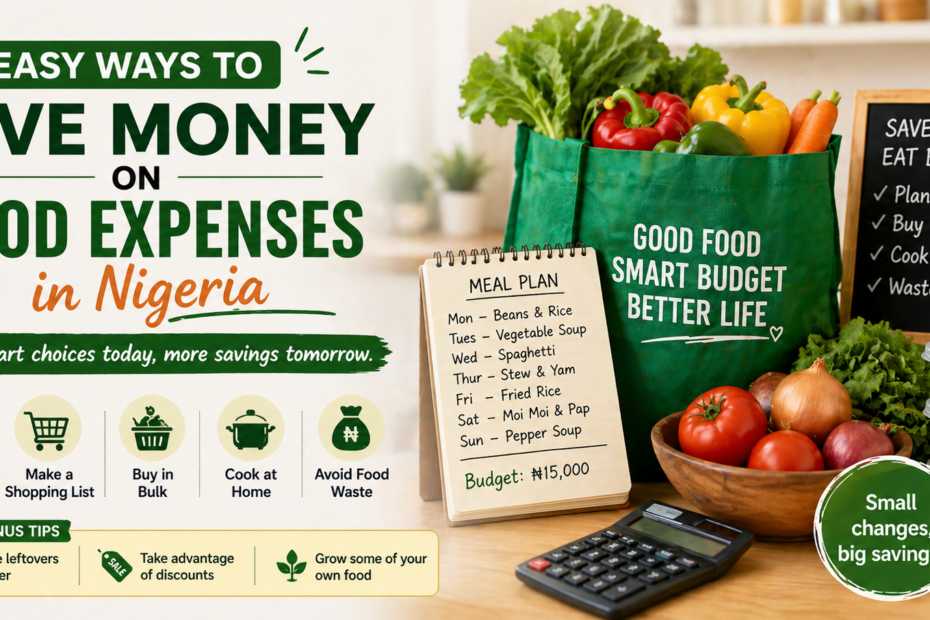
Food prices in Nigeria have continued to rise, and for many people, it has become one of the biggest monthly expenses. What used to be affordable a few years ago now costs significantly more, making it harder for individuals and families to manage their budgets comfortably. From basic staples like rice and garri to everyday cooking ingredients, the increase in food costs is felt across all income levels.
Because of this, food often takes up a large portion of monthly income. For students, salary earners, and low-income households, a significant amount of money goes into feeding alone, leaving little room for savings or other important needs.
In many cases, people find themselves spending more on food than they initially planned simply because of rising prices and lack of proper planning.
This situation creates a daily struggle: trying to eat well while staying within a limited budget. Many people want to maintain a balanced diet, but the cost of food makes it difficult to consistently afford quality meals. As a result, some resort to skipping meals, eating less nutritious food, or overspending on fast food and street food because it feels more convenient.
However, managing food expenses does not have to be overwhelming. With the right approach, it is possible to reduce spending while still eating well. Small, practical changes in how you buy, cook, and plan your meals can make a big difference over time.
In this guide, you will learn simple and practical ways to save money on food expenses in Nigeria without compromising on basic nutrition or quality of meals.
Why Food Expenses Are So High in Nigeria
Food expenses in Nigeria continue to rise for several interconnected reasons, making it difficult for many people to manage their monthly budget effectively. Understanding these causes is the first step toward learning how to control your spending on food.
One major factor is inflation and unstable prices. The cost of food items in Nigeria changes frequently due to economic conditions, fuel prices, transportation costs, and supply issues.
This instability means that items you buy regularly—such as rice, vegetables, oil, or protein sources—can suddenly become more expensive without warning, making budgeting more difficult.
Another contributing factor is the growing eating out culture. Many people now rely heavily on restaurants, fast food outlets, and street food vendors for daily meals. While this may seem convenient, it is usually far more expensive than cooking at home. Over time, frequent eating out significantly increases monthly food spending.
Poor planning and impulse buying also play a major role. Without a clear plan for meals or grocery shopping, people tend to buy food randomly or in small quantities, often at higher prices. Impulse decisions like buying snacks, drinks, or unnecessary extras during shopping trips also add up quickly.
Lastly, there is often a lack of proper budgeting for food. Many people focus on rent, transport, or other expenses but fail to set a clear food budget. Without limits, it becomes easy to overspend on feeding without realizing how much is being used each week.
In simple terms, high food expenses are not caused by one issue alone, but by a combination of economic factors and spending habits that can be managed with better planning and discipline.
Reduce Food Waste
Reducing food waste is one of the simplest but most overlooked ways to save money on food expenses in Nigeria. When food is wasted, you are not just losing meals—you are also losing money that could have been used more efficiently.
One important step is proper storage of food items. Many foods spoil quickly because they are not stored correctly. Using airtight containers, refrigerating cooked meals, and keeping dry foods in clean, dry spaces helps extend their lifespan. When food lasts longer, you reduce the need to buy replacements frequently.
Another key habit is cooking only what you need. Overcooking is common in many households, but it often leads to leftovers that may eventually go bad if not managed properly. By preparing the right portion sizes, you avoid excess food that ends up being thrown away.
You can also save money by reusing leftovers safely. Instead of discarding leftover food, you can repurpose it into another meal. For example, leftover rice can be turned into fried rice, and remaining stew can be reused for another dish. The key is to store and reheat food properly to maintain safety and quality.
In simple terms, reducing food waste helps you get the most value from every naira spent on food. When you waste less, you spend less, and your food budget becomes more efficient and sustainable over time.
Choose Local and Seasonal Foods
One of the smartest ways to save money on food expenses in Nigeria is to choose local and seasonal foods instead of imported or out-of-season items. These options are usually more affordable and widely available, making them a practical choice for anyone trying to reduce food costs.
Local foods are generally cheaper alternatives because they do not require long transportation or heavy import costs. Items like locally grown vegetables, tubers, and grains are produced within the country, which helps keep their prices more stable compared to imported or processed foods.
Seasonal foods are also easier to find in large quantities, which improves availability and affordability. When a food item is in season, there is usually a higher supply in the market, which naturally brings the price down. Buying in season allows you to enjoy better prices while still getting fresh and nutritious meals.
Examples of affordable local and seasonal foods in Nigeria include vegetables like ugu and efo, tubers like yam and cassava, and grains like rice, maize, and beans. These foods are not only budget-friendly but also versatile, as they can be used in many different meals.
In simple terms, choosing local and seasonal foods helps you stretch your budget further while still eating healthy and filling meals. It is a practical habit that reduces food expenses without sacrificing nutrition or quality.
Limit Eating Out and Fast Food
One of the fastest ways to increase your food expenses in Nigeria is by frequently eating out or relying on fast food. While it may feel convenient, it often comes with hidden costs that quietly drain your budget over time.
The hidden costs of daily food purchases go beyond just the price of the meal itself. When you eat out, you are also indirectly paying for packaging, transportation, service charges, and profit margins.
These extra costs make street food and fast food significantly more expensive compared to cooking at home. Over days and weeks, these small expenses accumulate into a large portion of your monthly spending.
To take control of your food budget, it is important to set a clear eating-out limit or budget. Instead of eating out whenever it feels convenient, decide in advance how many times you can afford to do so in a week or month. For example, you might choose to eat out only once or twice weekly and stick to that decision.
Having a limit does not mean you must completely avoid eating out, but it helps you become more intentional. You start seeing it as a planned expense rather than a daily habit. This shift alone can significantly reduce unnecessary spending.
In simple terms, limiting eating out helps you take control of hidden expenses, reduce wasteful spending, and redirect more of your money toward cooking at home and staying within your food budget.