Skip to content
Home ยป How to save money as a single mother in Nigeria

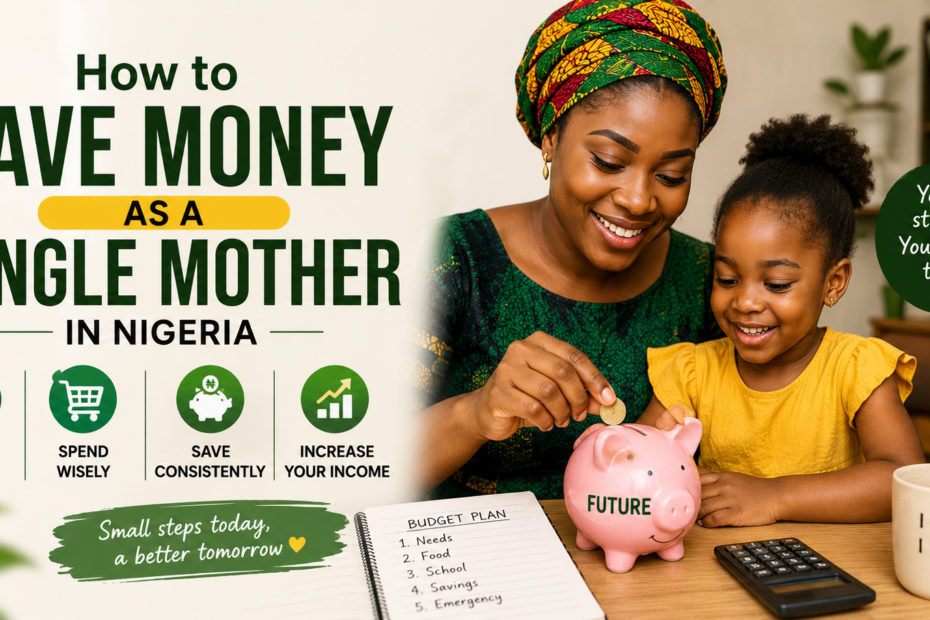
How to save money as a single mother in Nigeria

    Being a single mother in Nigeria comes with unique financial challenges, especially with rising living costs and the responsibility of caring for children alone.

    However, saving money is still possible when there is proper planning and discipline. One of the most effective first steps is to start with a realistic budget that matches your actual income, no matter how small or irregular it may be.

    When you clearly track your daily expenses such as food, transport, school fees, and rent, you gain better control over your finances. It is also important to separate โ€œneedsโ€ from โ€œwantsโ€ so you can avoid unnecessary spending.

    Instead of relying only on monthly planning, weekly budgeting works better for many single mothers in Nigeria because income is often inconsistent. Even with โ‚ฆ20,000โ€“โ‚ฆ100,000 income, financial stability is possible when spending is guided by structure and discipline.

    Prioritize Childrenโ€™s Essential Needs First

    As a single mother in Nigeria, one of the most important steps to financial stability is learning how to prioritize your childrenโ€™s essential needs before any other expense.

    This means clearly identifying what must never be delayed or skipped, no matter how tight your income becomes. The first priority is education, including school fees, uniforms, books, and other learning materials, because your childโ€™s future depends heavily on consistent schooling.

    Next is food and nutrition, ensuring your children eat balanced meals that support their growth and health. After that comes shelter, which includes rent and basic utilities like electricity and water, as a stable home environment is very important for their wellbeing.

    Finally, health and insurance should always be considered, even if it means small savings toward hospital visits or basic medical care. When these essentials are properly arranged in order of importance, it becomes easier to manage limited income without unnecessary financial stress.

    Reduce Food Expenses Without Sacrificing Nutrition

    Food is one of the biggest daily expenses for most single mothers in Nigeria, but with the right approach, it can be significantly reduced without affecting the health and nutrition of your children.

    Buy Foodstuffs in Bulk from Local Markets

    One of the smartest strategies is to buy foodstuffs in bulk from local markets instead of buying in small quantities from retail shops. Items like rice, beans, garri, yam, and oil are often cheaper when purchased in larger quantities and stored properly.

    Cook at Home Instead of Eating Out

    Another important habit is cooking at home instead of relying on fast food or buying already prepared meals. Although it may seem convenient, eating out regularly is far more expensive and often less healthy. Home-cooked meals give you full control over both cost and nutrition.

    Take Advantage of Seasonal Foods

    You should also take advantage of seasonal foods, which are usually more affordable and fresher. For example, fruits and vegetables are cheaper when they are in season, and they still provide the same nutritional value.

    Plan Your Meals Weekly to Avoid Waste

    Meal planning is another powerful saving tool. By planning your meals weekly, you can avoid unnecessary spending, reduce food waste, and ensure you only buy what you truly need. It also helps you balance meals so your children get proper nutrition throughout the week.

    When you apply these simple but effective strategies consistently, you can cut food expenses significantly while still keeping your family healthy and well-fed.

    Learn to Say โ€œNoโ€ to Social Pressure

    For many single mothers in Nigeria, one of the most overlooked causes of financial stress is social pressure. Even when income is limited, there is often pressure to meet expectations from family, friends, church groups, and society at large. Learning to say โ€œnoโ€ is not selfishโ€”it is a necessary step toward financial survival and stability.

    Family Pressure (Extended Family Requests)

    Extended family members may sometimes request financial help, school support, or emergency assistance. While helping others is good, you must first ensure your childrenโ€™s needs are fully covered. It is okay to politely decline or offer what you can truly afford without putting your home under stress.

    Church and Social Contributions

    Church offerings, fundraising, and social group contributions can also create financial strain. Instead of trying to meet every request, set a fixed amount within your budget for giving. Discipline is keyโ€”your giving should never leave you broke or unable to provide for your children.

    Keeping Up Appearances

    Trying to โ€œlook okayโ€ in the eyes of society can lead to unnecessary spending on clothes, events, or lifestyle upgrades. Focus on what truly matters: food, shelter, education, and health. Real financial strength is not appearanceโ€”it is stability.

    As the saying goes, โ€œYou canโ€™t pour from an empty cup.โ€ Protecting your financial health ensures you can properly care for your children without constant stress or debt.

    Build a Small Emergency Fund (Even โ‚ฆ500โ€“โ‚ฆ1,000 Daily)

    One of the smartest financial habits a single mother in Nigeria can develop is building a small emergency fund. Life is unpredictableโ€”children can fall sick, school expenses can appear suddenly, or unexpected bills can arise. Without savings, many people are forced into debt, but an emergency fund helps you stay prepared.

    Saving Small Amounts Consistently

    You donโ€™t need a large income to start saving. Even โ‚ฆ500 or โ‚ฆ1,000 daily can grow into a meaningful amount over time. The key is consistency, not the size of the money. By treating savings like a fixed daily responsibility, you gradually build financial security without feeling too much pressure.

    Using Mobile Savings Apps or Bank Savings Goals

    Technology has made saving easier. Many Nigerian banks and mobile apps allow you to set automatic savings goals where small amounts are deducted daily or weekly. This removes the temptation to spend and helps you stay disciplined. You can also open a separate savings account that you do not touch unless there is a real emergency.

    Why Emergency Funds Prevent Debt

    An emergency fund protects you from borrowing money at high interest rates or relying on loans that increase financial stress. Instead of running into debt when unexpected expenses come up, you can handle them calmly with your savings. This builds confidence, stability, and long-term financial control.

    When you consistently build an emergency fund, no matter how small, you are creating a financial safety net that protects both you and your children.

    Avoid High-Interest Debt and Loan Traps

    For many single mothers in Nigeria, borrowing money can feel like a quick solution during financial pressure. However, high-interest debt and quick loan apps can easily trap you in a cycle of repayment stress that becomes harder to escape over time. Learning how to avoid these traps is an important step toward financial stability.

    Quick Loan Apps Dangers in Nigeria

    Many digital loan apps offer instant cash with little or no paperwork, which may look helpful at first. However, they often come with very high interest rates, short repayment periods, and hidden charges.

    If you fail to repay on time, the debt can quickly increase and cause embarrassment or financial pressure. Some apps may also use aggressive recovery methods that affect peace of mind.

    How Debt Increases Stress

    Debt does not only affect your financesโ€”it also affects your mental health. Constant repayment pressure can reduce your ability to plan, save, or focus on your childrenโ€™s needs. Instead of solving problems, debt often creates a cycle where you borrow again just to survive, making the situation worse over time.

    Alternatives Like Ajo/Esusu (Informal Savings Groups)

    A better and safer option is joining trusted informal savings groups like ajo or esusu. These community-based systems allow members to contribute small amounts regularly and receive lump sums at intervals. When managed well, they help you save and access funds without high interest or hidden charges.

    By avoiding risky loans and choosing safer financial habits, you protect yourself from unnecessary pressure and build a more stable future for your family.

    Increase Income With Side Hustles That Fit Single Mothers

    Saving money becomes much easier when there is also a steady effort to increase income. For single mothers in Nigeria, the best side hustles are those that are flexible, low-cost to start, and can fit into daily family responsibilities without too much stress. The goal is not to overwork yourself, but to create additional income streams that support your main needs.

    Small Food Business (Moi-Moi, Snacks, Catering)

    Food businesses are one of the most reliable options in Nigeria. You can start small by selling items like moi-moi, puff-puff, small chops, or home-cooked meals. These foods are always in demand, especially in busy neighborhoods, schools, and offices. With good consistency and hygiene, this can grow into a stable income source.

    Reselling Thrift Clothes (Okrika)

    Selling thrift clothing is another profitable and low-capital business. You can buy fairly used clothes in bulk and resell them at a profit. Many single mothers succeed in this because it allows flexible selling through home display, roadside sales, or even WhatsApp and social media.

    Online Freelancing or Phone-Based Jobs

    With just a smartphone, you can explore online opportunities like content writing, typing jobs, social media management, or small online tasks. These jobs can be done from home, making them suitable for mothers who need to stay close to their children.

    Home Services (Hairdressing, Baking, Tutoring)

    Skills like hairdressing, baking, or tutoring children can also bring steady income. These services are always needed in local communities and can be done on a flexible schedule depending on your availability.

    The key is to choose side hustles that match your time, skills, and environment. Even small efforts, when consistent, can significantly improve your financial situation over time.

    Teach Children Financial Responsibility Early

    Financial discipline becomes easier to maintain when children are taught the value of money from an early age. For single mothers in Nigeria, this is not just about saving moneyโ€”it is about building a financially responsible future generation while reducing unnecessary pressure at home.

    Giving Small Allowances

    Providing small, controlled allowances helps children learn how to manage money on their own. It teaches them that money is limited and must be used wisely. Instead of giving money randomly, set clear rules on when and how they receive it, so they begin to understand planning and control.

    Teaching Saving Habits

    Encourage your children to save a portion of whatever money they receive, no matter how small. You can even introduce simple saving methods like piggy banks or small savings jars. This helps them develop patience, discipline, and the habit of thinking long-term instead of spending immediately.

    See also  How to Make Money from Home (Step-by-Step Guide)

    Involving Them in Budgeting Awareness

    Depending on their age, you can involve your children in simple budgeting discussions. Let them understand basic household priorities like food, school needs, and transportation. This does not mean stressing them, but helping them appreciate the reality of financial responsibility in the home.

    When children understand money early, they become more responsible and less demanding. This reduces financial pressure on the mother and builds a culture of discipline that benefits the entire family in the long run.

    Cut Transportation Costs Smartly

    Transportation is one of the daily expenses that can quietly drain a single motherโ€™s income in Nigeria, especially in busy cities where prices keep changing. However, with smart planning, you can significantly reduce how much you spend on movement without affecting your daily responsibilities.

    Plan Trips Ahead to Reduce Multiple Movements

    One of the most effective ways to save money is to plan your outings in advance. Instead of making several trips on different days, try to group your activities together. For example, combine school runs, market visits, and bank errands into a single day. This reduces repeated transport fares and saves both time and energy.

    Use Shared Transport Where Safe

    Whenever possible, use shared transportation options such as buses, keke, or shared taxis instead of private or direct rides. While it may take slightly longer, it is usually much cheaper. The savings may seem small per trip, but they add up significantly over time.

    Combine Errands in One Outing

    Before leaving home, make a list of everything you need to do. This helps you avoid unnecessary back-and-forth movements. By completing multiple errands in one trip, you reduce fuel costs, transport fares, and even stress.

    By managing transportation wisely, you can free up more money for essential needs like food, school fees, and savings. Small adjustments in daily movement habits can make a big difference in your overall financial stability.

    Use Community Support Wisely (Not Emotionally Draining)

    As a single mother in Nigeria, community support can be a valuable source of relief, but it must be used wisely. The goal is to receive help that strengthens your financial stability, not relationships that drain your energy, emotions, or income. Knowing who to trust and how to set boundaries is very important.

    Trusted Family Support Systems

    Support from close and trustworthy family members can make a big difference during difficult times. This may include help with childcare, small financial assistance, or emotional support. However, it is important to rely only on people who genuinely care about your wellbeing and are not constantly creating pressure or unrealistic expectations.

    Cooperative Savings Groups

    Joining cooperative savings groups such as ajo or esusu can help you stay disciplined with saving money. These groups encourage members to contribute regularly and receive funds in turns. When managed well and joined with trusted people, they provide a structured way to save and access money without borrowing from high-interest sources.

    Avoiding Exploitative Relationships

    Not all forms of โ€œhelpโ€ are beneficial. Some people may take advantage of your situation by demanding constant financial contributions or emotional dependence in return for support. It is important to recognize these relationships early and protect your financial and emotional wellbeing by setting clear boundaries.

    When you use community support wisely, it becomes a tool for growth rather than stress. Surrounding yourself with the right people helps you stay stronger, more stable, and better focused on your childrenโ€™s future.

    Plan for School Expenses Early

    School expenses are one of the most important and often stressful financial responsibilities for single mothers in Nigeria. However, with early planning, you can reduce pressure, avoid debt, and ensure your childrenโ€™s education is not disrupted.

    Buying School Items During Off-Season Sales

    One of the smartest ways to save money is to buy school items such as uniforms, shoes, books, and bags during off-season sales. Prices are usually lower when demand is not high, unlike the rush period just before school resumption when everything becomes expensive. Planning ahead helps you spread your spending and avoid paying inflated prices.

    Setting Aside Monthly School Savings

    Instead of waiting until school fees are due, set aside a small amount every month specifically for school expenses. Even if it is a modest amount, consistency is what matters. This habit helps you gradually build a school fund that reduces financial pressure when fees or other requirements arise.

    Avoiding Last-Minute Borrowing

    Last-minute borrowing often leads to high stress and financial strain, especially when you have to take quick loans or depend on others. When school expenses are not planned early, you may end up paying more or falling into debt. Early preparation gives you control and peace of mind.

    By planning ahead for school expenses, you create stability for your childrenโ€™s education and protect yourself from unnecessary financial pressure throughout the school year.

    Mental Strength and Financial Discipline

    Saving money as a single mother in Nigeria is not only about earning moreโ€”it is also about developing the mental strength and discipline needed to make wise financial decisions consistently.

    There will be moments of pressure, temptation, and emotional stress, but staying focused on your long-term goals can help you build a more secure future for yourself and your children.

    Discipline Over Emotions

    Many financial mistakes happen because of emotional spending, social pressure, or the desire to solve every problem immediately. Learning to control unnecessary spending, avoid impulse buying, and stick to your budget is a powerful habit. Financial discipline means making decisions based on your real priorities, not temporary feelings.

    Long-Term Thinking for Your Childrenโ€™s Future

    Every small sacrifice you make today can positively affect your childrenโ€™s future tomorrow. Saving money, reducing debt, and planning wisely help create stability in areas like education, healthcare, and shelter. Instead of focusing only on immediate comfort, think about the long-term security and opportunities you want your children to have.

    Consistency Beats Big Income

    You do not need to earn a huge salary before you can become financially stable. What matters most is consistency in your saving habits, budgeting, and financial decisions. Small daily efforts repeated over time often produce better results than irregular large amounts of money.

    Remember, financial progress is built step by step. With patience, discipline, and consistency, you can create a stable and better future for both yourself and your children.

    Conclusion

    Being a single mother in Nigeria comes with many financial responsibilities, but with proper planning and discipline, it is possible to save money and build a stable future for your family.

    From creating a realistic budget and reducing unnecessary expenses to increasing income through flexible side hustles, every small effort can make a meaningful difference over time. The key is to focus on your childrenโ€™s essential needs, avoid financial pressure from society, and stay consistent with your saving habits no matter how small your income may be.

    Remember that financial stability is not built overnight. It grows through daily discipline, smart decisions, and long-term thinking. Even during difficult moments, staying focused on your goals will help you avoid unnecessary debt and create a better life for your children.

    No amount is too small to save, and no effort is too small to matter. With patience, consistency, and determination, you can gradually achieve financial peace and security for your family.

    Frequently Asked Questions

    How Can a Single Mom Save Money?

    Saving money as a single mother can feel difficult because one person is responsible for many financial responsibilities at the same time. However, with discipline and proper planning, a single mom can gradually build financial stability even with a small income.

    The first step is creating a realistic monthly budget. A budget helps track income and expenses so unnecessary spending can be reduced. Important needs such as food, rent, school fees, transportation, and healthcare should come before wants or luxury items.

    Another smart way to save money is by buying things in bulk whenever possible. Food items, toiletries, and household essentials are often cheaper when purchased in larger quantities.

    Single mothers can also save money by cooking at home instead of buying fast food regularly. Preparing meals in advance helps reduce daily spending and minimizes waste.

    Transportation costs can also consume a large part of income. Using public transport wisely, walking short distances, or combining multiple errands into one trip can reduce expenses significantly. In addition, avoiding debt and unnecessary loans is important because interest payments can create more financial pressure.

    Single moms should also try to develop an emergency savings habit, even if it is just a small amount weekly. Saving consistently over time creates financial security during unexpected situations such as illness or school emergencies. Joining trusted cooperative societies or savings groups can also help encourage financial discipline.

    Finally, increasing financial knowledge is very important. Learning basic budgeting, business skills, and side hustles can improve income opportunities. Saving money is not always about earning a huge salary; it is often about managing available resources wisely and staying consistent over time.

    What Can I Use 10,000 Naira to Invest In?

    Ten thousand naira may seem small, but it can still be used to start a profitable investment or business in Nigeria if managed wisely. One of the best options is starting a small trading business.

    For example, you can buy snacks, soft drinks, bottled water, or household items in wholesale quantities and resell them for profit within your neighborhood, school, or workplace.

    Another good investment idea is foodstuff retailing. Items such as garri, rice, beans, tomatoes, onions, or spices are always in demand. With โ‚ฆ10,000, you can start small and gradually grow your customer base. Many successful business owners in Nigeria started with very little capital and expanded through consistency and smart reinvestment.

    You can also invest in digital skills. Instead of spending the money on temporary enjoyment, you can use it to learn skills like graphic design, social media management, video editing, copywriting, or mini importation. These skills can generate income for many years and may provide better long-term financial benefits than quick-profit businesses.

    Another option is starting a small POS business partnership or contributing to a cooperative savings plan. Agricultural investments like poultry feed resale or small vegetable farming can also work depending on your location. If you are creative, you can use the money for perfume oil sales, thrift clothing, phone accessories, or liquid soap production.

    The most important thing is choosing something with regular demand and low risk. Avoid investment scams promising unrealistic returns within a short period. โ‚ฆ10,000 may not make someone rich overnight, but it can become the foundation of a bigger business when managed carefully and consistently reinvested.

    What Organization Helps Single Mothers in Nigeria?

    Several organizations and support groups in Nigeria provide assistance to single mothers through financial empowerment programs, education support, skill acquisition, counseling, and humanitarian aid. These organizations aim to reduce the economic and emotional challenges many single mothers face while raising children alone.

    See also  Passive income ideas in Nigeria for beginners with low capital

    One example is the Women for Women International, which supports vulnerable women through vocational training, financial education, and empowerment programs. Some faith-based organizations and local NGOs also provide food assistance, scholarships, healthcare support, and small business grants for struggling mothers.

    Another helpful organization is the SOS Childrenโ€™s Villages. Although it mainly supports vulnerable children, many single mothers benefit from its family strengthening programs, parenting assistance, and educational support.

    Community development groups and women cooperatives in different Nigerian states also offer loans and business training opportunities for women trying to become financially independent.

    Government programs occasionally provide support as well. Agencies connected to women affairs ministries sometimes organize empowerment programs where single mothers can receive startup equipment, vocational training, or financial grants. Local churches, mosques, and community associations may also provide temporary relief during difficult periods.

    In addition, many online communities and nonprofit groups on social media platforms now offer emotional support, job opportunities, and parenting advice for single mothers. Joining trusted support networks can help mothers access valuable information and opportunities they may not easily find alone.

    Before applying to any organization, it is important to verify legitimacy and avoid scams requesting large registration fees. Genuine support organizations usually focus on empowerment, education, and sustainable improvement rather than making unrealistic promises. Patience and persistence are important when searching for reliable assistance opportunities in Nigeria.

    How Can a Single Mom Make Money Fast?

    A single mother can make money quickly by focusing on practical opportunities that require little capital and offer immediate demand. One of the fastest ways is selling products people buy daily. Food items, cooked meals, snacks, drinks, fruits, or small household goods often generate quick daily income because people need them regularly.

    Another fast income option is offering services. A single mom can start hairdressing, laundry services, cleaning, makeup, tailoring, childcare, or home cooking services depending on her skills.

    Many people prefer paying for convenient local services, especially in busy communities. Even simple services like helping neighbors with errands or cooking for workers can create daily earnings.

    Online opportunities are also growing in Nigeria. A single mother with a smartphone can make money through social media management, affiliate marketing, freelance writing, mini importation, or selling products online. Some women also earn income by promoting products on WhatsApp, Facebook, TikTok, or Instagram without owning physical shops.

    Teaching children after school, selling secondhand clothes, phone accessories, perfumes, or thrift items can also provide fast profits with low startup costs. During festive seasons, businesses related to food, fashion, decoration, or gift items usually perform very well.

    It is also important to avoid desperation and risky schemes. Many people lose money by joining fake online investments or gambling platforms while searching for fast income. Sustainable income usually comes from solving everyday problems or meeting regular customer needs.

    A single mom can improve her earnings faster by staying consistent, treating customers well, and reinvesting profits into the business. Even small daily profits can grow significantly over time. The key is starting with available resources, remaining disciplined, and gradually expanding opportunities as income improves.

    What Payments Can I Get as a Single Mother?

    The type of payments available to a single mother depends largely on her country, state, financial condition, and eligibility for social support programs.

    In Nigeria, there are limited direct welfare payments compared to some developed countries, but single mothers may still access certain forms of financial assistance through government programs, nonprofit organizations, religious groups, and community support systems.

    Some state and federal government empowerment programs occasionally provide cash grants, small business support funds, food assistance, or vocational training stipends for vulnerable women, including single mothers. These programs are usually organized through ministries related to women affairs, youth empowerment, poverty alleviation, or humanitarian services.

    Single mothers may also benefit from conditional cash transfer programs designed to support low-income households. In some situations, widows and vulnerable mothers receive temporary relief materials, school support, or healthcare assistance from charities and community organizations.

    In addition, cooperative societies and women empowerment groups sometimes offer low-interest loans or rotating savings support to help mothers start businesses or manage urgent expenses. Religious organizations, NGOs, and humanitarian foundations may also provide educational sponsorship for children, feeding support, or emergency assistance during difficult situations.

    For mothers working formally, workplace benefits such as maternity leave payments, childcare support, health insurance, or salary advances may also be available depending on employment policies. Some divorced mothers may receive child support payments if ordered legally through family agreements or court arrangements.

    It is important to research legitimate programs carefully because scammers often target vulnerable people with fake promises of government grants. Reliable support usually comes through verified organizations, official government channels, or trusted community networks.

    While financial assistance can help temporarily, building sustainable income and financial independence remains one of the best long-term solutions for single mothers.

    What Is the 50,000 Naira Grant in Nigeria?

    The 50,000 naira grant in Nigeria usually refers to government or private empowerment programs designed to support small business owners, youths, women, artisans, and vulnerable individuals with startup or business expansion funds.

    Different programs have offered grants around โ‚ฆ50,000 at various times, especially during economic hardship or entrepreneurship campaigns. These grants are often introduced to encourage self-employment, reduce poverty, and help citizens grow small businesses.

    One example is empowerment initiatives connected to agencies such as the Small and Medium Enterprises Development Agency of Nigeria and the National Social Investment Programme.

    Some state governments, local government councils, and private organizations also launch business support programs where selected applicants receive financial assistance ranging from โ‚ฆ20,000 to โ‚ฆ100,000.

    In many cases, the โ‚ฆ50,000 grant is targeted at traders, single mothers, unemployed youths, farmers, students, or people learning vocational skills.

    Beneficiaries may be required to submit applications, attend training programs, or provide business plans before approval. Some grants are completely free and do not require repayment, while others may operate like soft loans with flexible conditions.

    However, many fake grant schemes also exist online. Scammers often ask people to pay registration fees or provide sensitive banking details in exchange for fake promises. Genuine grant programs usually operate through verified government websites, official announcements, or recognized organizations.

    For anyone interested in such grants, it is important to stay informed through official government channels, local empowerment offices, and trusted news sources. While โ‚ฆ50,000 may not solve every financial problem, it can help start a small business, purchase equipment, or support income-generating activities when used wisely and responsibly.

    What Can I Do as a Single Mom With No Money?

    Being a single mother with no money can feel overwhelming, but there are still practical steps that can help improve the situation gradually. The first thing is to avoid losing hope. Many successful women started from extremely difficult situations and slowly rebuilt their lives through persistence, planning, and consistent effort.

    One important step is identifying available skills or resources. Even without money, a single mom may still have valuable abilities such as cooking, cleaning, sewing, hairdressing, teaching, babysitting, or selling products.

    These skills can be turned into small income opportunities within the local community. Starting small is often better than waiting for perfect conditions.

    Seeking support from trusted family members, religious groups, community organizations, or women empowerment programs can also help during difficult periods.

    Some organizations provide food support, free training, childcare assistance, or small business help for struggling mothers. Asking for temporary help is not a sign of failure when done wisely and respectfully.

    Another useful step is reducing unnecessary expenses and focusing only on essential needs. Creating a simple survival budget helps manage little resources effectively. A single mother can also explore free online learning opportunities to gain skills in digital marketing, freelancing, graphic design, or social media management using a smartphone.

    Networking with positive people is also important. Sometimes job opportunities, business ideas, or support come through relationships and community connections. Staying around supportive and hardworking people can create new opportunities over time.

    Most importantly, patience and consistency matter. Financial recovery rarely happens overnight. Small daily efforts, careful planning, and determination can gradually improve a difficult situation.

    Even when resources are limited, maintaining self-respect, protecting mental strength, and continuing to pursue opportunities can lead to a better future for both the mother and her children.

    What Does God Say About Single Moms?

    The Bible does not directly use the modern term โ€œsingle mom,โ€ but it contains many teachings about love, compassion, strength, responsibility, and Godโ€™s care for parents raising children under difficult circumstances.

    Throughout scripture, God consistently shows concern for widows, vulnerable women, and children, encouraging society to support and protect them rather than judge or abandon them.

    One important biblical message is that God values and cares deeply for every parent trying to provide for their family. In the Bible, verses often emphasize Godโ€™s closeness to people facing hardship, loneliness, or emotional burdens.

    Single mothers who feel overwhelmed can find encouragement in teachings about faith, perseverance, wisdom, and strength during difficult seasons.

    The Bible also teaches responsibility, love, and good parenting. Raising children with care, discipline, honesty, and kindness is considered important regardless of family structure. Many Christians believe God honors mothers who sacrifice for their children and continue striving to provide stability and guidance despite challenges.

    In addition, the Bible encourages communities to support vulnerable families. Churches and believers are often instructed to help those in need through generosity, compassion, and practical assistance. This means single mothers should not be treated with shame or rejection but with dignity and understanding.

    Prayer, faith, and personal growth are also emphasized in Christian teachings. Many people draw strength from trusting God during financial struggles, emotional stress, or uncertainty about the future. Faith can provide emotional peace and motivation to keep moving forward even when life feels difficult.

    While different religious groups may interpret certain situations differently, the overall message of compassion, responsibility, forgiveness, and hope remains central. Many single mothers find comfort in believing that God sees their struggles, values their efforts, and encourages them to continue building a better life for themselves and their children.

    How to Make Quick Easy Money as a Stay-at-Home Mom?

    A stay-at-home mom can make quick and easy money by focusing on flexible opportunities that fit around childcare and household responsibilities. One of the fastest methods is selling products online or within the local community.

    Items like snacks, thrift clothes, jewelry, skincare products, perfumes, foodstuff, or phone accessories often require little startup capital and can generate daily profits.

    Another practical option is offering home-based services. Babysitting, laundry, baking, cooking, tutoring children, sewing, hair styling, or makeup services can provide income without needing to leave home frequently. Many families prefer trusted local service providers, especially for childcare and food-related services.

    See also  Common Money Mistakes Salary Earners Make

    The internet also provides many opportunities for stay-at-home mothers. Freelance writing, virtual assistance, social media management, affiliate marketing, and online tutoring can all be done with a smartphone or computer.

    Some women earn money by creating content on platforms like Facebook, TikTok, YouTube, or Instagram where they share parenting tips, cooking videos, motivational content, or business ideas.

    Selling homemade products is another good option. Liquid soap, chin chin, zobo drinks, cakes, natural skincare products, or handmade crafts can attract loyal customers when marketed properly. WhatsApp status marketing is especially popular in Nigeria because it allows people to advertise directly to contacts for free.

    It is important to stay realistic and avoid scams promising instant wealth. Genuine income opportunities usually require consistency, effort, and patience even when profits come quickly. Building trust with customers and maintaining quality service helps increase repeat sales and referrals.

    A stay-at-home mom can start with small resources and gradually expand over time. The key is identifying something useful that people already need and providing it consistently while balancing family responsibilities effectively.

    How to Survive Financially as a Single Mum?

    Surviving financially as a single mum requires careful planning, discipline, emotional strength, and the ability to make wise financial decisions consistently. Since one person often handles all household responsibilities, managing money properly becomes extremely important for long-term stability.

    The first step is creating a realistic budget. A single mum should clearly identify monthly income and prioritize essential expenses such as rent, food, transportation, healthcare, and school fees. Avoiding unnecessary spending helps reduce financial pressure and ensures important needs are covered first.

    Building multiple income sources can also improve financial survival. Depending on available skills and resources, a single mother may combine a regular job with side businesses such as food sales, online work, tailoring, tutoring, or small-scale trading. Even small extra income streams can make a significant difference over time.

    Saving money regularly is another important habit. Even small weekly savings create emergency support during difficult periods. Joining trusted cooperative societies or savings groups can help encourage financial discipline and provide access to low-interest financial support when needed.

    Reducing debt is also very important. Borrowing money frequently without repayment plans can create long-term financial stress. Single mothers should focus on manageable financial decisions and avoid risky investments or unnecessary loans.

    Seeking support from trusted family members, religious communities, or support organizations can also provide emotional and practical help. Sometimes financial survival becomes easier when responsibilities and advice are shared with reliable people.

    In addition, investing in personal development can improve future earning potential. Learning digital skills, vocational trades, or business management can open better opportunities for stable income.

    Financial survival as a single mum is rarely easy, but consistency, discipline, wise planning, and determination can gradually create a more secure and stable future for both the mother and her children.

    What Benefits Can I Get Being a Single Mother?

    Being a single mother does not automatically come with fixed financial benefits in every country, but there are several forms of support and opportunities that may be available depending on location, income level, and personal circumstances.

    In Nigeria, for example, benefits are not always structured as monthly government payments, but single mothers can still access different types of assistance through social programs, community support, and empowerment initiatives.

    One of the main benefits available is access to empowerment programs offered by government and non-government organizations. Agencies such as the National Social Investment Programme sometimes provide conditional cash support, skills training, or small business grants to vulnerable women, including single mothers. These programs aim to reduce poverty and encourage self-reliance.

    Single mothers may also benefit from scholarships or school support for their children through charities, religious organizations, or educational foundations.

    Some NGOs provide free vocational training, healthcare assistance, food support, or startup capital for small businesses. These opportunities can help reduce financial pressure and improve long-term stability.

    In addition, single mothers often receive emotional and community support from churches, mosques, women associations, and local groups. This support can include counseling, temporary financial help, childcare assistance, or business mentoring.

    Another indirect benefit is priority consideration in some humanitarian or welfare programs designed for vulnerable households, widows, or low-income families. However, eligibility usually depends on proper registration and documentation.

    While the support available may not always be large or consistent, combining different sourcesโ€”government programs, community help, and self-employmentโ€”can create meaningful improvement. The key benefit of being a single mother is not just financial aid, but also access to empowerment opportunities that encourage independence and long-term growth.

    How to Pay Off Debt as a Single Mom?

    Paying off debt as a single mother requires discipline, planning, and a clear strategy to avoid increasing financial stress. The first step is to understand exactly how much is owed. Listing all debts, including interest rates, repayment deadlines, and monthly obligations, helps create clarity and reduces confusion.

    After identifying total debt, it is important to prioritize repayments. High-interest debts should be paid first because they grow faster over time. This method is often called the โ€œavalanche approach.โ€ Alternatively, some people prefer the โ€œsnowball method,โ€ where smaller debts are cleared first to build motivation and confidence.

    Creating a strict monthly budget is essential. A single mom should separate essential expenses like food, rent, transportation, and school fees from non-essential spending. Cutting down on unnecessary purchases helps free up money for debt repayment.

    Increasing income can also speed up debt clearance. This may include starting small businesses, offering services like cooking, cleaning, tutoring, or selling products in the local community or online. Even small additional income can make a big difference when consistently applied to debt.

    It is also important to avoid taking new loans while repaying existing ones. Many people fall into deeper financial trouble by borrowing again before clearing old debts. Instead, focus on stability and gradual repayment.

    If possible, negotiating with lenders for flexible payment plans or reduced interest can also help ease pressure. Some creditors are willing to restructure payments if communication is honest and consistent.

    Most importantly, emotional discipline is key. Debt repayment is a gradual process, and progress may feel slow at times. However, with consistency, planning, and persistence, a single mother can regain financial control and gradually become debt-free.

    What Age Does Single Parenting Stop?

    Single parenting does not have a fixed age limit because it is not defined by the age of the parent or child in a strict legal sense. Instead, it is a family situation where one parent takes full or primary responsibility for raising a child. This means single parenting can continue for as long as the child still depends on parental care, guidance, or financial support.

    In most cases, single parenting is most active during childhood and teenage years, when children rely heavily on parents for food, shelter, education, emotional support, and discipline.

    However, even when a child becomes an adult, some level of parenting responsibility may continue, especially in cultures where children remain financially or emotionally connected to their parents for a longer period.

    In legal and financial contexts, many responsibilities officially reduce when a child reaches adulthood, often around 18 years of age in many countries. At this stage, parental obligations such as custody or child support may end or reduce depending on legal agreements. However, this does not mean the parenting relationship stops emotionally or practically.

    In reality, many single parents continue supporting their children beyond 18 years, especially during higher education, job searching, or early adulthood. Emotional guidance, advice, and occasional financial assistance often continue well into adulthood.

    So, single parenting does not truly โ€œstopโ€ at a specific age. It gradually changes formโ€”from full dependency in childhood to mentorship and support in adulthood. The responsibility becomes less intense over time, but the parent-child relationship usually remains for life.

    What Is a Type C Mom?

    The term โ€œType C momโ€ is not a widely recognized psychological or medical classification. It is more commonly used in informal discussions, especially in personality-based parenting content on social media.

    In such contexts, โ€œType C momโ€ is often used to describe a parenting style that is calm, flexible, and highly adaptable, but sometimes less structured compared to more strict parenting types.

    In general, discussions about parenting styles often refer to categories like authoritative, authoritarian, permissive, or uninvolved parenting. However, the โ€œType C momโ€ label is not part of formal psychology.

    Instead, it is a modern or casual way of describing a mother who tries to balance structure with emotional understanding, often adjusting her approach depending on the situation.

    A Type C mom is usually seen as someone who is patient, less controlling, and more emotionally responsive to her children. She may prioritize peace in the home, avoid strict punishment, and focus more on communication and understanding.

    While this can create a warm and supportive environment, critics sometimes argue that too much flexibility may lead to a lack of discipline if not balanced properly.

    It is important to understand that these labels are not scientific. Every mother has a unique parenting style shaped by culture, experience, personality, and environment. What matters most is raising children in a healthy, supportive, and disciplined way that encourages growth and responsibility.

    So, โ€œType C momโ€ is best understood as a social or informal label rather than a fixed category in psychology.

    How to Budget as a Single Mom?

    Budgeting as a single mother is one of the most important financial habits for maintaining stability and reducing stress. Since all household responsibilities depend on one income source, proper money management becomes essential for survival and long-term planning.

    The first step in budgeting is identifying total monthly income. This includes salary, business earnings, side income, or any financial support received. Once income is known, the next step is listing all essential expenses such as rent, food, school fees, transportation, healthcare, and utilities.

    After listing expenses, they should be divided into โ€œneedsโ€ and โ€œwants.โ€ Needs are things necessary for survival, while wants are non-essential items like entertainment, luxury shopping, or impulse purchases. A strong budget prioritizes needs first and limits wants.

    A simple method is the 50/30/20 rule. This means 50% of income goes to needs, 30% to personal or flexible spending, and 20% to savings or debt repayment. However, for single mothers with low income, this ratio may need adjustment to focus more on survival expenses.

    Tracking daily spending is also very important. Writing down expenses or using a mobile budgeting app helps prevent overspending and keeps financial discipline strong. Small leakages in spending can affect long-term stability.

    Another key strategy is planning for emergencies. Even small weekly savings can build a safety net for unexpected situations like illness or school emergencies.

    Most importantly, budgeting requires consistency. It is not a one-time activity but a continuous process of adjusting spending habits based on income changes. With discipline, a single mother can gain better control of her finances, reduce stress, and build a more secure future for herself and her children.

    Leave a Reply

    Your email address will not be published. Required fields are marked *

    error: Content is protected !!