Skip to content
Home » How to avoid unnecessary spending in Nigeria

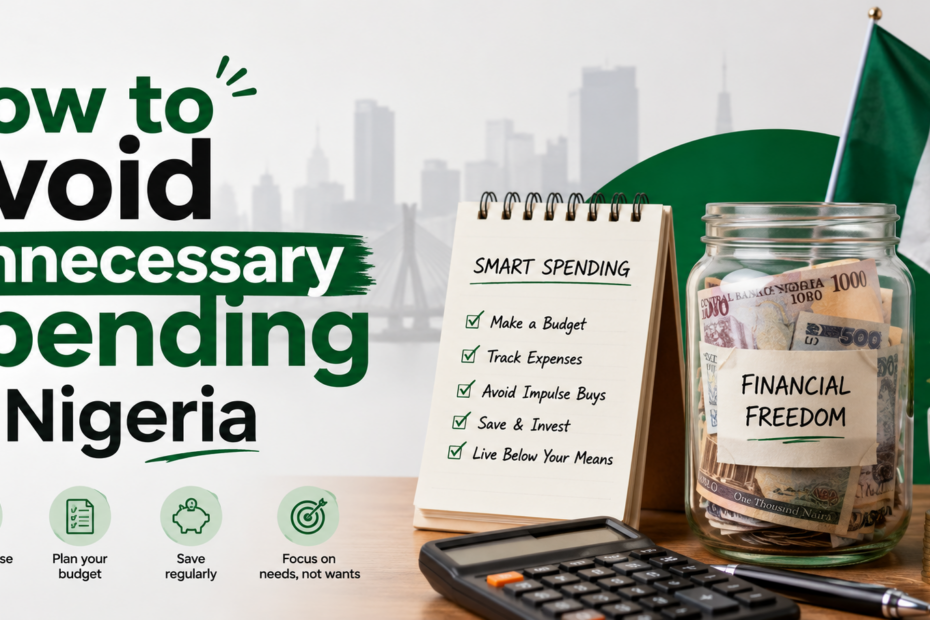
How to avoid unnecessary spending in Nigeria

    Unnecessary spending has become a major financial problem in Nigeria today, mainly because of the rising cost of living.

    Prices of basic needs like food, transport, rent, and mobile data continue to increase, making it harder for many people to manage their income effectively.

    At the same time, inflation is reducing the value of money, meaning what used to be enough for a month can barely last a few weeks.

    Despite this reality, many individuals still spend beyond their means, often trying to maintain a lifestyle that does not match their income.

    Social media has also added to the pressure, as platforms like Instagram and TikTok constantly showcase expensive lifestyles, luxury fashion, and flashy outings.

    This creates the illusion that everyone is doing well financially, pushing people to spend unnecessarily just to “fit in” or appear successful.

    What “unnecessary spending” really means

    Unnecessary spending simply means using money on things that are not essential or not urgent, especially when there are more important needs to take care of.

    It often happens when people spend on wants instead of needs, choosing comfort or pleasure over financial responsibility.

    For example, someone may spend money on luxury items or entertainment while struggling with basic bills or savings goals.

    It can also come from emotional decisions, such as spending when stressed, bored, or trying to impress others due to peer pressure.

    Another common form is impulse buying, where purchases are not planned but made suddenly without proper consideration.

    In everyday life, this can look like eating out daily instead of cooking at home, buying the latest smartphone even when the current one is still working fine, or frequently attending “owambe” parties and spending heavily on outfits, gifts, and transportation.

    Over time, these small decisions can quietly drain income and make financial stability difficult to achieve.

    Common Unnecessary Spending Habits in Nigeria

    1. Daily eating outside (food vendors, fast food)

    One of the most common unnecessary spending habits in Nigeria is eating outside every day instead of cooking at home.

    Many people rely on fast food restaurants, roadside food vendors, or online food delivery services because it feels convenient, time-saving, or sometimes trendy.

    While occasional eating out is fine, doing it daily can seriously affect a person’s finances over time.

    A single meal bought outside might seem affordable, but when multiplied by breakfast, lunch, and dinner over weeks and months, the total becomes very expensive compared to home-cooked food.

    In many cases, people also spend more on drinks, snacks, and tips, which increases the overall cost.

    Another issue is that eating out often leads to unhealthy food choices, which can affect long-term health and lead to additional medical expenses.

    Many Nigerians underestimate how much they spend on food outside because payments are often small and frequent, making it feel insignificant.

    However, when tracked properly, it becomes clear that a large portion of income goes into feeding alone.

    Learning to cook at home, meal planning, and buying groceries in bulk are simple ways to reduce this unnecessary spending and regain financial control.

    2. Excess transport (using bikes/taxis instead of planning routes)

    Excess transport spending is another silent money drain in Nigeria, especially in busy cities like Lagos.

    Many people rely heavily on bikes (okada), tricycles (keke), and taxis for every movement, even for short distances that could be managed more cheaply with planning or shared transport.

    While transportation is necessary, poor planning and convenience-driven decisions often make it unnecessarily expensive.

    For example, someone might take multiple bike rides in a day instead of using a more affordable bus route or combining errands into one trip.

    In some cases, people also avoid walking short distances due to discomfort, weather, or lifestyle preference, which adds up to daily transport expenses.

    Another major factor is lack of budgeting for movement—many individuals do not plan their routes ahead, so they end up taking the fastest and most expensive option every time.

    Over a month, these small transport decisions can consume a significant portion of income, especially for low and middle-income earners.

    With proper planning, such as grouping errands, using public transport, or setting a daily transport limit, individuals can drastically reduce unnecessary spending in this area.

    3. Subscriptions/data waste

    Subscription and data waste is becoming a major unnecessary spending habit, especially with the rise of smartphones and digital lifestyle in Nigeria.

    Many people subscribe to multiple streaming platforms, music services, or premium apps that they rarely use consistently.

    In addition, mobile data is often wasted on endless social media scrolling, watching videos without limit, or leaving apps running in the background.

    Because telecom subscriptions are usually small and frequent—daily, weekly, or monthly—people often ignore how much they add up over time.

    For example, repeatedly renewing data bundles without monitoring usage can lead to spending far more than necessary.

    Some users also forget active subscriptions they no longer need, allowing automatic renewals to drain their accounts.

    Another issue is “idle browsing,” where people buy data without a clear purpose, only to exhaust it on non-productive activities.

    This habit becomes expensive in the long run, especially for people with limited income. To reduce this, it is important to track data usage, cancel unused subscriptions, and set intentional limits on online activity.

    Being mindful of how digital services are consumed can help save a surprising amount of money monthly.

    4. Peer pressure spending (clubs, parties, gifting)

    Peer pressure spending is one of the strongest financial influences among young people in Nigeria. Many individuals spend money not because they planned to, but because they want to fit in socially or maintain a certain image.

    This is especially common in clubs, parties, weddings (“owambe”), birthdays, and social gatherings where appearance and contribution often matter more than actual financial capacity.

    People may feel pressured to buy expensive outfits, give large amounts of money as gifts, or order costly drinks just to avoid feeling left out.

    In many cases, individuals spend beyond their budget simply to match what others are doing, even when it negatively affects their finances afterward.

    Social media also intensifies this pressure by showcasing luxury lifestyles, expensive outings, and constant celebrations, making it seem like everyone is financially comfortable.

    However, many people are actually struggling but still spend to maintain appearances. Over time, this lifestyle leads to debt, lack of savings, and financial instability.

    Learning to set boundaries, attending events within a budget, and understanding personal financial limits are important steps to overcoming peer pressure spending.

    5. Impulse online shopping (Jumia/Konga/Instagram vendors)

    Impulse online shopping is another growing unnecessary spending habit, especially with the rise of e-commerce platforms like Jumia, Konga, and Instagram vendors.

    Many people scroll through online stores and end up buying items they did not plan for, simply because the products look attractive, discounted, or trending.

    Flash sales, “limited time offers,” and influencer promotions often create urgency, pushing buyers to make quick decisions without proper thought.

    In many cases, people purchase clothes, gadgets, or accessories that they do not truly need or already have similar alternatives.

    Instagram vendors also contribute to this habit by constantly posting lifestyle content that makes products appear more desirable.

    Because payment is easy and instant through bank transfers or cards, it becomes even harder to resist impulse buying.

    Over time, these unplanned purchases accumulate and create financial strain. A person may not notice the impact immediately, but when tracked monthly, it becomes clear that a significant amount is spent on unnecessary items.

    To control this habit, it is important to create a waiting period before purchasing, avoid browsing without purpose, and set strict shopping budgets.

    6. “Small small spending” that accumulates

    “Small small spending” refers to minor daily expenses that seem harmless individually but become significant when added together over time.

    In Nigeria, this can include buying snacks, soft drinks, chewing gum, airtime top-ups, small tips, or random online transactions that are not properly tracked.

    Because each expense is small, people often ignore them and assume they do not affect their finances. However, these tiny expenses repeated daily can quietly consume a large portion of income.

    For example, spending a small amount on snacks every day or repeatedly transferring small amounts to friends can add up to a surprising total at the end of the month.

    This habit is especially dangerous because it is not easily noticed or controlled without proper tracking. Many people focus only on big expenses like rent or transport, while ignoring these minor leaks.

    Over time, these small expenses reduce the ability to save or invest, even when income seems adequate. The best way to manage this is to track every expense, no matter how small, and set daily or weekly limits for minor spending.

    Reasons People Overspend

    One of the major reasons people overspend is the lack of proper budgeting. When individuals do not have a clear plan for how their income should be distributed, money tends to be spent randomly on whatever comes up first.

    Without a budget, it becomes difficult to distinguish between essential needs and unnecessary wants, leading to poor financial control and frequent shortages before the next income arrives.

    Another strong reason is emotional spending. Many people use shopping or spending as a way to cope with stress, boredom, sadness, or frustration.

    Instead of addressing the emotional issue, they temporarily feel better by buying something or treating themselves.

    However, this relief is short-lived, and it often leads to regret when they realize they have spent money they did not plan to use.

    Social influence also plays a big role in overspending. The desire to “belong” or fit into a certain social group pushes many people to spend beyond their means.

    This can include dressing like friends, attending expensive outings, or keeping up with lifestyles seen on social media. In trying to meet social expectations, people often ignore their actual financial situation.

    A lack of clear financial goals is another key factor. When people do not have defined savings targets, investment plans, or future financial objectives, spending becomes directionless.

    Without something to work toward, it becomes easy to spend money as it comes in without restraint or purpose.

    Poor financial discipline also contributes significantly. Even when people know what they should do, the inability to control impulses or stick to financial rules leads to repeated overspending habits.

    Discipline is often what separates financial stability from constant money struggles.

    Finally, the ease of digital payments has made overspending even more common. With mobile transfers, online payments, and card transactions, spending money no longer feels physical.

    See also  30-day savings challenge that works in Nigeria

    Unlike cash, where people see money leaving their hands, digital transactions feel painless and instant.

    This psychological effect makes it easier to spend quickly without thinking, leading to higher and more frequent unnecessary purchases.

    Practical Ways to Avoid Unnecessary Spending

    a. Create a monthly budget before the month starts

    Creating a monthly budget before the month begins is one of the most effective ways to control unnecessary spending.

    A budget simply means giving every part of your income a specific purpose before you start spending it. This helps you stay organized and avoid wasting money on unplanned expenses.

    The first step is to list your essential needs such as food, rent, transport, utility bills, and family responsibilities. These should always come first because they are unavoidable.

    After that, you assign smaller portions of your income to wants like entertainment, shopping, or outings. The key is to be realistic and strict with your limits so you don’t exceed them halfway through the month.

    A good budget also includes savings, even if it is a small amount, because it builds financial discipline over time.

    When you plan your money before it arrives or before the month starts, you are less likely to make emotional or impulse decisions.

    Instead of wondering where your money went, you are already in control of where it should go. Over time, budgeting helps you understand your spending habits and identify areas where you are wasting money.

    b. Track every expense

    Tracking every expense is a powerful habit that helps you gain full awareness of your financial behavior. Many people lose money not because they spend on big things, but because they fail to notice small daily expenses.

    When you track your spending, you become more conscious of where every naira goes. This can be done using a simple notebook, a spreadsheet, or mobile budgeting apps.

    The important thing is consistency. Every time you spend money—no matter how small—you write it down or record it immediately.

    Over time, this record will show patterns in your spending, such as frequent eating out, unnecessary transport, or impulse purchases.

    A popular saying in personal finance is: “If you don’t track it, you can’t control it.” This is very true because you cannot fix what you cannot measure.

    Tracking helps you identify financial leaks and adjust your habits accordingly. It also gives you a sense of accountability, making you think twice before spending.

    When people start tracking expenses seriously, they are often surprised at how much money goes into unnecessary things they never noticed before.

    c. Follow the 24-hour rule

    The 24-hour rule is a simple but very effective strategy to stop impulse spending. It means that whenever you feel the urge to buy something unplanned, you should wait at least 24 hours before making the purchase.

    This waiting period helps you separate emotional desire from real need. Many unnecessary purchases happen in the moment due to excitement, pressure, or advertising influence.

    However, after some time passes, the urgency usually reduces and the buyer begins to think more clearly.

    During the 24 hours, you can ask yourself important questions like: “Do I really need this?” or “Will I still value this item next week?” In many cases, you will realize that the desire was temporary and not worth the money.

    This rule is especially useful for online shopping, where products are always available and easy to buy instantly. It gives your brain time to reset and make more logical financial decisions.

    Over time, practicing the 24-hour rule builds discipline and reduces regretful spending. It helps you take control of your money instead of being controlled by emotions or marketing pressure.

    d. Separate needs vs wants

    Separating needs from wants is one of the most important financial skills anyone can develop. A need is something essential for survival or basic living, such as food, shelter, clothing, transportation, and healthcare.

    A want, on the other hand, is something that improves comfort or pleasure but is not necessary for survival. Many people struggle with unnecessary spending because they confuse wants with needs.

    For example, buying the latest smartphone when your current one still works is a want, not a need. Similarly, eating out every day instead of cooking at home is often a want-driven decision.

    A helpful habit is to always pause and ask yourself: “Do I need this, or do I just want it?” This simple question can prevent many impulsive purchases.

    When people consistently apply this mindset, they begin to prioritize important expenses and reduce wasteful spending.

    It also helps in building financial discipline because it trains the mind to focus on value rather than emotion or appearance.

    Over time, this habit creates a healthier relationship with money and improves long-term financial stability.

    e. Reduce exposure to temptation

    Reducing exposure to temptation is a smart way to control unnecessary spending because what you see often influences what you buy.

    In today’s digital age, social media and online advertising play a big role in shaping spending habits.

    Many people are constantly exposed to online vendors, influencers, and lifestyle content that encourage buying things they do not need.

    One effective step is to unfollow or mute pages that promote unnecessary shopping or luxury lifestyles that trigger comparison.

    Another step is to avoid window shopping, both online and offline, especially when you are not financially prepared.

    The more you expose yourself to products and promotions, the more likely you are to spend impulsively. Instead, focus your attention on content and environments that support your financial goals.

    For example, follow pages about saving, budgeting, or business growth. Reducing temptation is not about denying yourself enjoyment, but about protecting your financial discipline.

    When you control what enters your attention, you also gain better control over your spending decisions. Over time, this leads to more intentional and meaningful use of money.

    f. Use cash discipline method

    The cash discipline method is a practical way to limit overspending by controlling how money is accessed. In a digital world where transfers and online payments are instant, it is very easy to spend money without thinking.

    Unlike cash, digital transactions do not give a physical sense of loss, which makes spending feel painless.

    The cash discipline method involves withdrawing a fixed amount of money weekly or monthly and using only that cash for daily expenses.

    Once the cash is finished, you stop spending until the next cycle. This creates a natural limit that helps prevent overspending. It also forces you to prioritize your needs and avoid unnecessary purchases.

    When people use only cash, they tend to think more carefully before spending because they can physically see their money reducing.

    This increases awareness and financial control. It is especially useful for people who struggle with impulse buying or frequent small expenses.

    Over time, this method builds strong money discipline and helps people become more intentional with their spending habits.

    g. Plan meals and transport

    Planning meals and transport is a simple but powerful way to reduce unnecessary daily expenses.

    Food and transportation are two of the biggest regular spending areas for most people in Nigeria, and without planning, they can quickly drain income.

    Meal planning involves deciding what you will eat ahead of time, preparing food at home, and buying groceries in bulk instead of eating out frequently.

    Cooking at home is usually much cheaper and healthier than buying fast food or roadside meals every day.

    It also reduces impulse spending on snacks and drinks. On the other hand, transport planning involves organizing your daily movements in a way that reduces cost.

    Instead of making multiple short trips, you can group your errands into one journey. You can also choose more affordable transport options when possible or share rides with others.

    Proper planning helps you avoid last-minute decisions, which are often more expensive. When meals and transport are planned in advance, you gain better control over your daily expenses and reduce financial waste significantly.

    Nigerian-Specific Money Traps to Avoid

    1. “Owambe pressure” (weddings every weekend)

    One of the biggest money traps in Nigeria is the constant pressure from “owambe” culture—weddings, naming ceremonies, birthdays, and other social events that happen almost every weekend.

    While celebrating with family and friends is a beautiful part of Nigerian culture, it can become financially draining when it is not managed properly.

    Many people feel obligated to attend every event, buy expensive outfits (aso-ebi), contribute large sums of money, and also spend on transportation, gifts, and sometimes drinks or photography.

    Even when someone is financially tight, they still try to show up so they are not seen as “stingy” or “too proud.” The result is often unnecessary debt or spending money meant for important needs.

    Over time, these repeated social obligations can seriously affect savings and financial stability.

    The truth is, not every event must be attended, and not every invitation requires heavy spending.

    Learning to prioritize events, set a clear social budget, and politely decline when necessary is very important. Financial discipline sometimes means choosing long-term stability over short-term social pressure.

    2. Giving out money to friends/family without planning

    In Nigeria, supporting friends and family financially is very common and culturally expected. However, it becomes a money trap when it is done without planning or limits.

    Many people give out money out of emotion, sympathy, or pressure, even when they themselves are struggling.

    Requests can come in different forms—“urgent 2k,” “help me balance transport,” or “I’ll refund you next week”—and because of emotional attachment, people often agree without thinking.

    The problem is that these small, unplanned transfers accumulate over time and disrupt personal budgeting. Some individuals even borrow money just to help others, which creates a cycle of financial stress.

    While helping family and friends is a good thing, it should be done within a planned budget.

    A wise approach is to set a fixed amount monthly for support and stick to it, instead of reacting to every request. Without boundaries, generosity can turn into financial instability.

    3. Betting/gambling expectations

    Betting and gambling have become a major financial trap for many young Nigerians, especially with easy access to mobile betting apps.

    The hope of “quick money” makes it attractive, especially in tough economic times where income may not be stable.

    Many people start with small amounts, believing they can win big and change their financial situation quickly.

    However, gambling is designed in a way that the house always has an advantage, meaning long-term losses are more common than wins.

    This leads to a cycle where individuals keep trying to recover lost money by staking more, which only worsens their financial situation.

    Over time, what started as entertainment turns into financial stress and debt. The emotional highs and lows of winning and losing also affect decision-making, making it harder to control spending habits in other areas.

    Instead of relying on gambling, focusing on savings, skills, or small business opportunities provides more stable and sustainable financial growth.

    See also  How to make a simple savings plan for 2026

    4. Social media lifestyle comparison

    Social media has become one of the strongest drivers of unnecessary spending in Nigeria today.

    Platforms like Instagram, TikTok, and Snapchat often show a lifestyle that looks luxurious and effortless—expensive clothes, foreign trips, parties, gadgets, and high-end experiences.

    What many people forget is that most of what is displayed online is carefully curated and does not always reflect real financial situations.

    When people constantly compare their lives to what they see online, they begin to feel inadequate or “behind,” even when they are doing fine financially.

    This feeling pushes them to spend money just to match appearances, even if it means going beyond their budget.

    They may buy expensive outfits, eat at fancy places, or attend costly events just to post pictures and feel accepted.

    Over time, this comparison culture leads to financial pressure and poor money decisions.

    Learning to limit social media exposure and focus on personal financial goals is key to avoiding this trap. Your financial journey should be based on reality, not online appearances.

    5. “I must show face” mentality

    The “I must show face” mentality is a deep-rooted financial pressure in Nigerian society where people feel the need to appear successful, wealthy, or socially active, even when their finances do not support it.

    This mindset pushes individuals to spend money on appearance, events, and social status just to maintain an image.

    For example, someone may attend expensive parties, wear designer outfits, or contribute large sums of money simply to avoid being seen as “poor” or “left out.”

    In many cases, people are not spending because they can afford it, but because they want to protect their reputation or social standing.

    This creates a dangerous cycle where image becomes more important than financial reality. Over time, it leads to debt, lack of savings, and constant financial pressure.

    The truth is that real financial growth often requires ignoring unnecessary attention and focusing on long-term stability.

    Learning to say “no,” valuing personal progress over public perception, and understanding that true wealth is not always visible are key steps to overcoming this mindset.

    Benefits of Cutting Unnecessary Spending

    1. More savings

    One of the biggest benefits of cutting unnecessary spending is that it naturally leads to more savings.

    When you reduce how much money goes into non-essential things, you begin to notice that more of your income remains in your account at the end of the month.

    Many people struggle to save not because they earn too little, but because too much of their income is spent on unplanned or unnecessary expenses.

    Once you start controlling your spending habits—such as reducing eating out, impulse buying, and social pressure expenses—you create room for consistent savings.

    Even small amounts saved regularly can grow significantly over time. This habit also helps you develop financial discipline, because you begin to prioritize long-term goals over short-term pleasure.

    Over time, saving becomes easier and more natural because you are no longer leaking money on unnecessary things. Instead of wondering where your money went, you become intentional about where it stays and how it grows.

    2. Less financial stress

    Cutting unnecessary spending greatly reduces financial stress because you gain better control over your money.

    Financial stress often comes from living paycheck to paycheck, constantly running out of money before the next income arrives, or struggling to meet basic needs.

    When you eliminate wasteful spending, you create a more stable financial situation where your income is enough to cover your priorities.

    This reduces the pressure of borrowing money, owing people, or feeling anxious about bills. You also become more confident in your financial decisions because you are no longer spending blindly.

    Instead of reacting to money problems, you start preventing them. Over time, this stability improves your mental well-being, relationships, and overall quality of life.

    Knowing that your finances are under control gives you peace of mind and reduces the constant worry about money shortages.

    3. Ability to invest or start small business

    Another major benefit of cutting unnecessary spending is that it gives you the ability to invest or start a small business.

    When you stop wasting money on things that do not add value to your life, you free up funds that can be redirected into productive activities.

    Instead of spending on temporary satisfaction, you can use that money to build long-term income sources.

    This could include starting a small side business, learning a new skill, or investing in opportunities that generate returns. Many successful businesses today started from money saved through disciplined spending habits.

    Even small investments, when done consistently, can grow over time and improve your financial situation.

    Without cutting unnecessary expenses, it becomes difficult to gather enough capital to take advantage of opportunities.

    Therefore, controlling spending is not just about saving money—it is about creating room for financial growth and independence.

    4. Emergency readiness

    Reducing unnecessary spending also helps you become better prepared for emergencies. Life is unpredictable, and unexpected situations such as illness, job loss, or urgent family needs can happen at any time.

    If your money is constantly tied up in unnecessary expenses, you will struggle to respond when emergencies arise.

    However, when you cut wasteful spending, you are more likely to have emergency savings available. This financial cushion gives you the ability to handle sudden situations without borrowing money or falling into debt.

    Emergency readiness brings stability because you are not financially helpless when challenges occur. Instead, you can respond quickly and confidently.

    Building this safety net requires discipline, but it becomes easier when unnecessary spending is reduced. Over time, this habit creates financial resilience and protects you from unexpected shocks.

    5. Peace of mind

    Perhaps one of the most important benefits of cutting unnecessary spending is peace of mind.

    When you are not constantly worried about money running out, debts piling up, or unexpected expenses, your mental health improves significantly.

    Financial stress can affect focus, relationships, and overall happiness, but good spending habits reduce these pressures.

    Knowing that you are living within your means and making intentional financial decisions brings a sense of control and stability.

    You no longer feel guilty after every purchase because you are spending with purpose. Instead of confusion and regret, you experience clarity and confidence in how you manage your money.

    Peace of mind is not just about having a lot of money—it is about having control over what you already have. When unnecessary spending is reduced, financial life becomes simpler, calmer, and more balanced.

    Simple Saving Mindset Shift

    A powerful mindset shift that can completely change how you handle money is understanding that you don’t necessarily need more money first—you need better control over the money you already have.

    Many people believe their financial problems will disappear once they start earning more, but in reality, poor spending habits often grow alongside income.

    If someone cannot manage ₦50,000 properly, there is a high chance they will also struggle with ₦200,000. The real foundation of financial stability is not just income, but discipline and control.

    When you learn to manage small amounts wisely, you build the skills needed to handle larger amounts in the future.

    Small discipline is what eventually builds financial freedom. Simple habits like tracking expenses, avoiding impulse purchases, saving a little regularly, and sticking to a budget may look insignificant at first, but they create long-term results.

    Every time you choose not to spend unnecessarily, you are strengthening your financial discipline muscle. Over time, these small decisions accumulate and transform your financial life.

    Instead of living from one paycheck to another, you begin to create structure, savings, and opportunities for growth.

    Financial freedom does not happen suddenly—it is built through consistent, intentional control over small financial choices every day.

    Conclusion

    Cutting unnecessary spending is not about restricting yourself from enjoying life, but about learning how to manage your money with intention and wisdom.

    The most important step is to start small—don’t wait until you earn more before you begin to control how you spend. Even simple changes in daily habits can make a big difference over time.

    Remember that consistency matters more than perfection. You don’t have to get everything right immediately; what matters is staying committed to better financial decisions every day, even when you make mistakes along the way.

    Progress in money management is built through steady improvement, not sudden transformation.

    Most importantly, financial discipline is not a one-time decision—it is a lifestyle.

    Once you adopt the habit of controlling your spending, it becomes part of how you live, think, and make decisions. Over time, this lifestyle leads to stability, savings, and true financial freedom.

    Frequently Asked Questions

    What is the 3 6 9 Rule of Money?

    The 3 6 9 rule of money is a simple financial mindset framework that helps people structure their savings, stability, and long-term growth in stages.

    Although it is not a formal financial law, it is widely used as a personal discipline guide. The “3” usually represents building at least three months of emergency savings that can cover basic needs like food, transport, rent, and utilities.

    This is the foundation of financial safety because it protects you from sudden shocks like job loss or unexpected expenses.

    The “6” represents six months of financial stability, where you are not only surviving emergencies but also maintaining consistent control over your income and expenses.

    At this stage, a person should ideally have stronger savings habits, reduced debt pressure, and better budgeting discipline. It creates a buffer that prevents reliance on loans or borrowing during difficult times.

    The “9” represents long-term financial growth planning. This is where you begin thinking beyond survival and stability into wealth-building activities such as investing, starting small businesses, or developing multiple income streams. It focuses on financial expansion and future security rather than immediate needs.

    In simple terms, the 3 6 9 rule is about moving from survival to stability and then to growth. It teaches discipline, patience, and structured money management.

    When followed consistently, it helps people avoid financial stress and build a stronger long-term financial foundation.

    How to Earn 5000 Naira Daily in Nigeria?

    Earning 5,000 naira daily in Nigeria is realistic, but it requires consistency, skill, and choosing the right type of small-scale income activities.

    One of the most practical ways is through small trading or reselling. Many people buy low-cost goods like food items, snacks, phone accessories, or household essentials in bulk and resell them at a small profit margin.

    With good location and demand, making 5,000 naira daily becomes achievable.

    Another strong option is digital or freelance work. Skills like graphic design, writing, social media management, or simple online services can generate daily income if you consistently find clients.

    Even basic services like typing, CV writing, or managing small business pages on WhatsApp or Instagram can bring steady earnings.

    See also  How to Travel on a 50k Budget in Nigeria

    Transportation and service-based work also play a big role. Activities like bike riding (okada), delivery services, laundry services, or cleaning jobs can generate daily cash flow depending on location and effort. In busy areas, these services are always in demand.

    You can also earn through food-related businesses such as selling breakfast items, snacks, or drinks in high-traffic areas. Small food businesses often generate daily income because food is a constant need.

    The key to achieving 5,000 naira daily is not relying on one method but choosing something practical in your environment and staying consistent. Even small profit margins become powerful when repeated daily.

    How to Save Money Without Spending It in Nigeria?

    Saving money without spending it in Nigeria starts with intentional financial discipline and strong control over lifestyle habits.

    The first step is to treat saving as a non-negotiable responsibility, not something you do only when money is left over.

    This means separating your savings immediately after receiving any income, even if it is a small amount. Many people fail to save because they try to save what remains after spending.

    A powerful method is using automatic or locked savings accounts where money is deducted or transferred instantly and becomes harder to access.

    This reduces temptation and prevents impulsive withdrawals. Another approach is using a “no-touch” rule, where savings are stored in a separate account that is only used for emergencies or long-term goals.

    Reducing unnecessary spending is also essential. In Nigeria, common money leaks include frequent eating out, impulse shopping, data overuse, and social spending.

    By identifying and cutting these habits, you naturally free up more money for savings.

    Another effective strategy is goal-based saving. When you attach your savings to a clear purpose such as rent, business capital, or emergency funds, you become more disciplined because you understand what you are working toward.

    Ultimately, saving without spending is not about having a high income but about building strong financial habits. Consistency, discipline, and separation of money roles are what make saving effective.

    What Are 7 Ways to Save Money?

    There are many practical ways to save money, but the most effective ones are based on discipline and lifestyle control rather than income level.

    The first way is budgeting, which involves planning your income before spending it. When you budget properly, you know exactly where your money is going and avoid unnecessary expenses.

    The second way is paying yourself first, which means setting aside savings immediately after earning money before paying bills or spending. This helps build consistency and prevents savings from being neglected.

    The third way is reducing unnecessary spending. Many people spend money on things they do not truly need, such as impulse purchases, luxury items, or frequent entertainment expenses. Cutting these reduces financial pressure.

    The fourth way is tracking expenses. When you monitor every expense, you become more aware of your spending habits and can identify areas where money is being wasted.

    The fifth way is avoiding debt or reducing it as quickly as possible. Debt payments consume future income, making it harder to save.

    The sixth way is increasing income through side hustles or skill development. When income increases, saving becomes easier without reducing lifestyle quality too much.

    The seventh way is using savings tools such as locked savings accounts, cooperative contributions, or automatic transfers. These tools help enforce discipline.

    Together, these methods create a strong financial system that supports consistent saving over time.

    What Is the Biggest Money Waster?

    The biggest money waster for most people is uncontrolled impulse spending. This happens when people buy things emotionally rather than based on need or financial planning.

    It often includes unnecessary shopping, frequent eating out, unplanned subscriptions, and spending driven by social pressure or lifestyle comparison.

    Over time, these small decisions accumulate into large financial losses without the person realizing it.

    Another major money waster is lack of budgeting. When there is no clear plan for income, money tends to disappear quickly because every expense feels justified in the moment.

    Without structure, it becomes easy to overspend on non-essential things and struggle before the next income arrives.

    Lifestyle inflation is also a hidden money waster. As income increases, many people immediately increase their spending instead of saving or investing more. This prevents long-term wealth building even when income improves.

    Additionally, emotional spending—buying things to feel better during stress or boredom—can silently drain finances. Many people do not track these purchases, so they underestimate how much money is being wasted.

    In summary, the biggest money waster is not a single expense but a lack of financial control. When spending is driven by emotions instead of planning, money loss becomes consistent and difficult to manage.

    Leave a Reply

    Your email address will not be published. Required fields are marked *

    error: Content is protected !!