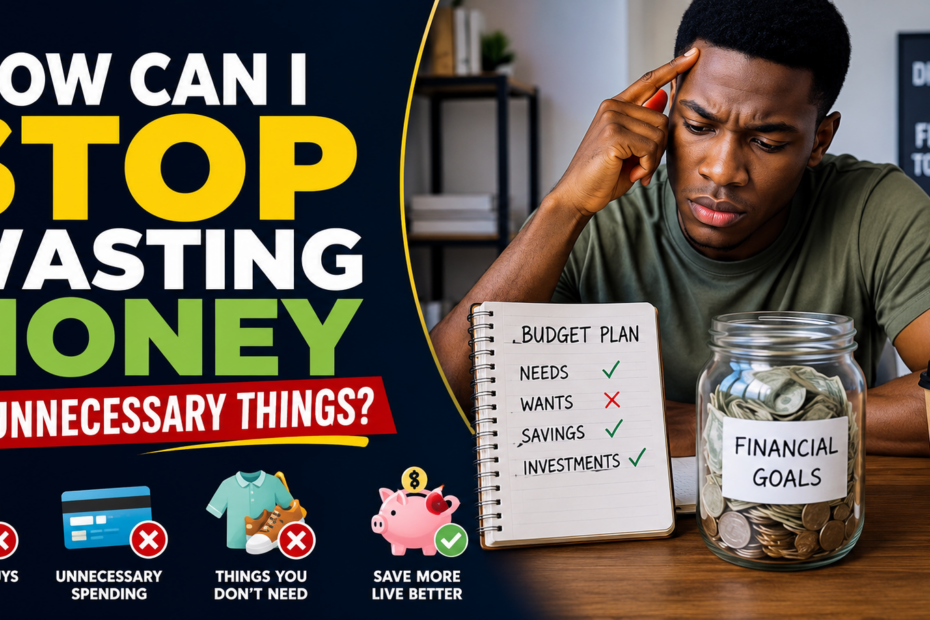
Many people believe wasting money only happens when someone buys expensive cars, designer clothes, or luxury gadgets.
However, money can also disappear through small daily expenses that seem harmless at first.
Buying snacks every day, ordering food when there is food at home, paying for subscriptions you barely use, or purchasing clothes and phones simply because they are trending can slowly drain your income.
These little expenses may not feel serious at the moment, but they can add up to thousands of naira by the end of the month.
This is why many people work hard, earn money, and still wonder where their money goes. The problem is not always low income.
In many cases, it is unplanned spending and buying things that are not truly necessary. Learning how to control these habits can help you save more, reduce financial stress, and use your money for important goals.
What Unnecessary Spending Means
Unnecessary spending is using money on things that are not important or urgently needed at that moment. It does not mean you should never enjoy your money, buy something nice, or treat yourself occasionally.
Everyone deserves comfort, enjoyment, and small rewards after working hard. The problem starts when spending becomes impulsive, too frequent, or more important than your real financial responsibilities.
For example, buying data repeatedly without a plan, spending too much money on betting, ordering food every day when you can cook at home, or buying expensive clothes just to impress friends can affect your finances.
Changing your phone when the old one is still working well is another common example. Many people also buy things simply because they are on sale, even when they did not plan to buy them.
These habits may look small, but they can take money away from more important needs such as food, rent, school fees, savings, debt repayment, family support, or starting a small business. The goal is not to stop enjoying life, but to make sure your money is being used wisely and intentionally.
Why People Waste Money
People do not always waste money because they are careless. In many cases, unnecessary spending is connected to emotions, habits, and pressure from other people.
Someone who feels bored may go shopping or order food just to feel entertained. A person who is stressed, lonely, sad, or frustrated may spend money to feel better for a short time.
Even excitement can lead to careless spending, especially after receiving a salary, bonus, gift, or unexpected payment.
Social media has also made unnecessary spending more common. Every day, people see influencers, celebrities, friends, and strangers showing expensive clothes, new phones, vacations, restaurants, cars, and luxury lifestyles.
This can create pressure to look successful, even when a person cannot truly afford that lifestyle. Some people buy expensive items just to post online or impress others, while ignoring their savings, bills, or important family needs.
Peer pressure can also lead people into spending money they do not have. Friends may encourage someone to attend expensive outings, buy trendy clothes, drink, party, or contribute money just to fit in.
Discounts can be another trap. Seeing “50% off” may make people feel like they are saving money, even when they never planned to buy the item. Understanding these emotional and social triggers is an important step toward making wiser spending decisions.
Track Your Spending to Find Where Your Money Goes
One of the fastest ways to stop wasting money is to know exactly where your money goes. Many people believe they do not spend much, but they are often surprised when they write down every expense.
Small payments made every day can easily go unnoticed, especially when they are made through transfers, debit cards, mobile banking apps, or cash.
For seven days or one full month, make it a habit to record every amount you spend. Include transport, food, airtime, data, snacks, subscriptions, online shopping, betting, small transfers, and any other daily expenses.
You can use a notebook, your phone notes, a spreadsheet, or a budgeting app. The important thing is to be honest and record everything, even the small amounts.
After tracking your spending, look carefully at the areas where most of your money is going. You may discover that buying snacks and drinks for ₦1,000 every day can become about ₦30,000 in one month.
You may also notice that frequent data purchases, food delivery, or unused subscriptions are taking more money than expected. Seeing these numbers clearly can motivate you to reduce unnecessary spending and make better decisions with your income.
Understand the Difference Between Needs and Wants
One important way to stop wasting money is to understand the difference between needs and wants. Needs are the things you require for daily living and survival.
They include food, rent, transport, electricity, healthcare, school fees, basic clothing, and other important household expenses. These are the areas that should come first whenever you receive money.
Wants are things that may be enjoyable but are not urgently necessary. They can often be delayed, reduced, or avoided without causing serious problems.
Examples include expensive fashion items, frequent eating out, buying the latest phone when your current one still works, paying for subscriptions you rarely use, or purchasing luxury items because other people have them.
Before buying anything, pause and ask yourself a few simple questions: “Do I really need this now?” “Can I survive without it?” “Do I already have something similar?” and “Will I regret buying this tomorrow?” These questions can help you slow down and think before spending.
They are especially useful when you feel tempted to buy something suddenly because it is trending, discounted, or recommended by friends. Over time, learning to separate needs from wants can help you make wiser choices, save more money, and avoid impulse buying.
Create a Spending Budget
A spending budget helps you give every naira a purpose before it disappears. Without a budget, it is easy to spend money on small things throughout the week and later wonder why there is little or nothing left.
A budget does not mean you must stop enjoying your money. It simply helps you decide in advance what your money should do for you.
When you receive income, divide it into important categories based on your needs and priorities.
These may include food, transport, rent, electricity and other bills, savings, business expenses, family needs, debt repayment, and personal enjoyment.
Set a realistic spending limit for each category, then try your best not to go beyond it. This can help you avoid using money meant for rent, food, or savings on things that are not necessary.
It is also wise to include a small amount for enjoyment in your budget. For example, instead of spending freely on entertainment, eating out, movies, or personal treats, decide on a fixed weekly amount you can afford.
This allows you to enjoy yourself without feeling guilty or damaging your finances. When spending has limits, you are more likely to stay in control and make better financial decisions.
Use the 24-Hour Rule Before Buying
The 24-hour rule is a simple but powerful way to reduce unnecessary spending. Before buying anything that is not urgent, give yourself at least 24 hours to think about it.
Do not make the purchase immediately, especially when you feel excited, pressured, or tempted by a discount. If the item is expensive, wait for three days, one week, or even longer before deciding.
During that waiting period, ask yourself whether the item is truly useful and whether it fits into your budget.
Think about how often you will use it, whether you already own something similar, and whether buying it will affect your savings, bills, or other important needs. You can also compare prices and look for a more affordable option if you still decide that you need it.
In many cases, the excitement of buying something fades after a few hours or days. What felt like an urgent need may turn out to be something you can live without.
This habit helps you avoid impulse purchases and gives you more control over your money. The more often you practise the 24-hour rule, the easier it becomes to spend wisely and save for things that truly matter.
Avoid Shopping Triggers That Lead to Unnecessary Spending
Certain situations can make it easier to spend money without thinking. These situations are called shopping triggers. A shopping trigger is anything that makes you suddenly feel like buying something you did not plan for or do not truly need.
For some people, it may be scrolling through online shopping apps and seeing attractive discounts. For others, it may be watching lifestyle videos, following influencers, going to the market without a list, carrying too much cash, or spending time with friends who encourage unnecessary spending.
The first step is to identify your personal spending triggers. Think about the times you usually spend money carelessly. Do you shop when you are bored, stressed, excited, or trying to impress others?
Do you buy things after seeing adverts online or when friends invite you to expensive places? Once you understand what triggers your spending, you can take practical steps to reduce it.
For example, you can unsubscribe from promotional messages, turn off shopping app notifications, remove saved bank cards from online stores, and avoid browsing shopping websites when you are not planning to buy anything.
When going to the market or supermarket, go with a written list and focus only on the items you need. These small changes can reduce temptation and help you stay in control of your money.
Save First Before You Start Spending
One of the best ways to stop wasting money is to save immediately after receiving your income. Many people wait until the end of the week or month to save whatever is left, but in most cases, little or nothing remains.
When money is available without a clear plan, it is easy to spend it on snacks, unnecessary shopping, entertainment, betting, or other things that are not important.
A better habit is to save first and spend what remains. As soon as you receive your salary, business profit, allowance, or any other income, move a small amount into a separate savings account, wallet, or safe place.
It does not have to be a large amount. Saving ₦500, ₦1,000, or ₦2,000 every week can make a meaningful difference when you stay consistent.
Having savings gives you more confidence because you know you have something to fall back on during difficult times. It can reduce the need to borrow money when there is an emergency or unexpected expense.
Your savings can also help you prepare for rent, school fees, medical needs, family responsibilities, business opportunities, or important personal goals. The amount may start small, but the habit of saving first can protect your finances and help you build a more secure future.
Practical Ways to Reduce Daily Spending
Reducing daily spending does not always require a major lifestyle change. Small adjustments can help you keep more money without making life difficult.
One practical step is to cook more meals at home instead of buying food every day. You can also carry drinking water and snacks when leaving home so you are less likely to spend money on expensive drinks, snacks, or fast food outside.
Another useful habit is to review your airtime, data, and subscription expenses. Choose a data plan that matches your real needs and cancel subscriptions you rarely use.
When possible, use public transport, share transport costs, or plan your movements well to reduce unnecessary transport expenses.
You can also save money by repairing items that still have value instead of replacing them immediately. For household essentials, buying in bulk may be cheaper than buying small quantities every day, especially when you compare prices from different sellers before making a purchase.
It is also helpful to create “no-spend days.” On these days, avoid buying anything except for real emergencies. You can start with one or two no-spend days each week and gradually make it a regular habit.
No-spend days help you build discipline, reduce impulse buying, and become more aware of how often you spend money without planning. Over time, these small changes can help you save more and gain better control over your finances.
Stop Spending Money to Impress Other People
Many people waste money because they want to appear rich, successful, or important in the eyes of others.
They may buy expensive clothes, change phones too often, borrow money for parties, spend heavily at outings, or purchase things they cannot truly afford just to impress friends, family members, or people on social media. While this may bring temporary attention or praise, it can also lead to debt, stress, and regret later.
Real financial progress is more important than looking wealthy. A person may look successful on the outside but still struggle to pay rent, buy food, settle bills, or save for emergencies.
There is no benefit in trying to impress people if it leaves you financially unstable. The people who truly care about you should not expect you to spend money you do not have just to prove your value.
Instead of competing with others, focus on your own financial goals. Use your money to build a better future by saving regularly, learning a valuable skill, starting a small business, paying off debt, or investing in something useful.
These choices may not always look impressive to others immediately, but they can create long-term stability and freedom. Remember that being financially responsible is more valuable than trying to maintain an expensive lifestyle for appearances.
Conclusion
Stopping unnecessary spending does not mean you must live a boring, difficult, or unhappy life. It simply means becoming more intentional with your money and making sure every naira is used for something that truly matters.
You can still enjoy yourself, buy things you need, and treat yourself occasionally, but your spending should not prevent you from meeting important responsibilities or reaching your financial goals.
Every naira you save from unnecessary snacks, impulse purchases, unused subscriptions, expensive outings, or items bought to impress others can be used for something more meaningful.
It can help you build an emergency fund, pay off debt, support your family, prepare for rent or school fees, start a small business, or invest in learning a valuable skill.
The journey to better money habits begins with small decisions. Before spending, pause and ask yourself whether the purchase is necessary, planned, and worth the money.
When you learn to control small daily expenses, you create more room for savings, opportunities, and a more secure financial future.
Frequently Asked Questions
How to Stop Spending Money on Unnecessary Stuff
Stopping unnecessary spending starts with knowing the difference between a need and a want. A need is something important for your daily life, such as food, transport, rent, electricity, school fees, medication, or basic clothing.
A want is something you can live without, such as buying expensive clothes because others are wearing them, ordering food when you already have food at home, subscribing to apps you hardly use, or buying items simply because they are on sale.
Before spending money, give yourself a short waiting period. For small purchases, wait at least 24 hours. For more expensive items, wait for several days or even a week.
This simple habit helps you separate real needs from temporary excitement. Many people buy things because they feel bored, stressed, pressured by friends, or influenced by social media. After some time, they discover that the item was not necessary.
It is also helpful to create a spending limit for yourself. For example, decide how much money you can use each week for snacks, outings, data, clothes, entertainment, or online shopping.
Once that amount finishes, do not take money from your savings or money meant for important needs. Carrying only the amount you planned to spend can also reduce impulse buying.
How to Avoid Wasting Money on Useless Things
One effective way to avoid wasting money is to track every naira you spend. Write down your daily expenses in a notebook, on your phone, or in a budgeting app.
At the end of each week, check where your money went. You may discover that small expenses such as snacks, drinks, betting, unnecessary transport, data subscriptions, and random online purchases are taking a large part of your income.
Avoid shopping when you are hungry, emotional, bored, or trying to impress people. These situations can make you spend money without thinking properly.
Learn to say no when friends invite you to spend money you cannot afford. You do not need to copy another person’s lifestyle, especially when your income is different from theirs.
What Is the 7-7-7 Rule for Money?
The 7-7-7 rule is a simple spending method that encourages you to pause before buying something unnecessary. Before making a purchase, ask yourself whether you will still want or value that item in 7 days, 7 weeks, and 7 months. If the answer is no, it may not be worth spending your money on.
This rule is especially useful for clothes, gadgets, subscriptions, expensive outings, and items bought because of pressure or excitement. It helps you focus on long-term financial goals instead of short-term satisfaction.
The money you save from unnecessary spending can be used for emergencies, business, debt repayment, education, investment, or important family needs.
What Is the Root Cause of Overspending?
The root cause of overspending is usually not lack of money alone. It is often a lack of planning, self-control, and awareness of where money is going.
Many people spend more than they should because they do not have a clear budget. When there is no plan for income, money can disappear through small daily expenses such as snacks, transport, airtime, data, online subscriptions, betting, clothes, eating outside, and buying things to impress others.
Emotions can also cause overspending. Some people spend money when they are stressed, bored, sad, excited, or under pressure from friends.
Social media can make the problem worse because people see others showing expensive clothes, phones, cars, outings, and lifestyles. This can create the feeling that they must also spend money to look successful. Learning to be content and focusing on personal financial goals can help reduce this pressure.
What Are the Top Three Biggest Expenses?
For many people, the three biggest expenses are housing, food, and transportation. Housing includes rent, repairs, electricity, water, and other household bills.
Food can become expensive when someone buys meals outside every day instead of cooking at home. Transportation includes fuel, bus fares, bike fares, car repairs, and daily movement to work, school, or business.
These expenses are important, but they can still be controlled. You can reduce food costs by planning meals, buying groceries in bulk, and avoiding unnecessary snacks.
Transport costs can be reduced by combining errands, using cheaper routes when safe, or avoiding unnecessary trips. Housing costs may be managed by living within your income and avoiding rent that leaves you with little money for other needs.
What Is the 30/30/30/10 Rule?
The 30/30/30/10 rule is a simple way to divide your income. You can use 30% for essential needs such as food, rent, transport, and bills.
Another 30% can go toward savings, investment, debt repayment, or business capital. The next 30% can support family responsibilities, education, personal development, or other important goals. The remaining 10% can be used for enjoyment, gifts, entertainment, or unexpected small expenses.
This rule may not work perfectly for everyone, especially when income is low or irregular. However, it teaches an important lesson: every naira should have a purpose before it is spent.
Ten Things You Can Do to Save Money
You can save money by creating a weekly spending plan and tracking every expense. Avoid buying things immediately; wait before making non-essential purchases.
Cook more meals at home instead of buying food outside often. Cancel subscriptions you do not use. Carry a shopping list so you do not buy random items. Set aside savings immediately after receiving money, even if it is only ₦500 or ₦1,000.
You can also reduce spending by avoiding debt for unnecessary things, limiting expensive outings, comparing prices before buying, repairing useful items instead of replacing them quickly, and keeping emergency money separate from your daily spending money.
Saving money is not about suffering or refusing every enjoyment. It is about choosing what matters most and making sure your money supports your future instead of disappearing on useless things.
What Is the 30-Day Rule to Save Money?
The 30-day rule is a simple method for controlling impulse spending.
Whenever you want to buy something that is not essential, such as new clothes, a phone accessory, expensive shoes, a gadget, furniture, or an online item, wait for 30 days before buying it.
During that period, do not rush to pay for it, borrow money for it, or use money meant for food, rent, transport, savings, or business.
After 30 days, ask yourself if you still need the item. Many times, the excitement will reduce and you may realize that the item was only a temporary desire.
If you still want it after 30 days and you can afford it without affecting your important responsibilities, then you can buy it. This rule helps you spend with intention instead of emotions.
What Is the 3-6-9 Rule of Money?
The 3-6-9 rule of money is commonly used as an emergency savings guide. It means saving enough money to cover your essential expenses for three months, then building it up to six months, and finally aiming for nine months if possible.
Essential expenses include rent, food, electricity, transport, school needs, medication, loan payments, and basic family responsibilities.
For example, if your important monthly expenses are ₦100,000, your first goal is to save ₦300,000. After reaching that point, work toward ₦600,000 and later ₦900,000.
This money should be kept separately and used only for emergencies such as job loss, illness, urgent repairs, or a serious family problem. It should not be used for parties, new clothes, entertainment, or regular shopping.
What Are the Four Types of Spending?
The four common types of spending are essential spending, discretionary spending, debt spending, and investment spending.
Essential spending covers necessary items such as food, rent, transport, electricity, water, school fees, and healthcare. Discretionary spending covers things you enjoy but can live without, such as eating out, entertainment, expensive fashion, subscriptions, and unnecessary shopping.
Debt spending happens when you use borrowed money, loans, credit, or “buy now, pay later” services to purchase things. This can become dangerous when the money is used for wants instead of useful needs.
Investment spending is money used to improve your future, such as starting a business, buying tools for work, learning a skill, saving, or investing in a legitimate opportunity.
How to Stop Struggling Financially
Stopping financial struggle begins with knowing your exact income and expenses. Write down every source of income and every amount you spend.
This will help you identify where your money is leaking. Reduce unnecessary expenses first, especially spending done to impress people, frequent eating outside, gambling, expensive subscriptions, and buying things without a plan.
Try to increase your income by learning a skill, selling a product, offering a service, freelancing, or starting a small side business. Saving is important, but earning more can also make a major difference.
Avoid borrowing for unnecessary things, pay off high-interest debt gradually, and build a small emergency fund. Even saving ₦500 or ₦1,000 regularly can create discipline and protect you from borrowing during emergencies.
Is Overspending an Illness?
Overspending is not automatically an illness. In many cases, it is a financial habit caused by poor planning, emotional spending, peer pressure, social media influence, lack of budgeting, or easy access to loans and credit.
However, overspending can become serious when a person feels unable to control buying, hides purchases, borrows repeatedly to shop, lies about spending, or continues spending even when it causes debt, family conflict, or serious financial problems.
In some situations, compulsive buying may be connected to mental health challenges, stress, depression, anxiety, or mood changes. If someone’s spending feels completely out of control and is damaging their life, speaking with a qualified mental-health professional or financial counsellor can be helpful.