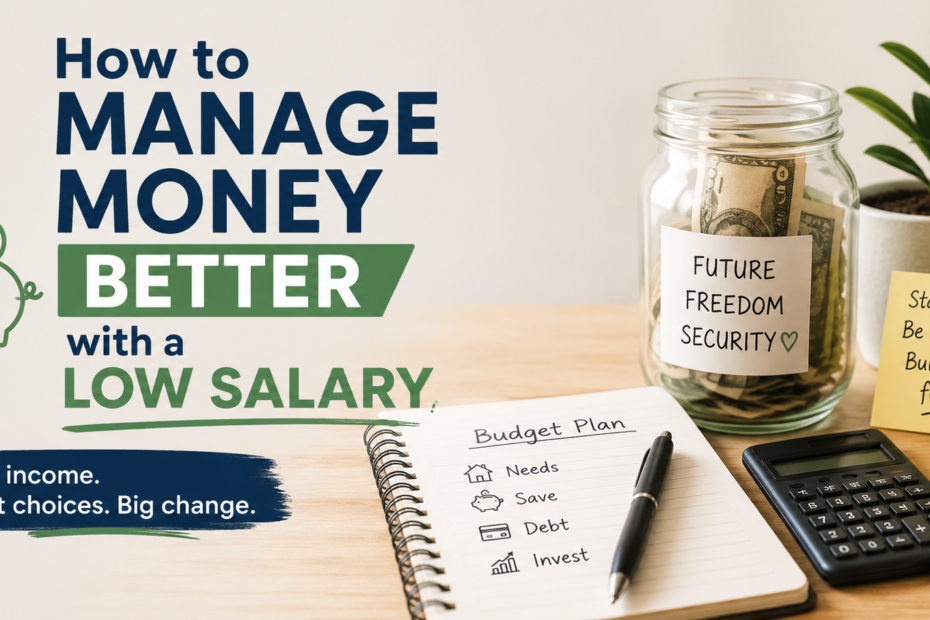
Many people struggle with money management because they focus only on their salary figure instead of what is actually available to spend.
Your “net usable income” is the real amount you can control after unavoidable deductions and daily survival costs.
From transport fares to feeding, airtime, data subscriptions, debt repayments, and small daily spending, a large part of your salary disappears before you even notice it.
These small expenses may look harmless, but they quietly reduce your financial strength over time. For example, spending ₦500 daily on unnecessary items can add up to a significant amount by the end of the month.
When you understand your real income, you begin to see your financial situation more clearly.
This awareness helps you make better decisions, plan realistically, and avoid overestimating what you can afford. True money management starts with honesty about what is actually left after expenses.
Create a Simple Zero-Based Budget
A zero-based budget means giving every naira you earn a specific job before the month even begins, so that your income minus your planned expenses equals zero.
Instead of wondering where your money went, you decide in advance where it should go. Start by dividing your income into simple categories: needs, wants, savings, and an emergency buffer.
Needs include rent, food, transport, and essential bills. Wants cover things like entertainment, eating out, or non-essential shopping.
Savings should be treated as a priority, not what is left over, while an emergency buffer helps you prepare for unexpected expenses.
The goal is not to use complicated budgeting apps or spreadsheets, but to keep it simple enough that you can stick to it every month.
When every naira has a purpose, you gain control over your spending and reduce waste. This method helps even low-income earners stay financially organized and intentional.
Separate Needs from Wants
One of the most important steps in managing money on a low salary is clearly separating needs from wants.
Needs are the essentials you cannot avoid, such as rent, transport, basic food, electricity, and data required for work or communication.
Wants are the things that make life enjoyable but are not urgent, such as eating out, entertainment subscriptions, upgrading gadgets, or buying trendy clothes.
For example, choosing a data subscription for work over multiple entertainment apps is a need-based decision.
Cooking at home instead of frequently eating outside also saves a significant amount over time. Similarly, buying durable, essential clothing is more important than frequently chasing fashion trends.
These small daily choices may look minor, but they accumulate into large savings by the end of the month.
When you consistently prioritize needs over wants, you gain better control of your finances and avoid unnecessary financial stress.
Use the “Pay Yourself First” Rule
The “Pay Yourself First” rule means you should save a portion of your salary immediately after you receive it, before spending on anything else.
Even if the amount is small, such as 5% to 10% of your income, it builds a strong financial habit over time.
The idea is to treat savings like a fixed expense, just like rent or transport, instead of something you only do if money remains at the end of the month.
Many people fail to save because they wait until month-end, but by that time, all the money has already been spent on needs and wants.
This often results in zero savings and repeated financial struggle. By prioritizing savings first, you protect your future before present expenses take control.
Over time, these small consistent savings grow into financial security and give you confidence in handling emergencies or opportunities without stress.
Control Lifestyle Inflation
Lifestyle inflation happens when your spending increases every time your income increases. Instead of improving financial stability, many people end up upgrading their lifestyle immediately after getting a salary raise.
This often shows up in buying more expensive clothes, moving to higher-cost housing, eating out more, or upgrading gadgets that are not really necessary.
A major cause of this behavior is peer pressure—people want to match what their friends or colleagues are doing.
Social media also makes it worse by constantly displaying expensive lifestyles that create a false sense of urgency to “keep up appearances.”
Over time, this pattern prevents real financial progress because extra income never translates into savings or investments.
To control lifestyle inflation, you need to maintain your basic spending level even when your income grows and intentionally direct extra money toward savings and long-term goals instead of lifestyle upgrades.
Build Micro-Savings Habits
Building micro-savings habits is one of the easiest ways to develop financial discipline, especially when you have a low salary.
Instead of waiting to save a large amount, you focus on small and consistent savings such as ₦200–₦500 daily or a fixed weekly target.
These small amounts may look insignificant at first, but they accumulate into a meaningful sum over time.
Another effective method is round-up savings, where you save the spare change from your daily transactions or set aside small leftovers from spending.
The key idea is consistency rather than the size of the amount. Even on tight income months, you can still save something because the habit matters more than the value.
When you build micro-savings into your routine, saving becomes automatic and less stressful. Over time, this discipline strengthens your financial stability and prepares you for bigger financial goals.
Reduce Fixed Expenses Where Possible
One of the fastest ways to manage money better on a low salary is to reduce your fixed expenses wherever possible.
These are the regular costs that take a large portion of your income, such as rent, transport, food, and utility bills.
For rent, consider options like sharing accommodation with trusted roommates or moving to a more affordable area that still meets your basic needs.
Transport costs can also be reduced by using more economical routes, public transportation, or planning your trips better to avoid unnecessary movement.
Cooking at home instead of eating out frequently can save a significant amount of money over time while also improving your health.
Buying food items and household supplies in bulk is another smart way to reduce costs per unit. Additionally, don’t hesitate to negotiate bills or look for cheaper service alternatives where possible.
Small adjustments in these fixed expenses can free up extra money that can be redirected toward savings or emergency funds.
Avoid Debt Traps
Avoiding debt traps is essential when managing money on a low salary because borrowing for consumption often creates more problems than it solves.
When you take loans for things like food, rent, gadgets, or lifestyle spending—rather than for income-generating investments—you are simply spending future money today.
This usually leads to a cycle of stress where part of your next salary is already gone before it arrives.
Salary loans and high-interest lending apps make this even worse because their repayment terms and interest rates can quickly increase your financial burden.
What starts as a small loan can grow into a long-term struggle, leaving you with less money to meet basic needs.
Instead of relying on debt to survive monthly pressure, it is better to adjust spending, prioritize essentials, and build emergency savings gradually. True financial stability comes from controlling expenses, not borrowing to cover them.
Side Income
While managing money on a low salary is important, increasing your income can make financial stability much easier.
This is where side income becomes a powerful option. You don’t need to start something big or expensive—small, skill-based hustles can go a long way.
For example, freelancing allows you to earn from skills like writing, graphic design, or social media management.
Reselling is another simple option where you buy products at a lower price and sell them for profit within your community or online.
Tutoring students in subjects you are good at can also provide steady extra income. In addition, learning digital skills such as content creation, basic web design, or virtual assistance can open more opportunities over time.
The goal is not to overwhelm yourself but to gradually add an extra stream of income that supports your main salary. Even a small side hustle can reduce financial pressure and help you save faster.
Build an Emergency Fund Slowly
Building an emergency fund is one of the most important steps in achieving financial stability, even when your salary is low.
An emergency fund is simply money set aside for unexpected situations such as medical bills, urgent repairs, job delays, or sudden family needs.
Without it, many people are forced to borrow money or take loans, which can lead to long-term financial stress.
The good news is that you don’t need a large amount to start. Even small, consistent savings over time can create a reliable safety net.
The key is to start slowly and stay consistent, no matter how small the amount may be.
When emergencies happen—and they will—this fund prevents financial collapse by giving you immediate access to cash without depending on debt.
It also brings peace of mind because you are better prepared for life’s uncertainties. Over time, your emergency fund grows into a strong financial cushion that protects your income and supports your stability.
Conclusion
Managing money on a low salary is not mainly about how much you earn, but how well you structure what you already have.
Many financial struggles come from a lack of planning, discipline, and intentional spending rather than insufficient income alone.
When you learn to budget properly, separate needs from wants, save first, and avoid unnecessary debt, even a small salary can be enough to sustain you and gradually build stability.
The key lesson is that consistency always beats income size. Small actions done regularly—such as saving a little, controlling expenses, and building better habits—create long-term financial progress.
Over time, structure transforms limited income into a tool for growth instead of stress. Low salary is only a challenge when there is no system in place; with the right structure, it becomes manageable and even empowering.
Frequently Asked Questions
How to Save Money as a Small Salary Earner
Saving money on a small salary can feel difficult, but it becomes achievable when you apply structure, discipline, and intentional spending habits.
The first step is to treat savings like a fixed expense instead of something you do only when money is left.
Even if the amount is small, consistently setting aside a portion of your income builds financial discipline and long-term stability. The key is consistency, not size.
A practical approach is to prioritize needs over wants. When income is limited, every expense must be questioned.
Needs like food, transportation, rent, and basic utilities should come first, while non-essential spending such as impulse purchases, frequent eating out, and unnecessary subscriptions should be reduced or eliminated. Small adjustments in daily spending often lead to significant savings over time.
Another important strategy is tracking your money. Many low-income earners struggle financially not because they earn too little, but because they don’t know where their money goes.
Writing down expenses or using a simple budgeting app can help identify wasteful spending patterns. Once you see the leaks, you can fix them.
You can also explore additional income sources, even small ones like freelancing, side businesses, or selling skills online. Increasing income, even slightly, makes saving easier.
Ultimately, saving on a small salary is about discipline, prioritization, and making intentional financial decisions every day.
What is the 7 7 7 Rule for Money?
The 7-7-7 rule for money is a simple personal finance guideline used to encourage balance between spending, saving, and investing.
While different interpretations exist, a common version suggests dividing your income into three equal parts or structured categories that promote financial discipline and growth.
In one interpretation, the rule means allocating money into three 7% or balanced segments focused on short-term needs, savings, and long-term investments. A
nother version is more behavioral, encouraging individuals to think in cycles of seven—such as reviewing finances every seven days, saving every seven days, and setting seven financial goals or habits.
The purpose of the 7-7-7 rule is not strict mathematics but discipline and structure. It reminds people to avoid spending all their income at once and instead create a balanced system where money is consistently managed.
It encourages regular financial check-ins, which help reduce impulsive spending and improve awareness of financial habits.
While not as standardized as the 50/30/20 rule, the 7-7-7 rule is useful for beginners who need simple financial structure.
It builds awareness, encourages consistency, and helps people develop better money habits over time. The key idea behind it is control, balance, and routine financial planning.
How to Be Financially Stable with Low Income
Being financially stable with low income is possible, but it requires discipline, structure, and smart decision-making.
Financial stability does not depend only on how much you earn but how well you manage what you already have.
The first step is to create a strict budget that prioritizes essential needs and eliminates unnecessary expenses. Stability begins when spending is controlled and predictable.
Another important factor is avoiding debt traps. When income is low, borrowing money for non-essential items can quickly create financial pressure.
If debt already exists, focusing on gradual repayment is essential to regain control. Living within or below your means is the foundation of financial stability.
Building even a small emergency fund is also important. Having a little money saved for unexpected situations prevents you from falling into financial crisis when emergencies occur.
Over time, small consistent savings can grow into a reliable safety cushion.
Increasing financial stability also involves improving income gradually. This can be done through skill development, side hustles, or better job opportunities.
Even small increases in income can significantly improve financial breathing space.
Ultimately, financial stability with low income comes from discipline, patience, and smart planning. It is about making intentional choices that protect your financial future, even when resources are limited.
How to Deal with a Low Salary
Dealing with a low salary requires both financial discipline and a proactive mindset. The first step is accepting your current financial situation while focusing on how to improve it.
Instead of comparing yourself to others, it is more productive to focus on managing your income effectively.
A major strategy is prioritizing essential expenses and cutting unnecessary spending. Many financial struggles come from lifestyle habits that do not match income levels.
When you align your lifestyle with your salary, financial stress reduces significantly.
Another important step is learning new skills that can increase your earning potential. A low salary does not have to remain permanent if you invest time in self-development.
Skills like digital marketing, tech skills, or freelancing can open doors to additional income streams.
It is also helpful to create multiple sources of income. Relying on only one salary can be risky and limiting. Small side incomes, even if modest at first, can gradually improve your financial situation.
Finally, emotional control is important. A low salary can create frustration, but making impulsive financial decisions often worsens the situation. Discipline, patience, and planning are essential for long-term improvement.
What are the 7 Pillars of Financial Success?
The 7 pillars of financial success represent key principles that support long-term wealth building and financial stability. These pillars guide how individuals earn, manage, and grow their money effectively.
The first pillar is earning, which focuses on developing skills and income sources. Without income, financial growth cannot begin.
The second pillar is saving, which ensures that a portion of income is consistently set aside for future use. Savings create financial security and emergency protection.
The third pillar is budgeting, which helps control spending and ensures money is allocated wisely.
The fourth pillar is investing, which allows money to grow over time through assets like stocks, real estate, or businesses. Investing is essential for long-term wealth creation.
The fifth pillar is debt management, which involves using debt responsibly and avoiding unnecessary financial burdens.
The sixth pillar is financial education, which ensures continuous learning about money, markets, and economic behavior.
The seventh pillar is protection, which includes insurance, emergency funds, and risk management strategies that safeguard financial progress.
Together, these seven pillars form a complete system for financial success. They work best when applied consistently over time, helping individuals build wealth, maintain stability, and achieve financial independence.
How to Spot a Silent Millionaire
A silent millionaire is someone who has significant wealth but does not display it openly.
Spotting such a person is not about looking for luxury or flashy items, because silent millionaires often avoid showing off. Instead, you identify them through patterns of behavior, mindset, and financial discipline.
One common sign is simplicity in lifestyle. Silent millionaires often live in modest homes, drive normal or practical cars, and avoid unnecessary luxury spending.
They focus more on comfort and efficiency than status symbols. Their goal is financial security, not public attention.
Another indicator is financial discipline. They tend to make decisions based on long-term value rather than emotional desires.
Instead of spending money to impress others, they prioritize investments, savings, and business growth. They are often very intentional with how they use money.
You may also notice that they are not easily influenced by trends. Silent millionaires rarely follow expensive lifestyle trends or social pressure.
They prefer privacy and avoid discussing their wealth openly. Even in conversations, they may downplay their financial status.
Another key sign is multiple income streams. Many silent millionaires earn money from different sources such as businesses, investments, or assets rather than relying on a single salary. However, this is usually not obvious from their appearance.
Ultimately, silent millionaires are defined more by what they avoid—showing off, overspending, and emotional financial decisions—than by what they display.
Their wealth is usually seen in their financial independence rather than outward luxury.
How to Save 1K in 30 Days
Saving 1,000 in 30 days is achievable with a clear plan, discipline, and small daily financial adjustments.
The key is breaking the goal into manageable daily or weekly targets instead of trying to save all at once. For example, saving around 33–35 per day can help you reach the target gradually without stress.
The first step is to track your spending for a few days to identify unnecessary expenses.
Many people spend small amounts daily on things like snacks, transportation upgrades, or impulse purchases without realizing how quickly it adds up. Cutting or reducing these small expenses can free up money for savings.
Another effective method is the “save first” approach. As soon as you receive any income, immediately set aside your savings before spending anything.
This removes the temptation to spend what you planned to save. Even small automatic transfers or physical cash separation can help.
You can also create mini-challenges, such as no unnecessary spending days or cooking at home instead of buying food. Small lifestyle adjustments can significantly increase your savings ability over 30 days.
If possible, consider small side earnings during the month, such as selling items you no longer need or offering simple services. Combining reduced spending with small extra income makes the goal easier to achieve.
The most important factor is consistency. Saving 1K in 30 days is not about how much you earn, but how disciplined you are with small daily decisions.
What are the 7 Pillars of Wealth
The 7 pillars of wealth are foundational principles that support long-term financial growth, stability, and independence. These pillars work together to help individuals build, protect, and multiply their money over time.
The first pillar is income generation, which focuses on developing skills and creating reliable sources of income. Without income, wealth cannot be built.
The second pillar is saving, which ensures that a portion of earnings is consistently set aside for future use and emergencies.
The third pillar is budgeting, which helps control spending and ensures money is allocated wisely instead of being wasted.
The fourth pillar is investing, which allows money to grow through assets such as stocks, businesses, and real estate.
The fifth pillar is financial education, which involves continuously learning how money works, including taxes, inflation, and investment strategies. Knowledge reduces financial mistakes and improves decision-making.
The sixth pillar is risk management, which includes insurance, diversification, and emergency funds that protect wealth from unexpected events. Without protection, wealth can be easily lost.
The seventh pillar is discipline and mindset. Wealth building requires consistency, patience, and emotional control. Many people fail financially not because they lack opportunities, but because they lack discipline.
Together, these seven pillars create a strong financial foundation. When applied consistently, they help individuals move from financial instability to long-term wealth and independence.
What is the 3 Rule Money?
The “3 rule money” is a simplified financial guideline that is interpreted in different ways depending on context, but it generally focuses on dividing income or financial decisions into three structured parts.
One common interpretation is dividing money into spending, saving, and investing categories to maintain balance and control.
In this approach, a portion of income is used for daily living expenses, another portion is reserved for savings, and the final portion is allocated to investments or long-term financial growth. This helps prevent overspending while ensuring that money is still growing over time.
Another interpretation of the 3-rule concept is related to financial decision-making.
It encourages individuals to think in threes before making major money decisions: consider the short-term impact, the medium-term effect, and the long-term consequences. This helps reduce impulsive financial choices.
The idea behind the 3 rule money is simplicity. Many people struggle with complex budgeting systems, so breaking money management into three clear categories makes it easier to follow and maintain consistently.
While it is not a strict financial law, it is a useful mental framework for beginners who want to gain control over their finances.
The core message is balance—do not spend everything, do not save everything without purpose, and do not ignore investing for future growth.
How to Survive on a Small Salary
Surviving on a small salary requires discipline, prioritization, and smart financial habits. The first step is to clearly distinguish between needs and wants.
Needs like food, shelter, transportation, and basic utilities must always come first, while non-essential spending should be reduced or eliminated when income is limited.
Creating a strict budget is essential. When you assign every part of your salary a purpose before spending it, you reduce waste and gain better control of your finances. Even small salaries can stretch further when managed carefully.
Another important strategy is avoiding unnecessary debt. Borrowing money for lifestyle expenses can quickly create financial pressure. If debt already exists, focusing on repayment should become a priority.
You should also look for ways to reduce fixed expenses. This may include finding cheaper transportation options, sharing accommodation, or buying more affordable alternatives for daily needs. Small adjustments can significantly improve financial breathing room.
Increasing income, even slightly, can make a big difference. Side jobs, freelancing, or skill-based work can supplement a low salary and reduce financial stress.
Finally, emotional discipline is very important. Living on a small salary can be challenging, but making impulsive decisions worsens the situation.
With patience, planning, and consistency, it is possible to not only survive but gradually improve financial stability over time.
How to Save 10K in 3 Months
Saving 10,000 in 3 months is achievable when you break the goal into smaller, manageable targets and apply strict financial discipline.
Instead of seeing it as a large amount, you can divide it into monthly and weekly goals. For example, saving about 3,300 per month or roughly 825 per week makes the target more realistic and less overwhelming.
The first step is to analyze your income and identify non-essential spending. Many people underestimate how much they spend on small daily habits such as snacks, transport upgrades, impulse buying, or subscriptions.
Cutting back on these expenses alone can free up a significant portion of money for savings.
Another effective strategy is the “pay yourself first” method. As soon as you receive your income, immediately set aside your savings before spending on anything else.
This prevents the temptation to use the money for other things. Even using a separate savings account or envelope system can help build discipline.
You can also increase your income slightly through side hustles. Small earnings from freelancing, selling items, or offering services can make it easier to reach your target faster. Combining reduced spending with extra income gives the best results.
Consistency is the most important factor. Saving 10K in 3 months is not about earning a huge salary but about making intentional financial decisions every day. Small sacrifices now lead to better financial control later.
What is the 50 30 20 Rule?
The 50/30/20 rule is a simple budgeting method that helps people manage their income effectively by dividing it into three main categories.
It is widely used because it is easy to understand and works for both beginners and experienced earners.
According to the rule, 50% of your income should go to needs. These include essential expenses such as rent, food, transportation, utilities, and basic obligations that are necessary for daily living. This portion ensures your survival and financial stability.
The next 30% is allocated to wants. These are non-essential expenses such as entertainment, eating out, shopping, subscriptions, and lifestyle choices. This category allows you to enjoy life while still maintaining financial control.
The remaining 20% is reserved for savings and debt repayment. This portion is crucial for building financial security, emergency funds, and long-term investments. It helps you prepare for the future and avoid financial emergencies.
The strength of the 50/30/20 rule is its simplicity. It gives structure to your finances without being too complicated.
However, it can be adjusted depending on income level. For example, low-income earners may need to allocate more than 50% to needs.
Overall, the rule teaches balance between living today and securing tomorrow, making it a strong foundation for financial discipline.
How to Make 10K in 30 Days
Making 10,000 in 30 days requires a combination of creativity, skill, and consistent effort. Since the goal is short-term, relying only on salary may not be enough, so side income becomes very important.
One effective approach is freelancing or skill-based work. If you have skills like writing, graphic design, social media management, or basic tech services, you can offer them online or within your local community. Even small gigs can quickly add up over a month.
Another method is buying and reselling items. This involves purchasing products at a lower price and selling them at a profit.
It could be clothes, gadgets, food items, or trending goods in your area. Small but frequent profits can help you reach your target.
You can also offer simple local services such as tutoring, cleaning, delivery, or assistance work depending on your environment. These do not require large capital but can generate steady daily income.
Cutting expenses is also part of “making money” because money saved is money earned. Reducing unnecessary spending helps you retain more of your income, making it easier to reach your goal.
The key to making 10K in 30 days is consistency and action. Even small daily earnings of 300–400 can accumulate quickly when managed properly.
What is the 3 Jar Method?
The 3 Jar Method is a simple money management system that helps individuals organize their income into three clear categories.
It is designed to encourage discipline, saving habits, and financial awareness without complicated budgeting systems.
The first jar is the spending jar. This is where money for daily needs and lifestyle expenses goes. It includes food, transportation, bills, and other necessary costs. This jar ensures that your basic needs are always covered.
The second jar is the saving jar. This portion of money is set aside for emergencies, future plans, or financial security. The goal of this jar is to build a safety net that protects you from unexpected expenses.
The third jar is the investment jar. This is where money is used to grow wealth over time. It may include investing in business, stocks, or any income-generating opportunity that can multiply your money in the future.
The strength of the 3 Jar Method lies in its simplicity. Instead of overthinking complex financial systems, it allows you to visually and practically separate your money. This makes it easier to control spending and develop better financial habits.
Over time, this method helps people become more disciplined, reduce financial stress, and build both short-term stability and long-term wealth.
How to Save 20K in 100 Days
Saving 20,000 in 100 days is achievable with a clear plan, discipline, and consistent daily habits.
To reach this goal, you need to save about 200 per day or adjust based on your income flow. Breaking it down into small daily or weekly targets makes it easier to manage.
The first step is to create a strict spending plan. Identify all your essential and non-essential expenses. Focus only on needs and reduce or eliminate unnecessary spending such as impulse purchases, eating out, or entertainment costs.
Another powerful strategy is automating your savings. As soon as you receive money, immediately set aside your savings portion before spending anything. This helps remove temptation and builds consistency.
You can also increase your income through small side activities. Even modest earnings from selling items, freelancing, or offering services can help you reach your goal faster and reduce pressure on your main income.
Tracking your progress is also important. When you monitor your savings daily or weekly, you stay motivated and avoid unnecessary spending mistakes.
The key to saving 20K in 100 days is consistency. It is not about how much you earn at once, but how disciplined you are in managing small amounts over time.
How to Make 100K in 30 Days
Making 100K in 30 days is an aggressive financial goal that is usually only realistic if you combine high-income skills, strong sales ability, business scaling, or access to profitable opportunities.
It is not something that can be achieved through salary alone in most cases, so it often requires active income generation strategies rather than passive methods.
One of the most effective approaches is leveraging high-demand skills. Skills such as digital marketing, video editing, web development, copywriting, or social media management can generate large income quickly if you find clients willing to pay per project.
In some cases, freelancers earn significant amounts within a short time by taking multiple high-value gigs.
Another method is product selling or flipping. This involves buying goods at a lower price and reselling them at a higher price.
Items like electronics, fashion products, or trending goods can move quickly in the market if you understand demand. With the right strategy and fast turnover, profits can accumulate rapidly.
Business scaling is another powerful route. If you already have a small business, focusing on aggressive marketing, increasing customer reach, and reinvesting profits can help multiply earnings within a short period. However, this requires strong execution and market demand.
It is important to understand that making 100K in 30 days is high risk and not guaranteed. It requires skill, timing, effort, and sometimes luck.
A more realistic mindset is to focus on building systems that can consistently generate income rather than chasing one-time results.
How to Save 1K in 6 Months
Saving 1,000 in 6 months is a very manageable goal, even with a low income, because it only requires saving a small amount consistently over time.
To achieve this, you can break it down into monthly and weekly targets. For example, saving about 167 per month or around 40–45 per week makes it easy to stay on track.
The first step is to identify small expenses that can be reduced. Many people spend small amounts daily on non-essential items without noticing.
Cutting just a few unnecessary purchases each week can easily free up enough money to meet your target.
Another useful strategy is automatic saving. As soon as you receive any money, set aside your savings immediately before spending anything else. This prevents the temptation to use it elsewhere and builds discipline over time.
You can also use physical methods like envelopes or separate savings accounts to keep your money untouched. Seeing your savings grow gradually can also motivate you to continue.
If possible, adding small extra income sources can make the process even easier. Simple side activities like selling small items or offering basic services can help you reach your goal faster without stress.
The most important factor is consistency. Saving 1,000 in 6 months is not about how much you earn, but how disciplined you are with small, regular contributions over time.
How to Save 100K Fast
Saving 100K fast requires a combination of strong discipline, aggressive cost-cutting, and increased income.
It is not something that usually happens through normal saving alone, especially if income is limited. Instead, it requires a focused financial strategy.
The first step is to drastically reduce unnecessary spending. This means prioritizing only essential needs such as food, transport, rent, and basic utilities.
Lifestyle spending must be reduced significantly or temporarily paused to accelerate savings.
The second strategy is increasing income. This is often the fastest way to reach large savings goals.
You can do this by taking extra jobs, freelancing, selling products, or starting a small business. The more income streams you have, the faster you can accumulate savings.
Another important method is setting strict savings targets. Instead of saving randomly, you create a fixed plan such as daily or weekly savings goals and treat them as non-negotiable.
Avoiding debt is also critical. Any borrowed money can slow down your progress and reduce your ability to save consistently. Staying debt-free helps you maintain full control of your income.
Ultimately, saving 100K fast requires sacrifice, discipline, and focus. It often involves temporary lifestyle adjustments combined with aggressive saving and income growth strategies.