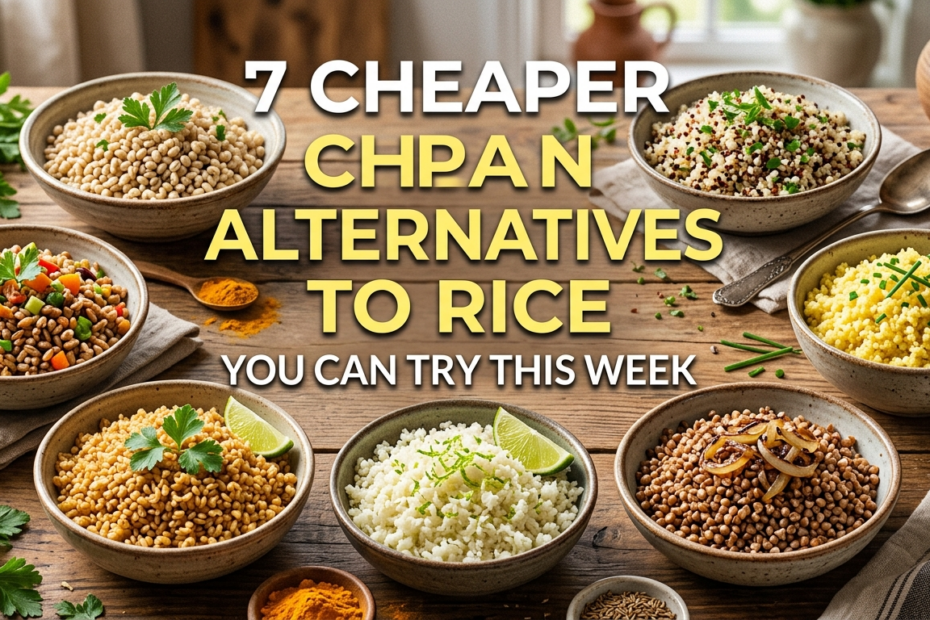
Rice has been a go-to meal for many households for years, but lately, the rising cost of rice in markets has made it harder for families to keep up.
As food prices continue to climb, it’s important to find cheaper, equally satisfying options. Beyond just saving money, switching up your meals can also bring more variety to your diet, which is great for your health and taste buds.
The good news is that there are several foods that are not only more affordable than rice but also nutritious, filling, and easy to prepare.
In this article, we’ll explore 7 budget-friendly rice alternatives you can try this week without compromising on taste or satisfaction.
7 Cheaper Alternatives to Rice
1. Garri (Cassava Flakes)
What it is: Garri is a food made from processed cassava. It comes in grainy form and is very popular in Nigeria and other parts of West Africa.
Why it’s a good alternative: Garri is widely available, inexpensive, and very filling. It’s also rich in carbohydrates and can keep you energized throughout the day.
How to prepare it: You can soak it in cold water and enjoy it with sugar, groundnuts, or milk as a quick snack. It can also be made into eba by stirring it into hot water—perfect for eating with soups like egusi, okra, or vegetable soup.
2. Sweet Potatoes
What it is: Sweet potatoes are root vegetables with a naturally sweet taste. They come in orange, white, or purple varieties.
Why it’s a good alternative: They are cheaper than rice in many local markets and are rich in fiber, vitamins A and C, and antioxidants. They’re also great for digestion.
How to prepare it: You can boil, fry, roast, or even mash them. They’re great as a side dish or can be combined with beans, eggs, or vegetables for a full meal.
3. Yam
What it is: Yam is another root crop commonly eaten in Nigeria and other African countries.
Why it’s a good alternative: Yams are filling and can feed many people at once. They are also rich in carbohydrates and vitamins.
How to prepare it: Yam can be boiled and served with sauce or stew, fried into yam chips, or mashed into pounded yam—a perfect match for Nigerian soups.
4. Plantain
What it is: Plantain looks like banana but is larger and starchier. It can be eaten when ripe or unripe.
Why it’s a good alternative: It’s affordable, especially when in season, and it’s rich in vitamins and minerals like potassium. It also adds a sweet or savory twist to meals depending on how ripe it is.
How to prepare it: You can fry it (dodo), boil it, roast it (bole), or make it into plantain porridge. It pairs well with eggs, beans, or sauce.
5. Fonio (Acha)
What it is: Fonio, also known as acha, is a tiny ancient grain commonly grown in parts of West Africa.
Why it’s a good alternative: It’s gluten-free, easy to digest, and cooks very fast. It’s packed with nutrients like iron, magnesium, and amino acids.
How to prepare it: Fonio can be cooked like couscous or soaked like oats. It can also be served with vegetables or stew as a light and healthy main meal.
6. Millet
What it is: Millet is a small, round grain that has been used in African diets for centuries.
Why it’s a good alternative: It’s cheap, filling, and packed with fiber and protein. It’s also diabetic-friendly because of its low glycemic index.
How to prepare it: You can use it to make porridge for breakfast or cook it like rice. It also works well in soups or can be ground to make flour for swallow.
7. Pasta or Spaghetti
What it is: Pasta and spaghetti are made from wheat flour and are common in many households.
Why it’s a good alternative: It is affordable, available in most stores, and cooks quickly. Plus, you can buy it in bulk and store it for long periods.
How to prepare it: Boil until soft, then stir-fry with vegetables and sauce or serve with stew or soup. You can also bake it with cheese and spices for a creative twist.
Bonus Section: Making the Most of These Rice Alternatives
How to Store These Alternatives to Make Them Last Longer
One way to save even more money is to properly store these food items so they don’t spoil quickly. Here’s how to do that:
-
Garri: Store in an airtight container in a cool, dry place. Avoid moisture to prevent mold and spoilage.
-
Sweet Potatoes and Yam: Keep them in a well-ventilated basket or open sack in a dry area—don’t store in plastic bags or wet environments.
-
Plantain: If you want them to ripen, keep them at room temperature. To slow ripening, store them in a cool place or refrigerate once ripe.
-
Fonio and Millet: Keep these grains in sealed containers, away from direct sunlight. You can also refrigerate them for longer shelf life.
-
Pasta or Spaghetti: Leave in the original packaging or transfer to airtight jars. Keep dry and cool to avoid insect infestation.
With proper storage, you’ll reduce waste, save more money, and always have a backup meal on hand.
Meal Ideas: A Week Without Rice
Want to go a full week without eating rice? Here’s a simple meal plan to guide you:
Monday:
Breakfast: Millet porridge
Lunch: Boiled yam with garden egg sauce
Dinner: Fried plantain and eggs
Tuesday:
Breakfast: Soaked garri with groundnuts
Lunch: Eba with okra soup
Dinner: Sweet potato porridge
Wednesday:
Breakfast: Fonio with milk and honey
Lunch: Pasta with tomato sauce and vegetables
Dinner: Roasted plantain (bole) with pepper sauce
Thursday:
Breakfast: Millet pap with akara
Lunch: Boiled yam and vegetable sauce
Dinner: Stir-fried spaghetti
Friday:
Breakfast: Garri with sugar and milk
Lunch: Eba and egusi soup
Dinner: Sweet potato and beans combo
Saturday:
Breakfast: Plantain frittata
Lunch: Yam porridge
Dinner: Fonio with stir-fried veggies
Sunday:
Breakfast: Fonio pudding
Lunch: Eba with bitterleaf soup
Dinner: Pasta baked with cheese and spices
This weekly guide shows you how easy it is to eat well and stay full without relying on rice. With a little creativity, you can enjoy affordable meals that are just as tasty and satisfying!
Conclusion
You don’t have to break the bank to enjoy a delicious, filling meal. As rice continues to become more expensive, now is the perfect time to try something different.
These 7 cheaper alternatives are not only budget-friendly but also packed with nutrients and variety to keep your meals exciting.
Why not start small? Pick one or two of these options to try this week. You might just discover a new favorite that saves you money and improves your health at the same time.
If you’ve already tried any of these rice substitutes, or you have your own go-to non-rice meal, we’d love to hear from you! Share your favorite rice alternatives or recipes in the comments section below.
FAQ
Which food can replace rice?
If you’re looking to replace rice in your meals—whether for health reasons, weight management, or just variety—there are several nutritious and tasty alternatives available. Here are some top options:
-
Quinoa
Quinoa is a high-protein grain that’s gluten-free and rich in fiber, iron, and magnesium. It has a slightly nutty flavor and works well in stir-fries, salads, and stews. -
Cauliflower Rice
Made by grating or blending cauliflower into small, rice-like pieces, this low-carb option is ideal for those following keto or low-calorie diets. It absorbs flavors well and cooks quickly. -
Couscous
Although often mistaken for a grain, couscous is actually a type of pasta made from semolina wheat. It has a similar texture to rice and can be flavored with herbs, spices, or vegetables. -
Barley
Barley is a hearty grain with a chewy texture and a slightly nutty taste. It’s packed with fiber and is great in soups, salads, or as a side dish. -
Brown Lentils
Lentils are a great plant-based protein source. Brown lentils, in particular, can be used as a substitute in rice dishes like pilaf, offering more fiber and nutrients. -
Bulgur Wheat
Quick-cooking and rich in fiber, bulgur is made from cracked wheat. It’s often used in Middle Eastern dishes and can be a great rice replacement in various recipes. -
Sweet Potatoes
For a completely different flavor, sweet potatoes can be diced or mashed as a nutritious side in place of rice. They’re full of vitamins A and C, and provide complex carbs. -
Farro
Farro is an ancient grain with a firm, chewy texture. It’s nutrient-dense and holds up well in both hot dishes and cold salads.
Each of these options brings its own unique taste and nutritional benefits, making them excellent substitutes for rice in everyday meals.
What tastes like rice but not rice?
If you’re looking for something that mimics the taste or texture of rice without actually being rice, several foods come close—both in flavor and feel. Here are some popular options:
-
Cauliflower Rice
Cauliflower rice is a top alternative that resembles rice in texture and can take on similar flavors when cooked with spices or sauces. While it has a slight cauliflower taste, it’s mild enough to act as a good stand-in for white rice. -
Konjac Rice (Shirataki Rice)
Made from the konjac root, shirataki rice has a very neutral flavor, similar to plain rice, and a slightly chewy texture. It’s often used in low-carb or keto diets and soaks up surrounding flavors well. -
Palmini Rice
Derived from hearts of palm, Palmini rice has a soft texture and a light, neutral flavor, especially when rinsed and cooked properly. It’s often used as a low-calorie rice substitute. -
Broken Wheat (Bulgur)
Bulgur wheat has a slightly nutty taste but when lightly seasoned, it offers a similar mouthfeel to rice. It’s a great alternative in dishes like pilafs or side servings. -
Couscous
Couscous is technically pasta, but its small, grainy shape and light taste make it a convincing rice alternative in terms of appearance and texture. -
Sorghum or Millet
These ancient grains are small, round, and mildly flavored. When cooked, they offer a bite and texture that’s surprisingly similar to rice.
These alternatives either taste like rice, feel like rice, or absorb flavors in a similar way—making them great substitutes if you’re avoiding traditional rice but don’t want to miss out on the experience.
What can I change rice with?
If you’re looking to replace rice in your meals—whether for dietary reasons, health goals, or simply to try something new—there are several great alternatives that can take its place.
These substitutes can offer similar texture, flavor absorption, and even better nutritional value:
-
Quinoa
Quinoa is a complete protein and cooks quickly. It has a slightly nutty flavor and is perfect for salads, bowls, and stir-fries. -
Cauliflower Rice
Low in carbs and calories, cauliflower rice is made by grating or blending cauliflower. It mimics the texture of rice and works well with sauces and seasonings. -
Couscous
Small and fluffy, couscous is easy to prepare and absorbs flavors well. It’s ideal for quick meals and can be used in place of rice in many recipes. -
Barley
Barley is hearty and chewy, making it a great choice for soups, stews, and grain bowls. It’s high in fiber and very filling. -
Millet
This small grain is mild in flavor and slightly chewy, similar to rice. It’s a good gluten-free option for people with sensitivities. -
Bulgur Wheat
Quick to cook and rich in fiber, bulgur is often used in Middle Eastern dishes and can be swapped for rice in pilafs or side dishes. -
Sweet Potatoes
Diced or mashed, sweet potatoes are a healthy and flavorful alternative to rice. They provide complex carbohydrates and essential nutrients. -
Farro
With a firm, chewy texture and nutty taste, farro is great for salads, side dishes, or risottos and holds up well in cooking.
Whether you’re aiming for a low-carb option, a high-protein substitute, or simply want to explore new tastes, these foods can effectively replace rice without compromising on flavor or satisfaction.
What is a better carb than rice?
While rice is a popular carbohydrate source worldwide, some alternatives provide greater nutritional benefits, making them a “better” choice depending on your health goals.
Here are some carb options that often outrank rice in terms of fiber, vitamins, and overall health impact:
-
Quinoa
Quinoa is a complete protein and rich in fiber, magnesium, and iron. Unlike white rice, it has a low glycemic index, meaning it causes a slower rise in blood sugar, making it better for sustained energy and blood sugar control. -
Sweet Potatoes
Sweet potatoes are packed with fiber, antioxidants, and vitamin A. They have a lower glycemic load compared to white rice and offer more vitamins and minerals, supporting overall health and digestion. -
Barley
Barley is high in soluble fiber, which helps lower cholesterol and improves digestion. Its complex carbohydrates digest slowly, providing lasting energy and better blood sugar management than white rice. -
Farro
An ancient whole grain, farro is rich in fiber, protein, and essential nutrients like magnesium and zinc. Its chewy texture and nutty flavor make it a satisfying and nutrient-dense alternative to rice. -
Brown Rice
If you prefer to stick close to rice, brown rice is a better carb than white rice because it retains the bran and germ, providing more fiber, vitamins, and minerals. -
Oats
Oats are a whole grain loaded with beta-glucan fiber, which supports heart health and keeps you full longer. While not a direct rice substitute in every dish, oats offer excellent carb quality.
Choosing better carbs than rice depends on your dietary needs, but whole grains and fiber-rich options like quinoa, barley, and sweet potatoes generally provide superior nutrition and promote stable energy levels throughout the day.
Are noodles healthier than rice?
Whether noodles are healthier than rice depends on several factors including the type of noodles or rice, portion sizes, and how they’re prepared.
-
Type Matters
-
White rice and refined noodles (like regular pasta made from white flour) are similar nutritionally—they are mostly carbohydrates with little fiber and can cause quick spikes in blood sugar.
-
However, whole grain noodles (such as whole wheat or buckwheat soba noodles) generally have more fiber and nutrients than white rice, which can help with digestion and keep you fuller longer.
-
Similarly, brown rice contains more fiber and vitamins than white rice and may be healthier than some refined noodle varieties.
-
Glycemic Index and Blood Sugar
Whole grain noodles usually have a lower glycemic index compared to white rice, meaning they cause a slower rise in blood sugar, which is beneficial for sustained energy and managing diabetes. -
Nutritional Content
Noodles made from legumes (like chickpea or lentil pasta) pack more protein and fiber than rice, making them a more nutrient-dense choice. -
Preparation and Add-ons
How noodles or rice are cooked and served makes a big difference. For example, fried rice or noodles drenched in heavy sauces will be less healthy than steamed rice or lightly tossed whole grain noodles with veggies.
Bottom Line:
Noodles aren’t inherently healthier than rice or vice versa. Whole grain or legume-based noodles can be healthier than white rice, while brown rice often beats refined noodles. The healthiest choice depends on the specific type, preparation, and portion control.
Are eggs high in carbs?
No, eggs are not high in carbohydrates. In fact, eggs contain a very minimal amount of carbs—typically less than 1 gram per large egg.
They are primarily composed of protein and healthy fats, making them an excellent low-carb food choice.
Because eggs have almost no carbs, they are a popular option for people following low-carb, ketogenic, or diabetic-friendly diets.
Besides being low in carbohydrates, eggs are also rich in essential nutrients like vitamins B12 and D, choline, and high-quality protein.
So, if you’re counting carbs or aiming to reduce carbohydrate intake, eggs are a great food to include without worrying about increasing your carb load.
What’s the worst carb for belly fat?
When it comes to belly fat, not all carbohydrates are created equal. The worst carbs for contributing to belly fat are those that cause rapid spikes in blood sugar and insulin levels, often referred to as refined or simple carbs. These include:
-
Sugary Drinks and Sweets
Soda, candy, pastries, and other sugary treats contain high amounts of added sugars that are quickly absorbed, leading to fat accumulation around the abdomen. -
White Bread and White Rice
These are highly processed carbs stripped of fiber and nutrients. They digest quickly and can cause insulin surges that promote fat storage, especially in the belly area. -
Refined Pasta and Snacks
Regular pasta made from white flour and many packaged snack foods have a similar effect—rapid digestion and blood sugar spikes, which may increase belly fat over time. -
Highly Processed Foods
Many processed foods combine refined carbs with unhealthy fats, creating a double whammy that encourages fat gain, particularly around the midsection.
Why These Carbs Are Worse:
Refined carbs lack fiber and essential nutrients, leading to faster digestion and higher insulin levels. Insulin promotes fat storage, especially in the abdominal area.
Over time, a diet high in these carbs can lead to increased belly fat and related health issues.
Better Alternatives:
Choosing whole grains, vegetables, and fiber-rich carbs can help manage weight and reduce belly fat by promoting stable blood sugar and better satiety.
In short, the worst carbs for belly fat are refined sugars and highly processed grains that cause quick blood sugar spikes and fat accumulation around your waist.
What happens if I eat only eggs for a week?
Eating only eggs for an entire week is an extreme and very restrictive diet. While eggs are nutritious—they provide high-quality protein, healthy fats, vitamins (like B12 and D), and minerals (such as selenium)—relying solely on them can have several effects:
-
Nutritional Imbalance
Eggs lack certain essential nutrients like vitamin C, fiber, and some minerals. Without fruits, vegetables, grains, and other foods, you risk deficiencies, especially in vitamin C and dietary fiber, which are important for immune function and digestion. -
Short-Term Weight Loss
Because eggs are filling and low in calories relative to volume, you might lose weight initially due to calorie restriction. However, this weight loss may include muscle loss and water weight, not just fat. -
Digestive Issues
A lack of fiber can lead to constipation and digestive discomfort since fiber is vital for healthy bowel movements. -
Possible Cholesterol Concerns
Eggs are high in dietary cholesterol, but most healthy people can eat eggs without raising blood cholesterol significantly. However, eating eggs exclusively might raise concerns for some individuals, especially those with pre-existing heart conditions. -
Monotony and Sustainability
Eating only eggs can become boring quickly, making it hard to sustain and increasing the risk of binge-eating or nutrient-poor choices afterward.
In Summary:
Eating only eggs for a week can cause quick weight loss but also leads to nutrient deficiencies and digestive problems.
It’s not a balanced or sustainable diet, so it’s best to include a variety of foods to meet all your nutritional needs. Always consult a healthcare professional before trying restrictive diets.
How to gain weight fast in 1 week?
Gaining weight quickly involves increasing your calorie intake while focusing on nutritious foods to build muscle and add healthy mass. Here are effective tips to help you gain weight safely in one week:
-
Eat More Calories Than You Burn
Consume calorie-dense foods and increase portion sizes. Aim to eat 300–500 extra calories daily above your maintenance level. -
Choose Nutrient-Rich, Calorie-Dense Foods
Include foods like nuts, nut butters, avocados, whole grains, dried fruits, cheese, and healthy oils (olive, coconut) to pack in calories without excessive volume. -
Prioritize Protein
Protein helps build muscle mass. Eat lean meats, eggs, dairy, legumes, and protein shakes. Aim for about 1.5 to 2 grams of protein per kilogram of body weight. -
Strength Training
Combine your diet with weightlifting or resistance exercises to convert extra calories into muscle, not just fat. -
Eat Frequently
Have 5–6 smaller meals throughout the day rather than 2–3 big meals. This keeps your body fueled and prevents feeling overly full. -
Drink Calorie-Rich Smoothies
Homemade shakes with milk, protein powder, fruits, oats, and nut butter can add calories and nutrients quickly. -
Avoid Empty Calories
Limit junk food and sugary drinks. Focus on wholesome, nutrient-dense foods to support healthy weight gain. -
Stay Hydrated but Avoid Filling Up on Water Before Meals
Drinking water is important, but try not to fill up on fluids before eating to maximize your calorie intake.
Note:
While gaining weight fast is possible, one week is a short time to gain significant muscle. Focus on steady, healthy weight gain to avoid unwanted fat gain or digestive discomfort. Consulting a nutritionist or healthcare professional can help tailor a plan for your goals.
What food is equal to rice?
When looking for foods that are equal to rice, it usually means finding alternatives that can serve the same purpose in meals — similar in texture, cooking method, or nutritional role. Here are some common foods considered equal to rice in different contexts:
-
Quinoa
Often called a super grain, quinoa cooks like rice and has a fluffy yet slightly chewy texture. It’s rich in protein and contains all nine essential amino acids, making it a nutritious equivalent. -
Couscous
Though technically a pasta, couscous resembles rice in size and is often used similarly as a side dish or base for meals. It cooks quickly and absorbs flavors well. -
Barley
Barley is a hearty grain with a chewy texture that works well as a rice substitute in soups, salads, and pilafs. It offers more fiber and nutrients than white rice. -
Millet
Millet is a small, round grain with a mild flavor that can replace rice in many dishes. It’s gluten-free and rich in magnesium and antioxidants. -
Bulgur Wheat
Bulgur is cracked wheat that cooks fast and has a nutty taste and chewy texture similar to rice. It’s popular in Middle Eastern cooking as a rice alternative. -
Cauliflower Rice
For those seeking a low-carb option, grated cauliflower mimics rice texture and can be sautéed or steamed. It’s low in calories and rich in vitamins.
These foods can be used interchangeably with rice in recipes, offering variety in taste, texture, and nutritional benefits depending on your dietary needs and preferences.
Can oats replace rice?
Yes, oats can replace rice in many dishes, but with some differences in texture and flavor. Oats are a versatile whole grain packed with fiber, protein, and essential nutrients, making them a nutritious alternative to rice.
How Oats Compare to Rice:
-
Texture: Cooked oats tend to be creamier and softer than rice’s fluffy, separate grains. Steel-cut or rolled oats can be cooked to a firmer texture that’s closer to rice but won’t be exactly the same.
-
Flavor: Oats have a mild, slightly nutty taste, different from the more neutral flavor of rice. They can absorb flavors well, so seasoning helps them blend nicely in savory dishes.
-
Nutritional Profile: Oats are higher in fiber and protein compared to white rice, which can help with digestion and keep you fuller longer.
Using Oats as Rice:
-
Oats can be used as a base for grain bowls, stir-fries, or even as a side dish. Try cooking steel-cut oats with broth and seasoning to mimic a pilaf-style dish.
-
For recipes needing distinct grains, oats won’t replicate rice perfectly but can still provide a wholesome texture and nutrition boost.
Bottom Line:
Oats can replace rice, especially if you want a healthier, fiber-rich alternative. While the texture and flavor differ, oats are a flexible grain that works well in many savory and hearty meals.
Is potato healthier than rice?
Whether potatoes are healthier than rice depends on several factors, including how they’re prepared, portion size, and your individual health goals. Here’s a comparison to help you understand:
-
Nutrient Content
-
Potatoes are rich in vitamin C, potassium, and fiber (especially with the skin on). They also contain antioxidants and some B vitamins.
-
Rice (especially white rice) is mainly a source of carbohydrates with fewer vitamins and minerals. Brown rice offers more fiber, vitamins, and minerals compared to white rice.
-
Glycemic Index (GI)
-
Potatoes generally have a higher GI than rice, meaning they can raise blood sugar faster. However, this varies by potato type and cooking method (boiled potatoes have a lower GI than baked or mashed).
-
Brown rice has a moderate GI, while white rice can vary but often has a moderate to high GI.
-
Calories and Satiety
-
Both potatoes and rice have similar calorie counts per serving, but potatoes tend to be more filling due to their fiber and water content, which may help with appetite control.
-
Preparation Matters
-
Health benefits depend heavily on preparation. Boiled or baked potatoes are healthier than fried versions like French fries. Similarly, plain rice is healthier than fried rice loaded with oil and sauces.
Bottom Line:
Both potatoes and rice can be part of a healthy diet. Potatoes offer more vitamins and fiber, especially with the skin on, but may impact blood sugar more quickly than rice.
Brown rice provides more nutrients than white rice. Choosing whole, minimally processed versions and mindful preparation methods makes either option a healthy choice depending on your needs.
Can I replace rice with bread?
Yes, you can replace rice with bread in some meals, but there are a few things to consider:
-
Nutritional Differences
Bread and rice are both sources of carbohydrates, but they differ in fiber content, glycemic index, and nutrient profile. Whole grain bread tends to have more fiber and protein compared to white rice, which can help with fullness and digestion. -
Texture and Usage
Rice is a grain that’s fluffy and separate when cooked, making it suitable as a base for stir-fries, curries, and bowls. Bread is usually denser and used as a vehicle for toppings or fillings. Swapping rice for bread might work well in sandwiches, wraps, or as a side, but it won’t suit dishes that rely on the texture of rice. -
Cultural and Culinary Fit
In many cuisines, rice plays a key role in the meal’s texture and presentation. Replacing it with bread might change the dish significantly, so consider whether the swap suits the recipe. -
Varieties Matter
Choosing whole grain or sourdough bread is a healthier choice than white bread if you’re aiming for better nutrition.
Bottom Line:
You can replace rice with bread depending on the meal and your preference. While both provide carbs, they serve different culinary roles and textures, so the choice depends on what dish you’re making and your nutritional goals.
Which rice is lowest in carbs?
Among the various types of rice, cauliflower rice and black rice stand out as lower-carb options, but strictly speaking about traditional rice varieties:
-
Basmati Rice
Basmati rice has a slightly lower carbohydrate content compared to regular white rice. It also has a lower glycemic index, meaning it causes a slower rise in blood sugar. -
Brown Rice
Brown rice contains a bit fewer digestible carbs than white rice because of its fiber content, which slows carbohydrate absorption. -
Wild Rice
Technically not a true rice but a seed, wild rice is lower in carbs and higher in protein and fiber than most rice types. -
Cauliflower Rice (Not True Rice)
For those seeking a very low-carb alternative, cauliflower rice contains only about 5 grams of carbs per cup, making it the lowest-carb “rice” substitute.
Summary:
If you want traditional rice with the lowest carbs, basmati and wild rice are better choices due to their lower carb content and glycemic impact. For ultra-low-carb diets, alternatives like cauliflower rice are your best bet.
Is there a healthy version of rice?
Yes, there are healthier versions of rice that offer more nutrients and health benefits compared to standard white rice. Some of the healthiest types include:
-
Brown Rice
Brown rice is a whole grain that retains the bran and germ layers, which are removed in white rice. This means it contains more fiber, vitamins (like B vitamins), minerals (magnesium, selenium), and antioxidants. The extra fiber helps with digestion and blood sugar control. -
Black Rice (Forbidden Rice)
Black rice is rich in antioxidants called anthocyanins, which give it a deep purple-black color. It’s also high in fiber and has more protein than white rice, making it a nutritious choice. -
Red Rice
Red rice has a nutty flavor and is rich in fiber, iron, and antioxidants. Like black rice, it retains its bran layer, contributing to its health benefits. -
Wild Rice
Although not technically a rice, wild rice is a nutrient-dense seed with high protein, fiber, and minerals. It has a chewy texture and earthy flavor. -
Parboiled Rice
Parboiled rice is partially boiled in the husk, which helps retain some nutrients lost in white rice processing. It has a firmer texture and a lower glycemic index.
Bottom Line:
Choosing whole grain varieties like brown, black, red, or wild rice provides more fiber, vitamins, and antioxidants, making them healthier options than typical white rice. These types can help improve digestion, support heart health, and maintain steady blood sugar levels.
What foods are grain-free?
Grain-free foods are those that don’t contain any cereal grains such as wheat, rice, oats, barley, corn, rye, or millet.
People often choose grain-free diets for allergies, sensitivities, or specific health goals. Here are common grain-free food categories and examples:
-
Vegetables
All fresh vegetables are naturally grain-free. Examples include leafy greens, broccoli, carrots, peppers, zucchini, and cauliflower. -
Fruits
All fresh fruits are grain-free, including apples, berries, bananas, oranges, and melons. -
Proteins
-
Meat: Beef, chicken, pork, lamb, turkey, and other unprocessed meats.
-
Fish and Seafood: Salmon, tuna, shrimp, and other seafood.
-
Eggs: Whole eggs are grain-free and nutrient-rich.
-
Plant-based Proteins: Legumes like beans and lentils (grain-free but not always included in strict grain-free diets).
-
Nuts and Seeds
Almonds, walnuts, chia seeds, flaxseeds, pumpkin seeds, and sunflower seeds are grain-free and provide healthy fats. -
Dairy
Milk, cheese, yogurt, and butter (check for additives to ensure grain-free). -
Grain-Free Flours and Alternatives
Coconut flour, almond flour, cassava flour, and tapioca flour are used in baking as grain-free substitutes. -
Healthy Fats
Olive oil, avocado oil, coconut oil, and avocado fruit itself are grain-free.
Bottom Line:
Grain-free diets focus on whole, unprocessed foods excluding all cereal grains. This includes vegetables, fruits, meats, fish, nuts, seeds, and some dairy and flours that don’t derive from grains.
Is basmati rice low carb?
Basmati rice is not considered low-carb. Like most types of rice, basmati rice is primarily made up of carbohydrates. A typical serving of cooked basmati rice (about 1 cup) contains roughly 45 grams of carbohydrates.
However, basmati rice has some advantages compared to other white rices:
-
Lower Glycemic Index (GI): Basmati rice has a moderate glycemic index (around 50-58), which means it causes a slower and steadier rise in blood sugar compared to other white rice varieties that have higher GI values.
-
Moderate Carb Impact: Because of its lower GI, basmati rice may be a better choice for people managing blood sugar levels, but it still contains a similar amount of total carbs as other rice types.
Bottom Line:
Basmati rice is not low in carbohydrates, but it has a moderate glycemic index, making it a healthier option than some other white rice varieties for blood sugar control.
If you’re following a strict low-carb diet, you may want to consider alternatives like cauliflower rice or other low-carb substitutes.
Is it better to avoid rice?
Whether you should avoid rice depends on your individual health goals, dietary needs, and how rice fits into your overall diet.
When Avoiding Rice Might Make Sense:
-
If You’re Managing Blood Sugar:
White rice has a high glycemic index and can cause rapid spikes in blood sugar. People with diabetes or insulin resistance may benefit from limiting white rice intake. -
If You’re Following a Low-Carb or Keto Diet:
Rice is high in carbohydrates, so it’s generally avoided on strict low-carb or ketogenic diets. -
If You Have Gluten or Grain Sensitivities:
While rice is gluten-free, some people avoid grains entirely for personal or medical reasons.
When Rice Can Be Part of a Healthy Diet:
-
Choose Whole Grain Varieties:
Brown, black, or red rice retain more fiber and nutrients, supporting digestion and stable blood sugar. -
Portion Control Matters:
Eating moderate amounts of rice alongside protein, healthy fats, and vegetables can be part of a balanced meal. -
Cultural and Dietary Preferences:
Rice is a staple food in many cultures and can provide important energy and nutrients.
Bottom Line:
You don’t necessarily need to avoid rice unless it conflicts with your health needs or diet plan.
Opt for whole-grain varieties and mindful portions to enjoy rice healthily. If you have specific health concerns, consult a nutritionist or healthcare provider for personalized advice.
Can sweet potatoes replace rice?
Yes, sweet potatoes can be a great alternative to rice in many meals. They offer a different texture and flavor but can serve a similar role as a starchy side or base for dishes.
Why Sweet Potatoes Are a Good Substitute:
-
Nutrient-Rich: Sweet potatoes are packed with vitamins A and C, fiber, potassium, and antioxidants, making them more nutrient-dense than white rice.
-
Lower Glycemic Impact: Sweet potatoes typically have a lower glycemic index than white rice, meaning they raise blood sugar more gradually.
-
Versatile Preparation: You can boil, bake, mash, or roast sweet potatoes, making them adaptable to many recipes where rice is used.
Things to Consider:
-
Different Texture and Taste: Sweet potatoes are naturally sweet and denser than rice, which may change the flavor profile of some dishes.
-
Carb Content: Both are good carbohydrate sources, but sweet potatoes have more fiber, which can aid digestion.
Bottom Line:
Sweet potatoes can effectively replace rice as a healthy, nutrient-rich alternative, especially if you’re looking for more vitamins and fiber in your diet.
The choice depends on your taste preference and the dish you’re preparing.
What is kaizen rice?
“Kaizen Rice” is not a widely recognized term for a specific type or variety of rice. Instead, it might be a brand name, a marketing term, or a concept combining the idea of “Kaizen” with rice.
Understanding the Term “Kaizen”
Kaizen is a Japanese philosophy meaning “continuous improvement.” It’s commonly applied in business and personal development to describe a mindset of making small, consistent changes for better results over time.
Possible Meaning of Kaizen Rice
If “Kaizen Rice” is used in a product or context, it could imply rice that is produced, processed, or marketed with a focus on quality improvement, sustainability, or healthier options — aligning with the Kaizen philosophy of constant enhancement.
If you came across “Kaizen Rice” in a specific context—like a brand, recipe, or product—feel free to share more details, and I can help clarify further!
How can I make rice healthier?
Rice is a versatile staple, but there are simple ways to boost its nutritional value and make your meal healthier:
-
Choose Whole Grain Varieties
Opt for brown rice, black rice, red rice, or wild rice instead of white rice. These retain the bran and germ layers, providing more fiber, vitamins, and minerals. -
Rinse and Soak
Rinsing rice before cooking removes excess starch, which can reduce its glycemic index. Soaking rice for 20-30 minutes before cooking can also help improve digestibility. -
Cook with Broth Instead of Water
Using vegetable or chicken broth adds flavor and nutrients without extra calories or unhealthy fats. -
Add Vegetables
Mix in chopped vegetables like peas, carrots, bell peppers, or spinach to increase fiber, vitamins, and antioxidants. -
Incorporate Healthy Fats
Adding a small amount of olive oil, avocado oil, or nuts can improve nutrient absorption and keep you fuller longer. -
Control Portion Size
Balance your plate by pairing rice with lean proteins and plenty of vegetables to avoid overeating carbs. -
Try Cooking Techniques to Lower Carb Impact
Some studies suggest cooking rice with a little oil and then cooling it before reheating can increase resistant starch, which helps reduce blood sugar spikes.
Bottom Line:
Making rice healthier involves choosing whole grains, adding nutrient-dense ingredients, mindful cooking methods, and balanced portion sizes to create a more nutritious and satisfying meal.
How to replace grains in your diet?
If you want to reduce or eliminate grains from your diet—whether due to allergies, sensitivities, or health preferences—there are plenty of nutritious and satisfying alternatives you can try. Here’s how to make the swap smoothly:
1. Use Vegetables as Base Alternatives
-
Cauliflower Rice: Grated or processed cauliflower mimics rice texture and works well in stir-fries, salads, and bowls.
-
Spaghetti Squash or Zucchini Noodles: Great substitutes for pasta or noodles.
-
Sweet Potatoes or Butternut Squash: Roasted or mashed, they provide a hearty, carb-rich alternative.
2. Incorporate Legumes and Pulses
-
Beans, lentils, chickpeas, and peas are excellent grain-free sources of protein and fiber. They can replace grains in salads, stews, and side dishes.
3. Try Nut and Seed Flours
-
Almond flour, coconut flour, and flaxseed meal are great for baking and thickening sauces without grains.
4. Include Starchy Roots and Tubers
-
Yams, taro, cassava, and jicama offer energy-rich options similar to grains.
5. Experiment with Pseudograins
-
Quinoa, amaranth, and buckwheat are technically seeds but often used like grains. While not truly grain-free, they are gluten-free and nutrient-dense alternatives.
6. Focus on Protein and Healthy Fats
-
Increase intake of meat, fish, eggs, nuts, seeds, and healthy oils to balance your meals without relying on grains.
7. Plan Balanced Meals
-
Combine vegetables, proteins, and healthy fats to create satisfying dishes that keep you full and energized.
Bottom Line:
Replacing grains involves exploring a variety of nutrient-rich foods, especially vegetables, legumes, nuts, and seeds.
With creativity, you can enjoy diverse, grain-free meals that support your health and taste great.
Which millet is best for weight loss?
Millets are small-seeded grains packed with nutrients, fiber, and complex carbohydrates, making them excellent choices for weight management.
Among the various types, finger millet (ragi) and foxtail millet are often considered particularly beneficial for weight loss.
Why Finger Millet (Ragi)?
-
High Fiber Content: Ragi is rich in dietary fiber, which promotes fullness and reduces overall calorie intake.
-
Low Glycemic Index: It helps stabilize blood sugar levels, preventing sudden hunger spikes.
-
Rich in Protein: Supports muscle maintenance while losing fat.
Why Foxtail Millet?
-
Low Calorie and High Fiber: Foxtail millet is low in calories but high in fiber, aiding digestion and satiety.
-
Gluten-Free and Easy to Digest: Makes it a healthy option for people with digestive issues or gluten sensitivities.
-
Rich in Micronutrients: Contains iron, calcium, and antioxidants.
Other Weight-Loss Friendly Millets:
-
Barnyard Millet: Low in calories and high in fiber.
-
Kodo Millet: Contains resistant starch, which helps reduce appetite.
Bottom Line:
Finger millet (ragi) and foxtail millet stand out as some of the best millets for weight loss due to their high fiber, low glycemic index, and nutrient density. Incorporating these millets into balanced meals can support your weight loss goals effectively.
What to eat with rice to make it healthy?
Rice is a versatile staple, but pairing it with the right foods can turn a simple meal into a nutritious, balanced dish. Here are some great options to eat with rice to boost its health benefits:
1. Lean Proteins
-
Chicken breast, turkey, or lean cuts of beef provide essential amino acids for muscle repair and satiety.
-
Fish and seafood like salmon, tuna, or shrimp add healthy omega-3 fats.
-
Plant-based proteins such as tofu, tempeh, or legumes (beans, lentils) offer fiber and protein.
2. Vegetables
-
Add a colorful variety of vegetables like broccoli, spinach, bell peppers, carrots, or peas to increase fiber, vitamins, and antioxidants.
-
Steamed, roasted, or stir-fried veggies complement rice perfectly.
3. Healthy Fats
-
Include sources like avocado slices, nuts, seeds, or a drizzle of olive oil to improve nutrient absorption and keep you full longer.
4. Fermented Foods
-
Kimchi, sauerkraut, or yogurt can support gut health with probiotics when eaten alongside rice dishes.
5. Herbs and Spices
-
Fresh herbs (cilantro, parsley) and spices (turmeric, ginger, garlic) add flavor and have anti-inflammatory properties.
Bottom Line:
To make rice healthier, pair it with lean proteins, plenty of vegetables, healthy fats, and flavorful herbs or fermented foods. This combination enhances nutrition, balances macronutrients, and supports overall well-being.
Which grains have no gluten?
Gluten is a protein found mainly in wheat, barley, rye, and their hybrids. If you’re avoiding gluten due to celiac disease, gluten sensitivity, or dietary preference, here are common grains and grain-like seeds that are naturally gluten-free:
Gluten-Free Grains:
-
Rice (white, brown, wild)
-
Corn (Maize)
-
Quinoa (a pseudograin)
-
Millet
-
Sorghum
-
Buckwheat (technically a seed, not a true grain)
-
Amaranth (a pseudograin)
-
Teff
-
Oats (naturally gluten-free but often contaminated; choose certified gluten-free oats)
Bottom Line:
If you need to avoid gluten, stick to these gluten-free grains and pseudograins. Always check packaging to ensure there’s no cross-contamination with gluten-containing grains.
How much rice should I eat a day?
The ideal amount of rice to eat daily depends on your individual health goals, activity level, and overall diet. Here are some general guidelines:
1. Portion Size
-
A typical serving of cooked rice is about 1/2 to 1 cup (around 100–200 grams).
-
For most adults, 1 cup of cooked rice per meal is a reasonable portion.
2. Calorie and Carb Considerations
-
One cup of cooked white rice contains roughly 200 calories and about 45 grams of carbohydrates.
-
If you’re managing blood sugar or following a low-carb diet, you may want to reduce your rice intake accordingly.
3. Balance with Other Foods
-
Rice should be part of a balanced plate that includes protein, vegetables, and healthy fats.
-
Adjust rice portions depending on your energy needs — athletes or very active people may require more carbs, while sedentary individuals may need less.
4. Whole Grain Preference
-
Choosing brown, black, or red rice increases fiber and nutrient intake, which can promote fullness and better blood sugar control.
Bottom Line:
For most people, eating about 1 cup of cooked rice per meal is a good guideline. Adjust based on your activity level, dietary goals, and how rice fits into your overall nutrition. If unsure, consulting a nutritionist can provide personalized recommendations.
What is the lowest carb rice?
When looking for rice with the lowest carbohydrate content, black rice and wild rice are among the best options compared to traditional white or brown rice.
1. Wild Rice
-
Technically not a true rice but an aquatic grass seed, wild rice has fewer carbs than white or brown rice.
-
It contains about 35 grams of carbs per cooked cup, which is lower than regular rice varieties.
-
Wild rice is also rich in fiber and protein.
2. Black Rice (Forbidden Rice)
-
Black rice is a whole grain rich in antioxidants and fiber.
-
It has slightly fewer carbs than white rice—around 40-45 grams per cooked cup—but more fiber, which can help slow carb absorption.
Other Considerations:
-
Brown rice has a similar carb count to white rice but offers more fiber and nutrients.
-
Carb content varies slightly by brand and cooking method, so checking nutrition labels helps.
Bottom Line:
If you want rice with the lowest net carbs, wild rice is a great choice. Black rice is also a healthier, slightly lower-carb alternative to white rice. For strict low-carb diets, you might also consider rice substitutes like cauliflower rice.
Can I eat vegetables instead of rice?
Yes, you can definitely eat vegetables instead of rice! Swapping rice for vegetables is a popular way to reduce carbohydrate intake, increase fiber, and boost overall nutrition.
Why Choose Vegetables Over Rice?
-
Lower in Carbs and Calories: Many vegetables have fewer carbs and calories than rice, making them ideal for weight management or low-carb diets.
-
Rich in Fiber: Vegetables provide more dietary fiber, which supports digestion and helps you feel fuller longer.
-
Packed with Nutrients: Vegetables offer vitamins, minerals, and antioxidants that rice lacks.
Popular Vegetable Substitutes for Rice:
-
Cauliflower Rice: Grated cauliflower mimics the texture of rice and can be steamed or sautéed.
-
Broccoli Rice: Similar to cauliflower rice but with a slightly stronger flavor.
-
Shredded Cabbage or Zucchini: Can work well as rice alternatives in stir-fries and salads.
Bottom Line:
Eating vegetables instead of rice is a nutritious choice that can help reduce carbs and increase your intake of fiber and micronutrients. It’s a great option for anyone looking to improve their diet or manage weight.
Is there a healthy rice option?
Yes, there are healthier rice options that offer more nutrients and fiber compared to regular white rice. Choosing the right type of rice can make a big difference in the nutritional value of your meal.
Healthy Rice Options:
-
Brown Rice
-
Contains the bran and germ layers, which provide fiber, vitamins (like B vitamins), and minerals.
-
Helps improve digestion and keeps you fuller longer.
-
Has a lower glycemic index than white rice, which means it causes slower blood sugar spikes.
-
Black Rice (Forbidden Rice)
-
Rich in antioxidants called anthocyanins, which give it its dark color.
-
Higher in fiber and protein compared to white rice.
-
Supports heart health and reduces inflammation.
-
Red Rice
-
Contains a good amount of fiber, antioxidants, and iron.
-
Has a nutty flavor and chewy texture.
-
Wild Rice
-
Not a true rice but a seed, wild rice is high in protein and fiber and low in calories.
-
Offers a unique texture and flavor along with many nutrients.
Bottom Line:
For a healthier rice choice, opt for whole grain varieties like brown, black, red, or wild rice. These options provide more fiber, vitamins, and antioxidants, making your meals more nutritious and satisfying.
What is the best substitute for rice for diabetics?
For people with diabetes, managing blood sugar levels is key, so choosing rice alternatives with a low glycemic index and high fiber is important. Here are some of the best rice substitutes suited for diabetics:
1. Cauliflower Rice
-
Made by grating or processing cauliflower into rice-sized pieces.
-
Very low in carbs and calories, high in fiber and vitamins.
-
Does not spike blood sugar and adds bulk to meals.
2. Quinoa
-
A seed often used like a grain, quinoa has more protein and fiber than rice.
-
Has a low to moderate glycemic index and provides sustained energy.
3. Barley
-
A whole grain rich in soluble fiber, which can help control blood sugar.
-
Its chewy texture makes it a hearty rice substitute.
4. Shirataki Rice
-
Made from konjac yam, this rice-like product is almost zero carbs and calories.
-
Ideal for controlling blood sugar but has a unique texture.
5. Freekeh
-
A roasted green wheat with a low glycemic index and high fiber.
-
Suitable for those who tolerate gluten, but excellent for blood sugar control.
Bottom Line:
For diabetics, cauliflower rice is one of the best low-carb, nutrient-rich substitutes. Quinoa and barley are also excellent choices due to their fiber and protein content. Always consider personal tolerance and consult a healthcare professional for personalized advice.
How to use cabbage as a rice substitute?
Cabbage is a low-carb, nutrient-rich vegetable that can be a great alternative to rice, especially for those looking to cut carbs or add more greens to their meals. Here’s how you can use cabbage instead of rice:
Step-by-Step Guide:
-
Choose the Right Cabbage
-
Green cabbage is commonly used, but you can also try red cabbage or savoy cabbage for different flavors and textures.
-
Prepare the Cabbage
-
Remove the outer leaves and core.
-
Finely chop or shred the cabbage using a knife, food processor, or box grater to get small, rice-like pieces.
-
Cook the Cabbage Rice
-
Heat a little oil (like olive or avocado oil) in a pan over medium heat.
-
Add the shredded cabbage and sauté for 5–8 minutes until it softens but still has a slight crunch.
-
Season with salt, pepper, and your favorite herbs or spices. You can also add garlic or onions for extra flavor.
-
Use It Like Rice
-
Serve cabbage rice as a base for stir-fries, curries, or as a side dish with protein and vegetables.
-
It works well mixed with other vegetables or even combined with small amounts of regular rice for a lower-carb meal.
Tips:
-
Avoid overcooking to maintain texture and nutrients.
-
Adding a squeeze of lemon or lime can brighten the flavor.
-
For a creamy texture, stir in a little coconut milk or low-fat yogurt after cooking.
Bottom Line:
Cabbage makes a tasty, low-carb, and nutrient-packed substitute for rice. With simple preparation and cooking, it can add variety and health benefits to your meals.
What to eat instead of wheat?
If you’re avoiding wheat due to gluten intolerance, allergies, or dietary choices, there are plenty of nutritious alternatives to include in your meals. Here are some popular wheat substitutes:
1. Gluten-Free Grains and Pseudograins
-
Rice (white, brown, wild)
-
Quinoa — high in protein and fiber
-
Buckwheat — despite its name, it’s gluten-free and nutrient-dense
-
Millets — such as finger millet, foxtail millet
-
Amaranth — a protein-rich seed
-
Teff — tiny grains used in Ethiopian cuisine
2. Non-Grain Flours
-
Almond flour — great for baking and adds healthy fats
-
Coconut flour — high in fiber, absorbs moisture well in recipes
-
Chickpea (gram) flour — high protein, used in many savory dishes
-
Cassava flour — derived from a root, good for gluten-free baking
3. Vegetable-Based Alternatives
-
Cauliflower rice or pizza crust — low-carb and versatile
-
Zucchini noodles or “zoodles” as pasta substitutes
4. Legumes and Beans
-
Incorporate lentils, chickpeas, and other beans as sources of carbs and protein instead of wheat-based products.
Bottom Line:
Replacing wheat is easier than ever with a variety of gluten-free grains, flours, and vegetable alternatives that provide diverse textures and flavors while meeting your nutritional needs. Experimenting with these options can keep your meals exciting and healthy.
What tastes like rice but not rice?
If you’re looking for foods that have a similar texture or mild flavor to rice but aren’t actually rice, several options come close:
1. Cauliflower Rice
-
Made by finely chopping cauliflower, it has a mild, slightly nutty taste and a texture that resembles cooked rice when sautéed or steamed.
-
It absorbs flavors well, making it a great rice substitute.
2. Quinoa
-
Though it has a slightly nuttier flavor, cooked quinoa’s texture is somewhat fluffy and grainy like rice.
-
It’s a nutritious alternative with more protein.
3. Millet
-
Millet has a mild, slightly sweet flavor and a fluffy texture similar to white rice.
-
It cooks up light and tender, making it a versatile grain substitute.
4. Couscous (Israeli or Pearl Couscous)
-
While technically pasta, couscous has a grain-like texture and mild taste close to rice.
-
It’s often used as a rice replacement in salads or side dishes.
5. Barley
-
Barley has a chewy texture and subtle flavor that can remind you of rice, especially when cooked tender.
Bottom Line:
Cauliflower rice, quinoa, millet, couscous, and barley are all foods that can mimic rice’s texture or mild flavor, offering great alternatives whether for dietary reasons or simply to mix up your meals.
Is rice healthy yes or no?
Is bread an alternative to rice?
What’s better than white rice?
While white rice is a common staple, several alternatives are considered healthier due to their higher fiber, nutrient content, and lower impact on blood sugar:
1. Brown Rice
-
Contains the bran and germ, providing more fiber, vitamins, and minerals.
-
Has a lower glycemic index than white rice, leading to steadier blood sugar levels.
2. Black Rice (Forbidden Rice)
-
Rich in antioxidants, especially anthocyanins, which give it a dark color.
-
Higher in fiber and protein compared to white rice.
3. Red Rice
-
Contains fiber, iron, and antioxidants.
-
Offers a nutty flavor and chewy texture.
4. Wild Rice
-
Not a true rice but a seed, wild rice is higher in protein and fiber with fewer carbs.
-
Has a unique texture and nutrient profile.
5. Quinoa
-
A gluten-free seed with a complete amino acid profile.
-
Provides more protein and fiber than white rice.
Bottom Line:
Choosing whole grain or nutrient-rich alternatives like brown, black, red, or wild rice, or even quinoa, is generally better than white rice for health and blood sugar management.
Which grain is gluten-free?
Several grains are naturally gluten-free, making them safe and healthy choices for people with celiac disease, gluten sensitivity, or anyone looking to avoid gluten in their diet.
Popular Gluten-Free Grains:
-
Rice (white, brown, wild)
-
Naturally gluten-free and widely available.
-
A great base for meals and side dishes.
-
Quinoa
-
A protein-rich pseudograin that’s completely gluten-free.
-
Cooks quickly and works well in salads, bowls, or as a side.
-
Millet
-
Mild in flavor and easy to digest.
-
Often used in porridge, flatbreads, or grain bowls.
-
Buckwheat
-
Despite its name, it’s not related to wheat and contains no gluten.
-
Great for pancakes, porridge, or as a side dish.
-
Amaranth
-
A tiny seed often used like a grain.
-
High in protein, iron, and calcium.
-
Teff
-
Used in Ethiopian injera bread.
-
Very small grain packed with nutrients.
-
Sorghum
-
High in antioxidants and fiber.
-
Can be cooked whole, popped like popcorn, or ground into flour.
Bottom Line:
Grains like rice, quinoa, millet, buckwheat, amaranth, teff, and sorghum are naturally gluten-free and offer excellent nutrition. Always check packaging for “gluten-free” labels, as cross-contamination can happen during processing.
What is the best rice for weight loss?
When trying to lose weight, choosing rice that’s high in fiber and nutrients while being lower on the glycemic index can help you feel full longer and manage blood sugar levels.
Top Rice Options for Weight Loss:
-
Brown Rice
-
Retains its bran and germ, making it higher in fiber and nutrients.
-
Helps with satiety, which can reduce overall calorie intake.
-
Black Rice (Forbidden Rice)
-
Rich in antioxidants, fiber, and protein.
-
Slower to digest, which helps control hunger and cravings.
-
Red Rice
-
Contains fiber, iron, and antioxidants.
-
The chewy texture takes longer to eat, promoting mindful eating.
-
Wild Rice
-
Technically a grass, not a true rice.
-
Low in calories, high in protein and fiber—ideal for weight loss.
Tips for Using Rice During Weight Loss:
-
Watch portions – Stick to about ½ to 1 cup per serving.
-
Pair with protein and veggies – This balances blood sugar and keeps you full longer.
-
Avoid fried or overly processed rice dishes like fried rice or rice with heavy sauces.
Bottom Line:
Brown, black, red, and wild rice are excellent choices for weight loss due to their fiber and nutrient content. When eaten in moderation and paired with whole foods, they can be part of a healthy, weight-loss-friendly diet.
What rice is low in carbs?
Most traditional rice varieties are relatively high in carbohydrates. However, if you’re looking for lower-carb options, here are some alternatives and modified rice choices that fit the bill:
1. Cauliflower Rice (Best Low-Carb Substitute)
-
Not actual rice, but finely chopped cauliflower made to mimic rice.
-
Very low in carbs — about 4–5g net carbs per cup.
-
Great for keto, diabetic, or low-carb diets.
2. Shirataki Rice (Konjac Rice or Miracle Rice)
-
Made from konjac yam (glucomannan fiber).
-
Extremely low in carbs and calories — less than 1g of net carbs per serving.
-
Has a unique texture but works well in stir-fries and bowls.
3. Palmini Rice
-
Made from hearts of palm.
-
Low in carbs and calories, and naturally gluten-free.
-
Mild taste and soft texture.
4. “Right Rice” or “Impostable Rice”
-
These are low-carb rice alternatives made from lentils, chickpeas, and vegetables.
-
Lower in carbs than white rice and higher in protein and fiber.
Is Any Real Rice Low in Carbs?
Traditional white, brown, jasmine, or basmati rice still contain 35–45g of carbs per cup, so they’re not considered low-carb. However:
-
Wild rice is slightly lower in carbs and higher in protein and fiber.
-
Parboiled rice has a lower glycemic impact but still contains carbs.
Bottom Line:
If you’re aiming for truly low-carb rice, cauliflower rice or shirataki rice are your best options. They offer the texture of rice with a fraction of the carbs.