As a result, many young Nigerians struggle financially, even when they earn a salary or run a small business. However, the truth is that saving money is not only for rich people.
Even with a low income, small and consistent savings habits can make a huge difference over time. The little financial decisions you make daily can help you avoid debt, reduce stress, and gradually build long-term financial stability and wealth.
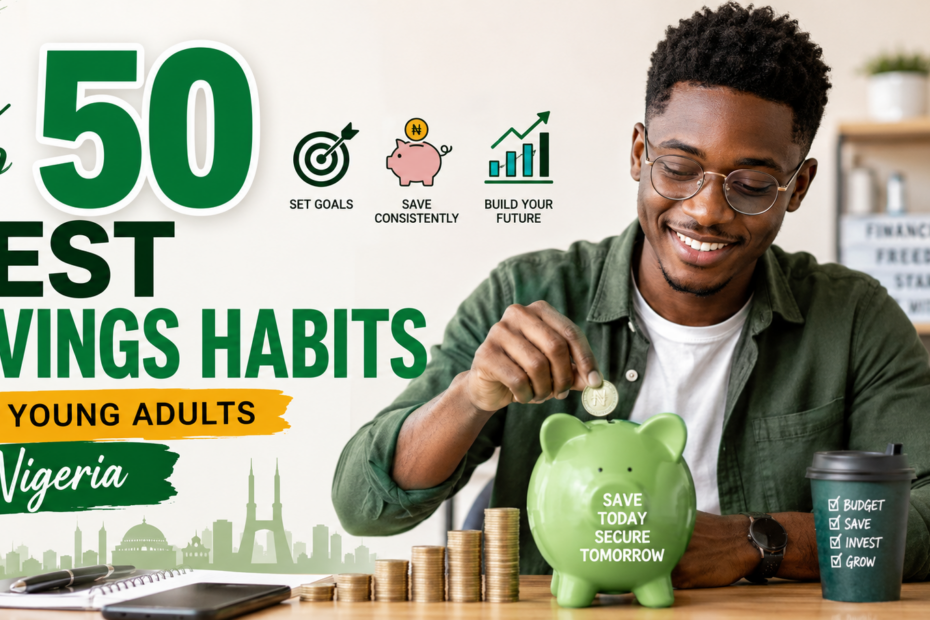
50 Savings Habits
A. Daily Money Discipline Habits
These are simple habits that young adults can start immediately without needing a higher income. They focus on controlling daily spending and building consistency.
Save Before Spending
This means setting aside money first before using the rest. It works because it forces discipline and ensures savings happen automatically.
For example, a Nigerian student or salary earner can save part of their allowance or salary immediately it arrives. A common mistake is waiting to “see what is left,” which usually results in no savings at all.
Stop Impulse Buying
This habit means avoiding unplanned purchases driven by emotions or pressure. It works because most financial mistakes come from spontaneous spending.
In Nigeria, this could include buying unnecessary snacks, online items, or extra airtime. A mistake to avoid is shopping when hungry, bored, or stressed.
Track Every Naira Spent
This means recording all expenses, no matter how small. It works because it reveals where money is actually going. Many Nigerians realize they spend too much on data, transport, or daily food when they start tracking. The mistake is ignoring small expenses, thinking they are irrelevant.
Cook More at Home
This habit reduces spending on expensive fast food and daily eating out. It works because home-cooked meals are significantly cheaper. A Nigerian example is preparing food before going to school or work instead of buying lunch outside. The mistake is assuming cooking is stressful without planning ahead.
Avoid Unnecessary Online Shopping
This means buying only what is needed online, not what is trending. It works because it reduces emotional spending. A mistake is falling for discounts or “flash sales” that lead to unnecessary purchases.
Reduce Betting and Gambling
This habit helps prevent financial loss from risky betting behavior. It works because gambling is unpredictable and often leads to losses. The mistake is believing in “sure wins” or chasing lost money.
Carry Homemade Lunch
This means preparing food from home instead of buying outside daily. It works because it saves a significant amount monthly. The mistake is underestimating small daily food costs.
Use Public Transport Wisely
This habit encourages choosing affordable transport options when possible. It works because transport costs can drain income quickly in cities like Lagos. The mistake is always choosing comfort over cost.
Avoid Daily Soft Drinks and Snacks Spending
This means reducing frequent spending on non-essential items. It works because small purchases add up over time. The mistake is thinking “it’s just ₦500” without calculating monthly totals.
Set Weekly Spending Limits
This habit involves planning how much to spend each week and sticking to it. It works because it prevents overspending before the month ends. The mistake is not reviewing or adjusting limits based on real expenses.
Overall, these daily habits may look small, but when practiced consistently, they create strong financial discipline and long-term savings growth for young adults in Nigeria
B. Banking & Digital Savings Habits
In today’s Nigeria, many young adults are no longer relying only on traditional saving methods. Fintech apps and digital banking have made saving easier, faster, and more structured. These habits are especially powerful because they remove the stress of manual discipline and help automate financial growth.
Use Automatic Savings Apps
This habit means using apps that automatically deduct and save money at set intervals. It works because it removes the temptation to spend first and save later. A good Nigerian example is setting a daily or weekly auto-save from your account. The mistake to avoid is disabling the auto-save feature when money feels tight.
Open a Separate Savings Account
This means having a dedicated account strictly for savings, not everyday spending. It works because it creates a mental barrier between spending money and savings money. The mistake many people make is linking it directly to their debit card for easy withdrawal.
Save with Fintech Platforms (PiggyVest, Cowrywise)
Platforms like PiggyVest and Cowrywise help users save, invest, and lock funds. They work because they encourage discipline through “lock” features that prevent impulsive withdrawals. The mistake is withdrawing locked savings too early for non-emergencies.
Lock Savings to Avoid Temptation
This habit involves fixing your money for a period where you cannot easily access it. It works because it builds long-term discipline. A Nigerian example is locking money for rent or future goals. The mistake is locking all your funds without keeping emergency cash.
Use Transfer Charges Wisely
This means reducing unnecessary bank transfers that attract fees. It works because small charges accumulate over time. Many people ignore this and lose thousands yearly on repeated transfers.
Avoid Unnecessary POS Withdrawals
This habit encourages withdrawing money only when necessary. It works because frequent POS withdrawals often come with extra charges and impulsive spending risks. The mistake is withdrawing cash daily instead of planning spending.
Save Small Amounts Daily
This means consistently saving small amounts like ₦200–₦1,000 daily. It works because consistency matters more than size. For example, saving ₦500 daily becomes over ₦180,000 yearly. The mistake is believing small amounts are useless, which leads to inconsistency.
Overall, digital savings habits make it easier for young Nigerians to stay disciplined, automate savings, and build long-term financial stability without relying solely on willpower.
C. Lifestyle Savings Habits
This section focuses on how everyday lifestyle choices affect your ability to save money. Many young adults in Nigeria do not struggle because they don’t earn at all, but because their lifestyle spending is too high compared to their income.
These habits are highly relatable and can make a big difference when practiced consistently.
Stop Trying to Impress People
This means avoiding spending money just to look rich or gain approval from others. It works because a large portion of unnecessary spending comes from peer pressure.
For example, buying expensive clothes or gadgets just to “belong” can drain income quickly. The mistake to avoid is measuring your worth by what people think of you.
Avoid Unnecessary Fashion Competition
This habit involves not chasing every new trend or designer item. It works because fashion trends change quickly, making constant upgrading expensive.
A Nigerian example is avoiding the pressure to always wear new outfits for every event. The mistake is thinking repetition of clothes reduces your value.
Limit Expensive Outings
This means reducing how often you attend costly parties, restaurants, or social events. It works because outings in Nigeria often come with transport, food, drinks, and appearance costs. The mistake is attending every invitation without considering your budget.
Unfollow Influencers That Pressure Your Lifestyle
This habit involves reducing exposure to social media content that pushes unrealistic lifestyles. It works because comparison is one of the biggest causes of overspending. A mistake to avoid is thinking social media reflects real financial life.
Buy Quality Instead of Cheap Repeated Items
This means investing in durable items instead of repeatedly buying cheap alternatives. It works because it reduces long-term replacement costs. For example, buying a strong pair of shoes instead of replacing cheap ones frequently. The mistake is focusing only on short-term savings.
Learn to Say “I Can’t Afford It Yet”
This habit teaches financial honesty and discipline. It works because it helps you prioritize needs over wants without guilt. A Nigerian example is politely declining expensive plans with friends. The mistake is saying yes to everything and later regretting it.
Overall, lifestyle savings habits help young adults gain control over emotional and social spending, which is often the biggest hidden drain on income. When these habits are practiced, saving becomes easier without feeling like punishment.
D. Income Improvement Habits
One of the most effective ways to improve savings is not only by cutting expenses but also by increasing income. For many young adults in Nigeria, financial pressure becomes easier to manage when additional sources of income are created. These habits focus on building earning power alongside saving discipline.
Learn a Side Hustle
This means developing an extra source of income outside your main job or studies. It works because it increases cash flow, making it easier to save consistently. A Nigerian example could be freelancing, mini importation, or food vending. The mistake to avoid is depending only on one income stream.
Sell Unused Items
This habit involves turning unused possessions into cash. It works because it helps declutter while generating extra income. For example, selling old phones, clothes, or gadgets you no longer use. The mistake is holding on to items you no longer need for emotional reasons.
Monetize Skills Online
This means using your skills to earn money through digital platforms. It works because the internet provides access to global opportunities. Examples include writing, graphic design, or video editing. The mistake is underpricing your skills or not marketing yourself properly.
Use Weekends Productively
This habit encourages using free time to earn or learn instead of being idle. It works because weekends offer opportunities for part-time work or skill development. A Nigerian example is doing weekend deliveries or attending skill workshops. The mistake is wasting weekends without any financial or personal growth activity.
Learn Digital Skills
This involves acquiring high-demand online skills such as digital marketing, coding, or content creation. It works because digital skills increase earning potential significantly. The mistake is jumping between too many skills without mastering one.
Start a Small Business with Little Capital
This means beginning a simple business with available funds, no matter how small. It works because it builds entrepreneurship experience and income. A Nigerian example could be reselling food items or thrift clothing. The mistake is expecting instant profit without patience.
Save Part of Every Extra Income
This habit ensures that any additional earnings are not fully spent. It works because extra income can quickly disappear without planning. A mistake is treating bonuses or side hustle income as “free money” for spending only.
Overall, income improvement habits help young adults in Nigeria strengthen their financial base. When earning increases and is combined with disciplined saving, financial stability becomes much easier to achieve.
E. Emergency & Future Planning Habits
Emergency and future planning habits are some of the most important financial practices for young adults in Nigeria. They help you stay financially stable during unexpected situations and reduce the pressure of sudden expenses that can destroy your savings progress. Without proper planning, even a good income can quickly disappear when emergencies arise.
Build an Emergency Fund
This means setting aside money strictly for unexpected situations like illness, job loss, or urgent repairs. It works because it prevents you from borrowing or using your main savings when problems arise.
A Nigerian example is keeping a separate account or locked savings for emergencies. The mistake to avoid is using emergency funds for regular spending.
Save for Rent Early
This habit involves planning and saving for house rent months before it is due. It works because rent is one of the biggest yearly expenses for many young adults.
For example, setting aside a portion of income monthly to avoid last-minute stress. The mistake is waiting until the rent deadline before starting to save.
Save for December Expenses
This means preparing financially for the high spending season in December, including travel, food, and celebrations. It works because December expenses in Nigeria are usually higher than normal months. The mistake is overspending in December without prior planning.
Save Before School Fees Are Due
This habit applies to students and parents who pay tuition. It works because it reduces the pressure of raising large sums at once. A Nigerian example is dividing school fees into monthly savings. The mistake is depending on loans or last-minute borrowing.
Prepare for Fuel Price Increases
This means anticipating increases in transportation and fuel costs and adjusting your budget early. It works because fuel price changes directly affect daily living expenses. The mistake is ignoring economic trends until they affect your budget.
Avoid Borrowing for Lifestyle
This habit means not taking loans or borrowing money for non-essential spending like fashion, outings, or luxury items. It works because it prevents debt accumulation. A mistake to avoid is borrowing just to maintain appearances or social pressure.
Overall, emergency and future planning habits protect young adults from financial shock and help maintain stability even when unexpected expenses occur.
When combined with daily discipline and income growth habits, they create a strong foundation for long-term financial security.
Nigerian Realities That Make Saving Difficult
To truly understand savings habits in Nigeria, we must also look at the everyday financial pressures young adults face. These challenges are part of real life and often make saving money feel difficult, even when income exists.
Many young Nigerians struggle with aso ebi pressure, where they feel forced to buy expensive outfits just to attend weddings and avoid embarrassment. Others spend heavily on owambe parties, where transportation, clothes, food, and drinks combine to drain their monthly budget.
At the same time, issues like betting addiction, constant data subscriptions, and rising transport fares quietly reduce the amount people can save each month. Even lifestyle pressure, such as buying every trending phone or keeping up with social media standards, makes financial discipline harder.
For some, responsibilities go beyond personal spending. Sending money to family members, managing NYSC allowance, or dealing with the problem of salary finishing before month-end are very common struggles.
These realities show one thing clearly: saving money in Nigeria is not just about discipline, but also about understanding your environment. When you recognize these pressures, you can plan better, control spending, and build stronger financial habits that actually work in real life.
Realistic Examples of Savings in Nigeria
Readers often understand savings better when they see real-life numbers and practical scenarios. In Nigeria’s current economy, even small and consistent habits can lead to significant financial progress over time.
For example, if a young adult saves ₦1,000 daily instead of spending it on unnecessary snacks, drinks, or impulse purchases, that adds up to about ₦365,000 in one year. This is a simple habit, but it shows how small daily discipline can lead to meaningful long-term savings.
Another example is a young adult earning ₦80,000 monthly. Even with living expenses, saving just 10% consistently (₦8,000 monthly) means they can still build financial stability over time. The key is not how much you earn, but how consistent you are with saving a portion of it.
These examples show that savings is not only for high-income earners. With discipline, planning, and consistency, anyone can build a strong financial future regardless of income level.