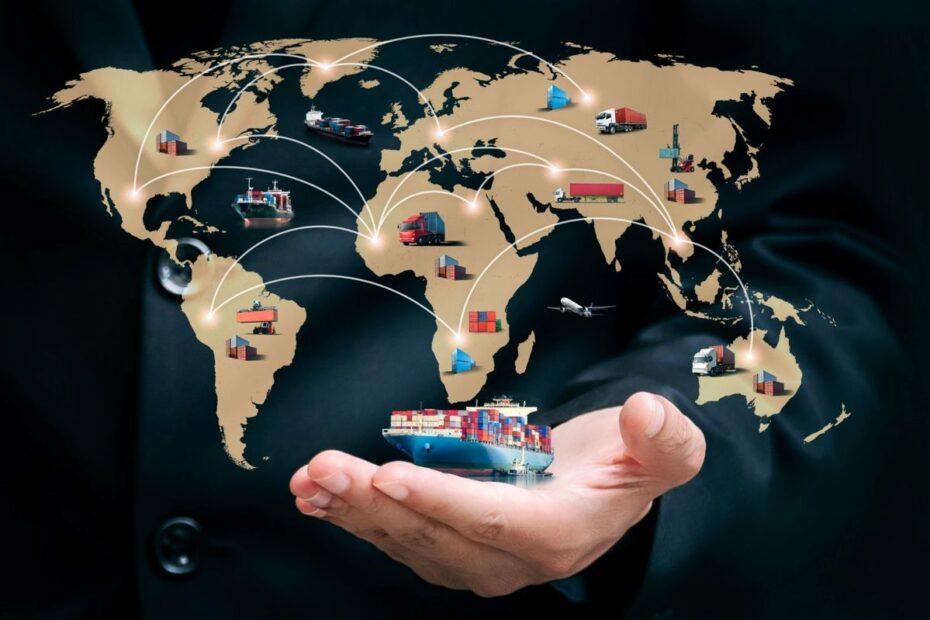
The logistics and delivery industry is one of the fastest-growing sectors globally, driven by the boom in e-commerce, urbanization, and the demand for fast and reliable shipping.
Presently, logistics and delivery services are no longer just support industries—they are at the core of how businesses operate and how customers shop.
For entrepreneurs, this presents profitable opportunities across various models, from local courier services to nationwide distribution networks.
Why Logistics and Delivery Services Are Profitable
-
E-commerce growth: Online shopping continues to expand, requiring efficient delivery networks.
-
On-demand economy: Customers now expect same-day or next-day deliveries.
-
Global trade: Import and export activities fuel logistics demand worldwide.
-
Technological innovation: GPS tracking, drones, and AI improve efficiency and reduce costs.
-
Essential services: Delivery services remain in high demand, regardless of economic shifts.
Profitable Logistics and Delivery Business Ideas
1. Local Courier Services
Urban centers and small towns need affordable, reliable delivery for documents, parcels, and personal items. Starting a local courier service requires minimal capital, especially with motorbikes or small vans.
2. E-commerce Delivery Services
Online stores depend heavily on third-party logistics companies to get products to customers. By partnering with e-commerce businesses, you can specialize in last-mile delivery.
3. Food and Grocery Delivery
With the rise of apps and online marketplaces, food and grocery delivery is in high demand. This niche is profitable because customers prioritize speed and convenience.
4. Medical and Pharmaceutical Delivery
Hospitals, pharmacies, and laboratories increasingly rely on specialized delivery for medicines, equipment, and samples. This sector requires strict compliance but offers premium returns.
5. Freight and Cargo Services
For larger-scale entrepreneurs, freight logistics involving trucks, ships, or air transport provides opportunities in moving bulk goods across regions and borders.
6. Delivery Aggregator Platforms
Building a digital platform that connects customers with delivery riders or companies can be highly profitable. Think of it as the “Uber for deliveries.”
7. Warehouse and Fulfillment Services
Beyond transportation, businesses need secure storage and order processing. Offering warehousing and fulfillment services creates an additional revenue stream.
How to Start a Logistics and Delivery Business
-
Research your target market: Identify gaps such as areas with poor delivery services or industries underserved by logistics.
-
Choose your business model: Decide between local courier, freight, e-commerce, or specialized delivery.
-
Acquire vehicles and equipment: Motorbikes, vans, or trucks depending on the scale of your operations.
-
Invest in technology: Use tracking systems, mobile apps, and digital payment solutions to improve efficiency.
-
Hire and train staff: Reliable drivers, dispatchers, and customer service teams are the backbone of logistics.
-
Market your services: Use partnerships, social media, and e-commerce platforms to gain clients.
Challenges in the Logistics Industry
-
Rising fuel costs and vehicle maintenance
-
Traffic congestion in urban areas
-
Intense competition from established brands
-
Regulatory requirements for freight and cross-border services
-
Customer expectations for faster, cheaper delivery
The solution lies in leveraging technology, offering competitive pricing, and focusing on exceptional customer service.
Future Trends in Logistics and Delivery Services
-
Drone and autonomous vehicle deliveries
-
AI-driven route optimization for faster service
-
Green logistics with electric vehicles and eco-friendly packaging
-
Cross-border e-commerce shipping solutions
-
Subscription-based delivery models for regular customers
Final Thoughts
Logistics and delivery services present profitable and sustainable opportunities for entrepreneurs.
From local courier services to large-scale freight operations, the demand for fast, reliable, and technology-driven delivery solutions continues to grow.
With the right planning, investment, and customer-focused strategy, you can build a successful logistics business that thrives in today’s on-demand economy.
Frequently Asked Questions
Which logistics business is most profitable?
The most profitable logistics businesses are those that handle high-demand, high-volume, or specialized transportation and delivery services. In general, freight and cargo transportation stands out as one of the most profitable logistics sectors.
Transporting goods for manufacturers, wholesalers, and retailers—especially over long distances or across borders—can generate substantial revenue due to high freight charges.
Courier and express delivery services also generate strong profits, especially with the rise of e-commerce. Companies that deliver packages quickly for online retailers benefit from consistent demand and repeat clients.
Specialized logistics services, such as cold chain logistics for perishable foods, pharmaceuticals, and medical supplies, are also highly profitable. These services require specialized equipment and expertise, allowing companies to charge premium rates.
Additionally, warehouse and inventory management services can produce steady income by helping businesses store, manage, and distribute goods efficiently.
Profitability depends on operational efficiency, reliable fleet management, strong client relationships, and meeting specific industry needs.
How to start up a logistics business?
Starting a logistics business involves several key steps. First, identify your niche—whether it’s courier services, freight transport, cold storage, or warehouse management. Specializing helps you target the right customers and offer premium services.
Next, create a business plan detailing capital requirements, operational costs, marketing strategies, and revenue projections. This plan will guide your decisions and help secure funding if needed.
Obtain the necessary licenses and permits for transportation, warehousing, or import/export activities, depending on your niche and location. In Nigeria, this may include registration with the Corporate Affairs Commission (CAC) and compliance with transport regulations.
Acquire vehicles, equipment, or warehouse space based on your services. You can start small, such as with motorcycles or small vans for delivery services, and expand as your business grows.
Finally, focus on marketing and building client relationships. Reach out to businesses, e-commerce platforms, and individuals who require logistics services, while emphasizing reliability, timely delivery, and professionalism.
What are the 4 types of logistics?
Logistics is broadly categorized into four types based on function:
-
Inbound Logistics: The process of transporting raw materials or goods from suppliers to manufacturing facilities or warehouses. This ensures production materials are available when needed.
-
Outbound Logistics: Focuses on delivering finished products from warehouses or factories to retailers, distributors, or end customers. Efficient outbound logistics ensures timely delivery and customer satisfaction.
-
Reverse Logistics: Involves the process of handling returns, recycling, repairs, or disposal of products. This type of logistics is crucial for sustainability and maintaining customer trust.
-
Third-Party (3PL) Logistics: Outsourcing logistics services to specialized companies that handle storage, transportation, and distribution for other businesses. 3PL providers often improve efficiency and reduce operational costs.
Understanding these four types allows businesses to optimize supply chain operations and enhance profitability.
Is logistics profitable in Nigeria?
Yes, logistics is profitable in Nigeria due to growing e-commerce, industrialization, and population growth. With the rise of online shopping, courier services, freight transport, and last-mile delivery are in high demand. Companies that provide reliable and timely services can secure contracts with businesses, manufacturers, and online retailers.
However, profitability depends on efficient operations, cost control, and reliable fleet management. Challenges like poor road infrastructure, fuel costs, and regulatory compliance need careful management. Companies that adapt to these challenges and focus on specialized services, such as cold chain logistics or express delivery, often achieve higher profit margins.
Many Nigerian logistics businesses have successfully scaled operations by investing in technology, GPS tracking, and customer service, making the industry one of the most promising sectors for entrepreneurs.
What type of logistics makes the most money?
The type of logistics that makes the most money is typically freight and specialized logistics. Freight logistics involves transporting large volumes of goods, either domestically or internationally, often under contracts with manufacturers, distributors, or import/export companies. Bulk shipments generate higher revenue per delivery compared to smaller parcels.
Specialized logistics, particularly cold chain logistics for pharmaceuticals, perishable foods, and medical supplies, commands premium pricing because of the technical expertise, equipment, and regulatory compliance required. These services are essential for industries where quality and timeliness are critical.
Express courier services for e-commerce are also highly profitable due to high-volume, recurring shipments and the willingness of businesses and consumers to pay for speed and reliability.
Profit is highest for logistics businesses that combine specialization, large-scale operations, and reliability, ensuring consistent demand and the ability to charge premium rates for high-value services.
What are the 7 rules of logistics?
The seven rules of logistics are essential principles that ensure goods and services are delivered efficiently, on time, and at minimal cost. First, right product, right place—ensuring the correct goods reach the intended location. Second, right quantity—delivering the correct amount to meet demand without overstocking or shortage.
Third, right time—ensuring products arrive when needed, which improves customer satisfaction and reduces delays. Fourth, right condition—goods should arrive undamaged and in usable condition, especially for perishable or fragile items.
Fifth, right customer—deliver to the correct recipient, avoiding misdelivery or lost shipments. Sixth, right cost—logistics operations should be cost-effective while maintaining quality. Finally, right documentation—ensuring proper paperwork and compliance for tracking, payments, and regulatory purposes.
Following these seven rules helps logistics companies reduce errors, minimize waste, and maximize efficiency, which is crucial for profitability.
What sells very fast in Nigeria?
Products that sell very fast in Nigeria are generally everyday essentials, high-demand goods, and trendy items. Food is one of the fastest sellers—snacks, beverages, packed foods, and street foods generate daily revenue due to constant demand.
Fashion items like wigs, clothing, shoes, and jewelry also sell quickly, especially when aligned with current trends. Phone accessories, including chargers, earphones, and phone cases, are popular due to widespread mobile phone usage.
Other fast-selling items include toiletries, household essentials, cosmetics, and basic electronics. Seasonal products such as cold drinks, fans, or heaters may also sell quickly depending on the weather.
Quick sales are achieved by offering affordable prices, high demand items, and accessibility, either online or in local markets.
What are the 4 pillars of logistics?
The four pillars of logistics define its core functions and areas of focus. The first pillar is transportation, which ensures goods move efficiently from suppliers to warehouses, retailers, or customers. Reliable transportation is key to timely deliveries.
The second pillar is inventory management, which involves storing, tracking, and controlling stock levels to meet demand while minimizing holding costs.
The third pillar is warehousing, which provides safe and organized storage for goods. Efficient warehousing ensures products are easily accessible, well-preserved, and ready for distribution.
The fourth pillar is information management, which includes tracking shipments, monitoring supply chains, and using technology to make data-driven decisions.
These pillars work together to optimize supply chain performance, reduce costs, and improve customer satisfaction.
Is logistics a good business?
Yes, logistics is a good business because it serves essential needs in both commerce and daily life. As long as goods need to move from suppliers to consumers, logistics will remain in demand. With the rise of e-commerce, manufacturing, and import/export businesses, logistics companies have steady revenue potential and recurring clients.
Profitable logistics niches include freight transportation, courier services, cold chain logistics, and warehouse management. The business also allows for scaling operations over time, from small local delivery services to nationwide or international logistics networks.
However, success requires efficient fleet management, reliable staff, cost control, and compliance with regulations. Businesses that focus on reliability, speed, and customer satisfaction often thrive in this growing industry.
What are the problems with logistics in Nigeria?
Logistics in Nigeria faces several challenges that can affect efficiency and profitability. One major problem is poor infrastructure, including bad roads and limited transport networks, which increase delivery times and vehicle maintenance costs.
High fuel prices and operating costs also reduce profit margins for logistics companies. Regulatory issues, such as bureaucratic delays, licensing, and inconsistent policies, create additional hurdles for operators.
Other problems include inadequate warehousing facilities, security concerns for cargo, and a shortage of skilled personnel in supply chain management. Traffic congestion and lack of advanced tracking technology further complicate operations.
Despite these challenges, entrepreneurs who invest in technology, fleet management, specialized logistics services, and reliable customer service can still build profitable logistics businesses in Nigeria.