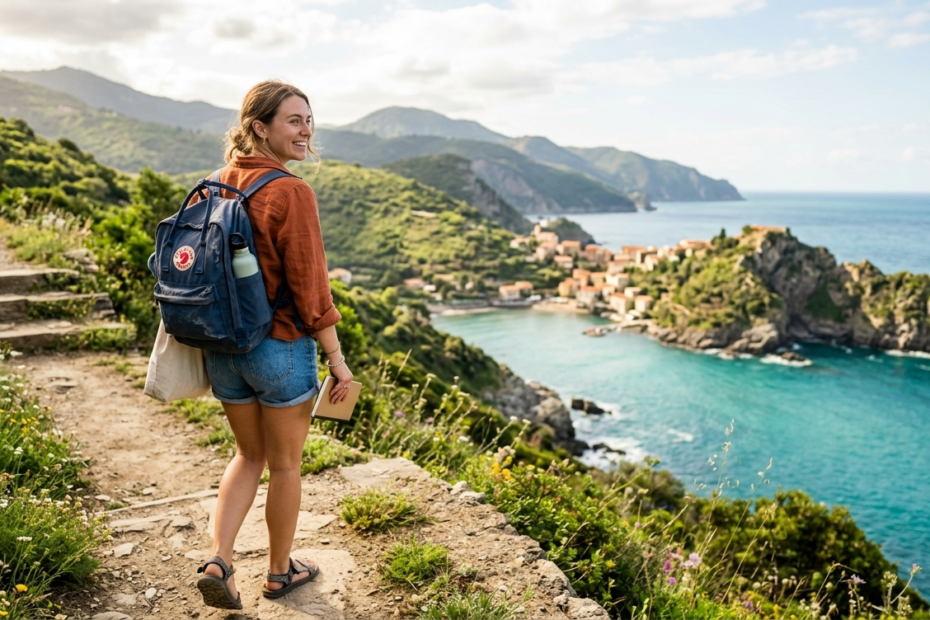
I still remember my first solo trip—the kind where excitement and nerves wrestled in equal measure. Standing in a crowded airport with only a backpack and a one-way ticket, I felt both incredibly free and slightly terrified.
But the real shock came later, when I tallied my expenses and realized I had spent far less than I ever imagined. That trip shattered one of the biggest myths I’d grown up believing: solo travel is only for the wealthy.
The truth is, traveling alone doesn’t have to break the bank. While many assume it means splurging on single hotel rooms or pricey tours, the reality is quite the opposite.
When you’re on your own, you have complete control over your budget. You can choose affordable hostels over luxury hotels, enjoy street food instead of expensive restaurants, and even take advantage of free activities like walking tours or exploring local markets.
With careful planning, solo travel can actually be cheaper than traveling with others—no splitting costs means no compromises, just freedom to spend (or save) as you wish.
What makes solo travel especially rewarding is that you’re not just saving money—you’re also investing in yourself. Every decision, from booking a bus ride to chatting with locals, builds confidence and independence. So, the next time you think traveling solo is out of reach, remember this: with smart strategies, the world is more affordable—and more open—than you think.
Plan Ahead
One of the best ways to make solo travel affordable is to plan ahead. While spontaneity has its charm, a little preparation goes a long way in keeping your trip within budget.
Set a budget: Before booking anything, decide how much you can realistically spend. A clear budget will help you prioritize what matters most—whether that’s food, accommodation, or experiences—and prevent you from overspending.
Research destinations: Not all locations are created equal when it comes to affordability. Some countries and cities are naturally more budget-friendly for solo travelers.
For example, Southeast Asia, parts of Eastern Europe, and certain African destinations offer rich cultural experiences at a fraction of the cost compared to Western Europe or North America. Taking time to research exchange rates, average daily expenses, and available accommodations can save you hundreds of dollars.
Travel during off-season: Timing can make or break your wallet. Flights, hotels, and even tours often cost significantly less outside of peak tourist seasons. Visiting during the off-season not only helps you avoid crowds but also gives you a more authentic experience of the local culture—all while spending less.
By planning ahead, you’re not limiting your adventure—you’re creating the freedom to travel smarter and farther without worrying about your finances.
Find Affordable Accommodation
Accommodation is often the biggest expense for solo travelers, but it doesn’t have to drain your budget. With a little creativity, you can find comfortable and affordable places to stay while still enjoying unique experiences.
Hostels: Hostels are a classic choice for solo travelers. They’re not only affordable but also social, giving you the chance to meet other adventurers from around the world. Many hostels now offer private rooms in addition to dorms, so you can balance privacy with cost savings.
Airbnb or guesthouses: Renting a small room through Airbnb or staying in a family-run guesthouse is often cheaper than booking a traditional hotel. These options also provide a more personal, local experience, letting you connect with the culture beyond tourist hotspots.
Couchsurfing: For the truly budget-conscious, Couchsurfing is a fantastic way to stay for free while meeting locals who can share insider tips about their city. Safety is key, so always read reviews and verify hosts before booking.
House-sitting: If you’re flexible with timing and location, house-sitting can be a game changer. You live for free in someone’s home while taking care of their space—or even their pets. It’s an excellent way to cut costs and experience life like a local.
By thinking outside the traditional “hotel box,” you can save significantly on accommodation and stretch your travel budget further.
Save on Transportation
Getting from place to place doesn’t have to eat up your budget. With a little strategy, you can cut transportation costs while still exploring freely.
Book flights in advance or use budget airlines: Airfare is often one of the biggest expenses, but you can save significantly by booking early or choosing low-cost airlines. Many budget carriers offer great deals if you’re flexible with dates and luggage.
Use public transport instead of taxis or rideshares: In most cities, buses, trains, and subways are far cheaper than hailing a cab or using rideshare apps. Public transportation not only saves money but also gives you a taste of everyday local life.
Walk or rent a bike for short distances: Exploring on foot or by bike is not only cost-effective but also a fantastic way to experience a city up close. You’ll discover hidden gems that you might miss when traveling by car or bus.
Consider travel passes: Many cities and countries offer daily or weekly passes for trains and buses. If you’re staying in one place for several days, these passes can save you a lot compared to buying single tickets.
Transportation doesn’t have to be a financial burden—with smart planning, you can move around affordably and enjoy the journey just as much as the destination.
Eat Like a Local
Food is one of the best parts of traveling—but it can also become a major expense if you’re not careful. The good news? Eating like a local not only saves money but also gives you a richer cultural experience.
Street food and local markets: Some of the most authentic meals you’ll ever have can be found at street stalls or bustling markets, often at a fraction of restaurant prices. From savory snacks to full meals, street food offers a taste of the culture without emptying your wallet.
Cook your own meals: If your accommodation provides a kitchen, take advantage of it. Shopping at local grocery stores and cooking your own meals can save you significant amounts over the course of a trip. Even preparing simple breakfasts or packed lunches helps stretch your budget further.
Avoid tourist-heavy dining spots: Restaurants in popular tourist areas often charge inflated prices for average food. Instead, venture a few streets away from the main attractions—you’ll usually find better quality meals at more reasonable prices, and often in a more authentic setting.
By skipping overpriced restaurants and embracing local food culture, you’ll spend less and experience more. After all, what better way to connect with a destination than through its flavors?
Free or Low-Cost Activities
Exploring a new destination doesn’t always mean spending big on pricey tours or attractions. In fact, some of the best experiences are completely free—or cost very little.
Explore free attractions: Many cities have free public parks, historic neighborhoods, or museums with no entry fees (or special free days each month). These spots often give you a deeper understanding of the culture without touching your wallet.
Hiking, beach days, or city walking tours: Nature is the ultimate budget-friendly attraction. Whether it’s hiking scenic trails, spending the day at the beach, or joining a free walking tour, you can enjoy a memorable adventure at little to no cost. Walking tours, in particular, are a great way to learn about a city’s history while meeting other travelers.
Check local events and festivals: From music performances in public squares to cultural festivals and community markets, local events often provide free entertainment and a chance to immerse yourself in the local vibe. A quick search before your trip—or asking locals once you arrive—can uncover plenty of hidden gems.
By mixing in free or low-cost activities, you can keep your days full of adventure while staying well within budget. Sometimes, the most meaningful memories come from the simplest experiences.
Smart Money Management
Even with careful planning, it’s easy to overspend while traveling. Practicing smart money management helps you stay within your budget and enjoy your trip without financial stress.
Carry a budget app: Tracking expenses in real time keeps you aware of where your money is going. Apps designed for travelers make it simple to set daily limits and spot areas where you might be overspending.
Use cash and cards wisely: In many places, paying with cash can be cheaper—especially in markets, food stalls, or small shops that avoid card fees. On the other hand, cards often provide better exchange rates and added security for larger purchases. Striking a balance between the two can maximize savings.
Skip unnecessary souvenirs: It’s tempting to buy trinkets at every stop, but these small purchases add up quickly. Instead, invest in experiences—like a cooking class, a day trip, or simply trying a local dish. Memories (and photos) will last much longer than mass-produced souvenirs.
By managing your money wisely, you ensure that your funds stretch farther, allowing you to focus on what really matters: making the most of your solo adventure.
Safety Tips for Solo Travelers
While saving money is important, your safety should always come first. A well-planned budget trip is only enjoyable if you feel secure along the way.
Share your itinerary: Let a trusted family member or friend know your travel plans, including where you’ll be staying and any major activities. Regular check-ins give peace of mind to both you and your loved ones.
Avoid risky areas: Every city has neighborhoods that are best avoided, especially at night. Do some research beforehand and trust your instincts—if a place feels unsafe, leave immediately. Staying aware of your surroundings is one of the simplest but most effective safety measures.
Keep digital copies of important documents: Losing your passport, ID, or travel documents can be stressful and expensive to replace. Store scanned copies securely online or in your email so you can access them quickly in an emergency.
Budget-friendly travel doesn’t mean cutting corners on safety. By taking a few precautions, you can protect yourself and fully enjoy the independence that comes with solo travel.
Insider Tips
Once you’ve mastered the basics of budget travel, a few insider tricks can help you stretch your money even further while making the journey more enjoyable.
Travel slowly: The faster you move from place to place, the more you’ll spend on transportation. Slowing down not only saves money but also allows you to connect more deeply with each destination.
Use loyalty points or travel rewards: If you have a credit card that offers travel rewards, put it to good use. Points and miles can cover flights, accommodations, or even upgrades, cutting costs significantly.
Network with other solo travelers: Meeting fellow travelers isn’t just about making friends—it can also save you money. Splitting the cost of tours, group activities, or even a rental car can make experiences more affordable while adding a social element to your trip.
These small but powerful strategies can make a big difference in your overall budget, proving that solo travel doesn’t have to mean traveling alone—or spending more than you need to.
Conclusion
Solo travel is often seen as intimidating—too costly, too risky, or simply too complicated. But the truth is, with smart planning and a little creativity, it can be both affordable and deeply rewarding.
From choosing budget-friendly destinations to embracing local food, free activities, and savvy money management, there are countless ways to explore the world without draining your savings.
More importantly, traveling alone offers something no price tag can measure: freedom. You set the pace, make your own choices, and discover not only new destinations but also new strengths within yourself. Every bus ride, market stroll, or hostel conversation becomes part of a bigger story—your story.
So don’t wait for the “perfect time” or the “perfect budget.” Start where you are, plan wisely, and take the leap. With a bit of planning and creativity, your dream solo adventure doesn’t have to cost a fortune. The world is waiting—and it’s more accessible than you think.
Frequently Asked Questions
How to travel solo cheaply?
Traveling solo can be one of the most rewarding experiences of your life, but it can also get expensive if you don’t plan wisely. The good news is that there are plenty of ways to cut costs and still enjoy the adventure.
One of the first things to do is research destinations that naturally have a lower cost of living. For example, countries in Southeast Asia, parts of Eastern Europe, and Central America often offer accommodation, food, and transportation at a fraction of the cost you would spend in Western countries. By choosing the right destination, your budget stretches much further.
Accommodation is usually one of the biggest expenses for a solo traveler, but it doesn’t have to break the bank. Hostels are a common option, not only because they are affordable but also because they create opportunities to meet other travelers.
Couchsurfing and house-sitting are two alternatives where you can stay for free in exchange for cultural exchange or helping with house care. In some cases, volunteering at hostels or farms (through programs like Workaway or WWOOF) allows you to stay for free and sometimes even get meals included.
When it comes to food, avoid tourist restaurants and instead eat where locals dine. Street food, local markets, and small family-run eateries often offer authentic meals at a much lower price than big restaurants. Cooking for yourself, if you stay in accommodation with a kitchen, is another practical way to save.
Transportation can also be managed cheaply. Instead of taking expensive flights, try buses, trains, or budget airlines. Walking and using public transportation within cities saves money and also helps you experience life as locals do. Apps for ride-sharing or even bike rentals are often cost-friendly choices for solo travelers.
Finally, budgeting doesn’t mean missing out on experiences. Many cities have free walking tours, open museums on certain days, or natural attractions that cost nothing. Planning your activities in advance, comparing prices online, and looking for travel deals all contribute to lowering costs.
With the right mindset and strategies, traveling solo cheaply is not only possible but also enriching — it teaches resourcefulness, independence, and appreciation for simple joys.
How to travel with zero budget?
Traveling with zero budget sounds almost impossible, but with creativity and determination, it can be achieved. The key is to shift your perspective: rather than being a consumer of travel, you become an active participant who exchanges skills, time, or effort for opportunities to move around and live in new places.
One of the most effective strategies is volunteering. Platforms like Workaway, WWOOF, and HelpX connect travelers with hosts who provide food and accommodation in exchange for work.
Tasks can range from teaching English, helping with farm work, assisting at hostels, or even joining community projects. In this way, you are not spending money but offering value in return for your stay.
Hitchhiking is another method for traveling without a budget. Though it requires caution and patience, it has been used by countless travelers across continents. Many drivers, especially in rural or adventurous areas, are open to giving free rides. Carpooling apps sometimes also allow free or donation-based travel.
Accommodation can be solved with Couchsurfing, where hosts let travelers stay for free, often to share culture and friendship. Some travelers also camp, carry hammocks, or sleep in public places like train stations when necessary, although this requires adaptability and awareness of local laws.
Food is another challenge, but many strategies exist. Dumpster diving, while not glamorous, is practiced in cities where supermarkets discard perfectly edible food. Others rely on community kitchens, temples, or charity organizations that offer meals. Volunteering at restaurants or farms can also provide food in exchange for a few hours of work.
A zero-budget traveler often leans heavily on human connections. By networking, building friendships, and being open to helping others, opportunities naturally arise. Locals may invite you for meals, offer a place to stay, or even help with transport. It requires humility and flexibility, but it also creates deep, genuine connections that money can’t buy.
While zero-budget travel is not for everyone — it demands resilience, adaptability, and courage — it’s an extraordinary way to experience the world. You discover the generosity of strangers, learn survival skills, and realize that travel is not just about spending money but about exchanging culture, energy, and kindness.
What is the best way to travel without cash?
Traveling without cash requires a blend of resourcefulness, creativity, and a willingness to step outside traditional travel norms. While many believe money is the only passport to exploring the world, history is filled with travelers who proved otherwise by exchanging skills, building relationships, and relying on the kindness of strangers. The best way to approach this type of journey is to think in terms of barter, sharing, and value exchange rather than spending.
One of the most practical methods is to engage in work exchange programs. Organizations such as Workaway, WWOOF, and HelpStay allow travelers to volunteer their skills in farming, teaching, hospitality, or construction in return for food and accommodation. This eliminates the need for cash while immersing you in authentic cultural experiences.
Another option is house-sitting or pet-sitting, where you care for someone’s property or animals while they are away. Platforms like TrustedHousesitters provide opportunities worldwide, making it possible to live in new countries at zero cost.
Hitchhiking is another time-tested way to travel without cash, especially in regions where it is safe and culturally accepted. Travelers often find drivers who are willing to share their journeys, leading not only to free transportation but also to memorable interactions and friendships.
Accommodation can be solved through hospitality networks like Couchsurfing, where locals offer their homes for free, often motivated by cultural exchange rather than financial gain. Similarly, connecting with religious centers such as temples, mosques, or churches can sometimes provide shelter and food.
Food without cash may seem tricky, but many strategies exist. Joining community events, helping at local kitchens, or volunteering at food stalls can often get you meals.
Some travelers also rely on foraging in nature or dumpster diving in cities where supermarkets discard edible goods. While unconventional, these practices highlight a resourceful and sustainable side of travel.
Ultimately, the best way to travel without cash is to embrace openness. When you rely on human connections and skills instead of money, you discover the generosity of people across cultures. It’s not always comfortable or predictable, but it’s deeply enriching and teaches lessons of humility, resilience, and gratitude that no paid tour could provide.
What’s the best way to travel solo?
The best way to travel solo is to strike a balance between freedom, safety, and meaningful experiences. Solo travel offers unparalleled independence—you choose your destinations, your pace, and your priorities—but to get the most out of it, thoughtful preparation and an adventurous mindset are key.
The first step is choosing the right destination. For beginners, cities and countries known for their safety, reliable transportation, and welcoming culture—like Japan, Portugal, or Thailand—are excellent options. A well-chosen destination gives you the confidence to explore while minimizing unnecessary stress.
Accommodation is another important aspect of solo travel. Staying in hostels or guesthouses can make it easier to meet people, while hotels or Airbnb rentals provide more privacy if you prefer solitude. Platforms like Couchsurfing also give you opportunities to live with locals, making your experience more immersive.
When it comes to planning, it’s wise to create a flexible itinerary. Having a rough plan of where you’ll go ensures structure, but leaving room for spontaneity allows you to seize opportunities—like joining other travelers on an excursion or exploring hidden spots recommended by locals.
Safety is crucial for solo travelers. Basic precautions such as sharing your itinerary with family, avoiding unsafe neighborhoods, and being mindful of alcohol consumption can make your journey smoother. Carrying digital copies of documents and having a small emergency fund also provide peace of mind.
To truly enjoy solo travel, engage with the local culture. Learn a few phrases of the language, try local food, and take part in community events. Solo travelers often have an advantage here—without companions, locals find you more approachable and are more likely to strike up conversations.
Equally important is the mindset. Traveling alone sometimes means dealing with loneliness or uncertainty, but these moments can turn into opportunities for growth. Journaling, photography, or simply sitting in a café observing daily life can help you embrace the solitude positively.
In essence, the best way to travel solo is to embrace independence while staying open to connection. You’ll not only explore new places but also discover your own resilience, preferences, and strengths. Solo travel is more than a journey through cities and landscapes—it’s a journey inward.
Is it possible to travel without money?
The idea of traveling without money might sound unrealistic, but it is absolutely possible if you’re willing to embrace unconventional methods and rely more on creativity, resourcefulness, and human connection rather than financial resources.
In fact, throughout history, countless travelers, explorers, and even modern-day adventurers have journeyed across continents without spending money in the traditional sense. What makes it possible is the shift from a money-based approach to one centered around exchange, generosity, and adaptability.
One major way to travel without money is through volunteering or work exchange programs. Platforms like Workaway, HelpX, or WWOOF connect travelers with hosts who provide food and accommodation in return for labor.
These experiences can range from working on organic farms, teaching languages, to helping run small businesses. This kind of exchange allows you to immerse yourself in local life without needing cash.
Another proven strategy is hitchhiking, which remains popular in many parts of the world. While it requires patience and awareness of safety, it is often a reliable way to cover long distances without spending a dime. Many drivers enjoy offering rides as a cultural exchange or simply to share companionship during their journey.
Accommodation can also be arranged without money. Networks like Couchsurfing connect you with locals who are happy to host for free, motivated by cultural exchange. Religious institutions, community centers, and even local families in rural areas sometimes offer shelter out of kindness. Camping, carrying a hammock, or using public spaces are also options for the more adventurous.
Food is another challenge but still manageable. By helping at restaurants, farms, or local kitchens, you can often receive meals in exchange for a few hours of assistance. In some places, community food banks, temples, or charitable groups provide free meals to anyone, including travelers.
Foraging in nature or sourcing discarded but edible food from markets and supermarkets (known as dumpster diving) is another unconventional method.
Most importantly, traveling without money thrives on building relationships. When you share your story, skills, or simply show kindness, many people are surprisingly generous and willing to help. These connections often lead to free meals, transport, or even accommodation.
In short, yes—it is possible to travel without money. It requires flexibility, courage, and a willingness to step away from comfort zones. What you may lack in cash, you make up for in rich cultural exchanges, unforgettable experiences, and lessons in resilience and gratitude.
How to travel without being a tourist?
Traveling without being a tourist means immersing yourself in a destination in a way that goes beyond surface-level sightseeing. Instead of rushing to landmarks, snapping pictures, and ticking off lists, you approach the journey as a participant in local life rather than as a visitor. It’s about blending in, engaging with the culture, and experiencing the everyday rhythms of the community.
One of the best strategies is to live like a local. Instead of booking hotels in crowded tourist areas, choose homestays, small guesthouses, or even long-term rentals in residential neighborhoods. Platforms like Airbnb or Couchsurfing make it possible to stay in local homes, giving you firsthand exposure to how people actually live.
Food plays a big role in how you experience a culture. Avoid international chains or tourist-targeted restaurants. Instead, eat at local street vendors, family-owned eateries, or markets where residents shop. Cooking for yourself with ingredients bought at local markets is another way to connect with the culture authentically.
Engagement is also key. Learn a few words of the local language; even small efforts like greetings or basic questions show respect and open doors to deeper interactions.
Attend local events—whether it’s a festival, a neighborhood gathering, or a community market—to see the culture in action. Volunteering for local causes is another way to experience a place without being on the outside looking in.
Transportation choices also affect how much of a tourist you appear to be. Instead of relying on taxis or expensive tours, use public buses, trains, bicycles, or simply walk. These options not only save money but also immerse you in the daily flow of life.
Perhaps the most important factor is your mindset. Tourists often rush from attraction to attraction, but a traveler focused on immersion slows down. Spend time sitting in a café, observing the pace of life, or striking up conversations with locals. Rather than seeking what’s “Instagrammable,” focus on what feels real and meaningful.
To travel without being a tourist is to be curious, humble, and respectful. You stop consuming destinations like products and instead allow them to shape you through experiences. In the end, it is less about where you go and more about how deeply you connect with the people, culture, and rhythm of the place.
Which age is best for solo travel?
There is no single “perfect” age for solo travel because it depends heavily on personality, goals, and life circumstances. However, different age ranges bring unique advantages and challenges to the solo travel experience. Understanding these can help you decide when might be the best time for you personally.
For many, the late teens and early twenties are a popular time to start traveling solo. At this age, people often have fewer responsibilities, more curiosity, and a greater willingness to take risks. Students on gap years or recent graduates may use this period to explore the world before settling into careers.
Hostels, budget travel options, and backpacking routes are filled with young solo travelers, making it easy to meet others. The downside is that financial resources may be limited, requiring careful budgeting or creative strategies like volunteering or work exchanges.
The late twenties to thirties can be an ideal age for solo travel because people often have a bit more financial stability, life experience, and confidence. Traveling alone during this phase allows for deeper cultural immersion and more meaningful encounters.
You are more likely to plan effectively, balance fun with safety, and choose destinations that match your values rather than just following trends. This age is also great for adventure-based travel, as you still have the energy to hike, explore, or engage in demanding activities.
In the forties and fifties, solo travel becomes more intentional. Many in this age group use travel to reflect, recharge, or pursue personal passions. Financial stability often allows for comfort and flexibility, whether it’s staying in boutique guesthouses, renting cars, or exploring offbeat destinations.
The maturity gained from life experiences also makes interactions with locals more profound, as you approach conversations with a different perspective.
Finally, senior years can be a surprisingly great time for solo travel. Retirees often have fewer time restrictions, giving them the freedom to travel slowly and immerse themselves in each destination.
While mobility and health can sometimes limit choices, many older solo travelers discover new joys in cultural, historical, or nature-focused experiences. Some even join travel groups for seniors, combining independence with companionship.
Ultimately, the best age for solo travel is the age you feel ready. Whether young or old, solo travel is less about a number and more about mindset. If you are curious, adaptable, and willing to step outside your comfort zone, any age can be the “best” age.
Which country is best for solo travelling?
The best country for solo traveling depends on what you want to experience—safety, affordability, cultural richness, or adventure. However, certain countries consistently rank high for solo travelers because they combine welcoming environments, good infrastructure, and vibrant cultures.
One of the top choices is Japan. Known for its safety, efficiency, and hospitality, Japan is ideal for solo travelers who value structure and cultural depth. Its transportation system is world-class, making it easy to move between cities.
Locals are polite and helpful, and even if language barriers exist, solo travelers usually feel secure navigating the country. From ancient temples in Kyoto to bustling Tokyo streets, Japan offers a blend of tradition and modernity.
Thailand is another favorite, especially for budget-conscious solo travelers. With its backpacker-friendly hostels, vibrant street food culture, and affordable transport, it’s easy to explore without breaking the bank.
Popular routes like Bangkok, Chiang Mai, and the islands attract solo travelers from around the world, making it simple to find community while still enjoying independence.
For those seeking cultural immersion, Portugal is an excellent choice. Lisbon and Porto offer a welcoming vibe, stunning coastal views, and walkable cities. Portugal’s relatively low cost of living compared to Western Europe makes it attractive, and the locals are known for their warmth and friendliness.
New Zealand is perfect for solo adventurers who love nature. Known for its breathtaking landscapes, safe environment, and well-marked trails, it’s easy to rent a car or campervan and explore at your own pace. The country’s emphasis on outdoor activities creates natural opportunities to meet fellow travelers.
If you prefer historical and artistic richness, Italy is a strong candidate. While touristy in some areas, Italy rewards slower solo travelers with authentic cultural experiences—small-town cafés, local festivals, and immersive art. Plus, its train system makes moving around easy even for those alone.
Other honorable mentions include Iceland for its natural beauty and safety, Vietnam for affordability and culture, and Canada for its welcoming atmosphere and vast landscapes.
In conclusion, the best country for solo travel depends on personal preference. If safety and ease are top priorities, Japan and New Zealand shine. For budget and social connections, Thailand or Vietnam stand out. For cultural richness, Portugal or Italy may be ideal. The “best” country is ultimately the one that aligns with your travel style and inspires you to explore fearlessly.
How do I start solo travelling?
Starting solo travel for the first time can feel both exciting and intimidating. The idea of being on your own in a new place brings a mix of freedom and uncertainty, but with careful planning and the right mindset, it can become one of the most rewarding experiences of your life.
The first step is to start small. You don’t have to begin with a faraway destination or a months-long trip. A weekend getaway to a nearby city or town can give you a taste of independence while still keeping you close to home. These smaller trips build confidence and help you understand your personal travel style.
Next, choose your destination wisely. As a beginner, it’s better to select places that are known for being safe, accessible, and solo-friendly. Countries like Portugal, Japan, Thailand, or Canada are often recommended because they have reliable transportation, welcoming locals, and well-developed tourism infrastructure. A place with good internet access and English-speaking locals can also make things smoother.
Planning is key when you’re new to solo travel. Book your first few nights of accommodation in advance so you don’t feel lost when you arrive. Hostels or guesthouses are great options because they make it easy to meet fellow travelers. Once you’re comfortable, you can leave the rest of your trip flexible to allow for spontaneous discoveries.
Safety should always be a priority. Share your travel plans with a family member or friend, keep digital copies of important documents, and have a small emergency fund in case something goes wrong. Trust your instincts—if a situation doesn’t feel right, step away. Solo travel is about independence, but it’s also about being smart and cautious.
When it comes to activities, don’t overload your schedule. Part of the joy of solo travel is the freedom to do what you want, when you want. Explore museums, try local food, or simply sit in a café and watch daily life unfold. You’ll often find that people are more likely to approach and interact with you when you’re alone, opening doors to authentic conversations and friendships.
Most importantly, adopt the right mindset. Solo travel isn’t just about seeing new places; it’s about personal growth. You’ll face moments of loneliness or uncertainty, but those moments will also teach resilience, patience, and self-confidence. Once you take the leap, you’ll realize that traveling solo isn’t as scary as it seems—and it can become addictive.
What countries can you travel to without flying?
Traveling without flying is not only possible but can also be a more immersive and environmentally friendly way to explore the world. Depending on where you live, there are plenty of countries you can reach by train, bus, ferry, or car, making the journey itself part of the adventure.
If you’re in Europe, you have the greatest advantage. Thanks to the extensive rail network, it’s easy to move between dozens of countries without stepping on a plane.
For example, you can take trains from France to Spain, Germany, Italy, or Switzerland. The famous Eurail and Interrail passes make train travel flexible and cost-effective.
Buses like FlixBus and Eurolines also connect major European cities at affordable rates. Ferries further expand possibilities, allowing travel between Greece and Italy, or across the Baltic Sea to Scandinavia.
In North America, road trips and buses provide a way to travel without flying. From the United States, you can cross into Canada or Mexico by car or long-distance buses. Within these countries, trains like Amtrak in the U.S. or VIA Rail in Canada allow you to explore large areas by land.
For those in Asia, countries like China, Russia, Mongolia, and much of Southeast Asia are interconnected by trains and buses. The Trans-Siberian Railway is a legendary route that connects Moscow to Beijing without any flights. Similarly, from Thailand, you can travel by land into Laos, Cambodia, Malaysia, and even down to Singapore.
In Africa, overland travel is possible between neighboring countries, though infrastructure can vary. For instance, from South Africa, you can take buses or trains into countries like Zimbabwe, Mozambique, or Namibia. Ferries also operate between North African nations and southern Europe, such as Morocco to Spain.
If you’re based in Australia, overland international options are limited, but ferries and ships occasionally connect to nearby Pacific islands. However, within the country itself, trains and buses allow long-distance travel without flights.
Traveling without flying takes more time, but it offers unique rewards. You witness changing landscapes, meet locals along the way, and reduce your carbon footprint. Instead of rushing to the destination, you enjoy the journey itself. With careful planning and a bit of patience, you can explore vast regions of the world by land and sea alone.
How to enjoy life without traveling?
In today’s world, travel is often romanticized as the ultimate path to happiness and fulfillment. While exploring new destinations is exciting, it’s not the only way to enjoy life. Even if circumstances—such as finances, responsibilities, or personal preferences—prevent you from traveling, there are countless ways to create joy, growth, and meaning right where you are.
The first step is to cultivate curiosity at home. Many people overlook the richness of their immediate surroundings. Visit local parks, museums, or historical landmarks in your city—places you may have never truly explored.
Try walking different routes, discovering hidden cafés, or attending cultural events in your community. By treating your own city as a place of exploration, you can experience the thrill of discovery without leaving town.
Another fulfilling way to enjoy life is through learning and creativity. Pick up a hobby that excites you, whether it’s painting, cooking, gardening, writing, or photography.
These activities not only stimulate your mind but also give you a sense of accomplishment. For example, learning to cook international dishes can bring the flavors of travel to your kitchen, while photography encourages you to see beauty in everyday details.
Human connections also play a vital role in happiness. Spend quality time with friends and family, or make an effort to meet new people through clubs, workshops, or volunteering. Genuine relationships can bring joy that surpasses even the most exotic journeys.
You can also travel “mentally” through books, films, and online communities. Reading literature from different cultures or watching documentaries allows you to experience new perspectives without leaving home. Virtual museum tours and cultural exchanges online also provide a window into the world.
Nature offers another powerful way to enjoy life. Spending time outdoors—whether it’s hiking, cycling, or simply walking in a local park—reduces stress and enhances well-being. Watching a sunset, stargazing, or listening to birdsong can be just as awe-inspiring as standing in front of a famous monument abroad.
Lastly, focus on personal growth and mindfulness. Meditation, journaling, or practicing gratitude helps you appreciate the present moment instead of constantly longing for distant places. True joy often comes from how you live, not where you go.
In short, life without travel can still be deeply fulfilling if you approach it with curiosity, creativity, and gratitude. Happiness isn’t tied to geography—it’s rooted in how you engage with the world around you and the meaning you create in your daily life.
How to travel the world without a visa?
Traveling the world without a visa might sound impossible, but in reality, many countries allow entry for certain nationalities without requiring pre-approved visas. The key lies in understanding visa-free agreements, using passport advantages, and carefully planning routes.
First, check the strength of your passport. Some passports—like those from Japan, Singapore, or many European nations—grant access to over 150 countries visa-free or with visa-on-arrival.
This means travelers can explore much of the world without applying for visas beforehand. Even passports with fewer visa-free options still offer access to a significant number of countries, especially within regional alliances.
Second, focus on regional agreements. For example, within the European Union’s Schengen Zone, citizens of member countries can move freely without visas.
Similarly, nationals of West African countries under ECOWAS can travel across borders without visas. South American countries like Argentina, Brazil, Chile, and Uruguay also have agreements allowing their citizens to travel freely across borders.
Third, take advantage of visa-on-arrival or electronic travel authorizations (eTAs). While technically not completely “visa-free,” these are easy-to-obtain entry permissions that don’t require embassy visits or long paperwork. Many countries across Asia, Africa, and the Middle East offer such arrangements, simplifying international travel.
If your goal is long-term global travel without visas, one strategy is to plan routes based on visa-free regions. For example, you could start in Southeast Asia (Thailand, Indonesia, Malaysia, and the Philippines offer visa-free or visa-on-arrival entry to many travelers), then move to South America (Peru, Colombia, and Ecuador are often accessible visa-free), and later explore Africa or Europe depending on your passport privileges.
Some travelers also use alternative transport methods like cruise ships or overland journeys, where certain border crossings are more lenient or allow for visa-on-arrival processes. While you must always respect immigration laws, careful planning can minimize the need for traditional visas.
It’s also wise to keep an eye on bilateral agreements and policy changes. Visa rules often shift due to politics or diplomacy. For instance, countries may suddenly announce new visa waivers to encourage tourism or strengthen relations.
In conclusion, traveling the world without a visa is possible if you understand your passport’s strengths, make use of regional agreements, and plan smart routes.
While you may not avoid visas entirely—especially in stricter regions—you can still explore a large portion of the world freely and legally. With research and adaptability, you can turn the dream of globe-trotting without constant visa applications into reality.
Where to travel solo as a woman?
Traveling solo as a woman can be empowering, liberating, and deeply rewarding. However, choosing the right destination is key to ensuring safety, comfort, and enjoyment.
While every woman’s preferences are different, there are countries and cities around the world that consistently rank high for solo female travelers due to their safety, friendliness, and ease of navigation.
One of the most recommended destinations is Japan. Known for its safety, cleanliness, and efficient public transportation, Japan makes it easy for solo women to explore freely.
Cities like Tokyo and Kyoto combine tradition and modernity, while smaller towns offer a more serene experience. Even late at night, streets are generally safe, and locals are respectful and willing to help.
Iceland is another excellent option. With one of the lowest crime rates in the world, Iceland allows solo women to feel secure even when traveling off the beaten path. The country’s natural beauty—waterfalls, glaciers, hot springs, and volcanic landscapes—creates endless opportunities for adventure without worry.
For those seeking vibrant culture and warmth, Portugal is a great choice. Lisbon and Porto are walkable, filled with history, and known for their welcoming locals. Portugal also has a relatively low cost of living compared to other Western European nations, making it easier to budget for solo trips.
In Asia, Thailand is a backpacker’s paradise. Known for its affordability, strong solo travel community, and well-developed tourism industry, it’s ideal for women who want adventure without feeling isolated. The islands, Chiang Mai, and Bangkok all offer different experiences, and you’ll find plenty of other solo travelers to connect with.
Canada is also highly recommended. From cosmopolitan cities like Toronto and Vancouver to the natural beauty of Banff and Jasper, Canada combines safety with diversity. Solo women travelers often appreciate the multicultural environment, friendliness of locals, and reliable infrastructure.
Other honorable mentions include New Zealand for its outdoor adventures, Scandinavia (Norway, Sweden, Denmark) for safety and high quality of life, and Costa Rica for eco-tourism and warm hospitality.
Ultimately, the best place for a solo female traveler depends on her goals—whether it’s relaxation, adventure, cultural immersion, or self-discovery. With careful planning and awareness, almost any destination can be rewarding, but starting with countries known for safety, hospitality, and easy navigation helps ensure a positive first experience.
How do I travel internationally for the first time alone?
Traveling internationally for the first time alone can feel like a mix of excitement and nervousness. The thought of navigating airports, foreign languages, and unfamiliar cultures may seem daunting, but with preparation and confidence, it becomes a life-changing experience.
The first step is choosing the right destination. For your first solo trip, opt for a country that is safe, beginner-friendly, and easy to navigate. Popular choices include Western European countries like Portugal, Italy, or the Netherlands, as well as countries like Japan, Canada, or Thailand. A place with good infrastructure and English-speaking locals can make things smoother.
Next, make sure your documents are in order. This includes a valid passport, any required visas, travel insurance, and copies of important documents. Keep both digital and paper copies in case of emergencies. Many first-time solo travelers also benefit from using travel wallets or organizers to keep documents easily accessible.
Booking in advance helps reduce anxiety. Reserve your flights, first few nights of accommodation, and transportation from the airport to your lodging. This way, you avoid stress upon arrival and can gradually settle into the rhythm of solo travel.
When packing, keep things light. A single backpack or suitcase makes moving around easier, especially when you’re navigating airports or public transportation alone. Include essentials such as a portable charger, comfortable walking shoes, a universal adapter, and basic medications.
Safety should always be a priority. Share your itinerary with family or friends, check in regularly, and research local customs or safety guidelines. Trust your instincts—if something doesn’t feel right, step away. Downloading maps and translation apps in advance can also help you navigate smoothly.
Once you’re abroad, embrace flexibility. While it’s helpful to have a rough itinerary, don’t over-plan. Leave space for spontaneous adventures—whether it’s joining a walking tour, making new friends at a hostel, or discovering hidden cafés. Solo travel is as much about personal growth as it is about sightseeing.
Finally, adopt the right mindset. At first, you may feel lonely or overwhelmed, but these emotions fade as you gain confidence. Use downtime to journal, reflect, or simply enjoy your independence. The more you travel, the more natural it becomes.
In essence, traveling internationally alone for the first time is about preparation, safety, and openness. With the right steps, you’ll discover not only the beauty of new countries but also your own resilience and independence.
What is the easiest country to travel to?
The “easiest” country to travel to depends on your nationality, travel goals, and level of experience, but generally, some countries stand out because of visa-free access, safety, good infrastructure, and friendliness toward tourists. These countries are particularly beginner-friendly, making them ideal for those new to international travel or looking for a smooth experience.
One of the easiest countries to visit is Thailand. Known as the “Land of Smiles,” it welcomes millions of tourists each year and has a strong travel network. For many nationalities, visas are either not required for short stays or can be easily obtained on arrival.
Thailand is budget-friendly, offers diverse experiences (from beaches to temples to bustling cities), and is filled with other travelers, which makes it easy to connect and feel at ease.
Portugal is another excellent choice, especially for Europeans or Western travelers. With its compact size, reliable trains, friendly locals, and widespread English usage, Portugal is easy to navigate. Lisbon and Porto are lively but manageable cities, and the Algarve region offers stunning coastal escapes.
Japan also ranks high on the list. While the language barrier may seem intimidating at first, Japan’s efficiency, safety, and politeness of locals make it extremely easy to travel around. The train system is among the best in the world, signage in major cities is often in English, and the culture is welcoming to respectful visitors.
If you’re in North America, Canada is one of the easiest countries to travel to. Its multicultural cities, breathtaking natural parks, and strong infrastructure make it simple for tourists to explore. The people are also known for their politeness and hospitality, adding to the comfort of solo travelers.
For Europeans, Spain and Italy are also easy options. Both countries are well-connected by trains, buses, and budget airlines. The food, culture, and warm atmosphere make them enjoyable for first-time or experienced travelers alike.
Other honorable mentions include Iceland (for safety and stunning natural attractions), New Zealand (for outdoor lovers with excellent tourism services), and Singapore (for its compact size, cleanliness, and ease of navigation).
In summary, the easiest country to travel to is one that aligns with your comfort level and travel goals. For affordability and community: Thailand. For culture and simplicity: Portugal.
For efficiency and safety: Japan. For natural beauty and friendliness: Canada or New Zealand. Choosing a country with strong infrastructure, welcoming locals, and minimal visa hassle makes the experience smooth and stress-free.
Which countries are not safe to travel right now?
Safety in travel is constantly changing due to political instability, conflicts, natural disasters, or health risks. While many countries are generally safe for tourism, there are certain regions the international community currently advises against visiting.
It’s always best to consult official advisories such as those from the U.S. Department of State, UK Foreign Office, or UN travel warnings before planning. As of now, here are examples of countries and regions that are widely considered unsafe for travelers.
Afghanistan remains at the top of most “do not travel” lists due to ongoing political instability, terrorism, and limited infrastructure for tourists. The security situation is highly unpredictable, making it unsafe for foreign visitors.
Syria and Yemen also remain extremely unsafe because of civil wars, terrorism, and humanitarian crises. Foreigners are at risk of kidnapping, violence, or being caught in conflict zones.
Sudan has faced recent political unrest and violent conflict, particularly in Khartoum and Darfur. Ongoing instability makes it unsafe for tourists.
In parts of Ukraine, especially near the frontlines of the conflict with Russia, travel is considered extremely risky due to active warfare. Similarly, certain areas in Russia are also under advisories because of the war and strained international relations.
Somalia is another country that continues to face instability, piracy, and terrorism, making it dangerous for independent travel.
In Latin America, while many countries are safe, certain regions in Venezuela face severe challenges like crime, shortages of essentials, and political unrest, leading most governments to recommend avoiding travel there.
Other areas considered unsafe right now include parts of Mali, Burkina Faso, and Niger, due to terrorism and instability, as well as some regions in Haiti, where violence and gang activity are ongoing concerns.
It’s worth noting that not all of these countries are unsafe in their entirety. Some regions within them may be relatively stable, but because conditions can change rapidly, government advisories often recommend avoiding travel altogether.
In conclusion, countries considered unsafe right now include Afghanistan, Syria, Yemen, Sudan, Somalia, and conflict zones in Ukraine and Russia, along with certain unstable regions in Africa and Latin America.
If you’re planning a trip, always double-check the latest advisories, register with your embassy if traveling to riskier areas, and prioritize destinations known for stability and security.
How to get to Nice without flying?
Nice, located on the French Riviera, is one of the most visited cities in southern France. While many travelers reach it by air, there are plenty of alternatives if you prefer not to fly. Depending on your starting location, you can travel to Nice by train, bus, car, or ferry, each offering unique experiences along the way.
The most convenient alternative is the train. France has an excellent railway system, with Nice being directly connected to major cities such as Paris, Lyon, and Marseille via the high-speed TGV.
From Paris, for example, you can reach Nice in about six hours by train, enjoying scenic views of the French countryside along the way. Internationally, trains from Italy (such as Milan, Genoa, or Rome) also connect to Nice. The cross-border journey is especially scenic, as the route hugs the Mediterranean coastline.
If you’re budget-conscious, long-distance buses are a great option. Companies like FlixBus and BlaBlaCar Bus connect Nice with cities across France and neighboring countries at affordable prices. While slower than trains, buses allow you to save money and often provide overnight options, reducing the need for accommodation.
Driving to Nice is another possibility. If you’re traveling from nearby European countries, renting a car gives you the freedom to explore the stunning coastal roads leading into the city. The drive along the French Riviera or from Italy’s Ligurian coast is particularly breathtaking, with ocean views, small villages, and winding roads.
For those coming from across the Mediterranean, ferries provide another alternative. For example, you can travel by ferry from Corsica (Ajaccio, Bastia, or Calvi) to Nice. Some ferries even accommodate cars, allowing you to combine a sea journey with a road trip. This option adds adventure and variety to the experience.
Finally, travelers committed to eco-friendly journeys can combine trains and buses with cycling or walking routes. Long-distance cycling tours through France or Italy can lead into Nice, making the journey as memorable as the destination.
In short, reaching Nice without flying is not only possible but also highly rewarding. Whether you prefer the speed and comfort of trains, the affordability of buses, the independence of driving, or the charm of ferries, each route offers unique perspectives of Europe and the Mediterranean coast.
Who visited all 195 countries without flying?
Traveling to every country in the world is already a monumental achievement, but doing it without flying elevates the challenge to an extraordinary level. One of the most famous individuals to accomplish this feat is Thor Pedersen, a Danish traveler who became the first person to visit all 195 countries in the world entirely without flying.
Thor began his journey in 2013, setting out with the mission of seeing the entire world without boarding a single airplane. Instead, he relied on trains, buses, cars, ferries, cargo ships, and even walking to cross borders. The journey took him nearly a decade—he completed it in May 2023—making him not only a world record holder but also an inspiration to adventurers everywhere.
His project, called Once Upon a Saga, was unique because he lived on a modest budget, often staying with locals, using public transport, and taking long cargo ship rides to reach distant islands. He documented his experiences to prove that exploring the world does not always require luxury, large sums of money, or reliance on air travel.
Before Thor, other travelers attempted similar overland journeys, but none had completed every single UN-recognized country without flying. His achievement stands out because it combined endurance, careful planning, and resilience through political challenges, closed borders, and even the COVID-19 pandemic, which significantly delayed his progress.
Thor’s story emphasizes not just the physical act of travel, but also the philosophy behind it. By refusing to fly, he highlighted the value of slow travel—experiencing transitions between countries, witnessing landscapes change gradually, and engaging deeply with people along the way. His journey demonstrated that patience, adaptability, and human connections matter more than speed when exploring the world.
His accomplishment is now widely celebrated, and he often speaks about how the project wasn’t just about travel, but also about perseverance, cultural understanding, and proving that ambitious dreams can be achieved without shortcuts.
In conclusion, the first person to visit all 195 countries without flying is Thor Pedersen from Denmark. His epic journey remains a historic milestone in the world of travel, inspiring future adventurers to think differently about exploration and to appreciate the beauty of slow, meaningful journeys.
Can I get paid to travel the world?
Yes, it is absolutely possible to get paid to travel the world, but the ways to achieve this vary depending on your skills, interests, and the effort you’re willing to put in. In today’s digital age, many people have turned their passion for travel into a source of income, proving that work and exploration can go hand in hand.
One of the most common ways is through remote work. Many jobs, such as content writing, graphic design, software development, or virtual assistance, can be done online from anywhere with a good internet connection. If you secure a remote job, you can live as a “digital nomad,” earning a steady income while exploring different countries.
Another option is working in travel-related industries. For instance, becoming a travel blogger, YouTuber, or social media influencer allows you to share your journeys and earn through sponsorships, ads, and brand collaborations. While it takes time to build an audience, many people have turned this into a full-time career.
There are also opportunities in hospitality and tourism. Jobs such as cruise ship staff, tour guides, flight attendants, or seasonal resort workers allow you to see different parts of the world while earning a paycheck. Cruise ships, in particular, let you travel across continents while having accommodation and food covered.
For adventure lovers, teaching English abroad is a popular choice. Countries like South Korea, Japan, China, and many others hire native or fluent English speakers and often cover housing, airfare, and salaries. This option allows you to immerse yourself in a new culture while earning a stable income.
Some people also travel the world through volunteer programs and work exchanges. Platforms like Workaway, WWOOF, or HelpX connect travelers with hosts who provide free accommodation and food in exchange for work. While this may not always provide direct pay, it significantly reduces expenses, making it easier to sustain long-term travel.
In addition, companies sometimes hire travel photographers, journalists, or brand ambassadors to explore destinations and promote their services. Even specialized skills like diving, skiing, or yoga teaching can open doors to international work opportunities.
In short, while not everyone gets paid just to “travel for fun,” combining travel with flexible careers, creative platforms, or industry-related work can absolutely fund your global adventures. With determination, networking, and creativity, you can build a lifestyle where travel becomes both your passion and profession.
Which African countries are visa-free?
The number of African countries you can enter without a visa depends on your nationality, but in recent years, many African nations have been making travel easier by offering visa-free entry or visa-on-arrival options. This move aims to promote tourism, trade, and intra-African connections.
For African passport holders, particularly citizens of the Economic Community of West African States (ECOWAS), travel across West Africa is largely visa-free. For example, Nigerians, Ghanaians, and Senegalese citizens can move freely across 15 West African nations without visas.
Some African countries have also opened their borders to all Africans regardless of origin. Rwanda is a prime example, as it allows all African citizens to obtain visas on arrival or enter visa-free. Similarly, Seychelles allows visa-free entry for every nationality in the world, making it a unique destination.
For international travelers, popular African destinations with visa-free or easy visa policies include:
-
Morocco – Visa-free for many European and American passport holders.
-
South Africa – Visa-free for travelers from over 50 countries, including much of Europe and North America.
-
Kenya – Introduced a universal e-visa system that makes entry simple, with many nationalities gaining easy approval.
-
Mauritius – Visa-free for citizens of over 100 countries, offering up to 90 days of stay.
-
Botswana – Allows visa-free entry to many European, American, and African passports.
-
Namibia – Visa-free for many Western and African countries.
For Africans themselves, visa-free regional blocks are expanding. East African Community (EAC) members such as Kenya, Uganda, and Tanzania allow free movement among their citizens. Southern Africa also has agreements that simplify entry among neighboring states.
Globally, Seychelles, Mauritius, Rwanda, and Benin stand out as the most open African countries for visa-free access, offering either complete openness or generous policies for all visitors.
The African Union has also been working toward introducing an African passport, which aims to make visa-free travel possible across the entire continent for Africans. While this is still in progress, it reflects Africa’s growing commitment to making travel simpler and more inclusive.
In summary, many African countries are already visa-free or visa-on-arrival for both Africans and international tourists. Nations like Rwanda, Seychelles, and Benin are leading the way with universal openness, while regions like ECOWAS and EAC ensure smooth movement within blocks. This trend is making Africa increasingly accessible for travelers from across the world.
Which is the strongest passport in the world?
The “strength” of a passport is measured by the number of countries its holders can enter without requiring a visa beforehand. A strong passport provides greater freedom of movement, fewer bureaucratic barriers, and access to more opportunities for tourism, work, or study abroad.
Rankings such as the Henley Passport Index and the Arton Capital Passport Index are widely used to determine which passports are the strongest at any given time.
As of recent global rankings, the Singaporean passport has consistently been considered the strongest in the world. Singaporean citizens can enter more than 190 destinations visa-free or with visa-on-arrival, which places it at the top of most lists. This reflects the country’s strong international relations and reputation for stability.
Close behind are the Japanese passports, which for years held the number-one spot. Japanese citizens also enjoy access to nearly the same number of destinations as Singaporeans. Other powerful passports include those from Germany, Italy, Spain, and South Korea, all allowing visa-free access to 180+ countries.
For instance, holders of a German or Italian passport can travel across most of Europe, North America, parts of Asia, and South America without needing a pre-arranged visa.
This makes European Union passports especially valuable, since EU membership grants freedom of movement not only within the EU but also strong diplomatic agreements with other regions.
In contrast, passports from countries with ongoing conflicts, weak diplomatic ties, or political instability often rank much lower. For example, Afghan, Syrian, and Iraqi passports are among the weakest in the world, offering visa-free access to fewer than 30–40 destinations.
The importance of a strong passport goes beyond tourism. It also represents global trust in a country’s governance, economy, and citizens. For individuals, having a strong passport reduces travel costs, saves time, and makes it easier to pursue education, business, or personal opportunities abroad.
In summary, the Singaporean passport is currently the strongest in the world, with Japan, Germany, Italy, and Spain close behind. These passports open doors to nearly every corner of the globe, reflecting the global mobility and trust their holders enjoy. For travelers, holding one of these top passports makes international journeys smoother, cheaper, and more flexible.
Which country is best for a first solo trip?
Choosing the best country for a first solo trip depends on safety, ease of navigation, affordability, and opportunities for social connection. For beginners, the ideal destination should provide a balance of adventure and comfort while minimizing stress or risks.
One of the most highly recommended countries for first-time solo travelers is Thailand. It’s affordable, safe, and filled with other solo adventurers, which makes it easy to meet people.
The country has well-developed tourism infrastructure, from budget hostels to organized tours, and offers a mix of cultural sites, tropical islands, and vibrant cities. Bangkok, Chiang Mai, and Phuket are especially popular among first-time travelers.
Another excellent option is Portugal. Known for its friendliness and compact size, Portugal is easy to explore even if you’re new to traveling alone. Lisbon and Porto are vibrant yet safe cities, while the Algarve offers beautiful beaches. English is widely spoken, and public transportation is straightforward, which helps reduce stress for first-timers.
For those who value safety above all, Japan is a fantastic choice. The country is incredibly secure, efficient, and clean. Public transport is reliable, and despite the language barrier, signs in major cities are often in English. Japanese people are also polite and helpful, which makes navigating as a solo traveler much easier.
Spain is another great candidate for beginners. It combines rich culture, delicious food, and a welcoming atmosphere. The country is well-connected by trains and buses, and it’s relatively affordable compared to other Western European destinations. Cities like Barcelona, Madrid, and Seville are lively but manageable for newcomers.
If you prefer nature, New Zealand offers unmatched landscapes, from mountains to beaches to national parks. It’s very safe, and locals are famously friendly. The country is also popular with backpackers, so there are plenty of opportunities to connect with others while still enjoying independence.
In Africa, South Africa (specifically Cape Town and the Garden Route) is often recommended for first-time solo travelers. While some areas require caution, the diversity of landscapes and cultures makes it rewarding for adventurous beginners.
Ultimately, the best country for a first solo trip depends on personal interests—Thailand for affordability and community, Portugal for ease and warmth, Japan for safety and efficiency, Spain for culture, and New Zealand for outdoor adventure. Any of these destinations can provide a memorable and confidence-building first solo travel experience.
What is the age limit to travel alone internationally?
The age limit for traveling alone internationally depends on several factors: airline policies, immigration laws, and sometimes even the specific country’s entry requirements. Generally, there isn’t a single universal rule, but there are standard guidelines that most countries and airlines follow.
For minors under 18 years old, traveling internationally without an accompanying adult is often allowed but regulated. Many airlines provide a service called “Unaccompanied Minor (UM)”, which ensures that children—usually between the ages of 5 and 17—are escorted through check-in, boarding, and arrival procedures.
Parents or guardians usually need to provide notarized consent forms, copies of identification, and sometimes even contact details of the person receiving the child at the destination.
For teenagers aged 16–17, many airlines allow them to travel internationally alone without booking the UM service, but it depends on the airline’s rules. Immigration officers may still request written parental consent letters to ensure the journey is authorized.
Once a traveler turns 18 years old, they are legally considered an adult in most countries and can travel internationally alone without restrictions. At this point, the only requirements are a valid passport, any necessary visas, and proof of onward travel or accommodation if requested by immigration authorities.
However, some countries apply additional rules for minors. For example:
-
South Africa requires parents or guardians to provide detailed documentation (like birth certificates and affidavits) when minors travel alone or with one parent.
-
Certain European countries may ask minors under 18 to show written parental consent before entering or leaving the Schengen Area.
-
The U.S. and Canada sometimes request consent letters when minors arrive unaccompanied or with only one parent.
On the other hand, there is no upper age limit for international travel. Elderly travelers are free to travel alone as long as they meet health and visa requirements. However, some airlines may request medical certificates for passengers with specific health conditions or reduced mobility, but age itself is not a restriction.
In summary, minors can travel internationally alone with parental consent and airline support, usually starting from 12–16 years, depending on the carrier. Adults aged 18 and above can travel independently without limitations. The key is to check airline policies, destination country rules, and prepare all documents in advance to avoid issues at borders.
What is the best solo travel company?
Several travel companies specialize in creating safe, engaging, and social experiences for solo travelers. The “best” company depends on your travel style—whether you want budget backpacking, luxury tours, cultural immersion, or adventure travel. Here are some of the top-rated solo travel companies globally:
-
G Adventures – Known for small-group adventures that focus on cultural experiences and responsible tourism. G Adventures offers trips across all continents, from hiking Machu Picchu to safaris in Africa. They also provide affordable options for younger travelers, making it easier to connect with like-minded people.
-
Intrepid Travel – One of the largest and most respected solo-friendly travel companies. Intrepid focuses on sustainable and immersive travel, often using local guides. Their tours range from food-focused trips in Asia to expeditions in Antarctica. Groups are typically small, creating a community vibe that is perfect for solo adventurers.
-
Contiki – Ideal for younger travelers (ages 18–35). Contiki is popular for social, fast-paced trips, mixing sightseeing with nightlife. It’s great for first-time solo travelers who want to make friends while exploring Europe, Asia, or South America.
-
Flash Pack – Specializes in solo travel for people in their 30s and 40s. The company designs boutique-style adventures with an emphasis on comfort, friendship, and unique experiences—such as hot-air balloon rides or desert glamping.
-
EF Ultimate Break – Focused on students and young adults, this company makes solo travel affordable and easy. They handle flights, hotels, and activities, so solo travelers can just show up and enjoy.
-
Adventures Abroad – Known for cultural and historical tours, it caters to solo travelers who prefer educational and slower-paced travel. It’s popular among mature travelers.
-
Solos Holidays (UK-based) – One of the oldest companies dedicated specifically to solo travelers. They offer group tours, cruises, and activity-based holidays for those who want to meet others while traveling.
When choosing the best solo travel company, consider:
-
Age group (Contiki for youth, Flash Pack for 30–40s, Adventures Abroad for older travelers).
-
Budget (G Adventures and Intrepid are affordable, while Flash Pack is more premium).
-
Style of travel (social party-style, cultural immersion, luxury comfort, or adventure-focused).
In conclusion, there isn’t a single “best” solo travel company for everyone, but Intrepid Travel and G Adventures are the most universally recommended for their balance of affordability, responsible travel, and community.
If you’re younger, Contiki may be your best bet, while Flash Pack is perfect for professionals in their 30s and 40s. The right company ensures that solo travel doesn’t mean being alone—it means joining a global community of adventurers.
How do I start solo travelling?
Starting solo travel can feel overwhelming at first, but with the right mindset and preparation, it becomes one of the most rewarding experiences you can have. The key is to begin with small, manageable steps that build confidence while allowing you to discover your travel style.
The first step is choosing the right destination. For your first solo trip, pick a place that is safe, beginner-friendly, and easy to navigate. Countries like Portugal, Thailand, Japan, or Spain are excellent options. Avoid overly complicated destinations until you gain more experience.
Next, start with shorter trips before embarking on longer adventures. A weekend getaway in your own country or a nearby city can help you get comfortable with planning, navigating, and being on your own. Once you feel more confident, expand to international solo travel.
Planning is also crucial. Book your accommodation in advance—preferably in safe, central locations. Research transportation options, cultural norms, and key attractions. Having a rough itinerary provides structure while still leaving room for spontaneity.
Packing light makes solo travel easier. A carry-on bag or single backpack is usually enough. Essentials include a universal adapter, comfortable shoes, a reusable water bottle, basic medicine, and digital copies of important documents. Packing less reduces stress and keeps you mobile.
Safety should always be a priority. Share your itinerary with a trusted friend or family member, and check in regularly. Learn basic safety habits like avoiding poorly lit areas at night, keeping valuables secure, and trusting your instincts if something feels off.
To make the journey enjoyable, embrace social opportunities. Solo travel doesn’t mean being lonely. Stay in hostels, join group tours, attend local events, or connect with other travelers through apps like Couchsurfing or Meetup. These interactions help you build friendships and enrich your experiences.
Mindset is equally important. At first, you may feel nervous or awkward being alone, especially at restaurants or attractions. Over time, you’ll grow comfortable with your independence and begin to appreciate the freedom solo travel gives—choosing where to go, when to rest, and what to explore without compromise.
Finally, reflect on your experiences. Journaling, blogging, or simply taking photos helps you capture memories and build confidence for future trips. Each solo journey teaches you something new about yourself and the world.
In short, starting solo travel is about preparation, safety, and gradually building confidence. Begin small, plan wisely, stay open to new people, and trust yourself. The first trip might feel intimidating, but it often sparks a lifelong passion for independence and discovery.
What countries can you travel to without flying?
Traveling without flying is possible almost everywhere, thanks to trains, buses, ferries, and overland routes that connect much of the world. While planes are the fastest option, many travelers prefer slow travel by land or sea, which allows for deeper cultural experiences and lower environmental impact.
In Europe, traveling without flying is very easy. The continent has one of the most extensive train and bus networks in the world. Countries like France, Germany, Spain, Italy, and Switzerland are connected by high-speed trains, while budget buses like FlixBus link nearly every major city.
The Eurostar connects the UK to France and Belgium via the Channel Tunnel, making London–Paris travel possible in just over two hours without flying. From Europe, you can even travel to Asia by train through Russia, Turkey, or Central Asia.
In Asia, countries such as China, Japan, India, and Thailand have extensive rail systems. The Trans-Siberian Railway is the most famous overland route, stretching from Moscow all the way to Vladivostok, with connections into Mongolia, China, and beyond. Southeast Asia is well-linked by trains and buses, making overland travel between Thailand, Cambodia, Vietnam, and Laos simple.
In Africa, overland travel is possible but sometimes more challenging due to infrastructure differences. North African countries like Morocco, Egypt, and Tunisia have trains and buses connecting major cities, and ferries link Morocco to Spain across the Mediterranean. Overland routes between East African countries—like Kenya, Uganda, and Tanzania—are also common for travelers.
In North America, you can travel extensively by road or train. Amtrak covers much of the United States, and Greyhound buses connect cities. Canada also has long-distance trains like VIA Rail. Traveling between the U.S. and Mexico is possible by bus or car at border crossings.
In South America, long-distance buses are the backbone of travel. Countries like Argentina, Chile, Brazil, and Peru have extensive bus networks that connect cities and even cross borders. While travel times are long, it’s affordable and scenic.
For island nations, ferries often replace flights. For example, Greece’s islands are connected by ferries, and you can reach Corsica from France or Sicily from Italy by sea. Similarly, countries like Indonesia and the Philippines rely heavily on boats between islands.
In summary, you can travel without flying across most of Europe, Asia, South America, and parts of Africa and North America. Trains, buses, ferries, and even cargo ships make it possible to explore entire continents without setting foot on a plane. For adventurous travelers, overland journeys often become more rewarding than the destinations themselves.
Which country has the highest risk?
The idea of “highest risk” in travel depends on the type of risk being considered—political instability, terrorism, violent crime, health risks, or natural disasters.
However, according to global travel advisories and safety indexes, countries experiencing active conflict, severe instability, or high crime rates are generally considered the riskiest for travelers.
Currently, Afghanistan is often ranked as the country with the highest risk. Since the Taliban regained control in 2021, Afghanistan has faced ongoing security challenges, including terrorism, limited governance, and a fragile humanitarian situation.
For travelers, the risk of kidnapping, bombings, and general lawlessness makes it extremely dangerous. Almost all governments, including the U.S., UK, and EU, strongly advise against any form of tourism there.
Another country considered very high-risk is Syria, which has been devastated by civil war for over a decade. While certain areas are under government control and somewhat stable, the risk of terrorism, violence, and political unpredictability remains high. Tourists also risk becoming trapped in conflict zones or facing restrictions when trying to leave.
Yemen is also among the most dangerous travel destinations. The ongoing civil war has led to widespread famine, terrorism, and humanitarian crises. Basic infrastructure such as healthcare and transportation is limited, making it unsafe for foreign visitors.
In Africa, Somalia is frequently cited as one of the riskiest places to visit. Terrorist groups, piracy, and political instability make it dangerous for outsiders.
Kidnapping and targeted violence against foreigners have been major concerns for decades. Similarly, parts of Mali, Burkina Faso, and Sudan are considered very unsafe due to terrorism and armed conflict.
In Latin America, Venezuela is often categorized as high-risk because of violent crime, political unrest, and shortages of essential goods. Travelers face risks ranging from robbery to difficulties accessing medical care.
Natural disasters also add to travel risks in some countries. For example, certain regions of the Philippines, Indonesia, and Haiti are vulnerable to earthquakes, volcanic eruptions, or hurricanes. However, unlike conflict zones, natural disaster risks can vary seasonally.
In conclusion, Afghanistan currently holds the highest overall travel risk, with Syria, Yemen, Somalia, and parts of Africa also ranking among the most dangerous.
The key factor is not just crime or natural risks but the combination of political instability, lack of safety infrastructure, and active conflict, which makes travel to these countries unsafe for the foreseeable future.
What are level 3 countries?
Travel advisories are issued by governments to help citizens understand the safety risks of visiting different parts of the world. In the U.S., the Department of State uses a four-level system to classify countries based on risk.
-
Level 1: Exercise Normal Precautions – These are generally safe countries with normal levels of caution required (examples: Portugal, Japan).
-
Level 2: Exercise Increased Caution – These countries are safe overall but may have certain risks like crime or unrest in specific areas (examples: France, Mexico).
-
Level 3: Reconsider Travel – These countries carry significant safety risks due to factors such as terrorism, crime, political instability, or health concerns. Travelers are advised to avoid going unless absolutely necessary.
-
Level 4: Do Not Travel – The highest warning level, reserved for countries facing war, severe instability, or widespread danger (examples: Afghanistan, Syria).
Level 3 countries fall into the middle-high risk category. They are not entirely closed off, but travel there comes with major warnings. For instance, travelers may face dangers like kidnapping, violent crime, or unstable governments. Some countries that often fall into this category include:
-
Nigeria – Due to terrorism in the north, kidnappings, and crime in certain regions.
-
Egypt – Safe in tourist areas like Cairo and the Red Sea resorts, but risky in parts of the Sinai Peninsula.
-
Turkey – Popular for tourists, but some border areas with Syria are considered unsafe.
-
Venezuela – Due to crime, shortages, and political unrest.
-
Philippines – Generally safe in tourist regions, but parts of Mindanao are flagged for terrorism risks.
It’s important to note that a Level 3 classification doesn’t mean an entire country is unsafe. For example, in Nigeria, Lagos and Abuja are much safer than conflict zones in the north. Similarly, in Egypt, tourists continue to safely visit pyramids and resorts, even though the Sinai region has elevated risks.
For travelers, Level 3 advisories mean serious caution is needed. Anyone considering visiting these countries should stay updated on government advisories, avoid high-risk areas, and prepare with additional safety measures like travel insurance, emergency contacts, and secure accommodations.
In short, Level 3 countries are those where travel is discouraged but not entirely banned. If you must go, careful planning and heightened awareness are essential to stay safe.
Which is the safest travel in the world?
When travelers ask about the “safest travel in the world,” they usually mean destinations where crime rates are low, political stability is strong, healthcare is reliable, and locals are welcoming.
Safety can also depend on factors like transportation infrastructure, women’s security, and natural disaster risks. Several global rankings, such as the Global Peace Index (GPI) and travel safety indexes, provide useful insights.
One of the safest countries in the world for travel is Iceland. For over a decade, Iceland has ranked at the top of the Global Peace Index. Violent crime is virtually nonexistent, and even petty crime like pickpocketing is rare.
The country has a strong legal system, friendly locals, and breathtaking natural scenery—from waterfalls and glaciers to the Northern Lights. Travelers can hike, camp, and explore remote areas without worrying much about security threats.
Another safe travel destination is New Zealand. Known for its adventure tourism and dramatic landscapes, New Zealand consistently ranks high in safety. Violent crime rates are very low, and the country offers excellent infrastructure for tourists. Solo travelers, including women, find it easy and comfortable to navigate cities and rural areas.
Japan is also among the safest countries worldwide. It combines cultural richness with safety and efficiency. Crime rates are remarkably low, and the Japanese are known for their honesty—lost items are often returned to their owners. Public transport is punctual and secure, making it easy to move around. Even large cities like Tokyo and Osaka feel safe compared to global standards.
In Europe, Switzerland, Denmark, and Finland are all considered extremely safe. These countries have low crime rates, efficient emergency services, and high standards of living. Their political stability also ensures minimal unrest, making them attractive to cautious travelers.
For travelers interested in Asia beyond Japan, Singapore stands out as one of the safest urban destinations. It has strict laws, clean streets, reliable transport, and a reputation for orderliness. Petty theft and scams are rare compared to other big cities.
It’s important to remember that safety doesn’t mean zero risk. Even in the safest countries, travelers should exercise basic precautions such as safeguarding valuables and respecting cultural norms. Also, some of the safest destinations can still pose natural risks—like earthquakes in Japan or volcanic activity in Iceland.
In summary, the safest travel destinations in the world include Iceland, New Zealand, Japan, Switzerland, and Singapore. These countries combine low crime, political stability, and strong infrastructure, making them excellent choices for those seeking peace of mind while traveling.
Who is the girl who travels to every country in the world?
Several women have gained international recognition for visiting every country in the world, but one of the most famous is Lexie Alford. In 2019, she became the youngest person ever to visit all 196 countries at the age of just 21 years old. Known online as Lexie Limitless, she documented her travels and inspired millions with her adventurous spirit and determination.
Lexie’s journey began when she was a teenager. Her family owned a travel agency in California, which exposed her to global travel early in life. By 18, she had already visited 70 countries.
Determined to push herself further, she set out to break the world record for the youngest person to visit every country. She succeeded and now shares her experiences through social media, YouTube, and speaking engagements.
Another well-known traveler is Jessica Nabongo, a Ugandan-American who became the first Black woman to visit every country in the world. She completed her journey in 2019 as well.
Jessica’s achievement was significant not only for its scope but also because she shared her experiences in a way that highlighted culture, diversity, and authentic human connections. Her book The Catch Me If You Can details her experiences and lessons learned.
Additionally, Cassandra De Pecol, an American traveler, made headlines in 2017 when she became the first woman to travel to every country in the shortest amount of time—just 18 months and 26 days. She combined her travels with an environmental mission, promoting peace and sustainability through her project Expedition 196.
Each of these women represents a unique story:
-
Lexie Alford broke a world record for youngest traveler.
-
Jessica Nabongo made history by bringing representation and inclusivity to the world of travel.
-
Cassandra De Pecol achieved the fastest journey across all countries.
Their achievements highlight that solo travel, particularly for women, is not only possible but also empowering. They show that with determination, resourcefulness, and courage, it’s possible to achieve extraordinary travel milestones.
In short, the “girl who traveled to every country” can refer to Lexie Alford (youngest), Jessica Nabongo (first Black woman), or Cassandra De Pecol (fastest)—all of whom have inspired global audiences through their journeys.
Can I travel around the world without flying?
Yes, it is absolutely possible to travel around the world without flying, although it requires patience, creativity, and flexible planning. Before airplanes became common, explorers and adventurers circumnavigated the globe by sea, train, and overland routes. Today, modern infrastructure still allows travelers to do the same using trains, buses, ferries, cars, bicycles, and even walking.
The most famous way to travel without flying is by train. For example, the Trans-Siberian Railway is one of the longest train journeys in the world, stretching across Russia and connecting into Mongolia and China. From Europe, you can take trains all the way to Asia. High-speed rail networks in Europe, China, and Japan make overland travel faster and more comfortable than ever.
Buses are another option. Long-distance bus companies like FlixBus in Europe, Greyhound in North America, and countless regional operators in South America, Africa, and Asia allow overland travel at an affordable cost. Many travelers use buses to cross borders where train routes don’t exist.
Ferries and ships are also essential for no-fly travel. Ferries connect many European countries across the Mediterranean and the Baltic. Cargo ships even allow limited passenger bookings, enabling travelers to cross oceans slowly but steadily. Adventurers have also hitchhiked on sailboats to cross the Atlantic or Pacific. While slower than flying, these methods provide unique experiences.
In North America, you can travel overland across the United States and Canada using trains like Amtrak or VIA Rail. From there, it’s possible to head south into Mexico and then further into Central and South America entirely by bus.
Crossing oceans without flying is the most challenging part. Some travelers take freighter cruises, repositioning ships, or even work-exchange opportunities on yachts. These routes require time and flexibility but make global travel possible without stepping on a plane.
Famous adventurers such as Graham Hughes, a British traveler, proved it is possible by visiting every country on Earth without flying. He traveled entirely by buses, boats, cars, and trains, holding the Guinness World Record for being the first person to do so.
In short, traveling around the world without flying is absolutely doable if you are ready for long journeys, slower pacing, and creative planning. Instead of rushing from one airport to another, you experience countries more deeply, connect with locals, and see landscapes you’d otherwise miss. It takes more effort but offers a much richer journey.
Is there a person who has visited every country in the world?
Yes, several people have successfully visited every country in the world, though each has achieved it in different ways and under unique circumstances. The current world count, recognized by the United Nations, is 195 countries (193 UN member states plus the Vatican and Palestine).
One of the most famous travelers is Graham Hughes, a British adventurer who became the first person to visit every country without flying. His journey lasted four years, from 2009 to 2012, and he relied entirely on buses, boats, and trains. Hughes entered the Guinness World Records for this extraordinary feat, proving that air travel isn’t necessary to achieve full global travel.
Another notable figure is Lexie Alford (Lexie Limitless), who holds the Guinness World Record for being the youngest person to travel to all countries at just 21 years old in 2019. She documented her journey widely, inspiring young travelers with her determination and planning skills.
Jessica Nabongo, a Ugandan-American traveler, is also celebrated as the first Black woman to visit every country in the world, completing her journey in 2019. She has since published a memoir, sharing insights into cultural connections, challenges, and the beauty of diverse communities across the globe.
Cassandra De Pecol, an American adventurer, gained attention in 2017 for being the fastest woman to travel to every country, completing her journey in under two years. Her expedition combined personal exploration with environmental advocacy.
In addition to individuals holding records, there are many less-publicized travelers who have quietly completed the journey for personal fulfillment. Some spent decades traveling at their own pace, while others combined work and leisure to achieve the goal.
The accomplishment varies in difficulty depending on resources, political barriers, and timing. Some countries are harder to access due to visa restrictions, ongoing wars, or lack of transportation links—examples include North Korea, Syria, and Yemen. For many travelers, reaching these nations is the final challenge in completing the full list.
In short, yes—multiple people have traveled to every country in the world, each representing a different story: Graham Hughes without flying, Lexie Alford as the youngest, Jessica Nabongo breaking barriers, and Cassandra De Pecol setting speed records. Their achievements highlight that global exploration is possible in diverse ways, whether slowly, quickly, with or without flights, or for personal or public missions.
Which African passport is the strongest?
Passport strength is measured by how many countries a passport holder can enter without needing a prior visa. A “strong” passport allows its citizens to travel freely to many destinations, either visa-free or with visa-on-arrival options.
In Africa, there is quite a difference between the strongest and weakest passports due to varying diplomatic relations and levels of international mobility.
As of recent global passport rankings, the Seychelles passport is considered the strongest in Africa. Citizens of Seychelles can travel to more than 150 countries visa-free or with visa-on-arrival.
This is impressive given the small size of the island nation. The strength of the Seychelles passport is tied to its stable government, peaceful international relations, and strong ties with both Western and African nations.
The Mauritius passport follows closely, giving its citizens access to around 146 countries visa-free. Mauritius has maintained strong diplomatic relations worldwide, which boosts the mobility of its citizens. It is also one of the most politically and economically stable African nations, which contributes to its global trust rating.
Next is the South African passport, which allows entry to over 100 countries without requiring a pre-arranged visa. South Africa’s passport is strong compared to many African countries because of the nation’s global influence, though it doesn’t reach the same level as Seychelles or Mauritius.
Other strong African passports include those of Botswana and Namibia, which grant relatively wide travel freedom compared to most sub-Saharan countries. Both nations are politically stable, and their international relations help their citizens gain easier entry abroad.
On the other end of the spectrum, passports from countries facing political instability or weak diplomatic networks, such as Somalia or Eritrea, are among the weakest. Holders of these passports need visas for most destinations, which restricts freedom of movement.
In conclusion, the Seychelles passport is currently the strongest in Africa, followed by Mauritius and South Africa. These passports offer their citizens wide travel opportunities, reflecting the importance of international diplomacy, stability, and positive global relations in determining passport strength.
Which countries can Nigerians go to visa-free?
For Nigerian passport holders, visa restrictions can sometimes feel limiting, but there are still many countries that offer visa-free access or visa-on-arrival options. These agreements are mainly with African nations and a few Caribbean and Oceanian states.
In Africa, Nigerians can travel visa-free to several countries thanks to the ECOWAS (Economic Community of West African States) agreement, which allows free movement within West Africa. Some of these include:
-
Ghana
-
Benin Republic
-
Togo
-
Senegal
-
Gambia
-
Liberia
-
Sierra Leone
-
Guinea
-
Côte d’Ivoire (Ivory Coast)
Beyond West Africa, Nigerians can also visit countries such as Barbados, Dominica, Haiti, and Saint Kitts and Nevis in the Caribbean without needing a visa in advance.
In Oceania, countries like Fiji, Vanuatu, and Micronesia also grant Nigerians visa-free entry, making them accessible destinations for leisure or adventure travel.
Additionally, several other African nations outside ECOWAS, including Kenya and Ethiopia, often provide visa-on-arrival services, which are nearly as convenient as visa-free access.
However, Nigerian travelers sometimes face challenges despite these visa-free agreements. Some countries enforce extra checks on Nigerian citizens due to concerns about immigration or overstaying. This makes it essential for travelers to carry proof of accommodation, return tickets, and sufficient funds.
It’s also important to remember that visa-free access doesn’t mean unrestricted stay. Most visa-free countries allow Nigerians to stay for 30 to 90 days, depending on the specific agreement. For longer stays, a residence or work permit is required.
In short, while the Nigerian passport is not among the strongest globally, it still grants visa-free or visa-on-arrival access to over 40 countries, especially within West Africa, the Caribbean, and parts of Oceania. These destinations provide excellent opportunities for Nigerians to explore the world without the long process of visa applications.
Which country has the hardest visa to get in Africa?
When it comes to Africa, some countries are particularly challenging for travelers to obtain visas due to political instability, strict entry rules, or poor diplomatic relations. The “hardest” visa often means long application times, excessive documentation, limited availability of embassies, or outright refusal rates.
One of the hardest African visas to secure is for Equatorial Guinea. Despite being a small country with oil wealth, Equatorial Guinea is known for its extremely strict visa policies. Tourists often face lengthy application processes that require a letter of invitation, proof of accommodation, and sometimes direct approval from government officials. Even business travelers find the process complicated, as visas are rarely granted without strong connections inside the country.
Another difficult visa to obtain is for Eritrea. Eritrea has one of the most closed-off governments in the world, often referred to as the “North Korea of Africa.” The visa application requires detailed information about your purpose of visit, sponsorship from within the country, and sometimes extensive background checks. Even after approval, travelers are restricted to specific regions and must request permits to move around.
Angola was once notorious for its difficult visa system, though in recent years it has introduced more electronic visa options to attract tourists. Still, applicants often complain about complex requirements, including proof of vaccination, financial stability, and confirmed hotel reservations.
Nigeria, although not usually considered the hardest for outsiders, can also be challenging for some nationalities. High levels of immigration concerns mean that Nigerian visa applications often undergo strict scrutiny, and processing times can be lengthy.
Other countries such as Sudan, Libya, and Somalia also rank high in difficulty, largely due to security concerns and unstable governments. For example, Sudan requires multiple supporting documents and sometimes even security clearance. Somalia, while technically offering visas on arrival, is practically off-limits for many travelers because of safety risks.
The reasons behind these tough visa systems vary:
-
Political isolation (Eritrea, Equatorial Guinea).
-
Security concerns (Libya, Somalia, Sudan).
-
Desire to control immigration and foreign access (Angola, Nigeria).
In conclusion, while many African countries are working toward easing travel through e-visas and visa-free agreements, the hardest visas remain Equatorial Guinea and Eritrea, where closed policies and restrictive systems make it very difficult for outsiders to enter.
What is the best age to start solo travel?
There is no “perfect” age to begin solo travel, but the best age depends on personal circumstances, financial independence, and readiness for adventure. Solo travel is possible at almost any stage of life, though each age group comes with its unique advantages and challenges.
For many people, the late teens to early 20s is the most common time to start solo travel. At this age, individuals are usually curious, adventurous, and eager to explore the world. Students often take gap years before or after university to backpack across continents.
Travel is cheaper at this stage, with many budget options like hostels and group tours designed for young explorers. However, young travelers may lack experience, making them more vulnerable to scams or poor planning.
The mid-20s to early 30s is often considered the sweet spot for solo travel. By this age, many people are financially stable enough to afford travel beyond basic backpacking.
They also tend to be more confident, independent, and aware of safety concerns. This balance of maturity and energy makes it easier to enjoy both adventurous and cultural experiences.
Traveling solo in your 40s and 50s can be equally rewarding. At this stage, individuals often seek meaningful, slower travel rather than rushing through destinations.
Many solo travelers in this age group focus on cultural immersion, wellness retreats, or nature exploration. The challenge might be balancing travel with career or family responsibilities, but the deeper life experience can make the journey more fulfilling.
Finally, solo travel at 60 and above is growing in popularity. Retirees have more free time and sometimes the financial stability to enjoy extended journeys. While physical limitations may shape travel choices, many older solo travelers pursue cruises, guided tours, or slow-travel lifestyles. Their wisdom and patience often make for enriching interactions with locals and fellow travelers.
Ultimately, the “best age” to start solo travel is whenever you feel prepared—mentally, financially, and emotionally. Some people thrive on backpacking adventures at 18, while others discover the joys of solo travel only in retirement. The key is readiness, not the number on your passport.
In short, while solo travel can be rewarding at any age, the mid-20s to early 30s is often the ideal stage because of the balance between independence, financial stability, and adventurous spirit. However, it’s never too early or too late to begin exploring the world on your own.
What is the safest country to backpack alone?
Backpacking alone requires a mix of affordability, ease of travel, and above all, safety. The “safest” country for solo backpackers is typically one where crime rates are low, infrastructure is reliable, and locals are welcoming to foreigners. Based on global peace indexes and travel experiences, Iceland is often considered the safest country in the world for solo backpackers.
Iceland ranks consistently at the top of the Global Peace Index, with almost zero violent crime and very little petty theft. For solo travelers, especially women, Iceland feels incredibly secure—even at night.
The country’s population is small and tight-knit, and the locals are known for being friendly and helpful. Language barriers are minimal since most Icelanders speak fluent English, making communication easy for visitors.
Beyond safety, Iceland is also a backpacker’s dream in terms of adventure. With its breathtaking landscapes—volcanoes, geysers, glaciers, waterfalls, and the Northern Lights—backpackers can explore endless natural wonders.
Camping is common and safe, and the country allows “wild camping” in many areas, making budget travel possible despite Iceland’s high cost of living. Public transportation and car rentals are well-organized, adding to the ease of solo exploration.
Outside Iceland, other countries also stand out as safe for solo backpackers. New Zealand is another excellent option. Known for its dramatic scenery, outdoor activities, and welcoming people, New Zealand is especially popular with young backpackers. Hostels, “backpacker buses,” and volunteer programs make it easy to meet others, and the country’s low crime rate ensures a safe environment.
In Asia, Japan is among the safest backpacking destinations. Solo travelers often praise its extremely low crime rates, organized transport system, and respectful culture. Japan’s vibrant cities, temples, and countryside provide a balance between tradition and modernity, and solo backpackers rarely feel unsafe.
For those seeking a budget-friendly option, Portugal in Europe is often recommended. It is one of the safest countries on the continent, and its warm hospitality, beautiful beaches, and affordable hostels make it popular among solo travelers.
In summary, while many countries are safe for solo backpackers, Iceland is widely regarded as the safest of all due to its low crime rates, friendly locals, and stunning natural beauty. New Zealand, Japan, and Portugal are also highly recommended, making them excellent choices for anyone planning their first or next solo backpacking adventure.
How to meet people solo travelling?
One of the biggest concerns for solo travelers is loneliness, but in reality, traveling alone often makes it easier to meet new people. The key is to stay open, approachable, and willing to engage with others in natural settings.
The easiest way to meet people while solo traveling is by staying in hostels. Hostels are designed for budget travelers, and they usually have shared dorms, lounges, kitchens, and organized activities where guests naturally interact. Many hostels also host events such as city tours, bar crawls, or communal dinners, giving solo travelers instant opportunities to connect.
Joining group tours or excursions is another effective way. Whether it’s a walking tour, a cooking class, or an adventure activity like hiking or diving, group settings naturally encourage conversation. Tour groups often attract other solo travelers, making it easier to form friendships.
Technology also makes meeting people easier. Apps like Couchsurfing, Meetup, or Backpackr connect travelers with locals and other adventurers. Couchsurfing hangouts, for example, allow you to meet people for coffee or sightseeing, while Meetup organizes local events by interest.
Volunteering or work exchange programs are also popular. Platforms like Workaway and WWOOF (World Wide Opportunities on Organic Farms) let travelers exchange work for accommodation, often in community settings where they can bond with hosts and fellow volunteers.
Even simple activities like hanging out in cafés, markets, or parks can spark connections. Solo travelers often find that locals are curious and willing to engage in friendly conversation. A smile, a shared meal, or asking for recommendations can open the door to meaningful interactions.
Another great option is participating in language exchanges or cultural workshops. These not only help you learn new skills but also connect you with locals and travelers who share similar interests.
For safety, it’s always wise to meet new people in public spaces until you feel comfortable. Trust your instincts—if something feels off, it’s okay to step away. Most travelers are friendly and open-minded, so the majority of encounters will be positive.
In summary, the best ways to meet people while solo traveling include staying in hostels, joining group activities, using travel apps, volunteering, and simply being open to conversations with locals and other travelers. Solo travel doesn’t mean being lonely—it often leads to stronger and more meaningful connections than traveling with a group.
How do I start solo travelling?
Starting solo travel may feel intimidating at first, but it is one of the most empowering experiences a person can have. The key is to prepare well, start small, and gradually build confidence as you explore the world independently.
The first step is to choose the right destination. For beginners, it’s best to pick a country or city known for being safe, easy to navigate, and tourist-friendly. Popular choices include Portugal, Thailand, Japan, or even nearby cities within your own country. By starting with a place that has good infrastructure and welcoming locals, you reduce stress and build comfort.
Next, consider taking a shorter trip before a long adventure. A weekend getaway or a three-day city trip gives you a taste of solo travel without overwhelming you. It also helps you test your packing skills, budgeting habits, and ability to handle new environments.
Planning is essential. Research your destination thoroughly—transportation options, cultural norms, must-see attractions, and safety tips. Booking your first few nights of accommodation in advance ensures you won’t be stranded, especially if you arrive at night. Staying in hostels or guesthouses is a great option for beginners because they’re social and affordable.
When it comes to packing, less is more. A backpack or carry-on suitcase with essentials like clothes, a first-aid kit, travel documents, and basic toiletries is enough. The lighter you pack, the more flexible you’ll be. Keep copies of important documents stored digitally in case of emergencies.
Safety is a priority. Share your travel plans with a trusted friend or family member and check in regularly. Always trust your instincts—if something feels off, it probably is. Learn how to blend in with locals by dressing appropriately and avoiding flashy displays of wealth.
Social connections can make your trip more enjoyable. Solo travel doesn’t mean loneliness—you can meet people through hostels, tours, local events, or apps like Couchsurfing. Even chatting with locals at a café or market can enrich your experience.
Mindset is equally important. Solo travel requires adaptability and self-confidence. The first few days may feel strange, but over time, you’ll learn to enjoy the freedom of choosing your own schedule, exploring at your own pace, and discovering new cultures on your own terms.
In conclusion, starting solo travel means choosing the right destination, planning carefully, packing light, staying safe, and keeping an open mind. Begin small, learn from each trip, and gradually expand your comfort zone. Once you take that first journey, you’ll discover a sense of independence and confidence that carries into all aspects of life.
How do I handle emergencies on a solo tour?
Handling emergencies while traveling solo requires preparation, quick thinking, and calm decision-making. Since you don’t have companions to rely on, it’s important to have strategies in place before you set out. Emergencies can include anything from health problems and theft to accidents or natural disasters.
The first step is prevention. Before leaving, invest in travel insurance that covers medical emergencies, theft, and cancellations. Carry copies of your insurance details, passport, and ID both physically and digitally. Register with your embassy (if possible), so they can assist in case of political unrest or natural disasters.
If you face a medical emergency, know the local emergency numbers (not all countries use 911). Identify hospitals or clinics near your accommodation in advance.
Carry a basic first-aid kit and any essential medications in your hand luggage. If you fall seriously ill, contact your insurance provider immediately—they can help arrange treatment or evacuation.
In case of theft or loss, stay calm and assess the situation. Keep backup funds separate, such as an emergency credit card hidden in your luggage. Report stolen items to the local police, as a police report is often required for insurance claims. Contact your embassy if your passport is lost—they can issue an emergency replacement so you can continue your journey.
If you encounter natural disasters or political unrest, follow local news updates and embassy advisories. Avoid protests or unsafe areas, and stay indoors if necessary. Embassies usually provide evacuation assistance or guidance to foreigners in such situations.
Communication is critical. Always keep your phone charged, with local SIM cards or international roaming options for emergencies. Offline maps and translation apps can also help if you’re stranded or unable to communicate with locals.
Equally important is staying mentally calm. Emergencies feel more overwhelming when alone, but panic can make situations worse. Take deep breaths, assess your options, and prioritize safety. Often, locals or authorities are willing to help if you explain your situation clearly.
To minimize risks, always share your travel plans with someone back home, avoid isolated areas at night, and trust your instincts. Simple precautions—like carrying a whistle, portable charger, and hotel business card—can be lifesaving in emergencies.
In summary, handling emergencies on a solo trip requires preparation (insurance, backups, embassy registration), awareness (knowing emergency contacts and locations), and composure (staying calm and resourceful). With these strategies, you can handle unexpected challenges confidently and continue enjoying your journey.
How to travel solo cheaply?
Solo travel can be incredibly rewarding, but it can also be expensive if not approached strategically. Unlike group travelers, solo adventurers don’t share costs for accommodation or transportation, so it’s important to be resourceful. Fortunately, with smart planning and flexibility, it’s possible to travel solo on a budget without sacrificing the experience.
The first step is to choose affordable destinations. Some countries naturally stretch your money further due to lower costs of living. Southeast Asian countries like Vietnam, Thailand, and Cambodia are well-known for their affordability.
Similarly, Eastern European destinations like Romania, Bulgaria, or Poland provide cultural richness without Western Europe’s high expenses. Even closer to home, solo travelers can explore nearby towns or regions to save on international flights.
Accommodation is one of the biggest costs, but there are many ways to reduce it. Hostels are the go-to option for solo travelers, as they are cheap, social, and often located near city centers.
For a more unique experience, try platforms like Couchsurfing, where locals host travelers for free, or Workaway/WWOOF, where you exchange volunteer work for accommodation and meals. If you prefer privacy, budget hotels or guesthouses can still be affordable in certain destinations.
Transportation is another major expense. To cut costs, book flights well in advance, use budget airlines, and be flexible with travel dates. Overland travel (buses, trains, or ridesharing) is often cheaper and allows you to see more along the way. In many countries, long-distance night buses or trains double as both transport and accommodation, saving money on lodging.
When it comes to food, avoid eating in tourist hotspots where prices are inflated. Street food, local markets, and small family-run restaurants are not only cheaper but also more authentic. Cooking your own meals occasionally, especially if staying in hostels with kitchens, can also reduce costs significantly.
Sightseeing doesn’t have to drain your wallet either. Many cities offer free walking tours where you only tip the guide. Museums often have free entry days, and natural attractions like hiking trails, beaches, or parks provide free entertainment.
Another tip is to travel slowly. Staying longer in one place reduces transportation costs and allows you to negotiate better deals on accommodation. Plus, you get to know the culture more deeply.
Finally, budget management is essential. Apps like Trail Wallet or TravelSpend help track expenses, ensuring you don’t overspend. Always set aside a small emergency fund so unexpected costs don’t derail your trip.
In conclusion, traveling solo cheaply requires smart destination choices, flexible transportation, affordable lodging, and mindful spending habits. By combining budget-friendly strategies like hostels, street food, free tours, and slow travel, solo adventurers can explore the world without breaking the bank.
Is Nigeria a level 3 country?
Yes, Nigeria is currently classified as a Level 3 travel advisory country by the U.S. Department of State and several other international travel advisory bodies. Level 3 means “Reconsider Travel”, which is just one step below the highest warning level, Level 4 (“Do Not Travel”).
The main reasons behind Nigeria’s Level 3 status are security concerns related to terrorism, kidnapping, violent crime, and civil unrest. Certain regions are more dangerous than others, with states in the north and northeast (such as Borno, Yobe, and Adamawa) facing threats from extremist groups like Boko Haram and ISIS-West Africa. Kidnapping for ransom is also a significant risk in some parts of the country, affecting both locals and foreigners.
However, it’s important to note that Nigeria is a large and diverse nation, and the situation varies from region to region. Major cities like Lagos and Abuja are safer than conflict-prone areas, though travelers are still advised to remain cautious due to high levels of petty crime, scams, and occasional violence. The government and private organizations often provide extra security measures in business and diplomatic areas of these cities.
Despite these risks, Nigeria is not a blanket “no-go zone.” Many foreigners, including business travelers, diplomats, and adventurous tourists, still visit the country.
Nigeria is culturally vibrant, with unique attractions like Lagos nightlife, Yoruba and Hausa traditions, the Nok Terracotta, and festivals such as the Osun-Osogbo Sacred Grove. Its natural landscapes—like Erin Ijesha Waterfalls and Yankari National Park—also draw visitors.
Travelers to Nigeria are generally advised to:
-
Register with their embassy before arrival.
-
Use reputable transport services instead of public buses or taxis.
-
Avoid traveling at night or in rural/isolated areas.
-
Stay updated on local security alerts.
-
Exercise heightened awareness in crowded places.
In summary, Nigeria’s Level 3 status reflects serious safety concerns, but with careful planning, many travelers still experience the country safely. For those who must visit, preparation, vigilance, and reliance on local contacts or guides can help reduce risks.
Where to avoid traveling?
Travel is one of the most enriching experiences in life, but not every destination is safe at all times. Political instability, armed conflicts, natural disasters, health risks, and high crime rates can make certain countries or regions unsafe for travelers.
The places to avoid can change frequently depending on global events, so it is always important to check up-to-date government travel advisories before making plans.
At present, countries facing active armed conflicts are generally unsafe for tourists. Examples include Afghanistan, Syria, Yemen, and parts of Sudan, where ongoing wars, terrorism, and humanitarian crises make travel highly dangerous. These regions often lack functional infrastructure, meaning hospitals, airports, and communication networks may be unreliable in emergencies.
Similarly, some areas in sub-Saharan Africa face significant risks. For example, parts of Mali, Burkina Faso, Somalia, and the Central African Republic are considered unsafe due to terrorism and kidnappings. While these countries have unique cultures and landscapes, the dangers outweigh the benefits for most travelers.
Another factor is political unrest. Some countries experience frequent protests, violent clashes, or government crackdowns that can suddenly turn dangerous for visitors. Nations like Venezuela and Haiti have suffered from instability, with travelers often caught in unpredictable situations involving protests, shortages, or crime.
Health risks can also make certain places unsafe. Regions with Ebola outbreaks, high malaria rates, or limited healthcare facilities pose challenges, especially for solo travelers or those with medical conditions. During the COVID-19 pandemic, some countries also restricted or complicated travel, creating risks of being stranded.
Even within relatively safe countries, there may be regions to avoid. For instance, in Mexico, popular tourist cities like Cancun and Mexico City are generally safe with precautions, but areas near the U.S. border or cartel-controlled states are highly dangerous. Similarly, Brazil’s favelas can be risky due to violent crime.
That said, it’s important to remember that “unsafe” does not mean entire nations are closed to travelers. Many countries with Level 3 or Level 4 advisories still have safe zones where tourism thrives. The key is knowing which areas to avoid and following local guidance.
In summary, travelers should avoid war zones, politically unstable regions, high-crime areas, and places with severe health risks. By staying informed through government advisories and local news, one can make safer travel choices. Adventure is rewarding, but safety should always come first.
How does travel affect your brain?
Travel isn’t just good for the body—it has profound benefits for the brain. Scientists have found that experiencing new environments, meeting people, and adapting to different cultures stimulates the mind in ways that everyday routines cannot.
One of the biggest impacts of travel is on neuroplasticity, the brain’s ability to form new connections. When you explore unfamiliar places, your brain processes new sights, sounds, and smells, which strengthens cognitive flexibility.
For instance, navigating a new city or learning how to use public transportation in another country challenges problem-solving skills, improving memory and adaptability.
Travel also reduces stress. Breaking away from daily routines allows the brain to rest from constant work-related worries. Being in nature, visiting cultural sites, or simply enjoying a slower pace can reduce cortisol (the stress hormone), which improves mood and overall mental health.
Another benefit is the boost in creativity. Immersing yourself in new cultures and traditions gives your brain fresh perspectives. Studies have shown that people who travel often become more creative because they learn to see problems from different angles. Artists, writers, and entrepreneurs frequently use travel as inspiration for new ideas.
Social interactions during travel also benefit the brain. Meeting people from diverse backgrounds improves communication skills and empathy. The brain builds new pathways as you adapt to different languages, customs, and ways of thinking. Even small exchanges, like bargaining at a local market or chatting with fellow travelers, stimulate mental activity.
Travel may also help protect against age-related decline. According to psychological studies, people who engage in stimulating activities like traveling are less likely to suffer from memory loss and cognitive issues later in life. The mental challenge of exploring unfamiliar settings keeps the brain sharp, much like a workout strengthens muscles.
On an emotional level, travel enhances happiness by releasing dopamine, the brain’s “reward” chemical. Anticipating a trip can be as exciting as the journey itself, creating a sense of joy and motivation. Experiencing beautiful landscapes or achieving travel goals gives a deep sense of fulfillment.
In conclusion, travel is like a workout for the brain—it enhances creativity, reduces stress, improves problem-solving, and strengthens memory. By stepping outside familiar routines and immersing yourself in new experiences, you keep your brain healthy, sharp, and more open to growth.
What is the best country to travel to as a woman?
For women traveling solo, safety, cultural openness, and accessibility are the top priorities. The best country to visit as a woman is one that offers low crime rates, friendly locals, good infrastructure, and a culture that respects female independence. Among the top choices, Iceland consistently stands out as the best country for women to travel to.
Iceland ranks as one of the safest countries in the world, according to the Global Peace Index, with extremely low crime rates and a reputation for gender equality. Women can feel secure exploring the streets at night, hiking in remote areas, or joining group tours. The society is also very open-minded, making solo female travelers feel comfortable.
Apart from safety, Iceland’s natural beauty makes it especially rewarding. Women can explore waterfalls, glaciers, volcanoes, and hot springs without worrying about harassment or unsafe conditions. Public transportation is reliable, and most locals speak English, which eliminates language barriers.
Other excellent options for women include New Zealand and Japan. New Zealand is famous for its friendliness and adventurous spirit, offering activities like hiking, bungee jumping, and kayaking in a safe environment.
Japan, meanwhile, is known for being one of the safest countries in the world, with a culture of respect and politeness. Even in crowded cities like Tokyo, women rarely experience harassment, and the efficient transport system makes solo exploration stress-free.
For those who prefer Europe, Portugal and Scandinavia (Norway, Sweden, Denmark) are among the best choices. Portugal is affordable, warm, and welcoming, while Scandinavian countries are some of the most gender-equal societies in the world, offering both safety and progressive values.
In Asia, destinations like Singapore and Taiwan are popular among solo female travelers due to their cleanliness, safety, and well-developed infrastructure.
Ultimately, the “best” country depends on personal interests—whether one wants adventure, culture, or relaxation—but Iceland consistently ranks at the top for safety and female-friendliness.
Its combination of breathtaking landscapes, gender equality, and low crime rates makes it the ideal choice for women seeking a secure and unforgettable travel experience.
Who is the youngest person to travel the world?
The title of the youngest person to travel the world depends on how “travel the world” is defined—some records consider visiting all seven continents, while others mean visiting every country recognized by the United Nations.
However, one of the most recognized records is held by Lexie Alford, an American traveler who became the youngest person to visit all 196 sovereign nations at the age of 21 years and 177 days in 2019.
Lexie, also known as Lexie Limitless, broke the Guinness World Record by visiting every country, proving that determination and planning can overcome age barriers. Her journey was partly funded through savings, sponsorships, and her work as a travel consultant.
Another notable young traveler is Jesse Martin from Australia, who at the age of 18 sailed solo around the world in 1999. His achievement was different because it focused on circumnavigating the globe by sea rather than visiting countries.
There is also James Asquith from the UK, who became the youngest man to visit every country in the world at the age of 24. Unlike Lexie, James took several years to complete his journey, traveling while balancing work and studies.
These young travelers highlight that age is not a barrier when it comes to exploration. With careful planning, resourcefulness, and passion, even young people can achieve incredible milestones.
The achievements of these individuals inspire other young travelers to push boundaries, step out of comfort zones, and explore the world early in life. While not everyone will aim to visit every country, starting to travel young often builds confidence, adaptability, and a global mindset that shapes future decisions.
Has anyone been to all 195 countries?
Yes, several people have successfully traveled to all 195 recognized countries in the world (193 United Nations member states plus 2 observer states: the Vatican and Palestine).
While it was once a rare achievement, in recent years more adventurers, journalists, and travel enthusiasts have managed to accomplish it, though each with different motivations and timeframes.
One of the most famous is Gunnar Garfors, a Norwegian traveler who became the youngest hobby traveler to visit every country by the age of 37. He documented his experiences and inspired many people to see the world with curiosity rather than fear.
Another well-known record holder is Lexie Alford (Lexie Limitless) from the USA. In 2019, at just 21 years old, she became the youngest person in history to travel to all 195 countries. Her achievement gained global recognition and highlighted how determination and planning can overcome financial and logistical barriers.
Others include James Asquith, who in 2013 became the youngest man to visit every country at age 24, and Drew Binsky, a travel content creator who completed his journey in 2021. Drew documented each country with videos, showcasing cultures, traditions, and people from around the globe.
There are also women who’ve made history, like Jessica Nabongo, who in 2019 became the first Black woman to visit all 195 countries. Her journey wasn’t just about travel but also about representation and breaking stereotypes.
While these travelers are celebrated, visiting every country requires overcoming enormous challenges: visas, finances, safety concerns, and political restrictions. Some countries, like North Korea, Syria, or war-torn regions, are especially difficult to enter. This makes the accomplishment not just a matter of passion but also patience, persistence, and resilience.
In conclusion, yes—multiple people have traveled to all 195 countries, but each story is unique. Some did it for records, some for personal growth, and others to share global cultures with the world. Their achievements remind us that, while challenging, it is possible to see every corner of the globe if one has the determination.
What is the most visited country of all time?
The most visited country in the world—year after year—is France. For decades, France has topped international tourism rankings, welcoming over 90 million visitors annually before the pandemic. Its consistent popularity makes it not just the most visited currently, but arguably the most visited country of all time.
Several reasons explain this dominance. France offers an incredible variety of attractions that appeal to all kinds of travelers. Paris, often called the “City of Light,” is the biggest draw, with iconic landmarks like the Eiffel Tower, the Louvre Museum, and Notre Dame Cathedral. The city’s reputation for romance, fashion, and cuisine continues to attract millions.
Beyond Paris, France boasts diverse landscapes—from the lavender fields of Provence and the vineyards of Bordeaux to the French Riviera’s glamorous beaches and the snowy peaks of the Alps. This variety ensures that France appeals to both summer and winter travelers.
The country also benefits from its strategic location in Europe, making it accessible by train, plane, or car from neighboring countries. Its high-speed rail system connects major cities efficiently, encouraging regional tourism.
Cultural heritage plays a huge role as well. France has more UNESCO World Heritage sites than most countries, including Mont-Saint-Michel, the Palace of Versailles, and the historic city of Lyon.
Its cuisine, officially recognized by UNESCO as part of the “intangible cultural heritage of humanity,” is another reason tourists flock to France. From baguettes and cheese to fine wines and pastries, French food culture is a global magnet.
Additionally, France is known for its strong commitment to tourism infrastructure. The hospitality industry—from budget hostels to luxury hotels—caters to every type of traveler, ensuring accessibility. Festivals, art shows, and cultural events also keep tourism thriving year-round.
While other countries like Spain, the United States, and China attract huge numbers of tourists, none have matched France’s consistent record-breaking statistics over decades.
In conclusion, France is the most visited country of all time, thanks to its unmatched combination of culture, history, cuisine, and accessibility. Whether for romance in Paris, wine in Bordeaux, or skiing in the Alps, France remains the ultimate travel destination.
Has anyone been to every country without flying?
Yes, there is at least one well-documented traveler who has visited every country in the world without using airplanes: Graham Hughes, a British adventurer. He is recognized by the Guinness World Records as the first person to visit every country without flying.
His journey, which took place between 2009 and 2012, relied entirely on alternative forms of transportation such as buses, trains, boats, ferries, and even cars.
Hughes’ achievement highlights the feasibility of global travel without air travel, though it required extraordinary patience, planning, and flexibility. Some countries, like islands or politically restricted regions, posed unique challenges.
For instance, traveling to remote islands required arranging cargo ships or passenger boats, while countries like North Korea or Eritrea involved strict visa negotiations and careful routing.
The journey also demanded financial resourcefulness. Hughes had to plan not only for transport costs but also accommodation, visas, and contingency plans in case of delays. Overland travel often takes significantly longer than flying, meaning he had to maintain a sustainable pace over four years.
Traveling without flying offers unique benefits. Hughes reported that the slower pace allowed him to experience each country more deeply, interact with locals extensively, and witness landscapes that might be skipped if traveling by air. It is a vivid example of how alternative travel methods can provide both challenges and rewards.
While Hughes is the most famous case, other travelers have attempted similar feats, though fewer have completed the full list of countries without flying. His journey is considered a benchmark for those committed to sustainable or ultra-adventurous travel.
In summary, Graham Hughes is the first verified person to visit every country without flying, demonstrating that global exploration is possible using overland and sea routes, though it requires exceptional planning, resilience, and creativity.
Who are the best tourists in the world?
The “best tourists” are not determined by nationality but by behavior, mindset, and respect for local cultures. While stereotypes about tourists abound, research and travel experts suggest that the best tourists share several key qualities:
-
Cultural Respect: They learn about local customs, dress codes, and traditions, and behave in ways that honor the local culture rather than impose their own. For instance, removing shoes when entering homes in Japan or dressing modestly at religious sites in the Middle East.
-
Environmental Awareness: The best tourists minimize their ecological footprint. They avoid littering, conserve water and energy, respect wildlife, and support eco-friendly initiatives. Countries with delicate ecosystems, like Iceland or Costa Rica, often highlight sustainable tourism practices.
-
Support Local Economy: Smart tourists contribute positively to local communities by using local services, eating at local restaurants, buying handmade crafts, and hiring local guides instead of global chains. This helps ensure that tourism benefits the residents economically.
-
Curiosity and Open-Mindedness: They ask questions, engage with locals, and seek authentic experiences rather than just visiting “Instagrammable” spots. This approach enriches their understanding of the world and creates meaningful interactions.
-
Safety and Responsibility: The best tourists are aware of their surroundings, respect rules, and avoid risky behaviors that could endanger themselves or others. They plan responsibly, carry insurance, and follow guidelines provided by authorities.
While some surveys rank tourists from Scandinavian countries, Japan, and New Zealand as among the most polite and respectful, it’s important to note that good tourist behavior is personal, not national. Any traveler, regardless of nationality, can be a “best tourist” by embracing these qualities.
Ultimately, the best tourists combine curiosity, respect, environmental responsibility, and cultural sensitivity. They enhance their own experience while leaving positive impacts on the places they visit, making travel meaningful for both themselves and the host communities.