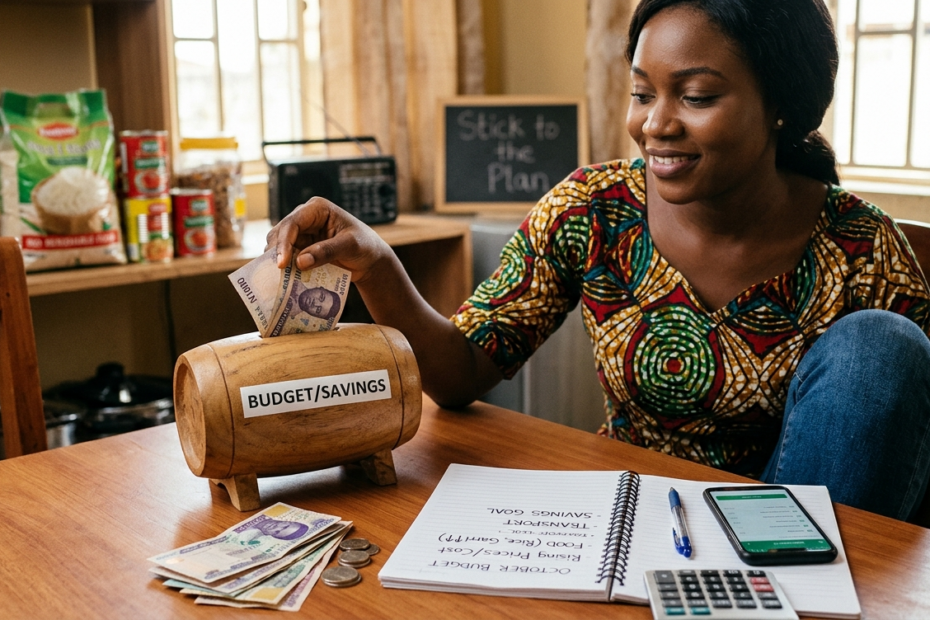
Why Rising Prices Make Budgeting Difficult
Sticking to a budget in Nigeria has become more challenging because prices of goods and services keep changing frequently. Even well-planned budgets can struggle to stay effective in such an environment.
One major reason is that inflation reduces purchasing power. This means the same amount of money buys fewer goods over time. For example, what used to cover a week’s groceries may now only last a few days. As a result, even carefully planned budgets start to feel insufficient.
Another issue is unstable market prices. In many cases, the cost of food items, transport fares, rent, and other essentials can change without warning. This unpredictability makes it difficult to stick to a fixed monthly plan because expenses do not remain constant.
There is also the problem of fixed income versus changing expenses. Many people earn a steady salary or business income, but their expenses keep increasing due to inflation. This imbalance puts pressure on the budget and often forces people to adjust their spending mid-month.
In simple terms, rising prices make budgeting difficult because money value keeps reducing while expenses keep increasing. This is why flexible and adaptable budgeting strategies are necessary to stay financially stable in Nigeria.
Step 4: Reduce Non-Essential Spending
When prices are rising and your budget becomes tighter, one of the most effective ways to stay financially stable is to cut back on non-essential expenses. These are areas where spending is optional and can be reduced without affecting your basic survival.
Start with eating out. While it may be convenient, frequent meals from restaurants, fast food vendors, or delivery services are usually more expensive than cooking at home. Reducing how often you eat out can free up a significant portion of your budget during inflation periods.
Next is impulse shopping. This includes unplanned purchases such as clothes, gadgets, accessories, or random items you did not budget for. These small decisions can add up quickly and weaken your financial plan, especially when prices are already high.
You should also consider entertainment cuts during inflation. Activities like outings, movies, subscriptions, and social events can be reduced temporarily when money is tight. This does not mean eliminating enjoyment completely, but prioritizing financial stability until conditions improve.
In simple terms, reducing non-essential spending helps you protect your budget during tough economic times. It ensures that your limited income is focused on what truly matters while avoiding unnecessary financial pressure.
Step 5: Buy in Bulk and Shop Smart
One effective way to manage rising prices in Nigeria is to change how and when you shop. Instead of buying small quantities frequently at higher prices, you can reduce costs by being more strategic with your purchases.
Start with bulk buying, especially for non-perishable or frequently used items like rice, garri, beans, oil, toiletries, and household supplies. Buying in larger quantities often reduces the cost per unit, helping you save more in the long run and reduce the impact of price fluctuations.
Next, make it a habit to compare prices across different markets or vendors. Prices for the same item can vary depending on location, seller, or timing. Taking a little time to compare options can help you find better deals and avoid overpaying.
You should also use a seasonal purchasing strategy. Some items are cheaper at certain times of the year when they are in abundance. Buying during these periods allows you to take advantage of lower prices and stock up before costs increase again.
In simple terms, shopping smart is about planning ahead and making intentional buying decisions. It helps you stretch your budget further and reduce the pressure caused by inflation and rising living costs.