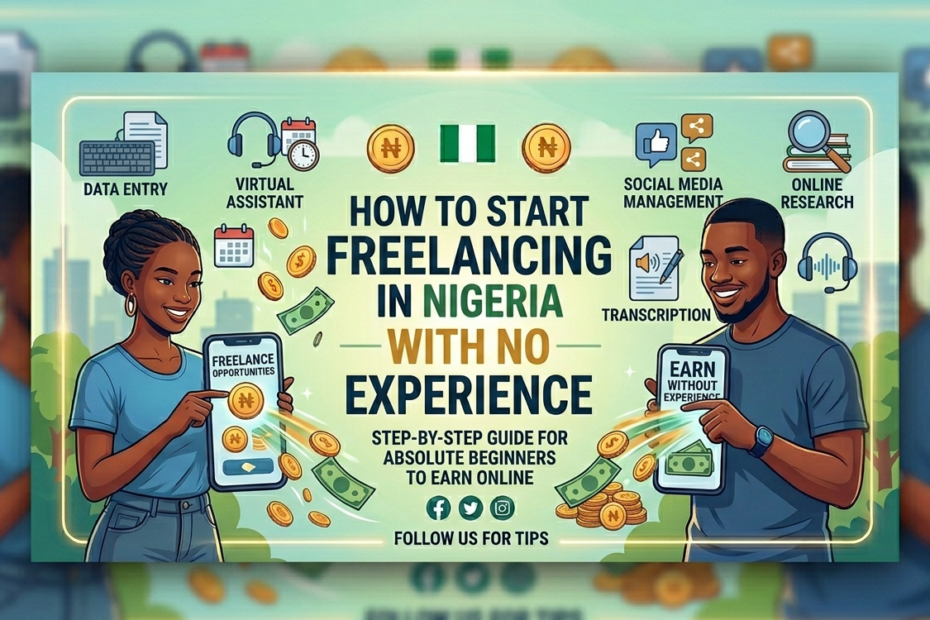
Freelancing simply means working for different clients independently instead of being employed full-time in a company. As a freelancer, you offer your skills online or remotely and get paid based on each task, project, or sometimes per hour.
Unlike a traditional 9–5 job, you don’t need to report to an office or work under a fixed schedule—you choose when and where you work, as long as you deliver results.
In Nigeria, freelancing is growing rapidly because of several factors. Many young people are facing unemployment or underemployment, while internet access and smartphone usage continue to increase.
At the same time, global platforms now allow Nigerians to work for clients abroad and earn in foreign currency. This makes freelancing an attractive option for people looking for flexible work, financial independence, and access to international opportunities without leaving their home.
Why Freelancing is a Good Option in Nigeria
Freelancing is becoming one of the best career choices in Nigeria because it offers freedom, flexibility, and access to global income opportunities.
One of the biggest advantages is the ability to earn in dollars or other foreign currencies. This is very important because it allows Nigerians to earn more value compared to local currency rates, especially when working with international clients on platforms like Upwork or Fiverr.
Another benefit is that you can work from home or anywhere. You don’t need to rent an office or spend money on transportation. As long as you have a smartphone or laptop and internet access, you can deliver your work from anywhere.
Freelancing also does not require a degree for most skills. What matters more is your ability to do the job well, whether it’s writing, graphic design, video editing, programming, or social media management. This makes it open to almost everyone willing to learn.
Finally, freelancing offers flexible time, which is very useful for students or people with other responsibilities. You can choose when to work, take breaks when needed, and still earn income without a fixed 9–5 schedule.
Freelancing Skills You Can Start With (No Experience Needed)
If you are new to freelancing, the good news is that you don’t need years of experience to get started. What matters most is learning a skill and practicing it consistently until you become good enough to serve clients.
One of the easiest skills to begin with is content writing. This involves writing blog posts, articles, captions, or website content for businesses. If you can write clearly in simple English, you can start learning and improving over time.
Another beginner-friendly skill is graphics design using Canva. Canva makes it easy to create flyers, social media posts, logos, and banners without needing advanced design knowledge. Many freelancers start here because it is simple and in high demand.
Social media management is also a great option. This means helping businesses manage their Instagram, Facebook, or TikTok pages by posting content, replying to messages, and growing their audience.
You can also learn virtual assistance, where you help business owners with tasks like replying to emails, scheduling appointments, or managing small online tasks.
Data entry is another simple skill that involves typing or organizing information into spreadsheets or documents. It does not require advanced technical knowledge.
Finally, basic video editing using mobile apps like CapCut or InShot is a valuable skill. Many businesses and content creators need simple edited videos for social media.
Overall, the most important thing to understand is that skill matters more than experience. Clients are not always looking for experts—they are looking for people who can deliver results. If you focus on learning and practicing one skill well, you can start earning even as a beginner.
How to Build Your First Portfolio (Even Without Clients)
A portfolio is a collection of your work that shows clients what you can do. Even if you have never worked for anyone before, you can still create a strong portfolio using practice projects.
One of the easiest ways is to create sample works (fake projects). For example, if you are a graphic designer, you can design a flyer for a fake business. If you are a writer, you can write blog posts on topics you like. These samples show your skills clearly.
You can also redesign existing brands or content. For instance, you can take a known company’s logo, social media page, or advertisement and improve it as practice. This helps you show creativity and skill improvement.
If you are a writer, you can write sample articles, blog posts, or captions on different topics. If you are into design or video editing, you can create sample visuals or short edited videos to demonstrate your ability.
After creating your work, organize everything and upload it to Google Drive or Canva links. You can also use free platforms like Behance or even a simple PDF portfolio. Then, share the link with potential clients when applying for jobs.
This step is very important because your portfolio is what convinces clients to trust you—even if you have no experience yet.
How Much Can Beginners Earn?
Freelancing income for beginners is usually small at the start, but it increases as you gain experience and build trust with clients. In the beginning, most freelancers take small gigs ranging from $5 to $50, especially on platforms like Fiverr and Upwork.
These early jobs are not meant to make you rich immediately, but to help you build a portfolio, get reviews, and learn how to work with real clients.
As you improve your skills and gain positive feedback, your earnings can grow steadily. Clients begin to trust your work more, allowing you to charge higher prices for better-quality services. What started as small tasks can grow into $100, $500, or even more per project depending on your skill and consistency.
In the long term, freelancing can become a stable and high-income career, especially when you specialize in in-demand skills like writing, design, or tech services. The key is to start small, stay consistent, and focus on improving your value over time.