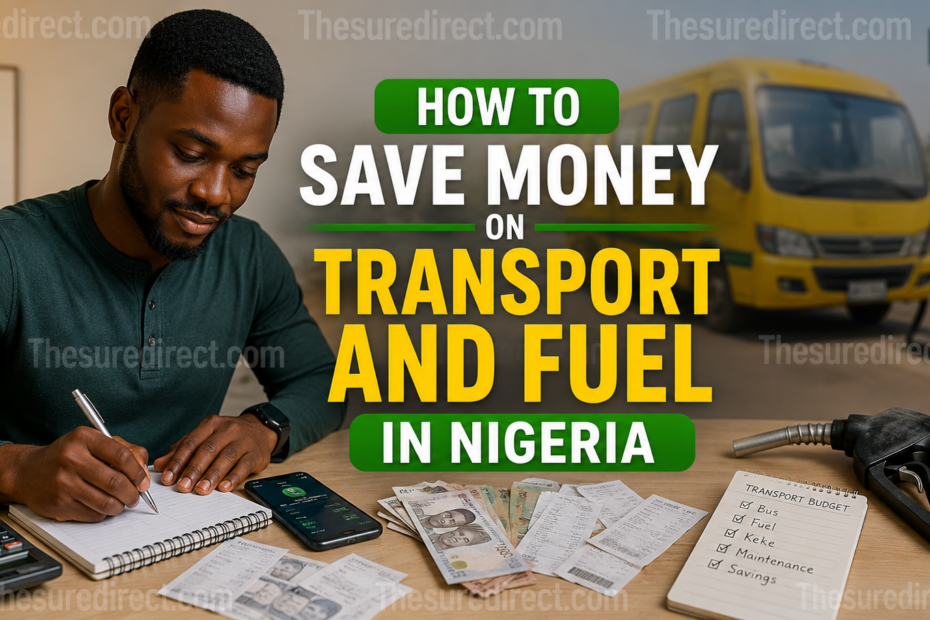
Transportation has become one of the biggest monthly expenses for many Nigerians. Over the past few years, the cost of petrol has risen significantly, leading to higher transport fares and increased expenses for private vehicle owners.
The removal of the fuel subsidy further pushed up fuel prices, making it more expensive to commute, run a business, or travel for daily activities. As a result, many households now spend a large share of their income on transportation, leaving less money for essential needs such as food, rent, healthcare, and savings.
The good news is that you do not have to let rising transport and fuel costs ruin your budget. By making a few smart changes to your daily habits, planning your trips more effectively, and adopting fuel-saving strategies, you can significantly reduce your transportation expenses without sacrificing convenience.
In this guide, you’ll discover practical and realistic tips to help you save money on transport and fuel in Nigeria while keeping your daily routine efficient and affordable.
Why Transportation Costs Are Rising in Nigeria
Transportation costs in Nigeria have increased significantly over the past few years, placing additional financial pressure on individuals, families, and businesses.
Whether you rely on public transportation or own a private vehicle, it is becoming more expensive to move from one place to another. Several economic and infrastructural factors have contributed to this increase, making transportation one of the largest monthly expenses for many households.
Understanding these factors can help you identify where your money is going and take practical steps to reduce your transport and fuel expenses.
Rising Petrol Prices
One of the biggest reasons transportation costs continue to rise in Nigeria is the steady increase in petrol prices. Since petrol powers most commercial vehicles and private cars, any increase in its price immediately affects transport fares and fuel expenses.
Commercial transport operators often pass these higher costs on to passengers, while private vehicle owners spend more money filling their fuel tanks. As fuel prices continue to fluctuate, transportation becomes increasingly expensive for everyone.
Inflation
Inflation has caused the prices of goods and services across Nigeria to rise, and transportation is no exception.
As the cost of living increases, transport operators face higher expenses for fuel, vehicle maintenance, salaries, and other operating costs.
To remain profitable, they often increase transport fares. This means commuters end up paying more for the same journeys they previously made at lower costs.
Poor Road Conditions
Many roads across Nigeria are in poor condition, with potholes, erosion, and inadequate maintenance making travel slower and more difficult.
Bad roads increase fuel consumption because vehicles often move at inconsistent speeds, spend more time in traffic, and suffer greater wear and tear.
Drivers also incur higher maintenance costs due to damaged tyres, suspension systems, and other vehicle components, all of which contribute to higher transport fares.
Higher Transport Fares
Commercial transport fares have risen considerably in response to increasing operating costs. Bus drivers, taxi operators, tricycle riders, and motorcycle riders all face higher expenses for fuel, spare parts, and vehicle repairs.
As a result, passengers now spend a larger portion of their monthly income on daily commuting, reducing the amount available for savings and other essential needs.
Vehicle Maintenance Costs
Owning a vehicle has become more expensive due to the rising cost of maintenance. Routine servicing, engine oil changes, tyre replacements, brake repairs, and other maintenance tasks now cost much more than they did a few years ago.
Vehicle owners must budget for these expenses, while commercial drivers often recover these costs by increasing transportation charges.
Currency Depreciation
The depreciation of the Nigerian naira has significantly increased the cost of imported vehicle parts, lubricants, tyres, and maintenance equipment.
Since many automotive products used in Nigeria are imported, a weaker currency makes them more expensive. This leads to higher vehicle maintenance costs, which eventually translate into increased transport fares and fuel-related expenses for consumers.
Increased Cost of Spare Parts
The prices of essential spare parts such as batteries, shock absorbers, brake pads, filters, tyres, and engine components have risen sharply. Whether caused by inflation, import costs, or supply chain challenges, these increases make vehicle ownership more expensive.
Commercial transport operators often adjust their fares to recover these additional expenses, while private car owners must allocate more money to keeping their vehicles roadworthy.
Longer Commuting Times Because of Traffic
Heavy traffic congestion in many Nigerian cities means people spend more time on the road every day. Vehicles consume more fuel while idling in traffic or moving slowly over long periods, increasing daily fuel expenses.
Commuters also lose valuable time that could have been used for productive activities. Frequent traffic jams make transportation less efficient and significantly increase the overall cost of travelling.
Understanding these factors explains why transportation expenses continue to rise in Nigeria. While many of these challenges are beyond individual control, there are practical strategies you can adopt to reduce your transport and fuel costs.
The next sections of this guide will show you how to achieve meaningful savings without compromising your daily routine.
Know Exactly How Much You Spend on Transport Every Month
Many people struggle to save money on transport because they do not know exactly how much they spend each day, week, or month.
Small daily expenses such as bus fares, fuel purchases, bike rides, parking fees, or toll charges may seem insignificant on their own, but they can add up to a substantial amount over time.
Without tracking these costs, it is easy to underestimate your transportation expenses and exceed your monthly budget without realizing it.
Keeping a record of every transport-related expense helps you identify spending patterns and areas where you can cut costs. Once you know how much you spend, you can create a realistic transport budget, reduce unnecessary trips, and make informed decisions that improve your overall financial health.
Track Your Daily Transport Costs
Start by recording every transport expense you make each day. This includes bus fares, taxi rides, tricycle (Keke) fares, motorcycle (Okada) rides, train tickets, parking fees, toll charges, and fuel purchases if you own a vehicle. Even small amounts should be recorded because they contribute to your total monthly spending.
At the end of each day, add up all your transport expenses. This simple habit helps you understand how much you spend daily and prevents money from disappearing without explanation.
Record Every Fuel Purchase
If you drive a car or ride a motorcycle, keep a record of every fuel purchase. Write down the date, the amount spent, and, if possible, the number of litres purchased. You should also note how long the fuel lasts before your next refill.
Tracking your fuel purchases allows you to monitor your vehicle’s fuel consumption and quickly identify any unusual increase that may indicate poor driving habits or mechanical problems affecting fuel efficiency.
Review Your Spending Every Week
At the end of each week, total all your transportation expenses. A weekly review helps you determine whether you stayed within your planned transport budget or spent more than expected.
If you notice that your expenses are consistently higher than your budget, you can make adjustments for the following week, such as combining errands into one trip, using public transportation more often, or reducing unnecessary journeys.
Calculate Your Monthly Transport Expenses
At the end of the month, calculate your total transport spending by adding together all your daily or weekly expenses. This gives you a clear picture of how much transportation costs you each month.
Knowing your monthly transport expenses makes it easier to prepare a realistic budget and identify opportunities to save money. You may discover that transportation consumes a larger portion of your income than you initially thought, encouraging you to adopt more cost-effective commuting habits.
Use a Notebook to Keep Simple Records
One of the easiest ways to track transport expenses is by using a small notebook or diary. Record every journey, fuel purchase, and transport-related payment as soon as it happens. This method is simple, inexpensive, and does not require internet access or special software.
Developing the habit of writing down your expenses every day can improve your financial discipline and help you become more aware of your spending habits.
Take Advantage of Budgeting Apps
If you prefer digital tools, budgeting apps can make expense tracking easier.
Many personal finance apps allow you to categorize transport expenses, monitor your spending, and view monthly reports automatically. Some apps also let you set spending limits and send alerts when you approach your budget.
Using a budgeting app can save time and provide valuable insights into your transportation spending trends over several months.
Review Your Bank Statements
If you frequently pay for fuel, ride-hailing services, or transport using your debit card, mobile banking app, or electronic transfers, your bank statements can serve as an excellent spending record.
Reviewing your statements each month allows you to verify your transport expenses and identify payments you may have forgotten.
Comparing your bank records with your personal expense tracker also helps ensure that your financial records are accurate and complete.
| Expense | Daily | Monthly |
|---|---|---|
| Bus fare | ₦2,000 | ₦60,000 |
| Fuel | ₦4,000 | ₦120,000 |
| Bike (Okada) | ₦500 | ₦15,000 |
Tracking your transportation expenses may seem like a small task, but it is one of the most effective ways to save money.
Once you know exactly where your money is going, you can make smarter financial decisions, eliminate unnecessary spending, and develop practical strategies to reduce your transport and fuel costs over time.
Create a Monthly Transport Budget
Creating a monthly transport budget is one of the most effective ways to control your transportation expenses and prevent unnecessary spending.
Without a budget, it is easy to spend more on fuel, bus fares, taxis, or ride-hailing services than you intended, leaving less money for other important financial priorities. A transport budget gives you a clear spending limit and helps you manage your income more wisely.
Instead of guessing how much you will spend each month, use the information you gathered from tracking your transport expenses to create a realistic budget.
Your budget should reflect your daily commuting needs, lifestyle, and income while leaving room for unexpected situations. A well-planned transport budget not only helps you save money but also reduces financial stress and makes it easier to achieve your savings goals.
Allocate a Fixed Amount for Transportation
Start by deciding how much of your monthly income you can comfortably spend on transportation. This amount should cover your regular commuting expenses, whether you use public transport or drive your own vehicle.
For example, if your monthly transport expenses average ₦70,000, set this as your transport budget and make a conscious effort not to exceed it.
If you notice that your spending is consistently higher than your budget, look for practical ways to reduce costs, such as carpooling, combining multiple errands into one trip, or using public transportation more often.
Having a fixed spending limit encourages discipline and prevents unnecessary trips that can quickly increase your transport expenses.
Plan for Transport Emergencies
Unexpected transportation expenses can arise at any time. Your car may develop a mechanical fault, fuel prices may suddenly increase, or you may need to travel urgently for work, family matters, or medical emergencies.
Without a financial cushion, these unexpected costs can disrupt your monthly budget.
To avoid this, include an emergency allowance in your transport budget. Setting aside a small amount each month for unforeseen transport expenses can help you handle emergencies without borrowing money or dipping into your savings. Even a modest reserve can make a significant difference when unexpected situations occur.
Separate Fuel Money from Other Expenses
If you own a vehicle, avoid mixing your fuel budget with money meant for groceries, entertainment, or other household expenses. Setting aside fuel money at the beginning of the month helps ensure that you always have funds available for your essential journeys.
You can keep your fuel budget in a separate bank account, mobile wallet, envelope, or clearly labelled section of your budget planner. Separating fuel expenses from other spending categories also makes it easier to monitor your fuel consumption and identify opportunities to reduce unnecessary driving.
Review Your Budget Every Month
A transport budget should not remain the same forever. Fuel prices, transport fares, income, and commuting needs can change over time, so it is important to review your budget at the end of every month.
Compare your planned transport budget with your actual spending. If you spent less than expected, consider adding the extra money to your savings or emergency fund.
If you spent more, identify the reasons and make adjustments for the following month. Regular reviews help you improve your budgeting skills, eliminate wasteful spending, and keep your transportation costs under control.
A monthly review also allows you to respond quickly to changes in fuel prices, transport fares, or your daily travel routine, ensuring that your budget remains realistic and effective throughout the year.
Creating and following a monthly transport budget requires consistency, but the rewards are well worth the effort.
By allocating a fixed amount for transportation, preparing for emergencies, separating fuel money from other expenses, and reviewing your budget regularly, you can reduce financial pressure, spend more wisely, and save money on transport and fuel in Nigeria.
Plan Your Trips to Reduce Fuel Consumption
Proper trip planning is one of the easiest and most effective ways to save money on fuel in Nigeria. Many people waste fuel by making several unnecessary trips, taking longer routes, or driving during periods of heavy traffic.
These habits increase fuel consumption, wear out your vehicle more quickly, and lead to higher transportation costs over time.
By planning your journeys in advance, you can reduce the number of kilometres you drive, spend less time on the road, and make every litre of fuel go further. Whether you use your car for work, business, or personal errands, a little planning can result in significant savings each month.
Combine Multiple Errands into One Trip
Instead of making separate trips throughout the day, try to combine several errands into a single journey.
For example, if you need to visit the bank, buy groceries, pick up a prescription, and stop by the market, plan your route so you can complete all these tasks before returning home.
Combining errands reduces the number of times you start your vehicle, lowers your overall fuel consumption, and saves valuable time. It also helps reduce wear and tear on your vehicle, which can lower maintenance costs in the long run.
Avoid Unnecessary Driving
Not every journey requires you to use your car. Before driving, ask yourself whether the trip is truly necessary or if it can be postponed, completed online, or combined with another outing.
For example, instead of driving to the supermarket every day for a few items, prepare a shopping list and buy everything you need for the week in one visit.
Likewise, consider using online banking, paying bills digitally, or making phone calls instead of travelling for tasks that can be completed remotely.
Reducing unnecessary driving not only saves fuel but also helps you spend less on vehicle maintenance and parking fees.
Use Navigation Apps
Navigation apps such as Google Maps and Waze can help you find the quickest and most fuel-efficient routes to your destination.
These apps provide real-time traffic updates, road closures, accidents, and alternative routes, allowing you to avoid unnecessary delays.
Spending less time stuck in traffic means your vehicle burns less fuel, and you reach your destination more quickly. Before starting any long journey, check a navigation app to identify the best route and avoid congested roads whenever possible.
Choose Shorter and More Efficient Routes
The shortest route is not always the fastest, but selecting the most efficient route can significantly reduce your fuel consumption. Avoid roads with frequent traffic lights, poor road conditions, or constant congestion if there is a better alternative.
Taking a well-planned route reduces the distance you travel and the amount of time your engine spends running, helping you save money on fuel while making your trips more convenient.
Drive During Off-Peak Hours
Heavy traffic is one of the biggest causes of excessive fuel consumption in many Nigerian cities. During rush hours, vehicles spend long periods moving slowly or idling in traffic, wasting fuel without covering much distance.
Whenever your schedule allows, plan your trips outside peak traffic periods. Travelling early in the morning, during mid-morning, or later in the evening can help you avoid congestion, shorten your travel time, and reduce the amount of fuel your vehicle consumes.
Planning your trips may seem like a simple habit, but it can have a noticeable impact on your monthly transport and fuel expenses.
By combining multiple errands into one journey, avoiding unnecessary driving, using navigation apps, choosing efficient routes, and travelling during off-peak hours, you can reduce fuel consumption, save money, and make your daily travel more efficient.
Use Public Transportation When It Makes Financial Sense
Owning and driving a car offers convenience and flexibility, but it is not always the most economical option. With the rising cost of petrol, vehicle maintenance, insurance, parking fees, and repairs, using public transportation can often be a smarter financial decision.
While there are situations where driving your own vehicle is necessary, there are many occasions when public transport can help you reduce your monthly transportation expenses without significantly affecting your comfort or productivity.
The key is to compare the cost of each travel option before every trip. By choosing the most cost-effective means of transportation based on your destination and purpose, you can save a considerable amount of money over time.
Going to Work
If you commute to work every weekday, using public transportation may be more affordable than driving your own car. Daily fuel costs, parking fees, and vehicle wear and tear can quickly add up, especially if your workplace is far from home.
If reliable buses, trains, or company transportation are available, compare their total cost with the amount you spend on fuel and maintenance. Many workers discover that leaving their cars at home a few days each week can lead to substantial monthly savings.
Visiting Markets
Shopping trips are another opportunity to save money through public transportation. If you are purchasing only a few items, taking a bus, taxi, or tricycle (Keke) may cost much less than driving your own car, especially when you consider fuel and parking expenses.
However, if you are buying large quantities of groceries or bulky household items, driving your own vehicle may be more practical. The best option depends on the size of your purchases and the total cost of each transport method.
School Runs
Parents often spend a significant amount on transporting children to and from school. If the school offers a safe and reliable school bus service, it may be more economical than driving every day.
Some parents also reduce costs by arranging carpooling with trusted neighbours or relatives whose children attend the same school.
Choosing the most affordable and convenient option for school runs can help reduce fuel expenses while saving valuable time during busy mornings.
Inter-State Travel
For long-distance journeys, public transportation is often more cost-effective than driving your own vehicle. Luxury buses and trains, where available, allow you to travel without worrying about fuel costs, toll fees, vehicle servicing, or the physical stress of driving for several hours.
Unless you are travelling with a large family or carrying heavy luggage, inter-state buses and trains are usually cheaper than using a private vehicle. They can also reduce the risk of unexpected repair costs that may arise during long journeys.
Compare Your Transportation Options
Before deciding how to travel, compare the total cost, convenience, and purpose of your trip. The table below provides a simple comparison of common transportation options.
| Transportation Option | Advantages | Disadvantages | Best For |
|---|---|---|---|
| Driving Your Own Car | Flexible, comfortable, convenient for families and multiple errands | High fuel costs, maintenance expenses, parking fees, traffic stress | Family outings, carrying heavy items, multiple destinations |
| Bus | Affordable, widely available, no fuel or maintenance costs | Can be crowded and less flexible | Daily commuting, market visits, inter-state travel |
| Train (Where Available) | Comfortable, reliable, avoids road traffic, cost-effective for long distances | Limited routes and availability | Inter-state travel and commuting in areas with rail services |
| Staff Bus | Often free or heavily subsidized by employers | Fixed schedules and limited routes | Employees travelling to and from work |
| Company Transport | Reduces personal transport expenses, convenient and reliable | Available only to eligible employees | Daily office commuting |
Using public transportation whenever it makes financial sense does not mean giving up the convenience of owning a car. Instead, it means making smart decisions based on the purpose and cost of each trip.
By comparing your options and choosing the most economical mode of transport, you can significantly reduce your monthly transport and fuel expenses while keeping more money available for savings and other financial goals.
Carpooling, also known as ride-sharing, is one of the simplest and most effective ways to reduce transport and fuel expenses in Nigeria.
Instead of everyone driving separate vehicles to the same destination, two or more people share one vehicle and contribute to the cost of the journey. This arrangement helps everyone spend less on transportation while making better use of available vehicles.
With the rising cost of petrol and vehicle maintenance, carpooling has become an increasingly practical option for people who travel similar routes every day.
Whether you are commuting to work, attending religious services, taking children to school, or travelling within your neighbourhood, sharing rides can significantly reduce your monthly transportation expenses.
Split Fuel Costs
One of the biggest advantages of carpooling is that it allows passengers to share fuel expenses. Instead of one person paying the full cost of petrol for every trip, everyone contributes a fair amount based on the agreed arrangement.
For example, if four colleagues travel together to the same workplace, each person can contribute toward the fuel cost. This makes commuting much more affordable than everyone driving separate vehicles and paying for their own fuel.
Reduce Wear and Tear on Your Vehicle
Driving every day causes gradual wear and tear on your vehicle. Frequent use leads to faster tyre wear, more regular servicing, increased oil changes, and additional repairs.
By sharing rides and taking turns driving, your vehicle spends less time on the road, helping to extend its lifespan.
Reduced mileage also means lower maintenance costs over time, allowing you to save money not only on fuel but also on vehicle repairs and servicing.
Lower Parking Expenses
Parking fees can become a significant expense, especially in busy cities, office complexes, shopping centres, and event venues. When several people travel together in one vehicle instead of multiple cars, only one parking space is needed.
This reduces the total amount spent on parking and can also make it easier to find available parking spaces in crowded areas. Over time, these savings can make a noticeable difference to your monthly transport budget.
Enjoy a Less Stressful Journey
Driving through heavy traffic every day can be physically and mentally exhausting. Sharing rides allows drivers to take turns behind the wheel, reducing fatigue and making daily commuting less stressful.
Passengers can also use the travel time more productively by reading, responding to emails, planning their day, or simply relaxing instead of concentrating on driving through traffic.
A shared journey can also be more enjoyable, as it provides an opportunity to socialize and build stronger relationships with fellow commuters.
Carpool with Office Workers
If you and your colleagues live in the same area or along similar routes, consider arranging a regular carpool. You can rotate driving responsibilities or agree on a fair contribution toward fuel and maintenance costs.
Carpooling with colleagues not only reduces transport expenses but also helps everyone arrive at work together and on time, especially during periods of heavy traffic.
Share Rides with Church Members
Many people attend the same church every week from nearby communities. Organizing shared transportation with fellow church members can reduce fuel costs and eliminate the need for multiple vehicles travelling to the same location.
This arrangement is especially useful for midweek services, special programmes, and large church events where parking spaces may be limited.
Coordinate School Runs with Other Parents
Parents whose children attend the same school can work together by taking turns driving the children to and from school. This reduces the number of daily trips each parent makes, lowers fuel expenses, and saves valuable time.
To ensure safety, parents should establish clear schedules, agree on pickup and drop-off times, and communicate regularly about any changes.
Share Rides with Neighbours
Neighbours who work in the same area or frequently travel to similar destinations can benefit from ride-sharing arrangements. Whether commuting to work, visiting the market, or attending community events, travelling together helps reduce fuel consumption and transportation costs for everyone involved.
Building trust and maintaining clear communication are important for successful carpooling with neighbours, ensuring that the arrangement remains convenient and beneficial for all participants.
Sharing rides is a practical and cost-effective strategy for reducing transport and fuel expenses without sacrificing convenience. By splitting fuel costs, reducing vehicle wear and tear, lowering parking expenses, and making daily commuting less stressful, carpooling can help you save a significant amount of money over time.
Whether you share rides with colleagues, church members, fellow parents, or neighbours, this simple habit can make transportation more affordable while promoting stronger community relationships.
Keep Your Vehicle Properly Maintained
Proper vehicle maintenance is one of the most effective ways to reduce fuel consumption and lower transportation costs. Many drivers focus only on buying fuel, but they overlook the condition of their vehicles.
A poorly maintained vehicle has to work harder to perform efficiently, causing it to consume more fuel and increasing the likelihood of costly breakdowns.
Routine maintenance not only improves your vehicle’s performance but also extends its lifespan, enhances safety, and helps you avoid expensive repairs. Spending a small amount on preventive maintenance today can save you a significant amount of money on fuel and repairs in the future.
Service Your Vehicle Regularly
Regular vehicle servicing ensures that all major components are inspected and functioning correctly. During a service, mechanics typically check the engine, filters, fluids, belts, tyres, suspension, and other essential parts to identify potential problems before they become serious.
Always follow the service schedule recommended by your vehicle’s manufacturer or your trusted mechanic. Skipping routine servicing may seem like a way to save money, but it often results in reduced fuel efficiency, poor engine performance, and more expensive repairs later.
Change Your Engine Oil on Time
Engine oil lubricates the moving parts of your engine, reducing friction and preventing excessive wear. Over time, engine oil becomes dirty and loses its effectiveness, forcing the engine to work harder than necessary.
Changing your engine oil at the recommended intervals helps your engine run smoothly and efficiently, which can improve fuel economy.
Always use the type and grade of engine oil specified by your vehicle’s manufacturer, as using the wrong oil can negatively affect performance and increase fuel consumption.
Replace Dirty Air Filters
Your vehicle’s air filter prevents dust, dirt, and other particles from entering the engine. When the air filter becomes clogged, the engine receives less clean air, disrupting the proper air-to-fuel ratio needed for efficient combustion.
A dirty air filter can reduce engine performance and increase fuel consumption. Inspect your air filter regularly and replace it whenever it becomes dirty or according to the manufacturer’s maintenance schedule. A clean air filter allows the engine to breathe properly and operate more efficiently.
Maintain Proper Wheel Alignment
Incorrect wheel alignment causes your tyres to drag instead of rolling smoothly, creating additional resistance as you drive. This extra resistance forces the engine to use more fuel to move the vehicle.
Signs of poor wheel alignment include uneven tyre wear, the vehicle pulling to one side, or a steering wheel that is not centred while driving straight. Having your wheels aligned regularly improves fuel efficiency, extends tyre life, and provides a smoother driving experience.
Keep Your Brakes in Good Condition
Faulty or dragging brakes create unnecessary resistance that makes the engine work harder. In some cases, worn brake components may not release completely after braking, causing the wheels to slow down even when you are accelerating.
Regular brake inspections help identify worn brake pads, damaged discs, or other issues before they become serious. Well-maintained brakes improve both fuel efficiency and road safety.
Replace Worn Spark Plugs
Spark plugs play an important role in igniting the air and fuel mixture inside your engine. When spark plugs become worn or dirty, combustion becomes less efficient, causing the engine to misfire or burn more fuel than necessary.
Replacing old spark plugs at the recommended intervals helps maintain smooth engine performance, improves acceleration, and reduces fuel consumption. This simple maintenance task can make a noticeable difference in your vehicle’s overall efficiency.
Maintain Your Vehicle’s Battery
A healthy battery ensures that your vehicle’s electrical system operates correctly and that the engine starts without difficulty. A weak or failing battery can place additional strain on other components and may lead to starting problems that require costly repairs.
Inspect the battery terminals regularly for corrosion, ensure the connections are tight, and replace the battery when it reaches the end of its service life. Proper battery maintenance contributes to reliable vehicle performance and helps prevent unexpected breakdowns.
How Poor Vehicle Maintenance Increases Fuel Consumption
Neglecting routine maintenance can significantly increase the amount of fuel your vehicle uses.
Dirty air filters restrict airflow, old engine oil increases friction, worn spark plugs reduce combustion efficiency, misaligned wheels create extra resistance, and faulty brakes make the engine work harder than necessary.
Together, these problems force your vehicle to burn more fuel to achieve the same level of performance.
Poor maintenance can also lead to frequent breakdowns, expensive repairs, and a shorter vehicle lifespan. What may seem like a way to save money by postponing maintenance often results in much higher fuel costs and repair bills over time.
Keeping your vehicle properly maintained is a smart financial decision. Regular servicing, timely engine oil changes, clean air filters, proper wheel alignment, well-maintained brakes, functioning spark plugs, and a healthy battery all work together to improve fuel efficiency.
By making vehicle maintenance a priority, you can reduce your transport and fuel expenses, improve your vehicle’s reliability, and enjoy safer, more economical driving throughout the year.
Drive in a Fuel-Efficient Manner
The way you drive has a direct impact on how much fuel your vehicle consumes. Even if your car is well maintained, poor driving habits can cause it to burn more fuel than necessary.
Fortunately, adopting fuel-efficient driving techniques is one of the easiest ways to reduce transport costs without spending extra money.
Fuel-efficient driving is not about driving slowly all the time. Instead, it involves driving smoothly, anticipating traffic conditions, and avoiding habits that force your engine to work harder.
Over time, these simple adjustments can lead to noticeable savings on your monthly fuel expenses while also reducing wear and tear on your vehicle.
Avoid Speeding
Driving at very high speeds significantly increases fuel consumption because the engine has to work harder to overcome air resistance. Although speeding may help you reach your destination a little faster, it often results in more frequent fuel purchases and higher transportation costs.
Always obey speed limits and drive at a reasonable speed. Maintaining a moderate speed not only improves fuel efficiency but also enhances road safety and reduces the risk of accidents.
Avoid Rapid Acceleration
Pressing the accelerator hard when moving from a stop or overtaking other vehicles causes your engine to use more fuel in a short period. Aggressive acceleration also places unnecessary strain on your engine, tyres, and transmission.
Instead, accelerate gently and gradually. Smooth acceleration allows your engine to operate more efficiently and helps conserve fuel, especially during city driving where frequent stops are common.
Maintain a Steady Speed
Constantly speeding up and slowing down wastes fuel because the engine repeatedly works harder to regain speed. Maintaining a consistent speed whenever traffic conditions permit helps your vehicle use fuel more efficiently.
On highways or open roads, try to keep a steady pace rather than making unnecessary changes in speed. Looking ahead and anticipating traffic flow can also help you avoid sudden braking and acceleration, which contribute to excessive fuel consumption.
Switch Off Your Engine During Long Waits
If you expect to remain stationary for several minutes, such as while waiting for someone, at a railway crossing, or during prolonged traffic delays, consider switching off your engine if it is safe to do so.
Keeping the engine running while the vehicle is not moving wastes fuel without providing any benefit. Turning off the engine during long waits can help reduce fuel consumption, especially if such situations occur regularly.
Avoid Excessive Idling
Idling occurs when your engine is running but the vehicle is not moving. Excessive idling consumes fuel unnecessarily and contributes to engine wear and environmental pollution.
While brief stops at traffic lights are unavoidable, avoid leaving your engine running for extended periods when parked or waiting. Reducing unnecessary idling is a simple habit that can save fuel over time.
Use the Correct Gear
Driving in the appropriate gear helps your engine operate efficiently. Using a gear that is too low for your speed causes the engine to run at unnecessarily high revolutions, while using a gear that is too high can make the engine struggle.
Shift gears smoothly and at the appropriate engine speed according to your vehicle manufacturer’s recommendations.
If you drive an automatic vehicle, ensure it is serviced regularly so the transmission shifts efficiently. Proper gear selection improves fuel economy and reduces strain on the engine.
Avoid Overloading Your Vehicle
Carrying unnecessary weight forces your engine to work harder, resulting in higher fuel consumption. Heavy loads also increase stress on your tyres, suspension, and braking system.
Remove items that you do not need, such as unused tools, old equipment, or heavy objects stored in the boot. If you regularly transport goods, carry only what is necessary for each trip. Keeping your vehicle as light as possible improves fuel efficiency and helps reduce maintenance costs.
Driving in a fuel-efficient manner requires only a few simple changes to your daily habits, but the financial benefits can be significant.
By avoiding speeding, accelerating smoothly, maintaining a steady speed, switching off your engine during long waits, reducing unnecessary idling, using the correct gear, and avoiding overloading your vehicle, you can lower your fuel consumption and save money every month.
These habits also contribute to safer driving, reduced vehicle wear, and a longer lifespan for your car.
Check Tyre Pressure Regularly
Checking your vehicle’s tyre pressure is a simple maintenance task that can help you save money on fuel while improving your safety on the road.
Many drivers overlook their tyres until they become visibly flat or damaged, but even slightly under-inflated tyres can reduce your vehicle’s fuel efficiency and increase your transportation costs.
Tyres with the correct air pressure roll more smoothly and create less resistance against the road. This allows your engine to use less energy to move the vehicle, resulting in lower fuel consumption.
In addition to saving fuel, properly inflated tyres last longer, provide better handling, and reduce the risk of accidents caused by tyre failure.
Avoid Driving with Under-Inflated Tyres
Under-inflated tyres have less air than the manufacturer recommends, causing a larger portion of the tyre to come into contact with the road. This increases rolling resistance, making it harder for your vehicle to move efficiently.
As a result, your engine has to work harder to maintain speed, leading to higher fuel consumption. Under-inflated tyres also generate more heat while driving, increasing the risk of tyre damage or blowouts, especially during long journeys or in hot weather.
Always inflate your tyres to the pressure recommended by your vehicle’s manufacturer. You can usually find this information in the owner’s manual, on the driver’s door frame, or inside the fuel filler flap.
Proper Tyre Pressure Reduces Fuel Consumption
Correctly inflated tyres help your vehicle achieve better fuel economy because they reduce the amount of friction between the tyres and the road. With less rolling resistance, the engine requires less fuel to keep the vehicle moving.
Although the savings from proper tyre pressure may seem small on a single trip, they add up over weeks and months. For drivers who travel long distances or commute every day, maintaining the correct tyre pressure can noticeably reduce monthly fuel expenses.
Extend the Lifespan of Your Tyres
Tyres are a significant investment, and replacing them can be expensive. Maintaining the correct tyre pressure helps ensure that your tyres wear evenly across the tread, allowing them to last longer.
Under-inflated tyres often wear more quickly along the edges, while over-inflated tyres tend to wear excessively in the centre. Both conditions shorten the lifespan of your tyres and may require premature replacement.
By keeping your tyres properly inflated, you can maximize their lifespan, reduce replacement costs, and enjoy better overall vehicle performance.
Improve Your Safety on the Road
Tyre pressure plays an important role in vehicle safety. Tyres with the correct pressure provide better grip, more responsive steering, and shorter braking distances.
They also improve vehicle stability, particularly during emergency manoeuvres or when driving on wet roads.
Driving with under-inflated or over-inflated tyres can reduce your control of the vehicle and increase the likelihood of accidents. Proper tyre maintenance not only saves money but also helps protect you, your passengers, and other road users.
Check Your Tyres Every Week
Make it a habit to check your tyre pressure at least once every week and before embarking on any long journey. Tyres naturally lose a small amount of air over time, and changes in temperature can also affect tyre pressure.
Use a reliable tyre pressure gauge or visit a filling station with an air pressure machine to ensure your tyres are inflated correctly. While checking the pressure, inspect your tyres for cuts, cracks, punctures, uneven wear, or objects lodged in the tread.
Detecting these issues early can prevent costly repairs and improve your safety.
Checking your tyre pressure regularly takes only a few minutes, but it can lead to substantial savings over time.
Properly inflated tyres reduce fuel consumption, extend tyre lifespan, improve vehicle handling, and enhance road safety. By making it a weekly habit, you can lower your transport and fuel costs while keeping your vehicle in excellent condition.
Reduce Unnecessary Car Weight
Many drivers unknowingly carry unnecessary items in their vehicles every day, increasing fuel consumption without realizing it.
Every extra kilogram your vehicle carries forces the engine to work harder, especially during acceleration, climbing hills, and driving in stop-and-go traffic.
Although a single heavy item may not seem significant, the combined weight of several unnecessary objects can noticeably increase your fuel expenses over time.
Reducing unnecessary car weight is a simple and cost-free way to improve fuel efficiency. By removing items you no longer need, your vehicle becomes lighter, making it easier for the engine to move the car while using less fuel. This habit can also improve vehicle performance and reduce wear on your tyres and suspension.
Remove Unused Items from Your Vehicle
Many people use their cars as storage spaces, leaving shopping bags, sports equipment, boxes, and other belongings in the boot or on the back seat for weeks or even months. While these items may seem harmless, they add unnecessary weight that affects fuel efficiency.
Take a few minutes each week to inspect your vehicle and remove anything that is not essential for your daily travel. A cleaner and lighter vehicle consumes less fuel and provides more space for passengers and necessary luggage.
Avoid Carrying Heavy Tools Unnecessarily
Basic emergency tools such as a spare tyre, jack, wheel spanner, and first aid kit are important and should always remain in your vehicle. However, many drivers also carry heavy toolboxes, construction equipment, or mechanical tools that they rarely use.
If these tools are not required for your daily work or current journey, remove them from the vehicle. Carry only the equipment you genuinely need, as reducing excess weight can help improve your vehicle’s fuel economy.
Remove Extra Luggage After Every Trip
After travelling or returning from a family outing, many people forget to remove suitcases, travel bags, camping equipment, or other bulky items from their vehicles. Keeping this extra luggage in your car when it is no longer needed only adds unnecessary weight.
Once your trip is over, unload all unnecessary luggage so your vehicle can operate more efficiently during your daily commute.
Do Not Carry Large Water Containers Unless Necessary
Some drivers keep large containers of water in their vehicles for convenience or emergencies. While carrying a small bottle of drinking water is practical, transporting large water containers every day adds considerable weight.
Unless you specifically need them for your work or a planned journey, avoid keeping heavy water containers in your vehicle. Removing this unnecessary weight can contribute to better fuel efficiency over time.
Clear Out Old Equipment and Unused Items
Old car parts, damaged tyres, unused electronics, broken tools, sports gear, and other equipment often remain in the boot long after they are needed. These forgotten items increase your vehicle’s weight and reduce available storage space.
Make it a habit to clean out your vehicle regularly and dispose of or store items that are no longer required. Keeping only essential items in your car helps reduce unnecessary fuel consumption and keeps your vehicle organized.
How Excess Weight Increases Fuel Consumption
The heavier your vehicle is, the more energy the engine needs to move it. Every additional kilogram increases the workload on the engine, causing it to burn more fuel during acceleration, climbing hills, and driving through traffic.
Excess weight also places greater strain on the tyres, suspension, brakes, and other mechanical components, leading to faster wear and higher maintenance costs.
Although removing a few unnecessary items may not seem like a major change, the savings can add up over time—especially for people who drive long distances every day. A lighter vehicle is more fuel-efficient, easier to handle, and less expensive to maintain.
Reducing unnecessary car weight is one of the simplest ways to lower your transport and fuel expenses in Nigeria.
By removing unused items, heavy tools, extra luggage, large water containers, and old equipment, you can improve your vehicle’s fuel efficiency without spending any money. Combined with other fuel-saving habits, this small change can help you save more on transportation every month.
Buy Fuel from Reliable Filling Stations
Where you buy your fuel can have a significant impact on your vehicle’s performance, fuel efficiency, and maintenance costs.
While it may be tempting to purchase petrol from the cheapest source available, doing so can sometimes cost you more in the long run if the fuel is of poor quality or dispensed inaccurately.
Choosing reputable filling stations helps protect your vehicle, improves engine performance, and ensures you get value for the money you spend.
Reliable filling stations are more likely to maintain quality standards, use properly calibrated fuel pumps, and provide better customer service. Making it a habit to refuel at trusted stations is a simple step that can help you reduce transport and fuel expenses over time.
Avoid Adulterated Fuel
One of the biggest risks of buying fuel from unreliable sources is the possibility of purchasing adulterated fuel. Adulterated fuel is petrol that has been mixed with other substances, reducing its quality and effectiveness.
Using poor-quality fuel can cause engine knocking, difficulty starting your vehicle, reduced performance, and, in severe cases, expensive engine repairs.
To protect your vehicle, buy fuel only from filling stations with a good reputation for selling quality products. Avoid purchasing petrol from unauthorized roadside vendors unless it is an absolute emergency, as the quality and storage conditions may be uncertain.
Improve Engine Performance
High-quality fuel allows your engine to operate as it was designed, providing smoother acceleration, better combustion, and improved fuel efficiency.
When the engine burns clean fuel efficiently, it requires less effort to produce power, helping you travel farther on each tank of petrol.
Consistently using good-quality fuel can also reduce the build-up of deposits inside the engine and fuel system, contributing to better long-term performance and lower maintenance costs.
Ensure Accurate Pump Measurements
Another advantage of buying fuel from reputable filling stations is the likelihood of receiving the correct quantity of fuel for the amount you pay. Well-maintained stations are more likely to use properly calibrated fuel pumps that dispense accurate measurements.
Whenever you buy fuel, pay attention to the pump display to ensure it starts from zero before dispensing begins. Keeping an eye on the meter helps you confirm that you are receiving the quantity of fuel you paid for.
Purchasing fuel from stations known for honesty and transparency helps you avoid unnecessary losses and ensures better value for your money.
Take Advantage of Loyalty Programmes
Some filling stations offer loyalty programmes or customer reward schemes that allow regular customers to earn points, discounts, cashback, or other benefits when they purchase fuel or related products.
While these programmes may not provide huge savings immediately, the rewards can accumulate over time, especially if you drive frequently.
If a trusted filling station offers a free loyalty programme, consider joining it. You may benefit from occasional fuel discounts, promotional offers, free vehicle checks, or rewards that help reduce your overall transportation costs.
Buying fuel from reliable filling stations is about more than convenience—it is a smart financial decision.
By avoiding adulterated fuel, improving your vehicle’s engine performance, ensuring accurate pump measurements, and taking advantage of available loyalty programmes, you can protect your vehicle and get better value from every litre of fuel you purchase.
When combined with other fuel-saving habits, choosing a trusted filling station can help you reduce your monthly transport and fuel expenses while extending the life of your vehicle.
Avoid Last-Minute Fuel Purchases
Waiting until your fuel tank is almost empty before refilling can lead to unnecessary stress and higher transportation costs.
Many drivers postpone buying fuel until the last minute, only to discover that prices have increased or that long queues have formed at filling stations.
In some cases, they may be forced to buy fuel from more expensive stations or unreliable roadside vendors simply because they have no other option.
Planning your fuel purchases in advance allows you to make better financial decisions and avoid paying more than necessary. It also reduces the risk of running out of fuel unexpectedly, especially during long journeys or periods of fuel scarcity.
Avoid Panic Buying When Prices Are About to Increase
Fuel prices can change with little notice, especially during periods of economic uncertainty or supply challenges. When rumours of a price increase spread, many motorists rush to filling stations, creating long queues and increasing demand.
If you regularly monitor fuel prices and refill your tank before expected increases, you can avoid joining panic buyers and paying higher prices.
While it is not always possible to predict every price adjustment, staying informed through reliable news sources and refuelling before major price changes can help you save money over time.
However, avoid buying more fuel than you need or storing petrol in unsafe containers. Purchase only what your vehicle requires and follow proper safety guidelines when handling fuel.
Refill Before Your Tank Is Almost Empty
Many drivers wait until the fuel warning light comes on before visiting a filling station. Although this may seem harmless, it limits your options and can force you to buy fuel wherever it is available, regardless of the price or quality.
Refilling your tank when it reaches about one-quarter full gives you more flexibility to choose a trusted filling station with competitive prices. It also reduces the likelihood of running out of fuel in traffic or during a long journey.
In addition, consistently driving with very little fuel may increase the risk of drawing sediment from the bottom of the fuel tank into the fuel system, which can affect your vehicle’s performance over time.
Monitor Your Fuel Consumption
Keeping track of how quickly your vehicle uses fuel helps you plan your refuelling schedule and identify opportunities to save money.
Record the amount of fuel you buy, the distance you travel, and how often you refill your tank. This information can help you estimate your average fuel consumption and predict when your next refill will be needed.
If you notice that your vehicle is suddenly consuming more fuel than usual, it may indicate poor driving habits, increased traffic, or a mechanical problem that requires attention. Identifying these issues early can help you reduce unnecessary fuel expenses and avoid costly repairs.
Avoiding last-minute fuel purchases is a simple habit that can lead to meaningful savings.
By staying informed about fuel price changes, refilling your tank before it becomes almost empty, and monitoring your fuel consumption, you can avoid panic buying, make smarter purchasing decisions, and keep your monthly transport and fuel costs under control. Careful planning not only saves money but also provides peace of mind whenever you need to travel.
Work From Home When Possible
Working from home has become a practical way for many people to reduce transportation expenses and save money on fuel.
Advances in technology have made it possible for employees, freelancers, and business owners to perform many tasks without travelling to an office every day.
If your job or business allows remote work, even for a few days each month, you can significantly reduce your commuting costs.
Every day you avoid travelling means less money spent on petrol, public transport fares, parking fees, tolls, and vehicle maintenance. In addition to financial savings, working from home can also reduce travel stress, save time, and improve your work-life balance.
Take Advantage of Remote Work Opportunities
Remote work allows employees to perform their duties from home using a computer, internet connection, and communication tools. Many industries, including customer service, software development, accounting, digital marketing, content creation, and administration, now offer remote working opportunities.
If your employer supports remote work, discuss the possibility of working from home occasionally or on a permanent basis. Even working remotely one or two days each week can lead to noticeable savings on fuel and transportation over the course of a month.
Consider a Hybrid Work Schedule
A hybrid work arrangement combines working from home with working in the office. For example, you may work from home three days a week and report to the office on the remaining two days.
This flexible approach allows you to enjoy the benefits of face-to-face collaboration while reducing the number of weekly commutes.
Fewer trips to the office mean lower fuel expenses, reduced transport fares, less vehicle wear and tear, and more time available for personal or family activities.
If your employer does not already offer hybrid work, you can propose a schedule that maintains productivity while reducing unnecessary travel.
Hold Meetings Online Whenever Possible
Many meetings no longer require participants to be physically present. Video conferencing platforms such as Zoom, Google Meet, and Microsoft Teams make it easy to communicate with colleagues, clients, and business partners from virtually anywhere.
If you own a business or work with clients, consider replacing unnecessary physical meetings with virtual ones whenever appropriate.
Conducting meetings online helps eliminate travel costs, saves time, and allows everyone involved to remain productive without spending money on transportation.
Explore Freelancing Opportunities
Freelancing is another excellent way to reduce transport expenses because many freelance jobs can be completed entirely from home.
Writers, graphic designers, programmers, virtual assistants, online tutors, translators, social media managers, and digital marketers often work remotely for clients across Nigeria and around the world.
If you have marketable skills, freelancing can provide additional income while eliminating the daily cost of commuting. Even taking on freelance work as a side business can reduce your dependence on jobs that require frequent travel and help you build multiple sources of income.
How Working from Home Saves Money on Fuel and Transport
Every trip you eliminate reduces your transportation expenses. Working from home means you no longer need to buy fuel for daily commuting, pay bus or taxi fares, or spend money on parking and toll fees.
It also reduces the distance your vehicle travels, which lowers maintenance costs such as engine servicing, tyre replacement, oil changes, and brake repairs.
For example, if you spend ₦4,000 on fuel or public transportation each working day, staying home just two days a week could save you approximately ₦32,000 in a month based on a four-week work schedule.
These savings can be redirected towards your emergency fund, investments, debt repayment, or other financial goals.
Working from home is not possible for every profession, but if your job or business allows it, it can be one of the most effective ways to reduce your transport and fuel expenses.
By embracing remote work, adopting a hybrid schedule, attending online meetings, or exploring freelancing opportunities, you can spend less on transportation while improving your productivity and overall financial well-being.
Live Closer to Your Workplace If Possible
Where you choose to live can have a significant impact on your monthly transportation expenses. Many people rent homes in areas that are far from their workplaces because the rent is cheaper.
While this may seem like a good financial decision at first, the money saved on rent can quickly be offset by high daily transport costs, increased fuel consumption, and the stress of long commutes.
If your financial situation allows, consider living closer to your workplace. Although the rent may be slightly higher, the reduction in transport expenses and the time you save commuting can make it a worthwhile investment.
Before relocating, carefully compare your housing costs with your monthly transportation expenses to determine which option offers the best overall value.
Consider the Rent Versus Transport Trade-Off
When choosing where to live, it is important to look beyond the monthly rent alone. A house with lower rent that is far from your workplace may require you to spend a substantial amount on fuel or public transportation every month.
On the other hand, a house closer to your office may have higher rent but significantly lower commuting costs.
For example, imagine you currently save ₦30,000 each month by renting a cheaper apartment on the outskirts of the city.
However, if you spend an additional ₦45,000 every month on fuel or transport fares because of the long commute, you are actually spending ₦15,000 more overall. In this situation, moving closer to work could reduce your total monthly expenses despite the higher rent.
Before making a decision, calculate your annual transport costs and compare them with the difference in rent. Looking at the bigger financial picture will help you make a more informed choice.
Enjoy Long-Term Financial Savings
Living closer to your workplace can produce significant savings over time. Shorter journeys mean spending less on petrol, public transport fares, parking fees, tolls, and vehicle maintenance.
Your car also experiences less wear and tear, reducing the frequency of servicing, tyre replacements, and other repair costs.
Although you may pay more in rent initially, the money you save on transportation every month can add up to hundreds of thousands of naira over several years.
These savings can be redirected towards important financial goals such as building an emergency fund, investing, buying a home, or paying off debt.
Reduce the Stress of Daily Commuting
Long commutes can be physically exhausting and mentally draining. Spending hours in heavy traffic every day often leads to fatigue, frustration, and less time for family, exercise, or personal activities. It can also reduce your productivity at work and negatively affect your overall well-being.
Living closer to your workplace shortens your daily commute, giving you more time to rest, spend with loved ones, or pursue personal interests.
You are also less likely to experience delays caused by traffic congestion, making it easier to arrive at work on time and start your day with less stress.
Living closer to your workplace is not the right solution for everyone, but it is worth considering if transportation consumes a large portion of your monthly income.
By carefully weighing the trade-off between rent and transport costs, focusing on long-term financial savings, and reducing the stress of daily commuting, you can make a decision that improves both your finances and your quality of life.
Even if relocating is not immediately possible, understanding these factors can help you plan for a more cost-effective living arrangement in the future.
Use Digital Services Instead of Travelling
Technology has made it possible to complete many everyday tasks without leaving your home or office. Instead of travelling across town for banking, shopping, paying bills, or accessing certain services, you can now do many of these activities using your smartphone or computer.
Taking advantage of digital services is a practical way to reduce transport and fuel expenses, especially if you frequently make short trips for routine tasks.
Every unnecessary journey you eliminate saves money on fuel, public transport fares, parking fees, and vehicle maintenance.
It also helps you avoid traffic congestion, reduces travel time, and allows you to use your time more productively. By replacing physical trips with digital alternatives whenever possible, you can significantly lower your monthly transportation costs.
Use Mobile Banking
Gone are the days when you had to visit a bank branch for every financial transaction. Most banks in Nigeria now offer mobile banking apps and internet banking platforms that allow you to transfer money, pay bills, buy airtime and data, check your account balance, and even open accounts without visiting a banking hall.
Using mobile banking reduces the need for frequent trips to the bank, saving both transportation costs and valuable time. It also allows you to complete transactions quickly from almost anywhere.
Shop Online When It Makes Sense
Online shopping has become increasingly popular in Nigeria, allowing people to purchase groceries, household items, electronics, clothing, and many other products without travelling to multiple stores.
If delivery charges are reasonable, shopping online can be more economical than driving from one shop to another, especially when you consider fuel costs, parking fees, and the time spent in traffic.
Before placing an order, compare delivery fees with the cost of travelling yourself to determine which option offers the best value.
Pay Bills Digitally
Many utility bills can now be paid electronically through bank apps, payment platforms, or service provider websites.
Electricity bills, cable television subscriptions, internet services, water bills, and other recurring payments can often be settled without leaving your home.
Making digital payments eliminates unnecessary trips to payment centres and helps you avoid transport expenses while ensuring your bills are paid on time.
Access Government Services Online
Several government agencies now provide online services that reduce the need for physical visits.
Depending on the service, you may be able to complete applications, renew licences, schedule appointments, or make payments through official government websites.
Before travelling to a government office, check whether the service you need is available online. Completing eligible processes digitally can save you both time and transportation costs.
Take Advantage of Food Delivery Services
If you have a busy schedule or only need a few items, food delivery services can sometimes be more cost-effective than driving to a restaurant or supermarket yourself.
Ordering meals or groceries online may help you avoid fuel expenses, parking fees, and the stress of traffic.
However, it is important to compare delivery charges with your expected travel costs. Food delivery is most economical when the delivery fee is lower than the total cost of making the trip yourself.
Consider Telemedicine for Minor Health Consultations
For non-emergency medical concerns, some healthcare providers now offer telemedicine services that allow patients to consult doctors through phone calls or video appointments.
This can be particularly useful for follow-up consultations, discussing test results, or receiving medical advice without travelling to a hospital or clinic.
Telemedicine helps reduce transportation expenses while saving time, especially for people who live far from healthcare facilities. However, serious illnesses and medical emergencies should always be handled through in-person medical care.
How Digital Services Reduce Unnecessary Trips
Many daily journeys are made simply because people are unaware that a digital alternative exists.
Every time you transfer money through your banking app instead of visiting a bank, pay your utility bills online, attend a virtual consultation, or order essential items for delivery, you eliminate the need for a physical trip.
Over the course of a month, these avoided journeys can lead to substantial savings on fuel, public transport fares, parking fees, and vehicle maintenance. In addition, spending less time travelling means you have more time for work, family, and other productive activities.
Using digital services instead of travelling is one of the smartest ways to reduce transport and fuel expenses in Nigeria.
By embracing mobile banking, online shopping, digital bill payments, online government services, food delivery, and telemedicine where appropriate, you can cut unnecessary travel, save money, and make your daily routine more convenient and efficient.
Walk or Ride a Bicycle for Short Distances
Not every journey requires a car, motorcycle, or public transportation. If your destination is nearby, walking or riding a bicycle can be a practical and cost-effective alternative.
Many people automatically choose to drive even for very short trips, such as visiting a nearby shop, pharmacy, or friend’s house. While this may seem convenient, these frequent short journeys can increase your monthly fuel expenses and contribute to unnecessary wear and tear on your vehicle.
Whenever it is safe and practical, consider walking or cycling instead of driving. This simple habit can help you save money, improve your health, and reduce your environmental impact.
Over time, replacing several short car trips each week with walking or cycling can lead to noticeable savings on transport and fuel.
Improve Your Health
Walking and cycling are excellent forms of physical exercise that offer numerous health benefits.
Regular physical activity helps improve cardiovascular health, strengthen muscles and bones, maintain a healthy weight, and increase overall fitness. It can also reduce stress, improve mood, and boost mental well-being.
Unlike driving, which involves sitting for long periods, walking and cycling keep your body active. Even a short 20- to 30-minute walk or bicycle ride each day can contribute to a healthier lifestyle while helping you save money on transportation.
Spend Nothing on Fuel
One of the biggest financial advantages of walking or riding a bicycle is that they require no fuel. Every short journey you complete without using your car or motorcycle reduces your petrol expenses and helps your fuel last longer.
For example, instead of driving to a nearby supermarket or convenience store, you can walk or cycle if the distance is manageable.
Although the savings from a single trip may seem small, avoiding several short car journeys each week can significantly reduce your monthly fuel costs.
Help Protect the Environment
Walking and cycling produce no harmful vehicle emissions, making them environmentally friendly modes of transportation.
Every time you choose to leave your car at home for a short trip, you help reduce air pollution, greenhouse gas emissions, and traffic congestion.
While one person’s decision may seem insignificant, the combined efforts of many people choosing cleaner transportation options can contribute to healthier communities and a cleaner environment.
Choose Walking or Cycling for Short Trips
Walking or riding a bicycle is most suitable for destinations that are close to your home, workplace, or school.
Examples include visiting a neighbourhood supermarket, buying medicine from a nearby pharmacy, collecting small items from a local shop, exercising in a nearby park, visiting friends within your community, or running quick errands that do not involve carrying heavy loads.
Before deciding to walk or cycle, consider factors such as distance, road safety, weather conditions, and the amount of luggage you need to carry.
Always use designated pedestrian walkways or cycling lanes where available, wear visible clothing when travelling in low-light conditions, and follow traffic rules to ensure your safety.
Walking or riding a bicycle for short distances is one of the simplest ways to reduce transport and fuel expenses in Nigeria. In addition to eliminating fuel costs, it improves your physical health, benefits the environment, and reduces wear and tear on your vehicle.
By choosing to walk or cycle whenever it is safe and practical, you can save money while enjoying a healthier and more active lifestyle.
Save Money Through Proper Vehicle Maintenance Budgeting
Many vehicle owners focus only on the cost of buying fuel but overlook the importance of budgeting for regular vehicle maintenance. As a result, routine servicing and necessary repairs are often postponed until a major problem occurs.
This can lead to expensive breakdowns, higher fuel consumption, and unexpected financial stress.
Creating a vehicle maintenance budget helps you prepare for both routine and unexpected expenses without disrupting your monthly finances.
Instead of struggling to find money when your car needs servicing or repairs, you can gradually save a small amount each month.
This approach not only keeps your vehicle in good condition but also helps you avoid costly emergency repairs and improves your vehicle’s fuel efficiency.
Set Aside Money Every Month for Vehicle Maintenance
Treat vehicle maintenance as a regular monthly expense, just like rent, groceries, or electricity bills. Decide on a realistic amount to save each month based on your vehicle’s age, condition, and maintenance history.
For example, setting aside ₦10,000 to ₦30,000 every month can help you cover routine servicing, engine oil changes, filter replacements, and other maintenance costs when they become due. By saving consistently, you reduce the financial burden of paying large repair bills all at once.
Keep this money in a separate savings account or dedicated emergency fund so that it is available whenever your vehicle requires attention.
Prepare for Emergency Repairs
Even well-maintained vehicles can develop unexpected problems. A damaged radiator, faulty alternator, worn suspension, or engine malfunction can occur without warning and may require immediate repairs.
Having a maintenance fund allows you to handle these emergencies without borrowing money, using your rent, or withdrawing from your emergency savings.
Preparing for unexpected repairs also reduces the likelihood of delaying important repairs that could cause more serious and expensive damage if ignored.
Budget for Vehicle Insurance
Vehicle insurance is an important part of responsible car ownership and should be included in your annual maintenance budget. Depending on your needs, you may choose third-party insurance or comprehensive insurance, both of which require regular renewal.
Instead of waiting until your insurance expires, calculate the annual premium and divide it into monthly savings. This makes the renewal cost easier to manage and ensures your vehicle remains properly insured throughout the year.
Plan for Roadworthiness and Licence Renewals
Vehicle owners should also budget for mandatory roadworthiness certificates, vehicle licence renewals, and other legal requirements that may apply in their state. These expenses occur periodically, but many people forget about them until the due date arrives.
Saving a small amount each month helps ensure you have enough money available when these renewals become due. Keeping your documents up to date also helps you avoid penalties, fines, or disruptions while using your vehicle.
Save for Future Tyre Replacement
Tyres do not last forever, and replacing them can be one of the most expensive routine maintenance costs for vehicle owners. Instead of waiting until your tyres become worn out, begin saving towards replacement as soon as you purchase a new set.
Setting aside a small amount every month makes it much easier to afford quality replacement tyres when the time comes. Well-maintained tyres not only improve safety but also enhance fuel efficiency by providing better grip and reducing rolling resistance.
Proper vehicle maintenance budgeting is an investment that pays off over time.
By creating a dedicated maintenance fund, saving monthly for routine servicing, preparing for emergency repairs, budgeting for insurance and roadworthiness renewals, and planning ahead for tyre replacement, you can avoid unexpected financial pressure and keep your vehicle running efficiently.
A well-maintained vehicle consumes less fuel, experiences fewer breakdowns, and costs less to operate, helping you save money on transport and fuel in the long run.
Reduce Traffic Time to Save Fuel
Traffic congestion is one of the biggest reasons drivers spend more on fuel in Nigeria, especially in busy cities such as Lagos, Abuja, Port Harcourt, Ibadan, and Kano.
When vehicles remain stuck in traffic for long periods, they continue to consume fuel while covering very little distance. Frequent stopping, starting, and idling also place extra strain on the engine, increasing fuel consumption and vehicle wear.
Although you cannot completely eliminate traffic, you can reduce the amount of time you spend in it by planning your journeys more effectively.
Making small changes to your travel schedule can help you save fuel, reduce transportation costs, and make your daily commute less stressful.
Leave Home Earlier
One of the simplest ways to avoid heavy traffic is to leave home earlier than usual. Setting out 20 to 30 minutes before the busiest travel period can make a significant difference in your journey time.
Driving before major roads become congested allows you to maintain a steady speed, reducing the amount of fuel your vehicle consumes.
It also lowers the stress of rushing to work or appointments and reduces the likelihood of arriving late.
If leaving earlier is not possible, consider adjusting your daily routine to travel after the busiest traffic period has passed.
Avoid Rush Hour Whenever Possible
Morning and evening rush hours are typically the busiest times on Nigerian roads. During these periods, vehicles often move slowly or remain stationary for long stretches, causing engines to burn fuel unnecessarily.
If your work schedule or personal commitments allow, try to travel during off-peak hours when traffic is lighter.
Running errands in the middle of the day or scheduling non-urgent trips outside peak periods can help you spend less time in traffic and more time reaching your destination.
Use Alternative Roads
Many drivers automatically use the same route every day, even when it is heavily congested. Exploring alternative roads may help you avoid traffic bottlenecks and shorten your journey.
Although an alternative route may sometimes be slightly longer in distance, it can still save fuel if traffic flows more smoothly.
Less time spent stopping and starting often results in better fuel efficiency than remaining stuck on a shorter but heavily congested road.
Before changing your route, consider road conditions, safety, and travel time to ensure it is a practical alternative.
Use Traffic Apps
Traffic and navigation apps such as Google Maps and Waze provide real-time information about road conditions, accidents, construction work, and congestion.
These apps can recommend faster routes and help you avoid roads with heavy traffic.
Checking a traffic app before leaving home or starting a long journey allows you to make informed decisions about the best route to take. This can reduce travel time, lower fuel consumption, and make your trips more predictable.
Even if you already know your destination, using a navigation app can help you avoid unexpected delays that would otherwise increase your fuel expenses.
Plan Your Appointments Wisely
The timing of your appointments can have a major impact on how much time you spend in traffic. Whenever possible, schedule business meetings, medical appointments, shopping trips, or personal visits during periods when roads are less congested.
If you have several appointments on the same day, organize them based on their locations so you can complete them in one area before moving to the next. This reduces unnecessary driving, avoids repeated trips across the city, and helps you use less fuel.
Careful appointment planning also gives you more flexibility to choose the best travel times, making your day more productive while lowering transportation costs.
Reducing the time you spend in traffic is an effective way to save money on fuel and transportation.
By leaving home earlier, avoiding rush hour, using alternative roads, relying on traffic apps, and planning your appointments efficiently, you can reduce fuel consumption, minimize vehicle wear and tear, and enjoy a smoother, less stressful commute.
Over time, these simple habits can lead to significant savings and improve your overall driving experience.
Consider Fuel-Efficient Vehicles
If you plan to buy a new or used vehicle, fuel efficiency should be one of your top priorities.
While the purchase price is important, the long-term cost of owning and operating a vehicle can vary greatly depending on how much fuel it consumes.
Choosing a fuel-efficient vehicle can significantly reduce your monthly transport expenses, especially if you drive long distances or commute every day.
Upgrading to a more fuel-efficient vehicle does not necessarily mean buying the newest or most expensive model. Instead, it means selecting a vehicle that meets your transportation needs while keeping fuel and maintenance costs as low as possible.
Before making a purchase, compare different vehicle options and consider both the upfront cost and the long-term savings they can provide.
Consider Small-Engine Cars
Vehicles with smaller engine sizes generally consume less fuel than those with larger engines because they require less energy to operate.
For individuals or small families who mainly drive within cities, a compact car with a modest engine may provide all the performance they need while keeping fuel costs under control.
However, the engine size should match your driving needs. If you frequently carry heavy loads or travel on difficult terrain, a slightly larger engine may be more suitable. The goal is to choose a vehicle that balances performance with fuel efficiency rather than paying for power you rarely use.
Explore Hybrid Vehicles
Hybrid vehicles combine a petrol engine with an electric motor, allowing them to use less fuel than conventional petrol-powered vehicles.
They are particularly efficient in city traffic because the electric motor can assist the engine during low-speed driving and frequent stop-and-go conditions.
Although hybrid vehicles often cost more to purchase initially, the lower fuel consumption can lead to substantial savings over the years.
Before buying a hybrid, ensure that qualified technicians, replacement parts, and maintenance services are available in your area so that servicing the vehicle will be convenient and affordable.
Consider Motorcycles for Suitable Journeys
For individuals who travel alone and cover relatively short distances, a motorcycle can be a more fuel-efficient alternative to a car.
Motorcycles generally consume much less fuel, making them a popular option for daily commuting and business activities.
However, this option is not suitable for everyone. Before choosing a motorcycle, consider factors such as road safety, weather conditions, the amount of luggage you need to carry, and your level of riding experience. Always wear appropriate safety gear and comply with traffic regulations whenever you ride.
Check Fuel Economy Ratings
Before purchasing any vehicle, review its fuel economy rating. This rating indicates how efficiently the vehicle uses fuel and can help you estimate your future fuel expenses.
A vehicle with better fuel economy will generally travel a longer distance using the same amount of petrol, reducing your monthly transportation costs.
If you are buying a used vehicle, do not rely solely on the manufacturer’s specifications. Ask about the vehicle’s maintenance history, inspect its condition, and, if possible, consult a trusted mechanic.
A poorly maintained vehicle may consume more fuel than expected, even if it originally had an excellent fuel economy rating.
What to Consider Before Upgrading Your Vehicle
Buying a more fuel-efficient vehicle is a significant financial decision, so it is important to evaluate all the costs involved before making an upgrade.
Consider not only the purchase price but also insurance premiums, maintenance expenses, spare part availability, servicing costs, resale value, and your expected annual fuel savings.
You should also think about how you use your vehicle. If your current car is reliable and in good condition, improving your driving habits and maintaining it properly may be more cost-effective than replacing it immediately.
On the other hand, if your vehicle consumes excessive fuel, requires frequent repairs, and has become expensive to maintain, upgrading to a more fuel-efficient model could save you money in the long run.
Choosing a fuel-efficient vehicle is a smart investment for anyone looking to reduce transport and fuel expenses in Nigeria.
Whether you opt for a small-engine car, a hybrid vehicle, or a motorcycle for appropriate journeys, selecting the right vehicle can lead to significant long-term savings.
By carefully comparing fuel economy ratings and considering all ownership costs before upgrading, you can make a decision that supports both your transportation needs and your financial goals.
Compare Transportation Options Before Every Trip
Choosing the most convenient mode of transportation is not always the most economical decision.
Before every journey, take a few moments to compare the available transport options based on cost, convenience, travel time, and the purpose of your trip.
This simple habit can help you reduce unnecessary transport expenses and make better financial decisions.
For example, driving your own car may be the best option when travelling with your family or carrying heavy items.
However, if you are commuting to work alone or travelling a long distance, using public transportation may be significantly cheaper.
Comparing your options before leaving home ensures that you choose the method that offers the best balance between affordability and convenience.
Consider the Total Cost of the Trip
When comparing transportation options, look beyond the immediate fare or fuel cost.
If you are driving your own car, remember to include expenses such as petrol, parking fees, toll charges, and the gradual cost of vehicle maintenance. These additional costs can make driving more expensive than it initially appears.
Likewise, when using public transportation, consider the total fare for the entire journey, including any connecting buses, taxis, or tricycles you may need. Calculating the complete cost helps you make a fair comparison between all available options.
Think About Convenience
Convenience is another important factor to consider. Although public transportation is often cheaper, it may involve waiting for buses, changing vehicles, or travelling with many passengers during busy periods.
On the other hand, driving your own vehicle offers greater flexibility because you can leave whenever you choose and travel directly to your destination.
Choose the option that provides the right balance between convenience and affordability based on the purpose of your journey. In some situations, paying slightly more for convenience may be worthwhile, while in others, saving money should be the priority.
Match Your Transport Choice to the Purpose of Your Trip
The best mode of transportation depends on what you are trying to accomplish. A family outing, business meeting, shopping trip, or inter-state journey may each require a different transport option.
For example, a personal car may be ideal for carrying groceries or travelling with children, while a bus or train may be more economical for a solo commuter. Choosing the most suitable option for each trip helps you avoid unnecessary expenses and improves your overall travel experience.
Transportation Comparison Table
The table below provides a simple comparison of common transportation options to help you choose the most suitable one for your journey.
| Transportation Option | Cost | Convenience | Best For |
|---|---|---|---|
| Personal Car | High | High | Family trips, carrying heavy items, multiple destinations |
| Bus | Low | Medium | Daily commuting, market visits, budget-friendly travel |
| Motorcycle (Okada) | Medium | High | Short trips, avoiding traffic, urgent travel |
| Train (Where Available) | Low | Medium | Inter-state travel, long-distance journeys, avoiding road traffic |
Comparing transportation options before every trip may take only a few minutes, but it can save you a considerable amount of money over time.
By evaluating the total cost, convenience, and purpose of your journey, you can make smarter travel decisions that reduce fuel and transport expenses.
Developing this habit will help you stay within your transport budget while ensuring that every trip is both practical and cost-effective.
Save for Annual Vehicle Expenses
Many vehicle owners prepare for daily fuel expenses but forget about the larger costs that arise once or twice a year.
Expenses such as insurance renewal, vehicle licence, roadworthiness certification, tyre replacement, and major servicing can place significant pressure on your finances if you have not planned for them in advance.
As a result, some people borrow money, postpone important maintenance, or delay renewing essential documents, which can lead to even greater costs in the future.
The best way to avoid this financial stress is to save for these expenses throughout the year. By setting aside a small amount of money every month, you can comfortably pay for annual vehicle costs when they become due without affecting your regular budget or emergency savings.
Budget for Vehicle Insurance
Vehicle insurance is a compulsory and essential expense for every responsible vehicle owner.
Whether you have third-party insurance or comprehensive insurance, the policy must be renewed regularly to keep your vehicle legally covered and financially protected.
Instead of waiting until your insurance expires, calculate the annual premium and divide it by 12. Saving this amount every month makes the renewal much easier to manage and ensures you are not caught unprepared when the payment is due.
Plan for Vehicle Licence Renewal
Your vehicle licence must also be renewed periodically to comply with legal requirements. Many drivers forget about this expense until the renewal date arrives, forcing them to make an unplanned payment.
Include your vehicle licence renewal in your annual budget and save a small amount every month. This simple habit ensures you always have the money available when it is time to renew your licence and helps you avoid penalties for late renewal.
Save for Roadworthiness Certification
In many parts of Nigeria, vehicle owners are required to obtain or renew a roadworthiness certificate to confirm that their vehicles are safe for use on public roads.
Failing to renew this certificate on time can result in fines, delays, or problems during routine inspections by law enforcement agencies.
Planning ahead by saving monthly for roadworthiness certification allows you to renew it without financial stress while keeping your vehicle legally compliant and safe to drive.
Prepare for Tyre Replacement
Tyres naturally wear out over time and eventually need to be replaced. Depending on the quality of the tyres, your driving habits, and road conditions, replacing a full set of tyres can be one of the most expensive routine maintenance costs you will face.
Rather than waiting until your tyres become unsafe, start saving for replacements as soon as you install a new set.
Setting aside a small amount every month spreads the cost over time and makes it easier to purchase quality tyres when they are needed.
Budget for Major Servicing
Routine maintenance such as oil changes and filter replacements is relatively inexpensive, but major servicing can cost significantly more.
Services such as replacing timing belts, suspension components, transmission fluids, or other major mechanical parts may be required after your vehicle reaches certain mileage intervals.
Review your vehicle manufacturer’s maintenance schedule and estimate when major servicing will be due. Saving towards these costs in advance helps you keep your vehicle in excellent condition without disrupting your monthly finances.
Build a Fund for Unexpected Repairs
No matter how carefully you maintain your vehicle, unexpected repairs can still occur. A damaged radiator, faulty alternator, broken air conditioning system, or electrical problem can arise without warning and may require immediate attention.
Creating a dedicated repair fund allows you to handle these unexpected expenses without borrowing money or using funds meant for rent, school fees, or other important obligations.
Having money available for emergency repairs also allows you to fix problems promptly before they become more serious and expensive.
Saving for annual vehicle expenses is an important part of responsible financial planning.
By preparing for insurance, vehicle licence renewal, roadworthiness certification, tyre replacement, major servicing, and unexpected repairs, you can avoid financial surprises and keep your vehicle running safely and efficiently.
A little planning each month can save you from large, stressful expenses later and help you manage your transport costs more effectively throughout the year.
Common Mistakes That Increase Transport and Fuel Costs
Many people spend more money on transportation than necessary because of small daily habits they overlook.
While fuel prices and transport fares are outside your control, your choices and driving behaviours can significantly affect how much you spend every month.
Some transportation expenses are unavoidable, but many costs can be reduced by making smarter decisions. Avoiding wasteful habits, maintaining your vehicle properly, and planning your journeys carefully can help you save money without reducing your mobility or convenience.
Driving Aggressively
Aggressive driving habits such as rapid acceleration, excessive speeding, and sudden braking can increase fuel consumption significantly. When you accelerate quickly or constantly change speeds, your engine works harder and burns more fuel.
Aggressive driving also increases wear and tear on important vehicle components such as tyres, brakes, and the engine. This means you may spend more money on fuel, repairs, and replacement parts over time.
Driving smoothly, maintaining a steady speed, and anticipating traffic conditions can help you reduce fuel consumption and extend the lifespan of your vehicle.
Ignoring Regular Vehicle Servicing
Skipping routine vehicle maintenance may appear to save money in the short term, but it often leads to higher costs later. A poorly maintained vehicle consumes more fuel because the engine and other components cannot operate efficiently.
Ignoring oil changes, air filter replacements, brake checks, and other servicing needs can result in expensive repairs and reduced vehicle performance. Regular maintenance helps your vehicle run efficiently and prevents small problems from becoming major issues.
Shopping Daily Instead of Weekly
Making frequent trips to buy groceries or household items can increase your transportation expenses unnecessarily. Many people spend extra money on fuel or transport fares simply because they make several small shopping trips throughout the week.
Planning your shopping and buying items in larger quantities when possible can reduce the number of journeys you make. Fewer trips mean lower fuel consumption, less vehicle wear, and more time saved.
Driving Short Distances Unnecessarily
Using a car for every small movement can quickly increase fuel expenses. Trips to nearby shops, pharmacies, or locations within walking distance may not require driving.
Whenever possible, consider walking, cycling, or combining short errands into one trip. Reducing unnecessary short journeys helps your fuel last longer and decreases maintenance costs.
Poor Route Planning
Failing to plan your routes can result in longer journeys, increased traffic delays, and unnecessary fuel consumption. Taking congested roads or making repeated trips across the same area wastes both time and money.
Before travelling, consider the best route, check traffic conditions, and combine multiple errands whenever possible. Good route planning allows you to complete your activities efficiently while using less fuel.
Carrying Unnecessary Weight
Keeping heavy items, old equipment, extra luggage, or unused tools in your vehicle increases the workload on your engine. The heavier your car is, the more fuel it requires to move.
Regularly clean your vehicle and remove items you do not need. A lighter vehicle consumes less fuel and experiences less stress on tyres, suspension, and other components.
Buying Poor-Quality Fuel
Choosing cheap or unreliable fuel sources can damage your vehicle and increase maintenance expenses. Poor-quality fuel may reduce engine performance, increase fuel consumption, and cause problems with the fuel system.
Always buy fuel from trusted filling stations that provide quality products and accurate measurements. Spending slightly more on reliable fuel can help protect your engine and reduce repair costs.
Ignoring Tyre Pressure
Many drivers forget to check their tyre pressure regularly, but under-inflated tyres increase resistance between the tyres and the road. This forces the engine to work harder and consume more fuel.
Incorrect tyre pressure also causes uneven tyre wear and reduces tyre lifespan. Checking your tyre pressure weekly helps improve fuel efficiency, safety, and overall vehicle performance.
Making Frequent Impulse Trips
Unplanned trips can quietly increase your monthly transport expenses. A quick visit to a friend’s house, unnecessary shopping trips, or travelling without a clear purpose can add up to significant fuel or transport costs.
Before making a trip, ask yourself whether it is necessary, whether it can be combined with another journey, or whether it can be completed online. Being intentional about your movements helps you reduce unnecessary expenses.
Small mistakes can have a major impact on your monthly transport and fuel budget. Driving aggressively, neglecting maintenance, making unnecessary trips, failing to plan routes, carrying excess weight, and ignoring basic vehicle care can all increase your expenses.
By identifying and correcting these habits, you can reduce transportation costs, improve fuel efficiency, and keep more money available for your financial goals.
Practical Example of Transport Savings
Reducing transportation expenses does not always require making major lifestyle changes.
Small adjustments to your daily habits can create meaningful savings over time. The following example shows how a Nigerian worker can reduce fuel costs by making smarter transportation decisions.
Example: How a Worker Saves Money on Fuel and Transport
Imagine a worker in Lagos earning ₦180,000 per month. Because of daily commuting, the worker spends approximately ₦5,000 every working day on fuel. Over a month, this amounts to about ₦150,000 in fuel expenses.
After paying for fuel, only a small portion of the salary remains for food, bills, savings, emergencies, and other important needs. The worker realizes that transportation is consuming too much of the monthly income and decides to make changes.
Instead of continuing with the same habits, the worker introduces several cost-saving strategies:
| Strategy Implemented | How It Helps Save Money |
|---|---|
| Carpooling with colleagues | Shares fuel costs with coworkers travelling along the same route |
| Better route planning | Avoids heavy traffic and reduces unnecessary fuel consumption |
| Maintaining proper tyre pressure | Improves fuel efficiency and reduces tyre wear |
| Working remotely one day weekly | Eliminates one day of commuting expenses every week |
| Combining errands | Reduces the number of separate trips made during the week |
After applying these changes consistently, the worker reduces monthly fuel expenses from about ₦150,000 to approximately ₦100,000–₦110,000.
This means the worker saves between ₦40,000 and ₦50,000 every month. Over one year, these savings can amount to approximately ₦480,000–₦600,000, which can make a significant difference in achieving financial goals.
How the Savings Can Be Used
The money saved should not simply disappear into other unnecessary expenses. Instead, it can be redirected toward important financial priorities.
For example, the worker can use the extra money to:
Build an emergency fund:
Transportation savings can help create a financial safety net for unexpected situations such as medical bills, job loss, urgent repairs, or family emergencies.
Invest for the future:
The saved money can be invested in suitable opportunities such as low-risk investments, business expansion, or other financial growth plans.
Pay off debts:
If the worker has outstanding loans or debts, the savings can be used to make additional payments and reduce financial pressure.
Improve personal finances:
The extra money can also support important goals such as education, skill development, home improvement, or saving for major purchases.
The Lesson From This Example
This example shows that transportation costs are not only determined by fuel prices but also by personal decisions and daily habits.
The worker did not need to stop using a car completely or make uncomfortable changes. Instead, small improvements in planning, vehicle care, and travel habits created significant savings.
By reviewing your own transportation expenses and identifying areas where you can reduce waste, you may discover similar opportunities to save money.
Whether you spend money on fuel, buses, taxis, motorcycles, or other forms of transportation, making smarter choices can help you keep more of your income and achieve your financial goals faster.
Extra Tips for Business Owners Who Drive Daily
For many business owners in Nigeria, transportation is not just a personal expense—it is a major operating cost.
Delivery businesses, sales representatives, ride-hailing drivers, and small business owners who depend on vehicles for daily activities can spend a significant portion of their income on fuel, maintenance, and repairs.
Unlike occasional drivers, business owners often cover many kilometres every day, which means small inefficiencies can quickly become large financial losses.
Poor route planning, unnecessary fuel consumption, frequent repairs, and unorganized schedules can reduce business profits over time.
By managing vehicle expenses carefully and adopting smarter driving and planning strategies, business owners can reduce transportation costs, improve efficiency, and increase profitability.
Schedule Deliveries Efficiently
Delivery businesses can save a significant amount of fuel by planning delivery schedules properly. Instead of making random trips throughout the day, organize deliveries based on location and distance.
Group deliveries within the same area together so that one trip can serve multiple customers.
For example, if several customers are located in the same neighbourhood, complete those deliveries on the same route rather than returning to the same area multiple times.
Efficient scheduling reduces unnecessary kilometres, saves fuel, reduces delivery time, and allows businesses to serve more customers with fewer resources.
Reduce Empty Return Trips
One common challenge for delivery businesses and commercial drivers is returning without carrying anything. Empty return trips waste fuel because the vehicle travels the same distance without generating additional income.
Look for opportunities to maximize every journey. Delivery businesses can arrange pickups after completing deliveries, while sales representatives can plan customer visits along routes that allow them to complete multiple tasks before returning.
Reducing empty trips increases productivity and ensures that the money spent on fuel contributes directly to business growth.
Track Fuel Usage Regularly
Many business owners spend money on fuel without knowing exactly how much they consume each week or month. Without proper records, it becomes difficult to identify waste, unusual increases, or areas where savings can be made.
Keep a fuel record that includes:
- Date of purchase
- Amount of fuel bought
- Cost of fuel
- Vehicle mileage
- Purpose of the trip
- Driver responsible (if applicable)
Reviewing these records regularly helps you understand your vehicle’s fuel efficiency and identify problems early.
Monitor Vehicle Performance
A vehicle used for business is an important asset, and its performance directly affects profitability. Pay attention to changes in fuel consumption, unusual sounds, reduced engine power, difficulty starting, or frequent mechanical problems.
A sudden increase in fuel usage may indicate issues such as poor tyre pressure, engine problems, dirty filters, or other maintenance needs. Detecting these problems early can prevent expensive repairs and reduce unnecessary fuel expenses.
Regular vehicle inspections help ensure that your business vehicles remain reliable and cost-effective.
Keep Maintenance Records
Business owners should maintain detailed records of all vehicle maintenance activities. These records should include:
- Servicing dates
- Engine oil changes
- Repairs completed
- Parts replaced
- Tyre purchases
- Maintenance costs
Keeping maintenance records helps you plan future expenses, identify recurring problems, and understand the true cost of operating your vehicle.
It also makes it easier to determine whether a vehicle is still profitable to maintain or whether replacing it with a more fuel-efficient option would be financially better.
Use Fuel Logs to Identify Waste
A fuel log is one of the most useful tools for any business that depends on transportation. It allows you to compare fuel expenses against business activities and identify areas where money may be wasted.
For example, fuel logs may reveal that:
- Certain routes consume too much fuel
- Some drivers use vehicles inefficiently
- Too many unnecessary trips are being made
- A vehicle’s fuel consumption has increased unexpectedly
Once you identify these problems, you can make changes that reduce costs and improve business performance.
Advice for Different Types of Business Drivers
Delivery Businesses:
Focus on route planning, combining deliveries, reducing empty trips, and maintaining vehicles properly. Efficient delivery operations can lower fuel costs while allowing you to complete more orders.
Sales Representatives:
Plan customer visits according to location instead of travelling randomly. Group meetings by area, confirm appointments before travelling, and use digital communication where physical visits are unnecessary.
Ride-Hailing Drivers:
Track daily earnings against fuel expenses to understand profitability. Avoid spending too much time driving without passengers, maintain your vehicle regularly, and focus on routes and times that provide better income opportunities.
Small Business Owners:
Separate personal and business vehicle expenses. Track fuel, repairs, servicing, and other transportation costs so you can accurately measure business profits and make better financial decisions.
For business owners who drive daily, transportation management is an important part of financial success.
By scheduling trips efficiently, reducing unnecessary journeys, tracking fuel usage, monitoring vehicle performance, maintaining accurate records, and using fuel logs to identify waste, you can reduce operating costs and increase business profitability.
A well-managed vehicle is not just a means of transportation—it is a valuable business asset that should be carefully managed.
Frequently Asked Questions
How can I reduce fuel consumption in Nigeria?
Reducing fuel consumption in Nigeria requires a combination of better driving habits, proper vehicle maintenance, and smarter travel decisions.
With the rising cost of petrol and transportation expenses, learning how to use less fuel can help individuals save a significant amount of money every month. Even small changes in the way you drive and maintain your vehicle can improve fuel efficiency.
One of the most effective ways to reduce fuel consumption is to avoid aggressive driving.
Rapid acceleration, sudden braking, and unnecessary speeding force your engine to work harder and consume more fuel. Driving smoothly, maintaining a steady speed, and anticipating traffic conditions can help your vehicle use fuel more efficiently.
Regular vehicle maintenance is also important. A poorly maintained car usually consumes more fuel because the engine has to work harder. Changing your engine oil on schedule, replacing dirty air filters, checking spark plugs, and ensuring your car is in good condition can improve fuel economy.
Avoid carrying unnecessary weight in your vehicle because extra weight increases fuel usage. Many drivers keep items in their cars for long periods without realizing that additional load affects fuel efficiency. Removing unnecessary items from the trunk can help reduce fuel consumption.
Planning your trips is another smart strategy. Instead of making several separate journeys, combine multiple errands into one trip. Avoiding heavy traffic periods when possible can also reduce fuel waste caused by long periods of idling.
Using air conditioning wisely can also help save fuel. While modern vehicles are designed to handle air conditioning, excessive use, especially in slow traffic, can increase fuel consumption. However, driving with open windows at high speeds can also reduce efficiency because of increased wind resistance.
Finally, tracking your fuel expenses can help you identify wasteful habits. When you understand how much you spend on fuel weekly or monthly, you can make better decisions about your transportation choices. Small improvements in daily habits can lead to meaningful savings over time.
Is it cheaper to use public transport than driving?
In many cases, public transport is cheaper than driving your own vehicle in Nigeria, especially when you consider the complete cost of car ownership.
Many people only compare the cost of petrol with transport fares, but owning a car involves several additional expenses such as maintenance, insurance, repairs, parking fees, and unexpected mechanical problems.
Using public transportation options like buses, minibuses, taxis, and ride-sharing services can significantly reduce daily transportation costs.
For someone who travels the same route every day, paying a transport fare may cost less than buying fuel and maintaining a personal vehicle.
However, whether public transport is cheaper depends on your location, distance traveled, and lifestyle. Someone who travels short distances occasionally may spend less using public transport.
On the other hand, a person who travels frequently for business, carries goods, or moves between different locations may find owning a car more convenient and financially reasonable.
Public transport also eliminates some responsibilities associated with vehicle ownership. You do not have to worry about engine problems, tyre replacements, servicing costs, or depreciation. These expenses can become very expensive over time.
The disadvantage of public transport is that it may involve challenges such as crowded vehicles, delays, limited comfort, and less control over travel schedules. For professionals or business owners who need flexibility, a personal vehicle may provide valuable convenience.
A practical approach is to compare your monthly driving expenses with your estimated public transport costs. Calculate how much you spend on fuel, repairs, servicing, and other vehicle expenses.
If public transport costs much less and does not affect your productivity, switching some journeys to public transport can be a smart way to save money.
How often should I service my car to save fuel?
Regular car servicing is one of the best ways to maintain good fuel efficiency and avoid expensive repairs.
A vehicle that receives proper maintenance usually runs more smoothly, performs better, and consumes less fuel compared to a poorly maintained car.
The frequency of servicing depends on your vehicle type, age, driving conditions, and manufacturer recommendations.
Many cars require basic servicing every 5,000 to 10,000 kilometres or every three to six months, depending on the type of oil used and driving conditions.
For Nigerian roads, where traffic congestion, dust, and poor road conditions can affect vehicles, regular checks are especially important. Long periods spent in traffic can put extra stress on engines and other components.
Important maintenance tasks that help reduce fuel consumption include changing engine oil regularly, replacing air filters, checking spark plugs, inspecting fuel injectors, and maintaining proper tyre pressure.
A dirty air filter, for example, can restrict airflow to the engine and cause increased fuel usage.
Ignoring small problems can also lead to higher fuel costs. A vehicle with faulty sensors, worn-out spark plugs, or engine problems may burn more fuel because it cannot operate efficiently.
Keeping a simple maintenance schedule can help you avoid forgetting important servicing dates.
You can record when you changed your oil, replaced parts, or performed inspections. This habit allows you to maintain your car properly and identify problems early.
Although servicing your car requires spending money, it is actually a money-saving strategy. Spending a reasonable amount on preventive maintenance can save you from costly repairs and unnecessary fuel expenses in the future.
Does tyre pressure affect fuel economy?
Yes, tyre pressure has a direct effect on fuel economy. Many drivers underestimate the importance of properly inflated tyres, but incorrect tyre pressure can increase fuel consumption and reduce vehicle performance.
When tyres are underinflated, they create more resistance between the tyre and the road. This means the engine must work harder to move the vehicle, causing it to burn more fuel.
Even a small reduction in tyre pressure can gradually increase fuel expenses, especially for people who drive frequently.
Maintaining the correct tyre pressure helps your car move more efficiently. Properly inflated tyres also improve handling, increase tyre lifespan, and make driving safer.
The recommended tyre pressure is usually found in the vehicle owner’s manual or on a label inside the driver’s door.
Many drivers only check tyre pressure when they notice a problem, but it is better to check it regularly. Ideally, tyre pressure should be checked at least once a month and before long journeys.
Weather conditions can also affect tyre pressure. Changes in temperature can cause tyre pressure to increase or decrease, so regular monitoring is important.
Driving with properly inflated tyres is a simple habit that can contribute to fuel savings. It does not require expensive equipment or major lifestyle changes, but it can help reduce unnecessary fuel waste over time.
For Nigerian vehicle owners looking for ways to reduce transportation costs, checking tyre pressure regularly is one of the easiest and most affordable steps to take.
What is the best way to budget for transport expenses?
The best way to budget for transport expenses is to treat transportation as an important part of your monthly financial plan instead of an expense you handle randomly.
Many people struggle with transport costs because they do not track how much they spend on movement every day.
Start by calculating your average transportation expenses. Include fuel purchases, public transport fares, vehicle maintenance, repairs, parking fees, and other related costs. Understanding your actual spending gives you a clear picture of where your money goes.
After calculating your expenses, create a specific transport budget. Set aside money for transportation before spending on less important things. This prevents situations where you run out of money for commuting to work or important appointments.
If you drive a personal vehicle, include a maintenance fund in your budget. Cars require regular servicing and occasional repairs, so saving small amounts monthly can reduce financial pressure when problems occur.
You can also reduce transport expenses by setting limits. For example, you can decide how much you will spend on fuel weekly and avoid unnecessary trips that increase costs. Planning your movements and combining errands can help you stay within your budget.
For people using public transport, tracking daily fares is equally important. Small daily expenses can become a large monthly cost when multiplied over several weeks.
A good transport budget should be realistic. Do not create a budget that is impossible to follow. Instead, review your spending regularly and adjust your plan when necessary.
By managing transportation expenses intentionally, you can free up money for other financial goals such as savings, investments, emergency funds, and personal development.
Should I fill my fuel tank completely every time?
Whether you should fill your fuel tank completely depends on your financial situation, driving habits, and fuel availability.
Filling your tank completely can be convenient because it reduces the number of visits to fuel stations and ensures you always have enough fuel for emergencies.
However, for some people, buying smaller amounts of fuel may make more financial sense. When money is limited, purchasing fuel gradually can help with cash flow management. Instead of spending a large amount at once, you can buy according to your available budget.
One advantage of filling your tank is that it reduces frequent trips to petrol stations. This can save time and prevent situations where you are forced to buy fuel at inconvenient locations where prices may be higher.
On the other hand, keeping your tank completely full all the time may not always be necessary if you do not drive frequently. Extra fuel adds weight to the vehicle, although the effect on fuel consumption is usually small.
The most important thing is not necessarily how much fuel you buy at once but how efficiently you use it. Good driving habits, proper maintenance, and avoiding unnecessary journeys have a bigger impact on fuel savings.
For many Nigerian drivers, a balanced approach works best. Fill enough fuel to avoid emergencies while managing your cash flow responsibly. If fuel prices are rising, you can monitor your usage and adjust your buying pattern based on your budget.
How can I spend less on transport without changing jobs?
You can reduce transportation costs without changing jobs by improving how you manage your daily movement.
Many people assume the only way to save money is to earn more, but reducing unnecessary expenses can also create extra financial space.
One effective method is planning your daily routes. Avoid unnecessary trips and combine multiple activities into one journey whenever possible. If you need to visit several places, arrange your route to reduce distance and fuel usage.
If you drive, consider sharing rides with colleagues who live nearby. Carpooling allows people to split fuel costs and reduce individual transportation expenses. It can be especially helpful for workers who follow similar schedules.
Using public transport for some trips can also reduce costs. You do not necessarily need to stop driving completely. You can choose cheaper transportation options for less important journeys.
Maintaining your vehicle properly is another way to save money. Regular servicing prevents expensive repairs and helps your car consume fuel efficiently.
You can also adjust your daily habits. Avoid unnecessary weekend trips, reduce impulse movements, and use online services when possible instead of travelling physically.
If your workplace allows flexibility, consider negotiating options such as occasional remote work or adjusting working hours to avoid heavy traffic. Spending hours in traffic wastes both fuel and time.
Saving money on transport does not always require major sacrifices. Small changes in planning, vehicle use, and travel decisions can significantly reduce monthly transportation expenses while allowing you to continue your current job.
Are fuel-efficient cars worth buying in Nigeria?
Fuel-efficient cars can be worth buying in Nigeria, especially for people who drive regularly and want to reduce long-term transportation costs.
Although the initial purchase price may sometimes be higher than less efficient vehicles, the savings on fuel over several years can make them financially beneficial.
Fuel-efficient vehicles consume less petrol, meaning owners spend less money at filling stations. This advantage becomes more important when fuel prices increase because a car that uses less fuel provides better protection against rising transportation costs.
However, fuel efficiency should not be the only factor considered when buying a vehicle in Nigeria.
Maintenance costs, availability of spare parts, reliability, and resale value are also important. A car that saves fuel but has expensive repairs may not provide the financial benefits you expect.
Many Nigerian drivers prefer vehicles with affordable spare parts and strong durability because road conditions can be challenging. Before buying a fuel-efficient car, research the availability of mechanics and replacement parts.
Your driving pattern should also influence your decision. Someone who drives long distances daily may benefit more from a fuel-efficient vehicle compared to someone who only drives occasionally.
Hybrid vehicles and smaller engine cars can offer excellent fuel savings, but buyers should consider their budget and maintenance requirements.
Overall, a fuel-efficient car can be a smart investment when chosen carefully. The best choice is a vehicle that balances fuel economy, reliability, affordability, and maintenance costs.
For Nigerians looking to reduce long-term transport expenses, choosing a vehicle that uses fuel wisely can provide significant financial benefits.
Conclusion
Saving money on transport and fuel in Nigeria may seem difficult, especially with rising petrol prices, increasing transport fares, and the general cost of living.
However, while many of these factors are beyond your control, your daily transportation habits can make a significant difference in how much you spend every month.
Simple actions such as planning your trips, avoiding unnecessary journeys, maintaining your vehicle properly, checking tyre pressure regularly, comparing transportation options, and tracking your transport expenses can help you reduce waste and keep more money in your pocket.
You do not need to make every change at once. Start with one or two practical strategies that fit your lifestyle, such as creating a transport budget, combining errands, using public transportation when it makes financial sense, or monitoring your fuel consumption.
As these habits become part of your routine, you can gradually adopt more ways to save.
Consistent savings on transportation can free up money for more important financial goals.
The money saved can help you build an emergency fund, invest for the future, pay off debts, improve your business, or support your family. By making smarter transportation decisions today, you can create a more stable and financially secure future.