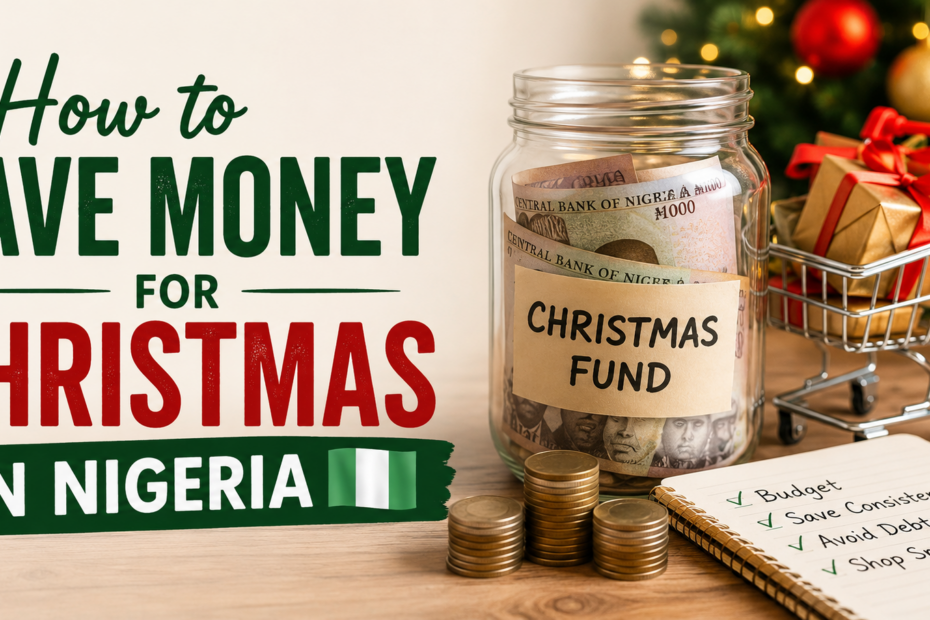
Christmas is one of the most exciting periods of the year in Nigeria, but it is also one of the most expensive. From buying food, clothes, gifts, and travelling to visiting family and attending celebrations, expenses can rise quickly.
Every year, many people feel more financial pressure during the festive season because prices often increase and spending becomes emotional rather than planned.
One of the most common mistakes people make during Christmas is waiting until December before preparing financially.
Others overspend to impress people, buy unnecessary items, or depend on loans to fund celebrations. Unfortunately, this often leads to financial stress in January.
That is why planning early matters more than earning more. Even small, consistent savings throughout the year can make Christmas enjoyable without creating unnecessary financial pressure afterward.
1. Set a Realistic Christmas Budget
One of the smartest ways to save money for Christmas in Nigeria is to create a realistic budget before the festive season arrives.
Many people wait until December before thinking about expenses, which often leads to overspending and unnecessary financial pressure.
Start by listing the major areas where you expect to spend money. Food usually takes a large portion of Christmas expenses because families buy extra groceries, cook special meals, and entertain visitors.
Transportation should also be included, especially if you plan to travel or move around more during the holidays.
Next, think about clothing. Buying new outfits for every family member can become expensive quickly, so decide what is necessary. If you plan to give gifts, set a clear spending limit and avoid buying based on emotion.
Family visits and social obligations can also increase costs through contributions, hosting, or travelling.
If church activities are part of your Christmas tradition, include offerings, events, and special programs in your plan. Don’t forget entertainment expenses such as outings, movies, celebrations, or recreational activities.
The goal is not to remove enjoyment from Christmas—it is to stay in control of your money. Decide your Christmas budget before December arrives and allow your spending decisions to follow your plan, not your emotions.
2. Start Saving Months Before Christmas
One of the most effective ways to prepare for Christmas in Nigeria is to start saving early—long before December arrives.
Waiting until the festive season is close often leads to pressure, overspending, and financial stress. But when you spread your savings across several months, the burden becomes lighter and more manageable.
There are different simple ways to do this depending on your income and lifestyle.
Weekly saving is a practical option for people who earn regularly or run small businesses. Setting aside a fixed amount every week helps you build discipline and consistency. Even small amounts add up over time.
Daily saving works well for people who earn daily income or want to build strong saving habits. For example, saving ₦1,000 daily may seem small, but over several months, it becomes a significant amount that can comfortably cover Christmas expenses.
Monthly saving is suitable for salary earners. A good approach is to save a percentage of your income immediately after you are paid, instead of waiting for what is left after spending.
For example:
- Save ₦1,000 daily
- Save ₦5,000 weekly
- Or save 10%–20% of your monthly income
The key is consistency, not the amount. Starting early allows you to enjoy Christmas without financial pressure, because your money has already been prepared gradually over time.
3. Open a Dedicated Christmas Savings Account (Optional)
A very smart way to stay disciplined when saving for Christmas in Nigeria is to open a dedicated savings account specifically for festive expenses.
This helps you separate your Christmas money from your everyday spending, making it easier to stay focused on your goal.
When your savings are mixed with regular funds, it becomes very easy to spend them on unnecessary things.
But when you keep your Christmas savings in a separate account, you reduce temptation and avoid the risk of using the money for unrelated expenses.
This simple separation creates financial discipline and helps you track your progress more clearly.
If opening a traditional bank account feels difficult or unnecessary, you can use digital savings tools instead.
Many financial apps in Nigeria now allow you to set savings goals, lock funds, and automate daily, weekly, or monthly contributions. These tools help you stay consistent without needing constant self-control.
The key idea is simple: don’t keep your Christmas money where you can easily access it for impulse spending.
Whether you choose a bank account or a digital savings platform, the goal is the same—protect your savings so you can enjoy a stress-free and well-planned Christmas season.
4. Track Small Daily Expenses
One of the most overlooked ways to save money for Christmas in Nigeria is by paying attention to small daily expenses.
These little spending habits may look harmless at first, but when combined over weeks and months, they can take a large portion of your income without you noticing.
Common examples include spending on snacks, daily data subscriptions, transportation fares, and impulse purchases. Many people don’t track these expenses because they seem small, but they often happen every day.
For instance, if you spend ₦1,000 daily on snacks and drinks, that becomes ₦30,000 in one month. Add ₦500 daily for transport extras or unnecessary rides, and another ₦15,000 is gone. Even small data subscriptions or unplanned purchases can quietly increase your total spending.
When you track these expenses properly, you start to see where your money is really going. This awareness alone can help you cut down on unnecessary spending and redirect that money into your Christmas savings plan.
The idea is simple: small leaks sink big ships. Every naira you save from daily spending can become part of your Christmas budget.
Instead of thinking you don’t have enough to save, start by controlling the small things—you’ll be surprised how much they add up over time.
5. Reduce Unnecessary Spending Before December
If you are serious about saving money for Christmas in Nigeria, one of the most important steps is to reduce unnecessary spending before the festive season begins.
This is the period where discipline matters most, because every naira saved now increases your comfort level in December.
Start by pausing luxury purchases. These include items you don’t urgently need, such as expensive gadgets, fashion upgrades, or non-essential lifestyle expenses.
Many people fall into the habit of “buying small small,” but these purchases add up quickly and reduce your saving power.
Another effective strategy is to cook more at home instead of eating out frequently. Buying food outside every day is convenient, but it is usually more expensive than home cooking.
By preparing your meals at home, you can significantly reduce daily spending and redirect the extra money into your Christmas savings.
You should also limit weekend outings. Social activities, hangouts, and unnecessary movement often lead to transportation costs, food expenses, and impulse spending.
Reducing how often you go out does not mean removing enjoyment completely; it simply means being intentional about when and how you spend.
The goal is simple: cut down the things that do not add real value to your life right now, so you can enjoy a stress-free and well-prepared Christmas later.
6. Buy Christmas Items Early
Another smart way to save money for Christmas in Nigeria is to buy your Christmas items early instead of waiting until December when prices are at their highest.
As the festive season approaches, demand for food, clothing, and decorations increases, and this often leads to a rise in prices. Planning ahead helps you avoid this pressure and saves you a significant amount of money.
For example, basic food items like rice, drinks, and cooking ingredients are usually cheaper months before Christmas. Buying them early allows you to store them safely and avoid paying inflated December prices.
The same applies to decorations, which are often more expensive during the festive rush when everyone is shopping at the same time.
You can also buy clothes gradually instead of doing last-minute shopping. This gives you more time to look for better deals and avoid impulsive spending caused by festive excitement.
By spreading your purchases over time, you reduce financial stress and make your budget easier to manage.
The key idea is simple: don’t wait for December before you start preparing. Buying early not only saves money but also reduces the pressure and rush that usually come with Christmas shopping in Nigeria.
7. Create a Christmas Shopping List
One of the best ways to stay in control of your spending during the festive season is to create a clear Christmas shopping list. This helps you avoid impulse buying and ensures that your money is spent only on what truly matters.
Start by dividing your list into three categories: must-have, nice-to-have, and items to avoid buying emotionally.
Must-have items are the essentials you cannot do without during Christmas. These usually include food items like rice, chicken, oil, and drinks, as well as basic clothing for yourself and your family. These are priority expenses that should be planned for first.
Nice-to-have items are things that make the celebration more enjoyable but are not absolutely necessary.
This may include decorations, extra snacks, new outfits, or small gifts for loved ones. You should only buy these if your budget allows after covering essentials.
Finally, be careful with emotionally driven purchases. These are items you buy because of pressure, excitement, or comparison with others.
For example, buying expensive clothes just to impress people or overspending on unnecessary gifts. These kinds of purchases often lead to regret after the holidays.
By categorizing your spending this way, you gain better control over your finances and reduce the risk of overspending.
A clear shopping list keeps you focused, disciplined, and financially prepared for a stress-free Christmas season.
8. Avoid Debt for Christmas Celebrations
One of the biggest financial mistakes many people make during Christmas in Nigeria is taking loans or going into debt just to celebrate the festive season.
While Christmas is a time of joy and family gatherings, borrowing money to fund celebrations can create long-term financial stress that lasts far beyond the holiday period.
Loans may seem like a quick solution, but they often come with repayment pressure in January and the months that follow.
This is usually a difficult time because income is lower after the festive spending, yet debt obligations remain the same. As a result, many people start the new year already financially stressed.
The better approach is to celebrate within your means. This means planning your Christmas budget early and sticking to what you can comfortably afford without borrowing. True enjoyment comes from peace of mind, not from overspending or trying to impress others.
A helpful reminder is this: Christmas lasts only a few days, but debt can last for months. It is better to enjoy a simple, stress-free celebration than to enter the new year struggling with repayments and financial pressure.
Smart financial decisions during the festive season lead to a more stable and peaceful start to the year.
9. Earn Extra Income Before Christmas
A very effective way to prepare financially for Christmas in Nigeria is to increase your income before the festive season arrives.
Instead of relying only on your regular salary or business earnings, finding extra sources of income can give you more flexibility and reduce financial pressure during December.
One option is freelancing, where you can use skills like writing, graphic design, social media management, or video editing to earn money online. Even small freelance jobs can add up over time and contribute to your Christmas budget.
Another method is selling items online. You can sell clothes, shoes, accessories, or even food items through social media platforms or online marketplaces. This is especially useful during the festive season when demand is higher.
You can also consider weekend work, such as part-time jobs, delivery services, or helping small businesses during busy periods. These short-term opportunities can provide quick extra income without affecting your main job or daily routine.
Finally, seasonal business ideas are very effective before Christmas. Examples include selling drinks, cooking food for events, gift packaging, or running small festive services. These businesses usually perform well because demand increases during the holiday period.
The key idea is simple: small extra income streams, when combined, can make a big difference in your ability to enjoy Christmas without financial stress.
10. Save Transport Costs During the Season
Transport expenses often increase during the Christmas season in Nigeria due to higher demand, traffic congestion, and seasonal price adjustments.
If you are not careful, you may end up spending far more on movement than you planned. That is why saving transport costs is an important part of your Christmas budgeting strategy.
One effective way to reduce expenses is to combine your errands. Instead of making multiple trips for shopping, visits, or payments, try to plan your movements in a single route. This helps you save both money and time while reducing unnecessary travel costs.
Another smart strategy is to travel early. During festive periods, transport fares often increase as the day gets busier. Leaving early in the morning or planning your trips ahead of peak hours can help you avoid higher fares and long delays.
You should also consider using cheaper transport options where possible. This may include public transport instead of private hire, shared rides, or choosing alternative routes that are more affordable. Small adjustments like these can significantly reduce your overall spending.
In the end, saving transport costs is about planning and discipline. When you manage your movement wisely, you free up more money for your Christmas needs and reduce financial stress during the festive season.
11. Plan Family Expectations Early
One important but often ignored part of preparing for Christmas in Nigeria is managing family expectations early.
Many people feel financial pressure during the festive season not because of actual costs alone, but because of unspoken expectations from family, friends, and social circles.
It is important to talk openly about your budget before the season becomes too intense. When you communicate early with your family about what you can afford, it helps reduce misunderstandings and prevents last-minute pressure. Honest conversations can make everyone adjust their expectations and plan together more realistically.
Another key step is avoiding the pressure to impress people. Christmas often comes with the desire to show success through expensive gifts, parties, or clothing.
However, trying to meet unrealistic expectations can quickly lead to overspending and financial stress in January.
Instead of focusing on impressing others, focus on celebrating within your means. True Christmas joy comes from togetherness, not how much money is spent. When you manage expectations early, you reduce emotional spending and protect your financial stability.
Planning family expectations ahead of time helps you enjoy a peaceful, stress-free Christmas without feeling forced into spending beyond your budget.
12. Use the “Little by Little” Savings Method
One of the simplest and most effective ways to save money for Christmas in Nigeria is the “little by little” savings method.
This approach focuses on saving small amounts consistently over time instead of trying to save a large amount at once. It is especially useful for people with daily or irregular income.
The idea is that small savings, when done regularly, can grow into a meaningful amount by the time Christmas arrives.
For example, saving ₦500 daily may feel insignificant, but in a month it becomes ₦15,000, and over several months it can cover a large part of your Christmas expenses. Similarly, saving ₦2,000 weekly helps you build discipline while steadily increasing your festive budget.
Another practical approach is the loose-change challenge. This means setting aside all small coins or leftover cash at the end of each day.
Many people underestimate loose change, but when collected consistently, it can become a useful extra fund for Christmas shopping or transportation.
The strength of this method is its simplicity. You don’t need a large income to start—just consistency and discipline. By saving little by little, you reduce financial pressure and avoid the stress of trying to raise a large amount at the last minute.
In the end, the “little by little” method proves that small, consistent actions can create big financial results when Christmas finally arrives.
13. Prepare for January Too
While Christmas is an exciting season filled with celebrations, it is also important to think beyond December and prepare for January.
One common mistake many people make is spending all their money during the festive period without considering the financial needs that come immediately after.
After Christmas, life continues as usual—bills, transportation, feeding, rent, school expenses, and other responsibilities still require money.
This is why it is important not to spend everything in December, no matter how tempting the celebrations may be.
A smart approach is to set aside a portion of your income as emergency money. This reserved fund will help you manage January smoothly without borrowing or struggling financially.
Even if it is a small amount, having something saved can make a big difference when the festive excitement is over.
Another helpful habit is to separate your Christmas budget from your general savings. Once your Christmas spending limit is reached, avoid going beyond it. Discipline during December is what protects your financial stability in the new year.
The key idea is simple: Christmas is temporary, but financial responsibilities continue. By planning for January while enjoying December, you create balance and avoid the common “January struggle” that follows overspending during the holidays.
Common Mistakes Nigerians Make During Christmas
Many people look forward to Christmas in Nigeria, but without proper planning, the festive season can easily lead to financial stress. Understanding common mistakes can help you avoid them and enjoy a more peaceful celebration.
One major mistake is last-minute shopping. Waiting until December often leads to higher prices, limited choices, and rushed decisions. This usually causes overspending because people buy whatever is available instead of what is planned.
Another common issue is borrowing unnecessarily. Some people take loans or depend on credit to fund their Christmas celebrations. While this may solve short-term needs, it often leads to financial pressure in January and beyond.
Buying for social media approval is also becoming more common. Many people spend beyond their means just to look good online or impress others. This kind of spending is emotional and rarely adds real value.
Overspending on clothes is another frequent mistake. People often feel pressured to buy new outfits for every event, even when their budget cannot support it. This can quickly drain savings meant for more important needs.
Finally, many people make the mistake of ignoring January expenses. After Christmas, life continues, and bills do not stop. Spending everything in December often leads to financial struggle in the new year.
Avoiding these mistakes helps you enjoy Christmas without regret and ensures you start the new year in a stronger financial position.
Conclusion
Saving for Christmas in Nigeria is not about removing joy from the season—it is about enjoying the celebration without entering the new year under financial pressure.
With proper planning, discipline, and small consistent savings, anyone can prepare for Christmas without stress or last-minute financial struggles.
When you start early, control your spending, and focus on what truly matters, you create a balance between celebration and financial responsibility.
This ensures that you can enjoy December fully while still protecting your financial stability for January and beyond.
Small consistent savings may seem insignificant at first, but over time they build into something powerful. The goal is not just to survive Christmas, but to enjoy it peacefully and start the new year with confidence and stability.
Frequently Asked Questions
What can I use 10,000 Naira to invest in?
With ₦10,000, you may not start a large business, but you can begin small, practical investments that can grow steadily over time.
One of the best options is small-scale buying and selling. You can purchase fast-moving goods like snacks, beverages, phone accessories, or toiletries in bulk and resell them in your area for profit.
Another option is food business starter packs, such as selling homemade pastries, noodles, or small chops, especially in busy neighborhoods or schools.
You can also invest in digital skills learning, such as mobile graphics design, social media management, or affiliate marketing courses.
Many affordable online resources can help you turn ₦10,000 into a skill that earns long-term income. Another idea is data reselling or airtime vending, which requires low capital and can generate daily returns if managed properly.
Additionally, you may consider thrift clothing (okrika) where you buy quality used clothes and resell them at a higher price.
The key is consistency, location, and understanding customer demand. ₦10,000 is not a huge investment, but it is enough to start something small that can grow.
The most important factor is reinvesting your profit instead of spending it immediately. With discipline and patience, small capital can turn into a sustainable income stream over time.
What are 7 ways to save money?
Saving money requires discipline and intentional financial habits. One effective way is to set a budget.
A budget helps you plan how your income is spent and prevents unnecessary expenses. Another way is to save before spending, meaning you set aside a portion of your income immediately after receiving it instead of waiting till the end of the month.
A third method is to track your daily expenses, because small purchases often add up without notice. Fourth, you should avoid impulse buying, especially on items you did not plan for.
A fifth strategy is to reduce lifestyle inflation, meaning you should avoid increasing your spending just because your income increases.
Sixth, try to buy in bulk for essential items, as it is often cheaper in the long run. Seventh, set clear savings goals, such as emergency funds, rent, or Christmas savings, which gives your savings a purpose and motivation.
When these habits are combined, saving becomes easier and more natural. The goal is not just to store money but to build financial stability.
Over time, these small adjustments create strong financial discipline and reduce financial stress.
How to start saving for Christmas?
Starting Christmas savings requires early planning and consistency. The first step is to determine how much you want to spend during Christmas, including food, clothing, travel, and gifts.
Once you have a clear estimate, divide that amount by the number of months remaining before December. This helps you know exactly how much to save weekly or monthly.
Next, create a separate savings plan, even if it is just a physical envelope or a simple mobile savings method.
The idea is to separate Christmas money from daily spending money. Another important step is to start small but stay consistent, even if you begin with ₦500 or ₦1,000 weekly.
You should also cut unnecessary expenses, such as impulse shopping, frequent eating out, or unplanned transport costs.
Redirecting those small amounts into savings can make a big difference over time. Additionally, consider using automatic or forced savings methods, where money is set aside immediately after income is received.
The key to successful Christmas saving is discipline. It is better to start early with small amounts than to struggle in December. With consistent effort, you can enjoy the festive season without borrowing or financial stress.
What is the 5 rule for Christmas?
The “5 rule for Christmas” is a simple budgeting method that helps control holiday spending and avoid overspending during the festive season.
It is usually explained as a guideline where you plan your Christmas expenses into five main categories to ensure balance and financial control.
These categories often include food, clothing, gifts, transportation, and savings or emergency buffer.
By dividing your Christmas budget into these five areas, you prevent one category from consuming all your money.
For example, many people spend heavily on clothes and gifts but forget transportation or January survival money. The 5-rule helps you allocate funds properly so every important need is covered.
Another interpretation of the rule is prioritizing needs over wants. You should first handle essential expenses like food and movement, then move to less important things like luxury gifts or expensive outfits. This structure ensures that you enjoy Christmas without financial regret in January.
The main idea behind the 5-rule is balance and discipline. It encourages you to enjoy the festive season while still being financially responsible.
When applied correctly, it reduces stress, prevents debt, and ensures you enter the new year with stability instead of financial pressure.
What are 5 tips for saving money?
Saving money becomes easier when you follow practical and consistent habits. One key tip is to pay yourself first, which means saving a portion of your income immediately after you earn it before spending anything else.
This ensures that saving becomes a priority, not an afterthought.
Another important tip is to create a realistic budget. A budget helps you control your income and ensures every naira has a purpose.
Third, you should reduce unnecessary spending, especially on impulse purchases, subscriptions you don’t use, or frequent unplanned outings.
Fourth, it is helpful to set specific savings goals, such as emergency funds, rent, or business capital. Having a clear goal makes saving more motivating and structured.
Fifth, track your expenses regularly so you can identify where your money is going and adjust your habits when necessary.
When these five tips are practiced consistently, saving becomes a natural habit rather than a struggle. The key is discipline and patience.
Even small amounts saved regularly can grow into something meaningful over time. Financial success is not about how much you earn, but how well you manage what you already have.