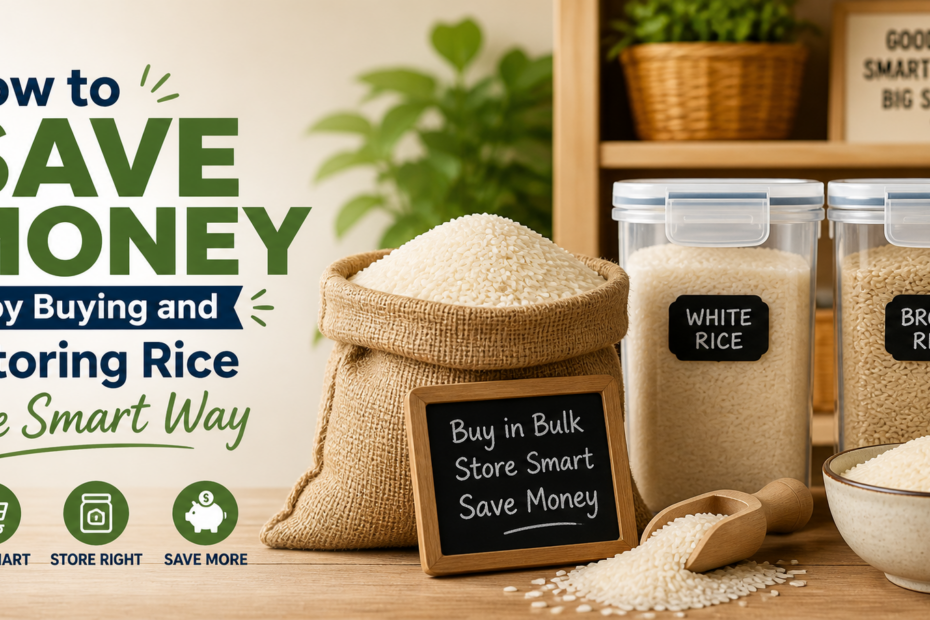
Rice is a staple food found in countless homes across the world, including Nigeria.
Its affordability, versatility, and ability to pair with a wide range of dishes make it a go-to choice for daily meals.
Whether it’s jollof rice, fried rice, or plain white rice with stew, this grain plays a central role in many diets.
Buying rice in large quantities is not only convenient but also cost-effective.
When stored the right way, bulk purchases can help families save money over time and reduce the number of trips to the market.
In this guide, you’ll discover simple yet effective tips on how to store rice properly, keep it fresh for longer, and avoid waste—ensuring you get the best value for your money.
Why It’s Smart to Buy Rice in Bulk
Purchasing rice in bulk is a smart financial move for many households.
One of the biggest advantages is cost savings—when you buy larger quantities, the price per kilogram is usually lower compared to buying small portions frequently.
In addition to saving money, bulk buying reduces how often you need to visit the market, which means spending less on transportation and avoiding the stress of frequent shopping trips.
It also offers protection against rising prices, especially during festive periods or times of inflation.
By stocking up ahead of time, you can avoid paying higher prices later and ensure your family always has a steady supply of this essential food.
Best Time to Buy Rice Cheap in Nigeria
Timing plays a big role in getting the best deals on rice. One of the most affordable periods to buy is shortly after the harvest season, typically between November and January.
During this time, local supply increases, which often leads to a drop in prices.
Another good opportunity is during promotional sales by major wholesalers or supermarkets.
These promos usually come with discounted prices and sometimes freebies, making it a great time to stock up.
Additionally, since Nigeria imports a large portion of its rice, a stable exchange rate can help keep prices down.
When the naira is steady against foreign currencies, especially the dollar, imported rice tends to be more affordable.
Where to Buy Rice in Bulk at Affordable Prices
Finding the right place to buy rice in bulk can make a big difference in cost and quality.
Local markets remain one of the most reliable options. Major markets like Bodija in Ibadan, Mile 12 in Lagos, and Dawanau in Kano often offer competitive prices and a wide variety of rice to choose from.
Another smart option is buying directly from farmers or cooperatives.
These sources tend to sell at lower prices since they eliminate middlemen, and you may even get fresher, better-quality rice.
For added convenience, online platforms are also worth exploring. Just be sure to check reviews, seller ratings, and return policies to avoid scams or low-quality products.
Lastly, teaming up with friends, neighbors, or community groups for cooperative bulk purchases can help you unlock wholesale prices and share transportation costs—making your money go even further.
How to Identify Quality Rice (and Avoid Fake Ones)
Not all rice is created equal, and knowing how to spot good quality can save you from disappointment—and health risks. Start by observing the grains closely.
Quality rice should have a consistent color, without yellow or overly white grains that may indicate bleaching or chemical treatment. It should also be free from stones, chaff, and other impurities.
Smell is another good indicator. Fresh rice has a neutral or slightly earthy scent. If it smells musty, sour, or overly perfumed, it may be old or treated with chemicals.
You can also perform a simple water test. Place a handful of rice in a glass of water—if the water turns very white immediately, it might be artificially polished or treated with whitening agents.
To avoid buying fake or low-quality rice, always purchase from trusted and reputable sellers.
Whether you’re shopping in a physical market or online, stick with vendors who have good reviews or are known for quality products.
Smart Ways to Store Rice at Home (Short and Long Term)
Proper storage is key to keeping rice fresh and insect-free, whether you’re storing it for a few weeks or several months.
For best results, use airtight containers, plastic drums, or clean jerry cans to protect the rice from moisture and pests.
Choose a cool, dry location in your home to prevent mold growth. Humid environments can ruin rice quickly, so avoid keeping it near kitchens or bathrooms where moisture levels are high.
To keep insects away naturally, you can add items like dried pepper, cloves, or bay leaves to the storage container.
These act as natural repellents and help preserve the rice without chemicals.
Avoid storing rice in ordinary polythene bags or untreated sacks, as these can attract weevils and allow moisture in.
Investing in proper storage not only extends shelf life but also ensures the rice remains safe and tasty for your family.
How Much Rice to Buy for Your Household Size
To make smart bulk purchases, it’s important to estimate how much rice your household actually needs.
On average, one person consumes about 5 to 10 kilograms of rice per month, depending on eating habits and how often rice is served.
To calculate for your family, multiply the monthly amount by the number of people in your home.
For example, a family of four that eats rice regularly might use 20 to 40 kilograms each month.
Planning for the long term? Multiply your monthly total by 3 for a three-month supply or by 6 for half a year.
So, if your family uses 30kg of rice monthly, you’ll need around 90kg for 3 months or 180kg for 6 months.
This approach helps you budget better, take advantage of bulk pricing, and reduce the need for frequent shopping.
Common Mistakes to Avoid
While buying rice in bulk is a smart choice, a few common mistakes can lead to waste or spoilage.
One major error is purchasing more rice than your storage space can handle. Without proper containers and storage conditions, even the best-quality rice can go bad.
Another mistake is placing rice sacks directly on the floor. This exposes them to moisture, which can lead to mold, unpleasant smells, or insect infestation.
Always elevate your rice using wooden pallets or place containers on a dry, raised surface.
Finally, avoid the temptation of buying from unknown or unverified sellers simply because their prices seem cheap.
Low prices can sometimes mean poor-quality or adulterated rice. It’s always better to buy from trusted sources, even if it means paying slightly more for peace of mind and food safety.
Extra Tips to Maximize Savings
1. Consider Joining or Starting a Food Co-op:
Teaming up with friends, neighbors, or family members to buy food in bulk can significantly reduce costs.
When you purchase large quantities together, you can take advantage of wholesale prices and share the goods among yourselves.
This cooperative approach not only saves money but also builds a stronger sense of community.
2. Keep an Eye on Price Trends:
Use a simple notebook or a mobile app to regularly record rice prices at different markets or stores.
By tracking changes over time, you’ll notice patterns—such as when prices tend to drop—allowing you to plan your purchases strategically and buy in bulk when prices are lowest.
3. Store Rice in Smaller Portions:
After buying rice in bulk, divide it into smaller, airtight bags or containers.
This prevents the entire batch from being exposed to air each time you open it, helping to keep the rice fresher for longer and reduce the risk of spoilage or pest infestation.
Conclusion
Why not challenge yourself to try bulk buying and proper food storage for just one month? You might be surprised at how much money you can save with a little planning and effort.
Beyond the savings, these simple habits can reduce food waste and make your kitchen more organized.
Remember, being smart about how and when you buy food—especially staples like rice—isn’t just about cutting costs. It’s a sign of financial intelligence.
Making wise purchasing decisions today can lead to greater financial freedom tomorrow. Start small, stay consistent, and watch your savings grow.