Skip to content
Home » How to save for house rent in Nigeria quickly

How to save for house rent in Nigeria quickly

    In Nigeria today, one of the biggest financial pressures people face is house rent. Whether you are living in Lagos, Abuja, Ibadan, or any other city, the cost of accommodation keeps rising while income often remains the same. For many people, rent payment is not just a bill—it is a yearly struggle that brings stress, borrowing, and sometimes embarrassment.

    Most tenants find themselves rushing at the last minute, trying to beg friends, take loans, or sell personal belongings just to avoid being evicted. But the truth is, saving for rent does not have to be a painful or last-minute emergency.

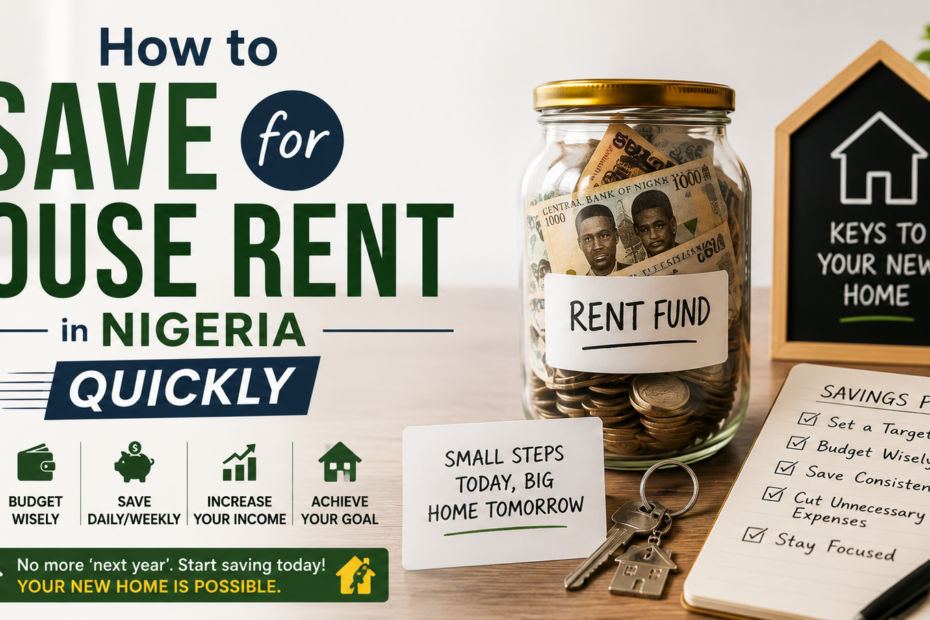
    With the right plan, discipline, and simple financial habits, you can gradually build your rent money without stress. In this guide, you will learn practical and realistic ways to save for house rent quickly in Nigeria—even if your income is small or irregular.

    Why Rent Feels Hard in Nigeria

    In Nigeria, paying house rent is one of the most stressful financial responsibilities for individuals and families. In major cities like Lagos, Abuja, Ibadan, and Port Harcourt, landlords often demand advance payments of one or two years, which immediately puts pressure on tenants to gather a large sum of money at once. For many people, this is not something that can be easily achieved with monthly income alone.

    To make matters worse, inflation continues to reduce the value of money, meaning rent that was affordable a few years ago can suddenly become difficult to afford today. At the same time, many Nigerians are dealing with unstable income—some work daily or weekly jobs, while others depend on small businesses that do not guarantee steady cash flow.

    On top of all this, unexpected family responsibilities such as school fees, medical bills, or helping relatives can easily disrupt any savings plan. As a result, rent payment often becomes a last-minute emergency rather than a planned financial goal, forcing many people into borrowing or struggling under pressure every rental cycle.

    Break Down the Exact Rent Goal

    One of the biggest mistakes people make when preparing for rent in Nigeria is saying, “I need rent money” without knowing the exact amount required. This makes the goal feel big, unclear, and overwhelming. Instead, the first step to saving successfully is to break your rent into a clear and realistic plan.

    Start by calculating the total rent amount your landlord is requesting. For example, if your rent is ₦300,000 per year, that becomes your main target. But don’t stop there.

    You also need to include other hidden but necessary costs such as:

    • Agency fee (usually a percentage of the rent, depending on location)
    • Legal or agreement fee
    • Caution deposit (if required)
    • Moving and transportation costs for shifting into the new apartment

    When you add all these together, you will see the real total amount needed—not just rent alone.

    After calculating everything, the next step is to divide the total into smaller, manageable portions. For example, if your full rent goal is ₦360,000 and you have 12 months, you can break it down into ₦30,000 per month. If monthly saving is difficult, you can break it further into weekly or even daily targets.

    This method changes everything because instead of seeing rent as a huge burden, you begin to see it as small, achievable steps. It becomes easier to plan, easier to track, and much more realistic to achieve without pressure.

    The “Rent First” Budgeting Method

    One of the most effective ways to save for rent in Nigeria is to adopt a simple rule: pay your rent savings first before anything else. This means that immediately your income arrives—whether salary, daily profit, or business income—the first money you set aside should go into your rent savings, not what is left after spending.

    The problem many people face is that they spend first and try to save what remains. In reality, there is often nothing left at the end of the month. The “Rent First” method reverses this habit and puts your most important financial responsibility at the top.

    A helpful way to apply this is by adjusting the popular 50/30/20 budgeting rule to fit Nigerian realities. Instead of following it strictly, you can structure your income like this:

    • A portion for essential needs (food, transport, bills)
    • A portion for rent savings (your priority)
    • A small portion for personal or flexible spending

    The key difference here is that rent is treated as a non-negotiable priority, not an afterthought.

    To make this even more effective, you can create a separate “rent account”—either a bank account or a dedicated savings wallet that is only used for rent. This helps you avoid the temptation of spending it. Your daily spending money should be kept separate from your rent savings so that you don’t mix both.

    When you consistently follow the “Rent First” method, saving becomes automatic. You stop relying on discipline alone and instead build a system that protects your rent money before lifestyle expenses come into play.

    Side Hustle Ideas Specifically for Rent Savings

    Use the “Rent Challenge” Saving System

    Saving for rent becomes much easier when you turn it into a challenge instead of treating it like a burden. This is where the “Rent Challenge” system comes in—a simple but powerful way to stay consistent and motivated.

    Instead of waiting for a large amount of money before saving, you challenge yourself to save small amounts regularly. For example, you can decide to save ₦500 to ₦2,000 daily, depending on your income. It may look small, but over weeks and months, it builds up into a significant rent fund without pressure.

    If daily saving is difficult, you can switch to a weekly fixed savings plan. This means you choose a specific amount you must save every week no matter what happens. The key is consistency, not the size of the amount.

    See also  How to Manage School Stress or Anxiety Safely

    Another effective method is introducing “no spending days” once or twice a week. On these days, you avoid all unnecessary spending and direct whatever you would have spent into your rent savings instead. This helps you become more disciplined and aware of your spending habits.

    The idea behind the Rent Challenge is simple: make saving feel like a game you are trying to win, not a punishment you are trying to survive. When you gamify your savings, you stay more focused, more motivated, and more likely to reach your rent goal faster without giving up halfway.

    Join Savings Groups (Ajo/Esusu) Wisely

    Another practical way many people in Nigeria successfully save for rent is by joining traditional savings groups, commonly known as ajo or esusu.

    These systems work by contributing a fixed amount of money daily or weekly, which is then collected by members in turns. For people who struggle with self-discipline, this method helps because it removes the temptation to spend the money elsewhere.

    There are also cooperative societies, especially in workplaces or communities, where members contribute regularly and can access their savings (and sometimes small loans) when needed. These groups can be very helpful for building rent money over time, especially when managed properly.

    In addition, some people join trusted thrift collectors, who come around daily or weekly to collect savings and keep them safe until a fixed time.

    However, while these systems can be very effective, you must be extremely careful. In Nigeria, there are cases of fraud, dishonest collectors, and fake savings groups that disappear with people’s money. Because of this, it is very important to only join groups or individuals you can verify and trust, preferably those with a strong reputation in your community or workplace.

    The key is simple: savings groups can help you stay disciplined and consistent, but your safety depends on choosing the right and trusted system.

    Move Early, Not Last Minute

    One of the biggest reasons people struggle with rent in Nigeria is poor timing. Many tenants only start thinking about rent when the due date is close, and by then, it becomes a race against time filled with stress, panic, and borrowing.

    When rent pressure builds up at the last minute, people often make bad financial decisions. Some borrow money with high interest, others sell belongings cheaply, and many end up begging friends or family just to avoid embarrassment. All of this could be avoided with better planning.

    A smarter approach is to start saving immediately after you pay your current rent. The moment you settle your landlord, that should be your signal to begin preparing for the next payment. This removes the pressure of “finding rent” and replaces it with steady, planned saving over time.

    You should also treat rent as a monthly bill to yourself, just like electricity or water bills. Even though you may not pay it monthly to your landlord, you can still “pay yourself” monthly by setting aside a fixed amount into your rent savings account. This mindset shift makes rent feel less like a yearly crisis and more like a normal, manageable responsibility.

    When you move early and stay consistent, rent stops being an emergency. Instead, it becomes something you are already prepared for long before the due date arrives.

    Negotiate and Plan Smarter Housing Choices

    Saving for rent quickly is not only about how much you earn or how you budget—it is also about the type of housing decisions you make. Sometimes, a smarter choice in where and how you live can significantly reduce your rent burden and make saving much easier.

    One practical option is to consider areas slightly outside the city center. In places like Lagos, Abuja, Ibadan, or Port Harcourt, rent is usually much higher in central or high-demand locations. Moving just a little further away can reduce your rent by a big margin, without necessarily affecting your daily activities if transport is well planned.

    Another effective strategy is sharing an apartment with trusted roommates. When you split rent and utility costs with responsible people, your individual financial pressure reduces, making it easier to save consistently for future rent payments. The key here is choosing trustworthy and compatible people to avoid unnecessary conflict.

    You can also benefit from negotiating better payment terms with landlords, such as asking for discounts when paying yearly instead of monthly or quarterly. In many cases, landlords prefer receiving a full payment at once and may offer slight reductions or flexibility for tenants who can pay upfront.

    The main idea is simple: your housing choice directly affects your financial pressure. When you plan smarter and make flexible decisions, you reduce the amount you need to struggle for, and saving for rent becomes faster and more realistic.

    Emergency Backup Plan

    Even with the best savings plan, life in Nigeria can be unpredictable. Income may drop, expenses may increase suddenly, or unexpected family responsibilities may affect your progress. That is why it is important to always have an emergency backup plan for your rent.

    If your savings fall short when rent is due, the first step is not panic. Instead, quickly review what you already have and see how much is missing. From there, you can explore safe and realistic support options.

    One option is to seek help from trusted family members or close relatives. If you have a good relationship and a clear plan to repay, this can be a short-term solution to avoid eviction or unnecessary pressure.

    You can also consider cooperative societies or savings groups you belong to, as some allow members to access small emergency loans based on their contributions. This can be a safer option compared to informal borrowing.

    Another possibility is short-term loans, but this must be handled very carefully. Only consider loans with clear, low interest rates and realistic repayment plans. Avoid rushing into any agreement without understanding the full cost.

    Most importantly, you must avoid high-interest debt traps, such as informal lenders or quick loans that charge very high daily or weekly interest. These types of debts can worsen your financial situation and make it even harder to save for future rent.

    The goal of an emergency plan is not to encourage borrowing, but to ensure you have safe, controlled options when things don’t go as planned—so you don’t fall into deeper financial stress.

    Motivational Close (But Realistic)

    At the end of the day, saving for rent in Nigeria is not just about having a big income—it is about planning, discipline, and consistency. Many people struggle not because they don’t earn at all, but because they do not structure what they earn in a way that protects their future needs.

    You don’t need to wait until you are rich before you start saving for rent. What matters more is starting small and staying consistent, even when progress feels slow. ₦1,000 saved regularly is better than waiting for ₦100,000 that may never come at once.

    The truth is, financial stability is built quietly, step by step. Every small decision you make—saving a little, avoiding unnecessary spending, or increasing your income—brings you closer to a stress-free rent experience.

    So instead of seeing rent as a yearly crisis, see it as a journey you are already preparing for today. With steady effort and the right habits, you will discover that paying your rent becomes less of a struggle and more of a planned achievement.

    Conclusion

    Saving for house rent in Nigeria may feel difficult, especially with rising living costs, irregular income, and the pressure of advance payments. However, it becomes much more manageable when you approach it with the right system instead of last-minute panic.

    By clearly breaking down your rent goal, adopting the “rent first” budgeting method, increasing your income through side hustles, and cutting silent expenses, you put yourself in control of your finances. Adding simple habits like the rent challenge, joining trusted savings groups, and planning ahead further strengthens your ability to stay consistent.

    Most importantly, remember that rent payment should not be an emergency every year. With steady discipline and small daily progress, you can remove the stress and uncertainty that comes with it.

    In the end, it is not about how much you earn at once, but how well you manage what you have over time.

    Frequently Asked Questions

    How to Save for Rent in Nigeria?

    Saving for rent in Nigeria requires discipline, planning, and consistency because rent is usually a large yearly or multi-month payment.

    The first step is to calculate exactly how much your rent is and divide it by the number of months you have before payment is due. This helps you know how much to save daily or weekly. For example, if rent is ₦300,000 and you have 12 months, you need to save ₦25,000 monthly.

    The second step is creating a separate savings account specifically for rent. This prevents you from mixing rent money with daily spending. As soon as you receive income, set aside your rent contribution before spending on anything else. This method is called “paying yourself first,” and it is very effective.

    Another important strategy is cutting unnecessary expenses. Reduce spending on luxury items, frequent eating out, impulsive shopping, or expensive entertainment. Small savings from daily habits can accumulate significantly over time.

    You can also increase income through side hustles like food selling, POS business, freelancing, or online work. Even small extra income should go directly into rent savings.

    Joining a trusted cooperative society or thrift savings group can also help you stay disciplined. However, choose only reliable groups to avoid loss of funds.

    See also  How to build an emergency fund from scratch in Nigeria

    Most importantly, start early. Waiting until rent is near will create pressure and debt. Consistency, even with small amounts, is the key to successfully saving for rent in Nigeria.

    What Are 7 Ways to Save Money?

    There are many practical ways to save money, but seven of the most effective methods include discipline, planning, and lifestyle adjustments. The first way is budgeting. Creating a clear monthly budget helps you track income and expenses so you can control spending and avoid waste.

    The second way is “paying yourself first,” which means saving a portion of your income immediately after you receive it instead of saving what is left. This builds consistent savings habits.

    The third way is reducing unnecessary spending. Many people spend money on things they do not really need, such as excessive data usage, luxury items, or impulse purchases. Cutting these helps increase savings quickly.

    The fourth way is bulk buying. Purchasing food items and household goods in bulk is often cheaper than buying small quantities frequently.

    The fifth way is using a savings account or cooperative system. Keeping money separate reduces temptation to spend it and helps build discipline.

    The sixth way is increasing income. Saving becomes easier when income increases, so side hustles or small businesses can support financial goals.

    The seventh way is setting clear financial goals. When you have a purpose like rent, school fees, or business investment, you become more motivated to save consistently.

    Together, these methods help build strong financial discipline and long-term stability.

    How to Save Money When You Have to Pay Rent?

    Saving money when rent is a major expense can be challenging, but it is possible with proper planning. The first step is to treat rent as a priority expense, not something to think about at the last minute. As soon as you earn money, set aside rent savings first before any other spending.

    Creating a monthly rent-saving plan is very important. Divide your rent into smaller weekly or monthly portions and consistently save that amount. This prevents last-minute financial pressure.

    Another important strategy is reducing lifestyle expenses. Cooking at home instead of eating out, using public transportation, and avoiding unnecessary purchases can help free up money for rent savings.

    You can also look for ways to increase income. Small side businesses such as selling food, offering services, freelancing, or online work can provide extra funds specifically for rent.

    Some people also choose to move to more affordable housing areas where rent is cheaper. Living slightly outside city centers can significantly reduce rental costs.

    Avoid borrowing for rent unless absolutely necessary, as it can lead to long-term debt stress. Instead, focus on gradual saving and early planning.

    The key is discipline and consistency. Even small daily savings can become enough for rent if managed properly over time.

    Can 20 Million Naira Build a House in Nigeria?

    Yes, ₦20 million can build a house in Nigeria, but the size, location, and quality of the building will determine what can be achieved. In many parts of Nigeria, especially in rural areas or smaller towns, ₦20 million is enough to build a modest but comfortable house.

    However, in major cities like Lagos or Abuja, construction costs are significantly higher due to land prices, materials, and labor.

    With ₦20 million, a person can typically build a 2 to 3-bedroom bungalow if the land is already available. This budget may cover foundation, roofing, basic finishing, plumbing, and electrical work. However, luxury finishes or high-end designs may not be fully achievable within this amount.

    Proper planning is very important when building with a fixed budget. Hiring a qualified architect and builder helps prevent waste and ensures the project stays within financial limits. Many people overspend due to poor planning or changing designs mid-project.

    Material selection also plays a big role. Choosing affordable but durable materials can help maximize the budget. Staged construction is another common approach, where the house is built step by step as funds become available.

    Location is the biggest factor. Land in urban areas can consume a large portion of the ₦20 million budget, leaving less for construction. In contrast, rural or developing areas allow more value for money.

    Overall, ₦20 million is a reasonable budget for building a simple, functional home in Nigeria if managed properly.

    How Do I Pay Rent If I Don’t Have the Money?

    If you do not have money for rent, the situation can be stressful, but there are still practical steps you can take. The first step is to communicate early with your landlord. Many landlords may be willing to give you extra time or allow partial payments if you are honest and respectful. Avoid waiting until the last minute before discussing the issue.

    Another option is to look for temporary financial support from family members, friends, or trusted community members. Borrowing should be done carefully and only if you have a clear plan to repay.

    You can also explore short-term income opportunities such as small trading, casual work, freelancing, or offering services like cleaning, cooking, or babysitting. Even small daily earnings can help reduce rent pressure.

    Some people also consider moving to more affordable accommodation or sharing housing with others temporarily to reduce costs. This may not be ideal, but it can help stabilize your situation.

    Avoid high-interest loans or unreliable lenders, as they can worsen financial stress in the long run. Instead, focus on realistic repayment options.

    In addition, seek help from religious organizations or community support groups that sometimes assist people in urgent need.

    The most important thing is to act early, stay calm, and create a plan. Rent problems are solvable when addressed quickly and with clear communication and practical action.

    What Is the Longest You Can Go Without Paying Rent?

    The longest time you can go without paying rent depends on your rental agreement, landlord policies, and local tenancy laws. In most cases, there is no “safe” or standard period you are allowed to stay without paying rent.

    Rent is usually due monthly, quarterly, or yearly based on what was agreed in the tenancy contract. Once the due date passes without payment, you are technically in breach of agreement.

    In Nigeria and many other countries, landlords often give a short grace period, commonly a few days to a couple of weeks, especially if the tenant communicates early. However, this is not guaranteed and depends entirely on the landlord’s discretion. After that, the landlord may issue reminders, warnings, or notices to quit depending on the situation.

    If rent remains unpaid for a longer period, legal eviction processes may begin. These processes vary by state, but they usually involve formal notices and timeframes before a tenant can be asked to vacate the property.

    The most important thing to understand is that staying without paying rent is not sustainable and can lead to financial, emotional, and legal stress. If you are unable to pay rent, it is always better to communicate early with your landlord to negotiate a payment plan or extension.

    Ultimately, there is no fixed “safe longest time” to delay rent. The best approach is prevention through saving ahead and ensuring rent is planned as a priority expense every month.

    What Is the 70-10-10-10 Budget Rule?

    The 70-10-10-10 budget rule is a simple money management system that divides income into four parts to help people balance spending, saving, and financial growth. It is especially useful for individuals who want structure but find detailed budgeting difficult.

    Under this rule, 70% of your income goes to living expenses. This includes rent, food, transportation, utilities, school fees, and other essential needs. It covers everything required for daily survival and basic comfort.

    The next 10% is allocated to savings. This portion is set aside for emergencies, future goals, or large purchases. It helps build financial security over time and prepares you for unexpected expenses.

    Another 10% goes to investments or income-building activities. This could include starting a small business, buying tools for work, learning a skill, or investing in opportunities that generate future income.

    The final 10% is for personal enjoyment or giving. This may include entertainment, gifts, charity, or personal treats. It ensures that budgeting does not feel too strict or stressful.

    This rule is flexible and can be adjusted depending on income level. For example, people with lower income may need to prioritize necessities more heavily. However, the key idea is balance between survival, savings, growth, and lifestyle.

    Overall, the 70-10-10-10 rule helps people avoid overspending while still preparing for the future.

    How Do I Make a Simple Monthly Budget?

    Making a simple monthly budget starts with understanding how much money you earn and how you spend it. The first step is to calculate your total monthly income. This includes salary, business income, side hustles, or any other source of money you receive regularly.

    Next, list your essential expenses. These are things you must pay for each month such as rent, food, transportation, school fees, utilities, and healthcare. These should always come first in your budget because they are necessary for survival.

    After listing essentials, include non-essential expenses. These are things like entertainment, shopping, subscriptions, or eating out. While they are not necessary, they should still be planned so they do not disrupt your finances.

    Once you have listed everything, subtract your expenses from your income. This will show whether you are living within your means or overspending.

    If your expenses are higher than your income, you need to reduce spending or find ways to increase income. This may include cutting unnecessary costs or starting a side hustle.

    A simple budget also includes savings. Even small amounts should be set aside regularly to build financial security.

    The most important part of budgeting is consistency. Reviewing your budget every month helps you adjust and improve your financial habits over time.

    What Is the Formula for Monthly Rent?

    There is no single universal formula for calculating monthly rent, but there are practical budgeting formulas people use to determine what is affordable. One of the most common guidelines is that rent should not exceed 25% to 30% of your monthly income.

    A simple formula is:

    Monthly Income × 0.25 (or 0.30) = Maximum Affordable Rent

    For example, if you earn ₦200,000 monthly, your ideal rent range would be between ₦50,000 and ₦60,000. This ensures you still have enough money for food, transportation, savings, and other needs.

    Another useful approach is the “income balance formula,” where you divide income into needs, wants, and savings. In this case, rent falls under needs and should not dominate your budget.

    Some people also calculate rent affordability based on yearly income. Ideally, annual rent should not exceed 30% of total yearly earnings.

    It is important to remember that rent is just one part of financial planning. Choosing rent based on income helps prevent debt and financial stress. If rent is too high, it can affect your ability to save, invest, or manage daily expenses.

    Ultimately, the smartest approach is choosing housing that fits comfortably within your income, not one that stretches your finances too thin.

    What Are 5 Ways to Save Money?

    There are many ways to save money, but five of the most effective methods are simple, practical, and easy to apply in daily life. The first way is budgeting. Creating a clear plan for your income helps you track spending and avoid unnecessary expenses.

    The second way is saving before spending. This means setting aside a portion of your income as soon as you receive it, instead of saving what is left at the end of the month. This builds discipline and ensures consistent savings.

    The third way is cutting unnecessary costs. Many people spend money on things they do not truly need, such as excessive entertainment, impulsive shopping, or expensive habits. Reducing these expenses increases your savings capacity.

    The fourth way is buying in bulk. Purchasing food items and household essentials in larger quantities is often cheaper than buying small amounts frequently. This helps reduce long-term spending.

    The fifth way is increasing income. Saving becomes easier when you earn more money. Side hustles, freelancing, or small businesses can provide extra income that can be saved directly.

    Together, these five methods create a strong foundation for financial stability. Consistency is key, because small savings over time can grow into significant financial security.

    Leave a Reply

    Your email address will not be published. Required fields are marked *

    error: Content is protected !!