The food and restaurant industry continues to grow as people seek convenient, diverse, and high-quality dining experiences.
In this year, the sector is thriving due to increased urban populations, digital ordering platforms, and evolving consumer preferences.
For entrepreneurs, this creates numerous opportunities to build profitable businesses in both traditional and modern food services.
Why the Food and Restaurant Business is Profitable
-
Constant demand: People always need to eat, making the industry recession-resistant.
-
Growth of online food delivery: Platforms like Uber Eats, DoorDash, and local apps expand market reach.
-
Increasing preference for convenience: Ready-to-eat meals and meal kits are in high demand.
-
Niche markets: Ethnic cuisines, organic foods, and specialty diets are growing rapidly.
-
Opportunities in catering, food trucks, and ghost kitchens reduce overhead costs.
Profitable Food and Restaurant Business Ideas
1. Full-Service Restaurant
Opening a traditional restaurant serving breakfast, lunch, and dinner is a classic business model. Choosing a niche cuisine or theme can help attract loyal customers.
2. Fast Food or Quick-Service Restaurant
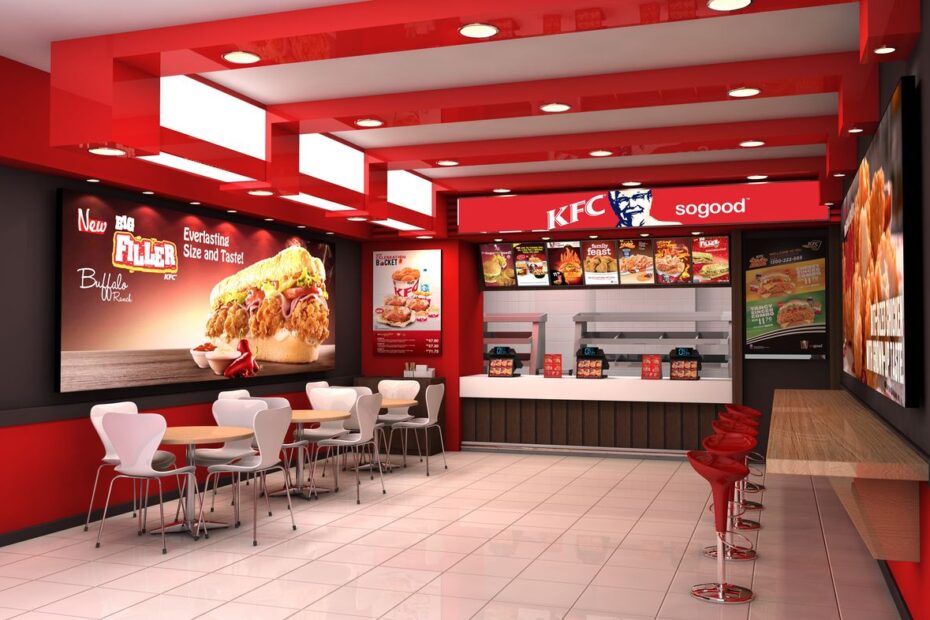
Fast food and casual dining remain profitable due to high demand for quick meals. Franchising well-known brands or starting your own concept is viable.
3. Food Delivery and Online Ordering
With the rise of digital platforms, food delivery services allow businesses to reach customers without needing a large physical space. Ghost kitchens can reduce costs while increasing efficiency.
4. Catering Services
Providing catering for events, corporate clients, and parties offers high-profit margins and repeat business opportunities.
5. Specialty Cafes and Coffee Shops
Cafes focusing on coffee, tea, desserts, or themed beverages attract steady foot traffic and create brand loyalty.
6. Bakery and Confectionery
Bakeries offering bread, cakes, pastries, and custom orders are always in demand. Combining in-store sales with online delivery boosts revenue.
7. Health-Focused and Organic Food
As people become health-conscious, businesses offering organic, vegan, gluten-free, or low-calorie meals attract niche markets with higher willingness to pay.
8. Food Trucks and Mobile Kitchens
Food trucks provide flexibility and lower startup costs. They are ideal for testing new cuisines or targeting busy urban locations and events.
9. Meal Prep and Subscription Services
Busy professionals and families prefer pre-packaged, ready-to-eat meals delivered weekly. Subscription models create consistent income.
10. Ethnic and Fusion Cuisine
Restaurants or online delivery services specializing in local, ethnic, or fusion dishes cater to adventurous eaters and international markets.
How to Start a Food and Restaurant Business
-
Identify your niche: Decide whether to focus on dine-in, delivery, catering, or specialty foods.
-
Conduct market research: Understand customer preferences, competitors, and pricing strategies.
-
Develop a menu: Focus on quality, taste, and uniqueness to differentiate your business.
-
Choose the right location or platform: For physical restaurants, location is key; for delivery, invest in online visibility.
-
Invest in marketing: Social media, influencer partnerships, and online ads can drive traffic and orders.
-
Ensure compliance: Food safety, licenses, and health regulations are critical.
-
Focus on customer experience: High-quality food and excellent service ensure repeat business.
Challenges in the Food and Restaurant Industry
-
Rising food and operational costs.
-
Staffing and employee retention.
-
High competition in urban areas.
-
Adapting to changing consumer preferences.
-
Maintaining consistent quality and hygiene.
These challenges can be mitigated through careful planning, training, and strong operational systems.
Future Trends in Food and Restaurant Business
-
Increased reliance on online ordering and delivery apps.
-
Growth of cloud kitchens and virtual restaurants.
-
Demand for sustainable and eco-friendly packaging.
-
Integration of AI and data analytics for menu optimization and inventory management.
-
Rising popularity of plant-based and functional foods.
Final Thoughts
The food and restaurant business offers multiple avenues for profitability and growth. From traditional restaurants to delivery services, catering, and niche culinary offerings, opportunities abound for creative and disciplined entrepreneurs.
With proper planning, quality products, and a customer-focused approach, this industry remains one of the most rewarding ventures for long-term success.
Frequently Asked Questions
Which Kind of Food Business Is Most Profitable?
The most profitable food businesses are usually those with low startup costs, high demand, and strong profit margins. Businesses that require minimal equipment, fewer employees, and ingredients that are easy to source tend to generate better profits over time.
One of the key reasons certain food businesses succeed is consistent daily demand. Food is a necessity, so businesses that provide quick, affordable, and convenient meals often attract regular customers. For example, take-away food stalls, food trucks, small restaurants, and home-based catering services can all be highly profitable when managed efficiently.
Another factor that increases profitability is menu simplicity. When a food business focuses on a small number of popular meals, it becomes easier to control food costs, reduce waste, and maintain quality. This allows the business owner to maximize profit from each sale.
Some of the most profitable types of food businesses include:
-
Fast food or quick-service restaurants
-
Street food stalls
-
Catering services
-
Snack and pastry businesses
-
Food delivery kitchens
-
Small takeaway food shops
Location also plays a major role in profitability. Food businesses located near schools, offices, markets, or busy streets usually experience higher customer traffic and more daily sales.
Finally, profitability depends heavily on good management and customer satisfaction. A food business that maintains hygiene, consistent taste, and friendly service will build loyal customers who return frequently. Over time, repeat customers can become the main source of income, making the business stable and highly profitable.
Which Food Is Most in Demand?
Foods that are most in demand are usually those that are affordable, filling, convenient, and familiar to customers. People often choose meals that are easy to find, quick to prepare, and suitable for everyday consumption.
Across many communities, staple foods remain the most popular because they form part of daily diets. Meals that combine carbohydrates with proteins and vegetables are typically the most requested in restaurants and food stalls. Examples include rice dishes, noodle meals, sandwiches, soups, and traditional local meals.
Demand is also influenced by lifestyle and convenience. As people become busier, many prefer foods that are quick to buy and easy to eat. Fast foods and ready-to-eat meals therefore attract significant demand, especially in urban areas.
Another category with strong demand is snacks and small bites. Many people purchase snacks between meals, during work breaks, or while traveling. Items such as pastries, fried snacks, and baked goods often sell quickly because they are inexpensive and portable.
Common types of food that usually stay in high demand include:
-
Rice-based meals
-
Fried or grilled meat dishes
-
Noodles and pasta
-
Sandwiches and burgers
-
Local traditional dishes
-
Street snacks and pastries
Demand can also change depending on culture, location, and season. For example, hot meals may sell more during cooler periods, while cold drinks and lighter foods become popular during hotter seasons.
Ultimately, the most in-demand food is one that matches the eating habits and preferences of the local population, while also being affordable and easily accessible.
What Is the Most Profitable Food to Sell in a Restaurant?
In restaurants, the most profitable foods are typically those with low ingredient costs but high selling prices. These meals allow restaurant owners to earn a larger profit margin from each plate sold.
Foods made with basic, inexpensive ingredients but presented in attractive or flavorful ways often generate the best returns. For example, dishes built around rice, pasta, potatoes, or bread can be sold at a higher price while costing relatively little to prepare.
Another factor that increases restaurant profitability is menu efficiency. When a restaurant uses similar ingredients across multiple dishes, it reduces waste and purchasing costs. This makes it easier to maintain consistent profit margins.
Some of the most profitable restaurant food categories include:
-
Pasta and noodle dishes
-
Rice-based meals
-
Burgers and sandwiches
-
Pizza and flatbreads
-
Fried foods and snacks
-
Breakfast meals
Drinks can also be extremely profitable in restaurants. Items such as soft drinks, juices, smoothies, tea, and coffee usually have very high profit margins because they cost little to prepare compared to their selling price.
Restaurants can further increase profitability by focusing on popular signature dishes that customers return for regularly. A well-known specialty meal can attract repeat customers and help the business stand out from competitors.
In addition, controlling portion sizes, managing food inventory carefully, and minimizing waste all contribute to better profits. A restaurant that balances quality, pricing, and efficient operations can turn even simple meals into highly profitable menu items.
Which Foodstuff Business Is Most Profitable in Nigeria?
In Nigeria, some of the most profitable foodstuff businesses are those that deal with everyday staple foods that people buy frequently. Since these foods are essential for daily cooking, demand remains steady throughout the year.
One of the most common profitable foodstuff businesses is the rice supply business. Rice is widely consumed in Nigerian households, making it a high-demand product in markets and grocery stores. Sellers who buy in bulk and sell in smaller portions can earn consistent profits.
Another profitable foodstuff business is the beans trade. Beans are an affordable source of protein and are used in many Nigerian meals. Because of this, they sell regularly and maintain strong market demand.
Other profitable foodstuff businesses in Nigeria include:
-
Garri sales
-
Yam distribution
-
Palm oil sales
-
Pepper and vegetable supply
-
Frozen foods and poultry products
-
Cooking oil and seasoning supplies
These businesses often succeed because the products are basic necessities used by families daily. Even during economic challenges, people still need to buy food ingredients for cooking.
Profitability in the foodstuff business also depends on good sourcing and storage. Buying goods directly from farmers or wholesalers can reduce costs and increase profit margins. Proper storage also helps prevent spoilage and losses.
Many entrepreneurs start small by selling from local markets, roadside shops, or small retail stores. With consistent demand and good customer relationships, a foodstuff business can gradually grow into a stable and profitable enterprise.
What Type of Food Makes the Most Money?
The type of food that makes the most money is usually food that combines high demand, low production cost, and quick preparation. When a food business can produce meals quickly and sell them at a reasonable price, it can generate significant revenue over time.
Fast foods and street foods often make the most money because they are easy to prepare and widely loved by customers. These foods are usually sold in high volume, meaning the business can make many sales in a single day.
Another profitable category is snack foods. Snacks are purchased frequently throughout the day and are often inexpensive, encouraging impulse purchases. Because of their popularity, they can produce steady daily income.
Foods that typically generate high earnings include:
-
Fried snacks and pastries
-
Burgers and sandwiches
-
Rice and noodle dishes
-
Grilled or fried meat meals
-
Pizza and flatbread foods
-
Desserts and sweet treats
Beverages can also be very profitable. Drinks like smoothies, coffee, milkshakes, and fresh juices often have excellent profit margins compared to their ingredient costs.
In many successful food businesses, the real key to making money is volume of sales. Even if each item has a moderate profit margin, selling large quantities every day can result in strong overall profits.
Ultimately, the most profitable foods are those that customers buy regularly, enjoy consistently, and find affordable, ensuring steady demand and reliable income for the business owner.
What Are the 7 Types of Food Processing?
Food processing refers to the different methods used to prepare, preserve, or transform raw food into products that are safe and convenient to eat. These processes help extend shelf life, improve taste, and make food easier to cook or consume. While there are many techniques used in the food industry, several common types are widely recognized.
One type is cleaning and sorting, which involves removing dirt, stones, damaged produce, and unwanted materials from raw food. This step ensures the food is safe and suitable for further preparation.
Another type is milling or grinding, where grains and other foods are broken down into smaller particles. For example, wheat can be milled into flour, and corn can be ground into meal used for various dishes.
Mixing and blending is another form of processing. This method combines ingredients to create products like dough, sauces, and beverages. It ensures even distribution of flavors and nutrients.
Heat processing is widely used to cook or preserve food. Methods such as boiling, baking, roasting, and frying help destroy harmful bacteria while improving taste and texture.
Fermentation is another important process where microorganisms transform food naturally. Examples include yogurt, cheese, and fermented grains.
Drying or dehydration removes moisture from foods to prevent spoilage. Dried fruits, spices, and powdered foods are produced using this method.
Finally, packaging and preservation help protect food from contamination and extend its shelf life. Proper packaging allows food to be transported and stored safely.
Together, these types of food processing make it possible for people to enjoy a wide variety of foods that are safe, convenient, and available for longer periods.
What Type of Food Restaurants Make the Most Money?
Certain types of restaurants tend to make more money because they attract large numbers of customers while keeping operating costs relatively low. The most profitable restaurants usually focus on popular foods that are easy to prepare and sell quickly.
Fast-casual and quick-service restaurants often generate strong profits. These restaurants serve meals that can be prepared rapidly, allowing them to serve many customers throughout the day. High customer turnover means more sales and higher overall revenue.
Another profitable type is pizza and burger restaurants. These foods are widely loved and relatively inexpensive to prepare. The ingredients—such as dough, cheese, bread, and simple toppings—have manageable costs, yet the final meals can be sold at attractive prices.
Restaurants that specialize in rice dishes, noodles, and grilled meals also tend to perform well. These meals are filling, affordable, and suitable for both individuals and families.
Some profitable restaurant types include:
-
Fast food and quick-service restaurants
-
Pizza restaurants
-
Burger and sandwich shops
-
Casual dining restaurants
-
Street food or takeaway outlets
-
Cafés and coffee shops
Another reason these restaurants succeed is menu simplicity. When a restaurant focuses on a few popular items, it becomes easier to control food costs and maintain quality.
Location also plays a key role. Restaurants situated near offices, schools, transport hubs, and busy streets often attract steady traffic. Combined with good service and consistent taste, these factors help certain restaurant types earn higher profits.
What Are the Three C’s in a Restaurant?
The “Three C’s” in a restaurant are guiding principles that help ensure a successful dining experience. While restaurants may define them slightly differently, they generally refer to Customer, Cleanliness, and Consistency.
Customer is the most important element of any restaurant business. A restaurant exists to serve people, so understanding customer needs and preferences is essential.
This includes offering meals that customers enjoy, providing friendly service, and ensuring a comfortable dining environment. When customers feel valued and satisfied, they are more likely to return and recommend the restaurant to others.
Cleanliness is another critical factor in the food industry. Restaurants must maintain high standards of hygiene in food preparation areas, dining spaces, and staff appearance. Clean kitchens, sanitized equipment, and tidy dining areas help prevent food contamination and create trust with customers. A clean restaurant environment also improves the overall dining experience.
The third “C” is Consistency. Customers expect their favorite meals to taste the same every time they visit a restaurant. Consistency means maintaining the same flavor, portion size, quality, and presentation of food. It also includes consistent service and reliable operating hours.
When these three principles work together, they create a strong foundation for restaurant success. A restaurant that focuses on customer satisfaction, maintains excellent hygiene, and delivers consistent food quality can build a loyal customer base and long-term profitability.
Which Food Is Trending Right Now?
Food trends change as people’s tastes, lifestyles, and health preferences evolve. However, some food trends tend to appear repeatedly because they reflect broader interests such as convenience, nutrition, and unique dining experiences.
One major trend is health-focused meals. Many consumers are increasingly interested in foods that support well-being, such as fresh vegetables, whole grains, lean proteins, and balanced meals. Restaurants and food businesses often respond by offering lighter and more nutritious menu options.
Another popular trend is street food and quick bites. People enjoy foods that are flavorful, affordable, and easy to eat on the go. Street-style foods often feature bold spices and creative combinations that appeal to adventurous eaters.
Fusion cuisine is also trending in many places. This style combines elements from different culinary traditions to create new and exciting dishes. For example, chefs may blend flavors from different cultures to produce unique meals.
Other common food trends include:
-
Plant-based meals
-
Gourmet burgers and sandwiches
-
Artisanal baked goods
-
Fresh fruit smoothies and juices
-
International street foods
In addition, social media has influenced food trends significantly. Visually appealing meals that look attractive in photos often gain popularity quickly.
Although trends may shift over time, foods that combine great taste, convenience, and creativity usually remain popular with consumers and continue to inspire new dishes in restaurants and food businesses.
What Food Is High Profit?
High-profit foods are meals or products that cost relatively little to produce but can be sold at a higher price. These foods often have simple ingredients, quick preparation times, and strong customer demand.
One category known for high profit is snack foods and small bites. Items like pastries, fried snacks, and baked goods usually require inexpensive ingredients such as flour, sugar, and oil. Because they are popular and easy to produce in large quantities, they can generate strong returns.
Another high-profit category is rice and pasta dishes. Rice, noodles, and pasta are affordable staples that can be turned into flavorful meals using sauces, vegetables, and small amounts of protein. Restaurants often sell these dishes at prices that provide a good profit margin.
Beverages are also among the most profitable food items. Drinks like smoothies, coffee, tea, and fresh juices typically cost little to make compared to their selling price.
Examples of foods that often produce high profit include:
-
Burgers and sandwiches
-
Pizza and flatbreads
-
Fried snacks and pastries
-
Rice and noodle meals
-
Desserts and sweet treats
-
Specialty beverages
The profitability of these foods also depends on efficient preparation and consistent sales volume. When a business can serve many customers quickly and maintain quality, these types of foods can generate significant income.
Ultimately, high-profit foods are those that balance affordable ingredients, strong demand, and appealing taste, making them both attractive to customers and beneficial for the business.