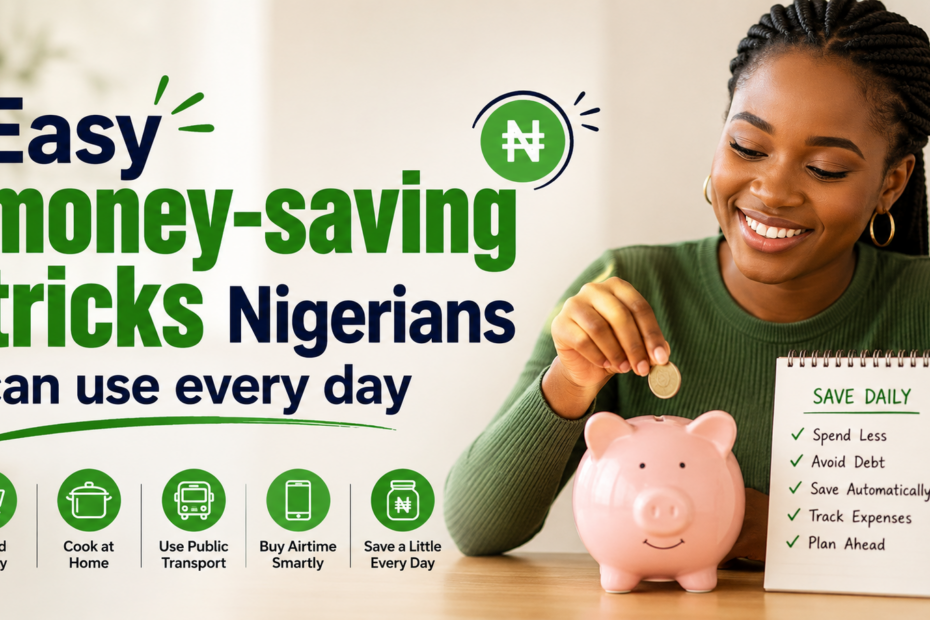
Many Nigerians earn money every day, yet at the end of the month, they still wonder where it all went. The truth is, the problem is not always how much you earn, but how you manage your daily spending.
Small expenses like transport, food, airtime, data subscriptions, snacks, and impulse purchases may seem harmless, but they slowly add up and drain your income without notice.
Over time, these “little leaks” become the reason many people can’t save or invest, no matter how hard they work. The good news is that saving money is not complicated—it starts with awareness and simple daily habits. Once you understand where your money goes, you can begin to take control of it.
“Saving money in Nigeria is not about earning more—it’s about spending smarter every day.”
1. Track Your Daily Spending (Most Important Foundation)
2. Use “Cash Envelope” or Separate Wallet System
A very effective way to control your money is by dividing it into categories as soon as you receive it. Instead of keeping all your income in one place and spending freely, you assign specific amounts to different needs such as transport, feeding, savings, and emergency funds. This method helps you plan your money before it starts going out.
For example, you can set aside a fixed amount for transport so you don’t overspend on movement, allocate another portion for daily feeding, and separate a strict amount for savings that you don’t touch. You can also keep an emergency fund for unexpected situations.
This system works because it prevents overspending in one area and helps you stay disciplined. When each expense has its own “limit,” you become more aware of your choices and avoid wasting money on unnecessary things.
4. Cook More, Eat Out Less
5. Set a “No Touch Savings Rule”
One of the biggest challenges many people face when trying to save money is the temptation to spend what they have already saved.
To truly build financial discipline, you need to set a strict rule for yourself: once money is saved, it is not for everyday use or small needs. Savings should be treated like “locked money” that is meant for your future goals, not for impulse spending.
This mindset helps you separate your spending money from your real savings. If you constantly dip into your savings for minor expenses, you will never see real growth in your finances.
A helpful tip is to use bank savings apps or create a separate account that is not easily accessible for withdrawals. Some people even prefer savings platforms that require notice before withdrawal, which helps reduce temptation. The goal is simple—protect your savings so they can grow over time and serve their real purpose.
6. Use Transport Smartly
Transport is one of the daily expenses that quietly consumes a lot of money, especially in busy cities. If you are not careful, you may end up spending far more than necessary simply because of poor planning. Learning how to use transport smartly can help you save a significant amount every week.
One effective habit is combining your trips instead of going out multiple times in a day. For example, if you have errands to run, plan them together so you only pay transport once instead of paying repeatedly.
Another simple but powerful habit is walking short distances when it is safe and practical. Many people spend money on very short routes that they could easily walk.
It is also important to compare transport options before making a choice. Sometimes public transport is far cheaper than ride-hailing services, and choosing wisely can make a big difference over time. Small transport decisions, when managed well, lead to big savings.
7. Buy in Bulk (When Possible)
One major reason many people struggle with money is emotional spending. This happens when you spend not because you truly need something, but because of how you feel at that moment. Stress, boredom, sadness, or even excitement can push you into making unnecessary purchases that you later regret.
Social pressure also plays a big role. Seeing friends or social media lifestyle updates can make you feel like you need to “keep up,” leading to spending on things that are not important or affordable at the time. Over time, these emotional decisions quietly drain your income.
A simple but powerful tip is to practice the 24-hour rule. Before buying anything that is not urgent or essential, wait for at least one day. In most cases, the urge will reduce or disappear completely, helping you make a more rational decision. This habit helps you take control of your emotions and protect your money from unnecessary spending.