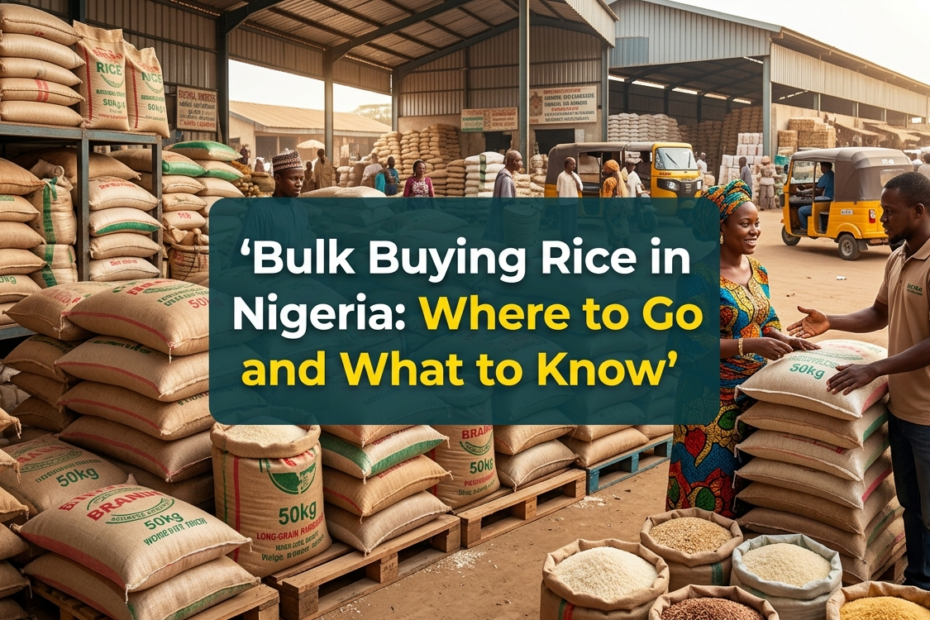
Rice is one of the most widely consumed staple foods in Nigeria, serving as a daily meal in homes, restaurants, events, and even school canteens. From jollof rice to fried rice, coconut rice, and plain white rice with stew, this versatile grain holds a firm place in the heart of Nigerian cuisine.
However, in recent years, the rising cost of food items—especially rice—has become a major concern for many Nigerians. Inflation, import restrictions, and supply chain disruptions have pushed prices higher, making it harder for individuals and families to afford basic meals. For small food vendors and large-scale caterers, the situation is even more challenging.
One smart way to manage these rising costs is by buying rice in bulk. Whether you’re a household trying to stretch your food budget, a caterer planning for events, or a reseller hoping to make profit, bulk purchasing can lead to significant savings.
In this guide, you’ll learn everything you need to know about buying rice in bulk in Nigeria—including the best places to buy, current market prices, potential risks to watch out for, and practical tips to get the best value for your money.
Why Buy Rice in Bulk?
Buying rice in bulk offers several advantages, especially in today’s economic climate where food prices continue to rise. Here are some key reasons why bulk purchasing is a smart decision:
1. Cost-Saving Benefits
One of the biggest advantages of buying rice in large quantities is the reduced cost per unit. Wholesale prices are usually cheaper than retail, allowing you to save money in the long run. Whether you’re a household shopper or a business owner, purchasing in bulk helps you stretch your budget further.
2. Convenience
Buying in bulk means fewer trips to the market or store, saving you time and transportation costs. It also ensures that you always have rice on hand, especially during periods of scarcity or price hikes. For busy families or individuals with tight schedules, this convenience can make meal planning much easier.
3. Great for Resale
For retailers, caterers, and restaurant owners, bulk buying is essential. It provides access to large quantities of rice at a lower price, allowing for profitable resale or efficient service at events and restaurants. It also helps maintain consistency in food quality and pricing.
4. Ideal for Events or Large Families
If you’re planning a wedding, party, or religious gathering, buying rice in bulk ensures you have enough to feed a large number of guests without last-minute stress. Similarly, large families can benefit from the steady supply and reduced cost, making meal planning more economical and less frequent.
Popular Types of Rice Sold in Bulk in Nigeria
When it comes to bulk rice purchases in Nigeria, buyers typically choose between foreign (imported) rice and locally produced rice, each with its own qualities, price range, and suitability depending on your needs or preferences.
1. Foreign (Imported) Rice
Imported rice is generally known for its cleaner finish, uniform grain size, and minimal stone or dirt content. These brands are often more polished and parboiled, making them quicker to cook.
-
Thailand Rice – Known for its long grain, smooth texture, and excellent swelling capacity when cooked. It’s one of the most popular choices among Nigerian households and caterers.
-
Indian Rice – Widely consumed, especially basmati varieties known for their strong aroma and long, slender grains. Often used in special meals like fried rice or biryani.
-
American Rice – Typically high-quality parboiled rice with a firm texture. It’s less fragrant than Thai or Indian rice but reliable for bulk cooking.
2. Local Rice
Nigerian rice has grown in popularity due to government policies supporting local agriculture. While some local brands may have higher stone or chaff content, many processors now produce clean, high-quality options.
-
Ofada Rice – A native variety often grown in the South-West, known for its unique aroma and slightly sticky texture. Best suited for traditional dishes.
-
Abakaliki Rice – Produced in Ebonyi State, this rice is popular in the eastern part of Nigeria. It often comes with some stone content but is loved for its traditional flavor.
-
Kebbi Rice – From the North-Western region, particularly Kebbi State. It is often clean, nutritious, and available in large quantities, making it ideal for both personal and commercial use.
3. Common Bag Sizes
Rice sold in bulk typically comes in 25kg and 50kg bags. For large-scale buyers such as caterers or retailers, the 50kg bag is more cost-effective. Some wholesalers also offer even larger quantities packed in tons for major distributors.
4. Factors to Consider
-
Stone Content: Local rice may contain more stones unless properly processed. Always ask about sorting and cleaning.
-
Fragrance: Some imported rice, like Thai Jasmine or Indian Basmati, has a rich aroma. Local varieties like Ofada also have a unique smell.
-
Texture: Depending on the type, rice can be firm, soft, or sticky when cooked. Consider your cooking style or customer preference.
-
Parboiled vs. Raw: Parboiled rice is partially pre-cooked and easier to prepare. Raw rice is less common in bulk but may be preferred for specific traditional recipes.
Where to Buy Rice in Bulk in Nigeria
If you’re planning to buy rice in bulk, Nigeria offers a wide range of options—from large open-air markets to local rice mills and online platforms. Here’s a breakdown of the most reliable places to consider:
Physical Markets
These traditional markets are known for offering competitive prices, especially when buying in bulk. You can negotiate directly with sellers and inspect the quality before purchasing.
Oyingbo Market (Lagos) – Popular for foodstuff, including both imported and local rice. Ideal for wholesalers and small retailers.
Daleko Market (Lagos) – A major rice hub in Lagos, well-known for bulk purchases at wholesale rates.
Bodija Market (Ibadan) – One of the largest food markets in South-West Nigeria, offering a wide selection of rice types.
Singer Market (Kano) – Northern Nigeria’s go-to destination for grains and cereals, including local rice brands.
Wuse Market (Abuja) – A central market for residents of the capital city. Prices may be slightly higher but quality is often assured.
Onitsha Main Market (Anambra) – One of the largest markets in West Africa, good for wholesale purchases and distributor connections.
Mile 12 Market (Lagos) – Known for large-scale food trading, including imported and Nigerian rice in various quantities.
Direct from Local Rice Mills
For cleaner, fresher local rice, buying directly from mills or their distributors is a smart move. It can also cut out middlemen and reduce costs.
Labana Rice Mill (Kebbi State) – A top-tier producer of Kebbi rice, known for well-processed, stone-free rice in large quantities.
Umza Rice Mill (Kano State) – Offers high-quality parboiled rice sourced from local farmers. Bulk sales available.
Ebonyi State Rice Producers – Famous for Abakaliki rice. You can buy directly from farmers or cooperatives within the state.
Distributors of Big Bull or Mama’s Pride – These are among Nigeria’s most popular packaged local rice brands. You can contact official distributors for wholesale supply.
Online Wholesalers or Distributors
In the digital age, buying rice in bulk online is becoming increasingly popular. While convenience is a big plus, it’s important to verify the seller’s credibility.
Jumia Food Market – In select cities, you can order bulk rice from verified vendors. Suitable for urban buyers.
Verified Sellers on TradeFair, Olist, or WhatsApp Groups – Many wholesalers advertise on these platforms. Always verify product quality and seller reputation before payment.
Facebook Groups and Agricultural Cooperatives – Join local farming and agro-business communities where rice farmers and distributors sell directly to bulk buyers.
Each of these sources has its pros and cons, depending on your location, budget, and preferred rice variety. Whether you want the affordability of open markets, the freshness of local mills, or the convenience of online shopping, there’s an option to meet your needs.
What to Know Before You Buy
Before committing to a bulk rice purchase in Nigeria, it’s important to understand the key factors that can affect quality, cost, and overall value. Whether you’re buying for home use, resale, or an event, the following points will help you make informed decisions:
Check for Rice Quality
Always inspect the rice for quality. Look out for common issues such as stone content, broken grains, and discoloration. High-quality rice should have minimal dirt, a pleasant aroma (especially in the case of varieties like Ofada or Thai jasmine), and be properly parboiled. Well-parboiled rice cooks faster and has a longer shelf life.
Compare Prices
Prices vary based on location, brand, and market conditions. For instance, rice might be cheaper in northern markets compared to major cities like Lagos or Abuja. It’s wise to compare prices from at least two or three sellers before making a purchase. Keep in mind that buying directly from a mill or rural market may offer better deals.
Beware of Fraud
As online shopping grows, so does the risk of fraud. Be cautious when dealing with unknown suppliers on social media or messaging platforms. Ask for verification, physical addresses, or even references before making payment. If possible, use payment-on-delivery or escrow services to protect your money.
Transportation Costs
Transportation can significantly affect your final cost, especially if you’re buying from a distant location. Factor in the cost of delivery or haulage before finalizing the deal. In some cases, it may be more economical to buy from a slightly more expensive nearby supplier than to spend extra on long-distance transport.
Storage Requirements
Rice must be stored properly to maintain freshness and prevent spoilage. Choose a clean, dry, and cool storage area to keep moisture and pests like weevils away. Airtight containers or tightly sealed bags are ideal for preserving rice quality, especially during the rainy season.
Seasonal Fluctuations
Rice prices tend to drop after the harvest season due to increased supply. Planning your bulk purchase around these periods can help you save money. Generally, harvest occurs towards the end of the rainy season (around October to December), so this is often the best time to buy in large quantities.
Average Price of Bulk Rice in Nigeria (2025 Estimate)
As of 2025, the price of rice in Nigeria continues to reflect the nation’s economic realities, including inflation, transportation costs, and regional differences. If you’re planning to buy in bulk, here’s what you can expect to pay on average:
25kg Local Rice
₦16,000 – ₦20,000
Locally produced rice—such as Ofada, Abakaliki, or Kebbi rice—is generally more affordable and available across most states. However, prices can fluctuate depending on how well the rice has been processed (stone-free or not), packaging quality, and the seller’s location. Buyers in rice-producing states may pay less compared to those in major cities like Abuja or Lagos.
50kg Foreign Rice
₦40,000 – ₦52,000
Imported rice brands, including Thai or Indian long grain varieties, are typically more expensive. The price varies based on the country of origin, grain quality, and shipping costs. Foreign rice is especially in high demand for its cleaner appearance and quick cooking time, which also contributes to the higher price.
What Affects the Price?
-
Location: Prices tend to be lower in rural areas and in states closer to rice-producing regions or ports. Urban areas may attract higher costs due to demand and added transportation.
-
Fuel Prices: Increases in diesel and petrol prices significantly impact the cost of transporting rice across the country, especially from northern or border areas to southern cities.
-
Market Season: Prices are often slightly lower during post-harvest seasons and rise during festive periods when demand spikes.
Before purchasing in bulk, it’s advisable to compare prices from multiple sources and factor in logistics to get the best overall deal.
Tips for Starting a Small Rice Reselling Business
Starting a rice reselling business in Nigeria is a smart way to earn steady income, especially with rice being one of the most consumed foods in the country. You don’t need a huge investment to begin—just strategy and consistency. Here are helpful tips to get started:
Start Small
Begin with just one or two bags of rice, preferably 25kg or 50kg, depending on your capital. This allows you to test the market and understand the buying behavior of your customers without taking on too much financial risk.
Target Nearby Buyers
Your first customers are often closer than you think. Sell to neighbors, colleagues, small restaurants, or food vendors who need rice regularly but may not have the funds or time to buy in bulk. Offering home delivery or selling in smaller portions can give you an edge.
Leverage Social Media
Use platforms like Facebook Marketplace, WhatsApp status, Instagram, or even local community groups to showcase your rice stock. Post clear pictures, list your prices, and respond quickly to inquiries. Word-of-mouth and visibility are crucial at this stage.
Partner with Event Planners and Caterers
Events often require large quantities of rice. Building a relationship with event planners, caterers, or food businesses can lead to repeat bulk orders. Offer competitive pricing and reliable delivery to build trust.
Reinvest and Grow
As profits come in, reinvest into buying more bags or diversifying into different rice types (e.g., local and foreign). With time, you can scale up and become a regular supplier in your area.
Starting small helps you learn the business, understand customer preferences, and grow sustainably without pressure. With consistency and good customer service, you can turn rice reselling into a profitable side hustle or full-time venture.
Final Thoughts
Buying rice in bulk offers clear benefits—significant cost savings, convenience, and the ability to meet the demands of large families, events, or businesses. Whether you’re looking to reduce frequent shopping trips or start a small reselling venture, purchasing in bulk can be a smart financial move.
However, it’s essential to do your homework before making a purchase. Always check the rice quality, compare prices, verify your supplier’s credibility, and plan for storage and transportation. Taking these steps will help you avoid common pitfalls and ensure you get the best value for your money.
Have you ever bought rice in bulk? Share your experience in the comments—we’d love to hear your tips and stories!
Top 5 Markets for Bulk Rice in Nigeria
When it comes to buying rice in bulk, these five markets stand out as the most reliable and popular across Nigeria. Each offers a variety of rice types, competitive prices, and the opportunity to negotiate directly with wholesalers.
-
Mile 12 Market (Lagos)
Known as one of the largest foodstuff markets in Lagos, Mile 12 is a bustling hub for wholesale rice trade. Buyers can find both local and imported rice varieties here, often at some of the most competitive prices in the Southwest. Its strategic location also makes transportation easier for buyers within Lagos and neighboring states. -
Oyingbo Market (Lagos)
A major foodstuff market in Lagos, Oyingbo Market offers a wide selection of rice, including foreign brands like Thai and Indian rice, as well as popular local varieties. It is a go-to spot for retailers and caterers looking to buy in bulk with flexible negotiation options. -
Onitsha Main Market (Anambra)
One of West Africa’s largest markets, Onitsha Main Market is a major distribution center for rice in the Southeast. It is especially known for offering quality rice at wholesale prices, and buyers benefit from access to a vast network of suppliers and distributors. -
Daleko Market (Lagos)
Daleko Market specializes in bulk rice and other grains, attracting traders from across Lagos and beyond. It’s an excellent place for buyers seeking variety and competitive pricing, with the advantage of direct deals from wholesalers. -
Singer Market (Kano)
Located in Northern Nigeria, Singer Market is a crucial rice trading center, especially for local varieties like Kebbi rice. Northern markets tend to offer fresher, more affordable rice due to proximity to rice-producing states, making Singer Market a key destination for bulk buyers in the north.
These markets represent the best places to source rice in bulk, whether for personal use, resale, or event planning. Visiting any of these hubs allows buyers to inspect rice quality firsthand and negotiate prices directly, maximizing value.