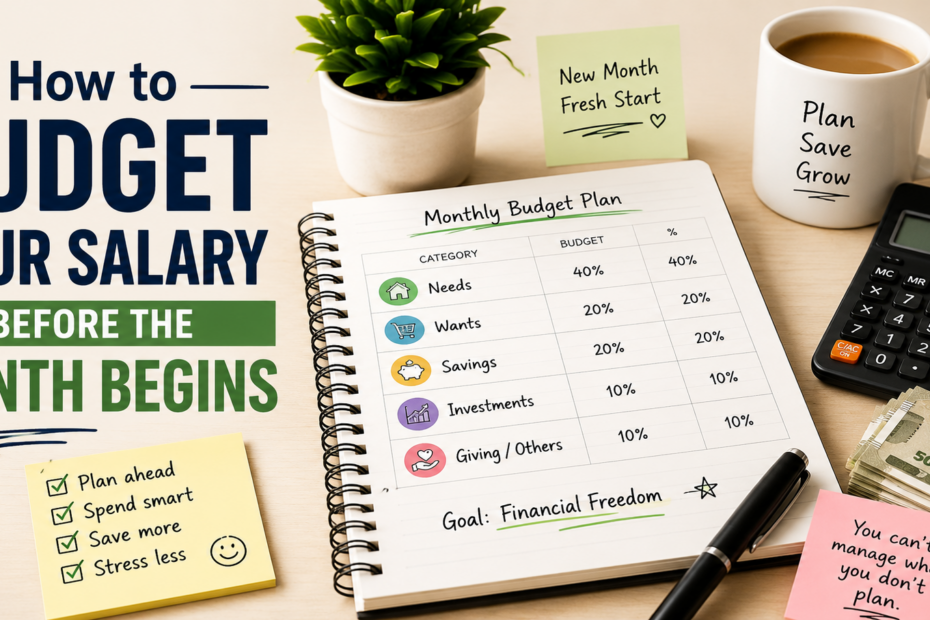
Many people work hard for their salary only to wonder where the money went before the month ends. This often happens because spending starts immediately after receiving income without a clear plan. Small purchases, unexpected expenses, and emotional spending can quickly reduce available funds.
Budgeting before the month begins changes that pattern. Instead of reacting to expenses as they appear, you decide in advance how every naira will be used. Intentional spending means your money supports your priorities, while emotional spending is often driven by impulse, pressure, or temporary desires.
A salary without a budget often disappears faster than expected. Planning before the month begins gives every naira a purpose, reduces financial stress, and helps you stay in control of your money throughout the month.
Understand Your Exact Monthly Income
Before creating a budget, you need to know exactly how much money you truly have available each month. Many people make budgeting mistakes because they plan using their gross salary instead of their actual take-home pay.
Your budget should be based on the amount that enters your account after deductions such as taxes, pension contributions, loan repayments, or other automatic charges.
If you earn extra income from side jobs, freelancing, or small businesses, only include it if it is consistent and reliable. Avoid budgeting around money that may not come every month, as this can lead to overspending and financial pressure.
A simple rule is to budget using guaranteed income and treat irregular earnings as bonus money.
Ask yourself:
- How much enters my account monthly?
- Is my income fixed or variable?
- Do I depend on side income to cover essentials?
Understanding your true monthly income creates a realistic foundation for every financial decision you make.
List Your Fixed Expenses First
Once you know your actual monthly income, the next step is to identify your fixed expenses. These are bills and obligations that remain predictable and usually occur every month. Listing them first helps you understand how much of your salary is already committed before you begin spending on optional items.
Common fixed expenses include rent, transport, food, electricity bills, internet or data subscriptions, school fees, loan repayments, and other recurring household costs. Since these expenses are necessary, they should receive priority in your budget.
Writing down your fixed expenses gives you a clear picture of your financial responsibilities and prevents accidental overspending early in the month.
Create a simple list and assign estimated amounts to each category before planning entertainment, shopping, or other flexible spending. When your essentials are covered first, the rest of your budget becomes easier to manage and more realistic to maintain.
Identify Variable Expenses
Variable expenses are costs that do not remain the same every month. Unlike fixed bills such as rent or electricity, these expenses change depending on your lifestyle, decisions, and sometimes unexpected situations. Understanding them is very important because they are the easiest areas where people overspend without noticing.
Eating Out
Eating out includes spending on restaurants, fast food, snacks, takeaways, and food deliveries. This category often looks small at first, but it can grow quickly if not controlled.
Many people underestimate how much they spend on convenience food during busy days or weekends. For example, buying lunch outside daily instead of cooking at home can take a large portion of your salary over time.
The best way to manage this expense is to set a weekly or monthly limit and stick to it. Tracking how often you eat out helps you understand your real spending habits and identify where you can cut back without affecting your quality of life.
Entertainment
Entertainment covers activities like watching movies, streaming subscriptions, going out with friends, events, or online gaming purchases. While entertainment is important for relaxation and mental health, it can easily become excessive if not planned.
Many people subscribe to multiple platforms or attend frequent outings without realizing the total cost. To manage this category, decide how much enjoyment you can afford each month and prioritize the activities that matter most to you. This prevents emotional spending driven by boredom or peer pressure.
Shopping
Shopping includes clothing, personal items, gadgets, and general household purchases that are not fixed monthly needs. This category is highly flexible and often influenced by trends, ads, or impulse buying.
Without planning, it can quickly drain your salary. A good approach is to distinguish between “needs” and “wants” before buying anything.
Also, waiting 24 hours before making non-essential purchases can reduce impulsive decisions. Tracking previous months helps you understand your real shopping patterns and set a realistic budget.
Gifts
Gifts include money spent on birthdays, celebrations, weddings, or helping friends and family. This is a sensitive category because it often involves emotions and social expectations.
However, if not planned, it can create financial stress, especially when multiple events happen in a month. The best way to handle gift expenses is to set aside a small monthly amount for social occasions. This ensures you can support others without disrupting your financial stability or going into debt.
Fuel / Transport Variations
Fuel or transport costs can change depending on fuel prices, distance traveled, or unexpected trips. Even if you have a fixed transport routine, additional movements during the month can increase spending.
Some months may require more travel than others due to work, family needs, or emergencies. To manage this, estimate your average weekly transport cost and multiply it for the month, then add a small buffer for unexpected trips. Reviewing past months helps you create a more accurate and realistic estimate.
Key Advice
To properly manage variable expenses, always track your spending from previous months. This helps you identify patterns and set realistic limits instead of guessing. When you understand your spending behavior, budgeting becomes easier, more accurate, and less stressful.
Pay Yourself First (Savings Before Spending)
One of the most powerful principles of personal finance is paying yourself first. This simply means that saving money should not be what is left after spending—it should be the first thing you do when your salary arrives.
Many people struggle financially not because they don’t earn enough, but because they prioritize spending before saving. When saving comes last, it usually becomes nothing at all.
Emergency Fund
An emergency fund is money set aside for unexpected situations such as medical bills, sudden repairs, job loss, or urgent family needs. Life is unpredictable, and without an emergency fund, people are often forced to borrow money or go into debt when problems arise.
A good target is to build at least 3 to 6 months’ worth of basic living expenses over time. Even if you start small, consistency is more important than the amount.
Short-Term Savings
Short-term savings are funds meant for goals you want to achieve within a few weeks or months. This could include rent payments, school fees, business capital, travel plans, or buying a specific item.
Unlike emergency funds, short-term savings are planned and intentional. Setting clear goals for this category helps you avoid spending money meant for important upcoming needs.
Long-Term Goals
Long-term savings focus on future stability and growth. This may include investing, building assets, buying land, or starting a business. These goals require discipline and patience because they take time to grow.
The earlier you start, even with small amounts, the more benefit you gain over time. Long-term saving is about building financial security beyond your immediate monthly needs.
Simple Rule to Follow
A practical way to structure your money is:
Salary → Save → Pay Bills → Spend
This order ensures that your future is prioritized before current desires. When saving becomes automatic, financial stress reduces, and you begin to build real financial stability over time.
Use a Simple Salary Allocation Method
One of the easiest ways to manage your salary effectively is by using a clear allocation method. Instead of guessing how much to spend each month, you divide your income into specific categories. This helps you stay disciplined and ensures every part of your money has a purpose before you start spending.
Method 1: 50–30–20 Rule
The 50–30–20 rule is a popular budgeting system that helps you balance your needs, wants, and savings.
- 50% Needs: This includes essential expenses such as rent, food, transport, electricity, school fees, and other basic survival costs. These are non-negotiable expenses that must be covered first.
- 30% Wants: This covers lifestyle spending such as entertainment, eating out, shopping, subscriptions, and leisure activities. These are not essential but improve your quality of life.
- 20% Savings: This portion is dedicated to savings and financial growth. It includes emergency funds, investments, and long-term financial goals.
This method is simple and works well for people who want structure without overcomplicating their budget.
Method 2: Custom Nigerian Budget System
Since living costs and income patterns differ, especially in Nigeria, a more flexible approach can also be used.
- 60% Essentials: This includes rent, food, transport, utilities, and other necessary living expenses. Because of rising costs, this category often takes a larger portion of income.
- 20% Savings: This is for building emergency funds, saving for future needs, and creating financial security.
- 10% Investment: This portion is for activities that grow your money, such as small businesses, cooperative contributions, or low-risk investments.
- 10% Personal Spending: This is for personal enjoyment, social life, gifts, and small treats.
Final Tip
The best budgeting method is the one you can stick to consistently. Whether you choose the 50–30–20 rule or a customized approach, the goal is the same: give every naira a job before the month begins and avoid uncontrolled spending.
Create Categories for Every Naira
A successful budget is one where every naira has a clear purpose before the month begins. When money is left unassigned, it becomes easy to spend impulsively without tracking where it goes. Creating categories helps you stay organized, disciplined, and fully aware of how your income is being used.
Start by dividing your salary into practical spending categories based on your lifestyle and priorities. Common categories include food, transport, savings, emergency funds, family support, data or internet, and personal care. Each category represents a specific need or responsibility in your daily life.
For example, your food category should cover groceries and meals for the month, while transport should include commuting costs to work or business activities. Savings and emergency funds are essential for financial stability and unexpected situations. Family support may include regular assistance to parents or dependents, while data and personal care ensure your communication and wellbeing are not neglected.
The key idea is simple: no money should remain “unassigned.” When every naira is given a job, you reduce confusion, prevent overspending, and gain full control of your finances. This approach also helps you track your spending more accurately and adjust your budget whenever necessary.
Over time, this habit builds financial discipline and ensures that your salary works for you instead of disappearing without direction.
Prepare for Unexpected Expenses
No matter how well you plan your monthly budget, life will always bring surprises. Unexpected expenses are one of the main reasons many people go into debt or run out of money before the month ends. Preparing for them in advance helps you stay financially stable even when things do not go as planned.
Medical Needs
Medical expenses are one of the most common unexpected costs people face. This can include hospital visits, medication, laboratory tests, or emergency treatment. Illness does not follow a schedule, and even minor health issues can become expensive if not planned for.
Many people get financially stressed when sudden medical needs arise because they have no money set aside. To prepare, it is important to include health-related allowances in your budget, even if it is a small amount. Having a basic health buffer ensures you can respond quickly to medical situations without borrowing money or delaying treatment.
Emergencies
Emergencies refer to sudden and urgent situations such as accidents, urgent travel, loss of income, or unexpected family crises. These situations often require immediate financial response, and without preparation, they can completely disrupt your budget.
Emergency expenses are unpredictable, which makes them even more important to plan for. The best approach is to regularly set aside a portion of your income into an emergency fund. This fund acts as a financial safety net that protects you from shock expenses and helps you stay in control during difficult times.
Repairs
Repairs include unexpected breakdowns of essential items such as phones, home appliances, vehicles, or household equipment. These are things you rely on daily, and when they fail, they often need urgent fixing or replacement.
For example, a damaged phone or a broken fridge can affect communication or daily living. Since repairs usually come without warning, it is wise to prepare for them financially. Setting aside a small amount each month for maintenance and repairs helps you handle these situations without disrupting your main budget.
Family Requests
Family requests can include unexpected financial support for relatives, school needs, ceremonies, or emergencies within the family circle. In many communities, especially in Nigeria, family support is an important responsibility, but it can also become financially draining if not planned.
These requests are often emotional and urgent, making it difficult to say no. To manage this properly, it is better to plan for family-related expenses in advance instead of reacting every time a request comes in. This helps you support your family without harming your personal financial stability.
Create a “Buffer Category”
A buffer category is a small portion of your income set aside specifically for unexpected expenses. It acts as a flexible fund that covers surprises without disturbing your main budget categories.
This buffer can handle emergencies, small repairs, extra transport costs, or unplanned family needs. The goal is not to predict every possible expense but to be financially prepared for anything that comes your way.
Even setting aside a small percentage of your salary as a buffer can make a big difference in maintaining financial balance throughout the month.
Automate Where Possible
One of the smartest ways to stay consistent with your budgeting plan is to automate your financial decisions. Automation removes the need for constant willpower and helps you follow your budget even when you are busy, distracted, or tempted to overspend. Instead of relying on discipline every time, you set systems that work in the background for you.
Automatic Transfers to Savings
Automatic transfers mean your bank moves a fixed amount of money from your salary account into your savings account immediately after you are paid. This ensures that saving happens first before you have the chance to spend the money.
Many people struggle with saving because they wait until the end of the month, but by then, the money is usually gone. When savings are automated, you build consistency without thinking about it. This method is very effective for building emergency funds, short-term goals, and long-term investments.
Scheduled Bill Payments
Scheduled bill payments allow you to set up automatic payments for recurring expenses such as rent, subscriptions, internet, electricity, and loan repayments. This helps you avoid late fees, unnecessary stress, or forgetting important payments.
It also gives you better control because your essential bills are handled on time without manual effort. When your bills are automated, you can focus more on managing the remaining portion of your income instead of worrying about deadlines.
Reducing Temptation
Automation also helps reduce temptation, which is one of the biggest challenges in budgeting. When money remains easily accessible in your main account, it becomes easier to spend impulsively.
By automatically moving savings and bill payments out of reach, you reduce the amount of “available spending money.” This creates a natural barrier between you and unnecessary purchases. It also trains your mind to adjust to a lower spending limit, helping you build stronger financial discipline over time.
Final Idea
Automation is not about restricting your freedom—it is about protecting your financial future. When you automate good financial habits, you make it easier to stay consistent, reduce mistakes, and achieve your money goals faster.
Avoid Common Budgeting Mistakes
Even with the best intentions, many people still struggle with budgeting because they repeat avoidable mistakes. These errors can make your salary disappear quickly and leave you feeling like budgeting does not work. Understanding these common mistakes helps you build a more realistic and effective financial plan.
Budgeting Without Saving
One of the biggest mistakes people make is creating a budget without including savings. When savings are not planned from the start, they become optional—and in most cases, they never happen.
A proper budget should always prioritize savings before spending. Without this, you may meet your monthly needs but still remain financially unstable in the long term.
Ignoring Small Expenses
Small daily expenses may look harmless, but they add up quickly over time. Things like snacks, transport tips, mobile subscriptions, and impulse purchases often go unnoticed in budgeting.
Many people focus only on big bills and forget that small leaks can sink a financial plan. Tracking even minor spending helps you understand where your money is really going and prevents unnecessary loss.
Copying Another Person’s Budget
Every individual has a different income, lifestyle, and financial responsibility. Copying someone else’s budget without considering your own situation often leads to frustration.
What works for a high-income earner or someone without dependents may not work for you. Your budget should reflect your reality, not someone else’s lifestyle.
Spending Before Planning
Another common mistake is spending money immediately after receiving salary without a clear plan. This often leads to emotional decisions and unnecessary purchases.
When spending comes before budgeting, it becomes difficult to control the rest of your money for the month. Planning first ensures that every expense is intentional and aligned with your financial goals.
Making Unrealistic Budgets
Some people create budgets that do not match their actual income or living costs. For example, setting aside too much for savings while underestimating essential expenses can lead to failure within the first few weeks.
A good budget must be realistic and flexible enough to reflect real-life conditions. If a budget is too strict, it becomes hard to maintain, and eventually, it is abandoned.
Final Advice
Successful budgeting is not about perfection but consistency. Avoiding these common mistakes helps you stay in control of your salary, reduce financial stress, and build better money habits over time.
Review Weekly, Not Monthly
One of the most effective habits in personal budgeting is reviewing your finances regularly instead of waiting until the end of the month.
Many people only realize they have overspent when their salary is already gone, which makes it difficult to correct mistakes. A weekly review helps you stay in control and make adjustments early before small issues become big financial problems.
Check Progress Every Week
A weekly review means sitting down once every week to check how your money is being spent compared to your budget. This involves looking at categories like food, transport, savings, and personal spending to see if you are still on track.
It does not need to be complicated—you can simply compare what you planned to spend with what you have actually spent. This habit helps you stay aware of your financial behavior throughout the month instead of guessing or assuming everything is fine.
Adjust Early
When you review your budget weekly, you have the opportunity to make small adjustments before things get out of control. For example, if you notice you are spending more on food or transport than expected, you can reduce spending in other areas to balance it out.
Early adjustment is important because it prevents you from reaching the end of the month with no savings or unpaid bills. It also helps you stay flexible and realistic with your financial plan instead of sticking rigidly to a failing budget.
Avoid Overspending
Weekly reviews are one of the best ways to prevent overspending. When you track your expenses regularly, you become more conscious of your spending habits and less likely to make impulsive decisions.
It also creates accountability, because you can clearly see when you are going beyond your limits. Over time, this habit trains you to spend more intentionally and stay within your budget consistently.
Final Idea
Budgeting is not something you set once and forget. It is a continuous process. When you review your finances weekly instead of monthly, you gain better control, reduce financial stress, and improve your ability to manage money effectively throughout the month.
Example of a Salary Budget
To make budgeting more practical, it helps to see a real-life example of how a monthly salary can be divided. This gives you a clearer picture of how to apply budgeting principles to your own income and lifestyle. Below is a simple breakdown of a ₦150,000 monthly salary.
Sample Budget Breakdown
- Savings → ₦30,000
This is set aside first to build financial security. It can go into emergency funds, investments, or long-term savings goals. Prioritizing savings ensures you are building your future before spending on daily needs. - Rent Contribution → ₦25,000
This amount is allocated toward housing costs. Even if rent is paid annually, setting aside monthly contributions helps you prepare without stress when payment is due. - Food → ₦35,000
Covers groceries, home meals, and occasional eating out. Food is a major monthly expense, so planning it properly helps avoid overspending or inconsistent eating habits. - Transport → ₦20,000
Used for daily movement such as work commute, business trips, or other necessary travel. This category should reflect your actual travel patterns. - Utilities → ₦15,000
Includes electricity, internet, data subscriptions, and other basic household services that support daily living and communication. - Emergency → ₦10,000
Reserved for unexpected situations such as medical needs, repairs, or urgent family issues. This acts as a safety buffer for financial stability. - Personal → ₦15,000
Covers personal spending such as clothing, entertainment, gifts, and leisure activities. This helps maintain balance so the budget does not feel too restrictive.
Final Insight
This example shows that every naira can be assigned a purpose before the month begins. The goal is not to copy the exact numbers, but to adjust them based on your income and personal needs. A well-planned salary ensures control, reduces stress, and helps you build a more stable financial future.
Conclusion
Budgeting your salary before the month begins is one of the most powerful financial habits you can build. It gives your money clear direction and ensures that every naira has a purpose before you start spending. Instead of wondering where your salary went at the end of the month, you stay in control from the very beginning.
A common misconception is that budgeting is only for people with high income, but the truth is that financial stability is not about how much you earn—it is about how well you manage what you have. Even a small salary can go a long way when it is properly planned and organized.
Small, consistent decisions made every month can create long-term financial stability. When you learn to plan ahead, prioritize savings, and control spending, you build a strong foundation for a better financial future. Budgeting is not just about money—it is about discipline, awareness, and intentional living.