Skip to content
Home ยป Passive income ideas in Nigeria for beginners with low capital

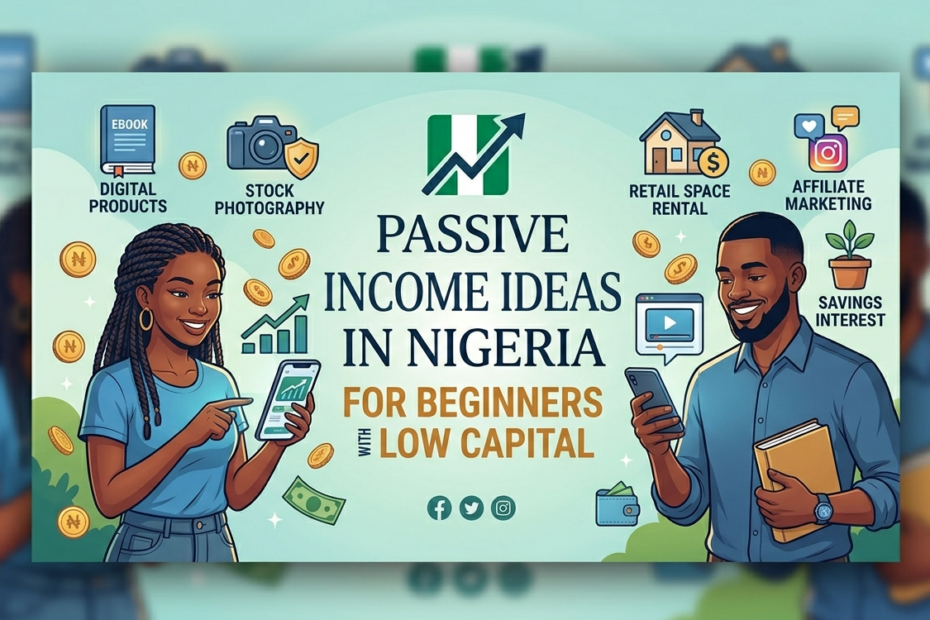
Passive income ideas in Nigeria for beginners with low capital

    Passive income refers to money earned repeatedly over time with little to no ongoing daily effort after the initial setup. In simple terms, it is income that continues to flow even when you are not actively working every day.

    In Nigeria today, building passive income streams is becoming more important due to rising living costs, economic uncertainty, inflation, and limited job opportunities. Many people can no longer rely on a single salary to survive comfortably, which makes alternative income sources essential.

    However, it is important to set the right expectation from the beginning: โ€œlow capitalโ€ does not mean โ€œzero effort.โ€ Most passive income ideas still require time, planning, consistency, and sometimes initial hard work before they begin to generate steady returns.

    In this guide, we will explore realistic passive income ideas in Nigeria that beginners can start with little capital and grow over time.

    What Passive Income Really Means

    To understand passive income properly, it is important to first compare it with active income. Active income is the money you earn by directly exchanging your time and energy for payment.

    For example, a salary job, daily trading, freelancing, or any work where you must continuously show up and work before you get paid. If you stop working, the income stops immediately.

    Passive income, on the other hand, is money earned from systems or assets that continue to generate income even when you are not actively working every day.

    Examples include rental income, digital products, affiliate marketing, or investment returns. In passive income, you do the hard work once (or in stages), and then the system continues to pay you over time.

    A very common misconception is that passive income means โ€œquick moneyโ€ or โ€œno work at all.โ€ This is not true. Many beginners in Nigeria fall into this misunderstanding and expect instant results, only to get discouraged when it doesnโ€™t happen.

    The real truth is that passive income requires setup effort first. You may need to build a skill, create a product, set up a platform, or invest time in learning how the system works. After this initial phase, the income becomes gradual and more consistent over time, often requiring less daily effort to maintain.

    In summary, passive income is not magic moneyโ€”it is delayed reward from smart work and structured systems.

    Benefits of Passive Income for Nigerians

    One of the biggest advantages of passive income is extra financial security. In a country like Nigeria where inflation, job instability, and unexpected expenses are common, relying on only one source of income can be risky.

    Passive income provides an additional stream of money that can help you handle emergencies, pay bills, or maintain your lifestyle even when your main income is unstable.

    Passive income is also very helpful for students and salary earners. Students can use it to support school expenses, transport, and personal needs without depending entirely on parents or guardians.

    Salary earners, on the other hand, can use passive income to reduce financial pressure from monthly expenses and avoid living โ€œsalary to salary.โ€ It gives them more breathing room and flexibility.

    Another major benefit is that it reduces dependence on a single income source. Many Nigerians rely only on salaries or daily business profits, which can be unpredictable. With passive income, you are not fully dependent on one stream. If one source slows down, others can still support you.

    Finally, passive income plays a key role in long-term wealth building. Over time, small but consistent earnings can grow into significant wealth when reinvested properly.

    Whether it is through digital products, investments, or online businesses, passive income helps you build financial stability and create a future where money continues to work for you, not just the other way around.

    Best Passive Income Ideas in Nigeria (Low Capital)

    Below are practical passive income ideas Nigerians can start with low capital. Each one requires some effort at the beginning, but can become more automatic over time when properly set up.

    A. Affiliate Marketing

    Affiliate marketing means promoting other peopleโ€™s products and earning a commission when someone buys through your referral link. In Nigeria, you can promote products from platforms like Jumia, Konga, or digital products such as courses and software.

    You donโ€™t need a shop or inventory. All you need is a smartphone, internet connection, and active social media pages (WhatsApp, Instagram, TikTok, or Facebook). Once you learn how to create engaging posts or short videos, your content can continue to generate sales even while you are offline.

    B. Blogging / Content Writing

    Blogging involves creating a website where you publish useful content on topics like finance, lifestyle, tech, or relationships. Over time, as people visit your blog, you can earn money through Google ads, sponsored posts, and affiliate links.

    It requires patience because traffic takes time to build, but once established, a blog can generate income for years with updated content and SEO.

    C. YouTube Automation / Faceless Channel

    This involves running a YouTube channel without showing your face. You can use voiceovers, stock videos, animations, or slideshows to create content.

    Popular formats include storytelling, list videos, educational content, and tutorials. Once your channel is monetized, you earn from ads, sponsorships, and affiliate linksโ€”even while old videos continue to gain views.

    D. Print-on-Demand / Digital Products

    This model allows you to sell digital items like ebooks, templates, logos, or designs without physical stock. You only create the product once, then sell it repeatedly online.

    For example, you can design CV templates, business planners, or social media templates and sell them on platforms like Selar or Gumroad. After setup, sales can run automatically.

    E. Social Media Page Monetization

    You can build pages on Instagram, TikTok, or Facebook around entertainment, education, or motivation. As your audience grows, brands will pay you for promotions, shoutouts, and collaborations.

    The key is consistency in posting viral or valuable content. Once your page grows, income can become semi-passive because older content continues attracting engagement.

    F. Mini Importation (Semi-Passive After Setup)

    Mini importation involves buying cheap products in bulk from countries like China and reselling them in Nigeria at a profit. You can sell via WhatsApp, Instagram, or Jumia.

    While it requires active effort at first, it becomes semi-passive when you hire agents, use delivery services, or automate orders.

    G. Renting Assets (If Available)

    If you own valuable items, you can rent them out for passive income. This includes cameras, speakers, laptops, phones, or even a spare room.

    Short-term rental services or personal arrangements can generate steady income without selling your assets. The key is proper maintenance and trust-based transactions.

    H. Cryptocurrency / Staking (Caution Section)

    Some platforms allow you to earn passive income through staking or holding certain cryptocurrencies. This means locking your coins for a period and earning rewards.

    However, this option is highly risky due to price volatility and scams. It should only be done with money you can afford to lose, and after proper research. It is not a guaranteed income source.

    How to Choose the Right Idea

    Choosing the right passive income idea is very important because not every option fits every person. The best choice depends on your skills, time, budget, and how much risk you can handle.

    1. Your Skill Level

    Start by looking at what you can already do or are willing to learn. Your skills will determine how fast you succeed.

    • If you are good at writing, you can start blogging, affiliate marketing, or content writing.
    • If you enjoy videos or editing, YouTube automation or social media content creation may suit you.
    • If you understand online marketing or sales, affiliate marketing or mini importation can work well.

    The easier the skill matches your ability, the faster you can start earning.

    2. Time Available

    Different passive income ideas require different levels of time commitment at the beginning.

    • If you are a student or busy worker, choose ideas like affiliate marketing or social media pages that allow flexible work.
    • If you have more free time, you can try blogging or YouTube, which require consistent content creation before becoming passive.

    The key is consistencyโ€”small daily effort builds long-term income.

    3. Starting Budget (โ‚ฆ5,000 โ€“ โ‚ฆ50,000 Range)

    Your budget will also affect your choice.

    • With โ‚ฆ5kโ€“โ‚ฆ20k, you can start affiliate marketing, social media growth, or content creation tools.
    • With โ‚ฆ20kโ€“โ‚ฆ50k, you can invest in blogging setup, ads, mini importation samples, or better equipment like a microphone or data subscription.

    The goal is not to spend too much, but to start smart and grow gradually.

    4. Risk Tolerance

    Every passive income idea has some level of risk.

    • Low risk: Blogging, affiliate marketing, social media pages, digital products.
    • Medium risk: Mini importation, renting assets.
    • High risk: Cryptocurrency and staking (prices can rise or fall quickly).
    See also  How to make money online in Nigeria without investment

    If you are a beginner, it is safer to start with low-risk options and only explore high-risk investments after gaining experience.

    Common Mistakes Beginners Make

    Many people in Nigeria start passive income journeys with high expectations, but they often fail because of avoidable mistakes. Understanding these early can help you stay on the right track and build something sustainable.

    1. Expecting Instant Money

    One of the biggest mistakes is believing passive income will start paying immediately. Many beginners think they will make money within days or weeks, but that is rarely the case. Most passive income systemsโ€”like blogging, affiliate marketing, or YouTubeโ€”take time to grow.

    The truth is, you must first build content, audience, or systems before money starts coming in consistently. Without patience, people get frustrated and quit too early.

    2. Jumping Between Too Many Ideas

    Another common mistake is starting one idea today and switching to another tomorrow. For example, someone may start affiliate marketing today, then move to crypto next week, and later try YouTube.

    This โ€œshiny object syndromeโ€ prevents real progress. Passive income requires focus and consistency. When you stick to one idea long enough, you improve faster and see results.

    3. Not Building Audience First

    Many beginners focus only on making money instead of building people who trust them. Whether it is blogging, social media, or affiliate marketing, audience is the foundation.

    Without an audience, even the best product will not sell. But with a loyal audience, even simple offers can generate steady income. Building trust and visibility should come first.

    4. Giving Up Too Early

    Most passive income ideas take weeks or months before they start working. Unfortunately, many beginners quit just before they begin to see results.

    Success in passive income is about persistence. Those who stay consistent, keep learning, and improve over time are the ones who eventually succeed.

    Step-by-Step Start Guide

    Starting passive income in Nigeria becomes easier when you follow a simple, structured process instead of guessing your way through. Below is a beginner-friendly step-by-step guide you can apply to almost any passive income idea.

    1. Pick One Idea

    The first step is to choose just one passive income idea that fits your skills, time, and budget. For example, you might choose affiliate marketing, blogging, or social media content creation.

    Avoid trying to do everything at once. Focus is important because it helps you build momentum and avoid confusion. One idea done well is better than five ideas done poorly.

    2. Learn Basic Skills

    After choosing your idea, the next step is to learn the basics. You donโ€™t need expensive trainingโ€”there are free resources available online.

    You can use YouTube tutorials, free online courses, blogs, and even social media tips to understand how the system works. For example, learn how to write content, edit simple videos, or promote affiliate links effectively.

    3. Start Small (Content or Setup)

    Once you understand the basics, take action immediately. Start small instead of waiting for perfection.

    If itโ€™s blogging, publish your first few articles. If itโ€™s YouTube, upload your first videos. If itโ€™s affiliate marketing, start sharing products on WhatsApp or Instagram. The goal is to begin, not to be perfect.

    4. Grow Audience or Traffic

    After starting, focus on attracting people. This could mean getting blog visitors, social media followers, or YouTube subscribers.

    Consistency is key here. The more valuable and regular your content is, the more people will start to trust and follow you. This stage is where most of the growth happens.

    5. Monetize Gradually

    When you start building an audience or traffic, you can begin to monetize. This may include affiliate links, ads, sponsorships, digital products, or services.

    Do not rush this step. Focus on value first, then income will follow naturally. Over time, your passive income can grow into a steady and reliable stream.

    Conclusion

    Building passive income in Nigeria is not about luck or getting rich overnightโ€”it is about consistency, patience, and smart effort over time. Every successful income stream you see today once started small, with uncertainty and learning at the beginning.

    The key is to stay consistent even when results are slow. Many beginners quit too early, but those who continue building, learning, and improving gradually start to see progress. Passive income rewards persistence more than speed.

    It is also important to remain patient. Real financial growth does not happen instantly; it develops step by step as your skills, audience, or systems grow. Whether you choose affiliate marketing, blogging, YouTube, or any other idea, time is your greatest ally when you stay committed.

    Remember this: a small start today can become a big financial future tomorrow. What matters is not how fast you begin, but how long you stay in the game and how well you improve along the way.

    Frequently Asked Questions

    How to make 1k per day?

    Making โ‚ฆ1,000 per day in Nigeria is realistic if you focus on small, consistent income streams rather than looking for a big sudden breakthrough. The key idea is to combine simple skills, local demand, and repetition.

    One of the easiest ways is buying and reselling small goods. For example, you can buy items like snacks, sachet water, airtime, or small household items in bulk and resell them at a slight markup. Even a โ‚ฆ100โ€“โ‚ฆ200 profit per sale can add up quickly if you serve multiple customers daily.

    Another method is digital micro-services. Many people earn small daily income by offering services like typing, social media posting, WhatsApp marketing, or simple graphic design using free apps like Canva. If you can get just 2โ€“3 small jobs daily, โ‚ฆ1,000 is achievable.

    You can also earn through content posting on social platforms like TikTok, Facebook, or WhatsApp status marketing. Some people get paid to promote businesses or refer customers. Even small affiliate commissions can reach โ‚ฆ1,000 per day with consistency.

    Offline services also work. For example, helping people with errands, laundry, cleaning, or basic repairs in your area can bring daily cash flow.

    The most important factor is consistency and location advantage. You must choose something people near you actually need daily. Donโ€™t try to start too many things at once. Focus on one method, build trust, and repeat the process.

    Finally, โ‚ฆ1,000 per day is not about luckโ€”it is about building small, repeatable actions that bring little profits that accumulate over time.

    What can I use 10,000 naira to invest in?

    With โ‚ฆ10,000 in Nigeria, the goal is not to look for โ€œbig investment returnsโ€ immediately, but to focus on low-risk, fast-turnover opportunities that can grow gradually. This amount is small, but if used wisely, it can start a sustainable income journey.

    One of the best options is mini importation or reselling. You can buy small items like phone accessories, fashion jewelry, belts, or skincare products in bulk from local markets or online suppliers. Reselling them individually allows you to double or triple your money over time.

    Another strong option is food or snack business. With โ‚ฆ10,000, you can start selling items like homemade snacks, eggs, popcorn, or small drinks in your area or school environment. Food sells daily, which gives faster cash rotation.

    You can also invest in digital skills learning tools. For example, use part of the money for data subscription and learn skills like graphics design, affiliate marketing, or copywriting. These skills can later generate far more than โ‚ฆ10,000 monthly.

    Another idea is phone-based business, such as airtime/data reselling. You can become a small vendor using mobile apps or USSD platforms, earning small profit per transaction.

    Finally, you can try thrift flipping (okrika business). Buy second-hand clothes cheaply and resell them after simple washing and presentation.

    The most important principle is to avoid spending the โ‚ฆ10,000 on consumption. Instead, treat it as seed capital. The goal is not instant wealth but starting a cycle of buying and selling that can grow with time and reinvestment.

    Whatโ€™s the easiest passive income to start?

    The easiest passive income to start is one that requires low skill, low capital, and can run with minimal daily effort after setup. In reality, truly passive income is rare at the beginning, but some options become passive over time.

    One of the simplest is affiliate marketing. You promote products using your WhatsApp, TikTok, or Facebook, and earn a commission when someone buys through your link. Once you build content that keeps attracting viewers, you can earn even while you sleep.

    Another easy option is digital content creation, such as TikTok or YouTube Shorts. If you consistently post helpful or entertaining videos, old content can continue to generate views and income through monetization or brand deals.

    You can also explore data reselling or airtime vending apps. After setting it up, transactions become automated, and you only manage customers occasionally.

    See also  Best POS Machine in Nigeria

    Another growing passive income method is print-on-demand or simple digital products. For example, creating ebooks, guides, or templates and selling them online. Once created, they can sell repeatedly without extra effort.

    A more traditional option is small rental services, such as renting out chairs, power banks, or small equipment in your area. After purchasing the items once, they generate repeated income.

    However, the truth is that โ€œeasy passive incomeโ€ still requires initial effort. You must build something firstโ€”an audience, a system, or a product. The โ€œpassiveโ€ part only comes after consistency and setup.

    The easiest path for beginners is usually content + affiliate marketing, because it requires more time than money, and can scale without heavy investment.

    How to generate passive income in Nigeria?

    Generating passive income in Nigeria requires combining creativity, consistency, and smart use of available opportunities. Passive income means earning money with reduced daily effort after the initial setup phase, but in reality, every passive stream starts with active work.

    One strong method is digital entrepreneurship, especially affiliate marketing and online content creation. You can promote products from platforms like Jumia or other affiliate networks, earning commissions when people buy through your link.

    Social media platforms such as TikTok, Instagram, and Facebook are powerful tools for reaching large audiences in Nigeria.

    Another method is YouTube automation or faceless channels. Once you create videos around trending topics, educational content, or entertainment, older videos can continue to generate views and income through ads.

    You can also build passive income through small-scale investments like airtime vending or data reselling systems. After setting up, transactions are automated through apps, and you earn small margins per sale.

    In the physical world, rental services can generate passive income. Items like chairs, tents, speakers, or even power banks can be rented out for events. Once purchased, they keep producing income over time.

    Another approach is selling digital products such as ebooks, online courses, or templates. These require effort once, but can be sold repeatedly without additional production costs.

    The most important factor in Nigeria is solving real problems. Whether online or offline, people pay for convenience, entertainment, and solutions. Passive income is not instantโ€”it requires building systems that eventually run with less involvement from you.

    What are 7 sources of income?

    Having multiple sources of income is important for financial stability, especially in a country like Nigeria where economic conditions can change quickly. Relying on only one income stream can be risky, so building several streams helps you stay financially secure.

    1. Active income (salary or wages): This is the most common source, where you work a job and get paid monthly or daily.
    2. Business income: Money earned from running a business such as trading, retailing, or services like barbering, fashion design, or food sales.
    3. Freelancing income: Earnings from skills like writing, graphic design, programming, or social media management.
    4. Investment income: Profits from investing in stocks, mutual funds, crypto, or other financial instruments.
    5. Rental income: Money earned from renting out property, equipment, or assets like houses, cars, or event materials.
    6. Affiliate or commission income: Earnings from promoting products or services and receiving a commission for each sale or referral.
    7. Digital content income: Revenue from platforms like YouTube, TikTok, blogging, or podcasting through ads, sponsorships, or donations.

    The goal is not to start all seven at once but to gradually build them over time. Most successful people start with one or two and expand as their skills and resources grow. Diversifying income helps protect you from financial shocks and increases your long-term wealth potential.

    Leave a Reply

    Your email address will not be published. Required fields are marked *

    error: Content is protected !!