Agriculture has always been the backbone of many economies. In this year, agribusiness is more attractive than ever due to increasing food demand, population growth, and opportunities in agro-processing.
Whether you have small capital or want to scale into a big enterprise, agribusiness offers sustainable income streams.
In this article, we’ll explore profitable agribusiness ideas you can start, focusing on both farming and agro-processing.
Why Agribusiness is a Smart Choice
-
Food is a necessity – No matter the economy, people must eat.
-
Government and private support – Many funding opportunities exist for farmers and agropreneurs.
-
Job creation – Agriculture provides employment across the value chain.
-
Export potential – Agro-processed products are in high demand globally.
Profitable Farming Ideas for you
1. Vegetable Farming
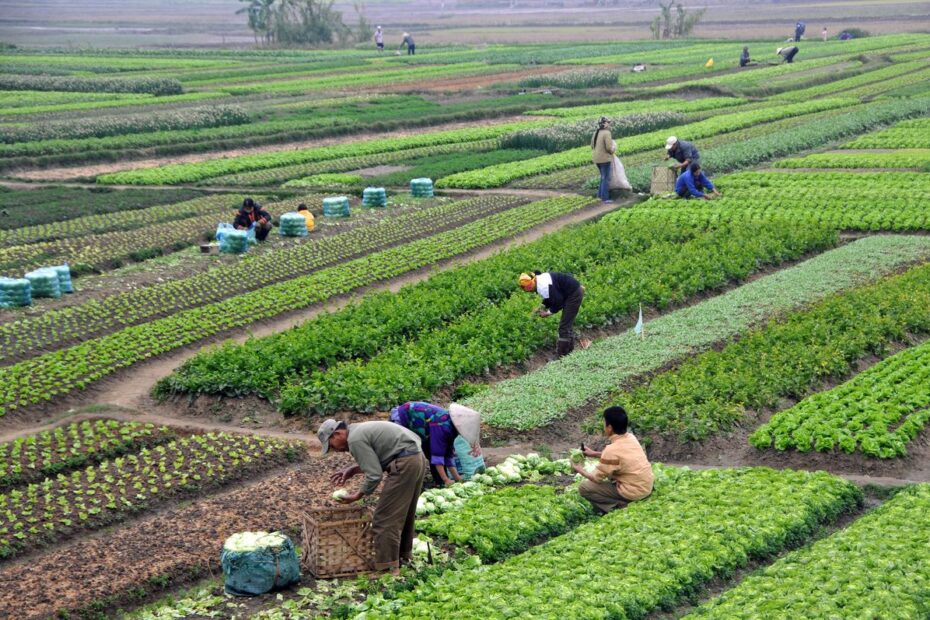
Fast-growing crops like tomatoes, cucumbers, peppers, and spinach generate quick returns. With greenhouse or hydroponic methods, farmers can produce all year round.
Tip: Focus on organic production to meet rising health-conscious demand.
2. Poultry Farming
Egg and broiler production remain highly profitable. Poultry products are consumed daily and are relatively easy to market locally.
Tip: Invest in quality feed and biosecurity to prevent losses.
3. Fish Farming (Aquaculture)
Catfish and tilapia farming are lucrative businesses with growing demand in both local and international markets.
Tip: Value addition like smoked or packaged fish increases profits.
4. Goat and Sheep Rearing
These animals require less space and capital than cattle, but their meat and milk are in high demand, especially during festive seasons.
Tip: Target niche markets like organic meat lovers and event suppliers.
Profitable Agro-Processing Ideas
5. Cassava Processing
Cassava can be turned into flour, starch, ethanol, or garri. Value addition reduces post-harvest losses and increases profit margins.
6. Fruit Juice Production
Fresh juice and packaged fruit drinks are fast-selling products. Small-scale production with hygienic standards can capture urban markets.
7. Rice Milling and Packaging
Rice is a staple food across Africa and Asia. Owning a small rice mill or processing plant ensures constant demand.
8. Dairy Processing
Milk can be processed into yogurt, cheese, or butter. With increasing demand for dairy alternatives, this is a growing industry.
9. Spice and Herb Processing
Drying, grinding, and packaging local spices (ginger, turmeric, garlic, etc.) creates high-value products that appeal to both local and export markets.
10. Animal Feed Production
With livestock and poultry farms growing, feed production is a consistent money-maker. Using local ingredients reduces costs and boosts profitability.
How to Succeed in Agribusiness
-
Start small, then scale up gradually.
-
Focus on quality production to build customer trust.
-
Learn modern farming and processing techniques.
-
Explore digital marketing to sell directly to consumers.
-
Network with cooperatives, associations, and funding bodies.
Final Thoughts
Agribusiness remains one of the most profitable ventures. Whether you choose farming or agro-processing, opportunities are endless for those willing to put in the work.
By focusing on value addition, modern methods, and smart marketing, you can build a sustainable and profitable agricultural business.
Now is the best time to invest in agriculture. The future of food is in your hands.
Frequently Asked Questions
Which Agriculture Business Is Most Profitable?
Agriculture remains one of the most profitable sectors in many developing countries because people will always need food and agricultural products.
A profitable agriculture business is one that combines high demand, manageable production costs, and strong market access. While profitability can vary depending on location, climate, and market conditions, several agricultural ventures consistently perform well.
One of the most profitable agriculture businesses is livestock farming. Poultry farming, fish farming, and goat rearing often generate good returns because the products are widely consumed.
Poultry farmers, for example, earn income from both eggs and meat, making it a continuous revenue source. Fish farming, especially catfish and tilapia production, also has strong market demand due to the popularity of fish in many diets.
Crop farming can also be very profitable when farmers focus on high-demand crops. Vegetables, grains, and staple foods such as maize, rice, and cassava are regularly purchased in markets. Farmers who use improved seeds, good irrigation methods, and proper storage techniques often achieve higher yields and better profits.
Another profitable area is value-added agriculture. This involves processing farm products into finished goods. For example, turning cassava into garri, palm fruits into palm oil, or milk into dairy products increases the value of the raw product and often leads to higher profits.
Ultimately, the most profitable agriculture business is one that aligns with local demand, uses efficient farming practices, and maintains consistent quality. Farmers who also focus on proper planning, marketing, and distribution tend to achieve better long-term financial success.
What Are the Profitable Agro Businesses in Nigeria?
Nigeria has a strong agricultural sector with many opportunities for profitable agro businesses. Because of the country’s large population and growing food demand, several agricultural ventures have the potential to generate consistent income when properly managed.
One profitable agro business in Nigeria is poultry farming. Chickens are widely consumed across the country, and the demand for eggs and poultry meat continues to grow. Many households, restaurants, and food vendors rely on poultry products, making it a reliable business for farmers.
Fish farming is another profitable agro enterprise. Catfish and tilapia are among the most popular fish varieties consumed in Nigeria. Fish farming is often attractive because it requires relatively limited land compared to other forms of agriculture, and fish grow quickly under good management.
Crop production also provides strong business opportunities. Crops such as cassava, maize, rice, and yam are staple foods that are consistently in demand. Farmers who grow these crops often have access to local markets and large buyers, including food processing companies.
Palm oil production is also a profitable agro business in many parts of Nigeria. Palm oil is used in cooking, food processing, cosmetics, and industrial products. This broad usage helps maintain a steady demand throughout the year.
Another promising area is vegetable farming. Tomatoes, peppers, onions, and leafy vegetables are sold daily in markets across the country. Farmers who supply these products regularly can benefit from consistent sales.
With proper planning, good farming techniques, and reliable market access, agro businesses in Nigeria can provide sustainable income and long-term business growth.
Which Farm Products Are in Demand Today in Nigeria?
Several farm products are consistently in high demand in Nigeria due to the country’s large population and growing food industry. These products are commonly used in everyday meals, making them essential items in markets, restaurants, and food processing companies.
One of the most demanded farm products in Nigeria is rice. Rice is a staple food for many households and is consumed regularly across different regions of the country. As a result, rice farmers often find strong markets for their harvests.
Cassava is another widely demanded farm product. It is used to produce foods such as garri, fufu, and other local dishes. Cassava is also used in industrial processing for products like flour and starch, which increases its overall demand.
Maize is also an important agricultural product with high demand. It is used for human consumption and as a major ingredient in animal feed production. Poultry farmers in particular rely heavily on maize, making it an essential crop in the agricultural supply chain.
Vegetables such as tomatoes, peppers, onions, and leafy greens are also highly demanded. These crops are used daily in cooking and are sold quickly in markets. Farmers who specialize in vegetable production often benefit from frequent sales and short production cycles.
Animal products such as eggs, chicken meat, fish, and beef are also in constant demand. These protein sources are popular among households and food businesses, which helps maintain steady market demand.
Overall, farm products that are consumed regularly and used in everyday cooking tend to have the strongest and most stable demand in Nigeria.
What Business Sells Fast in Nigeria?
In Nigeria, businesses that sell fast usually provide essential goods or services that people buy frequently. These businesses benefit from high demand because customers need their products regularly, which helps ensure steady sales.
One of the fastest-selling businesses in Nigeria is the food business. Food is a basic necessity, and many people buy prepared meals daily from restaurants, street food vendors, and food delivery services. Businesses that offer affordable and tasty meals often attract regular customers.
Agricultural produce also sells quickly in Nigeria. Items such as rice, vegetables, fruits, eggs, and fish are purchased daily in markets across the country. Farmers and traders who supply fresh and quality produce often experience quick turnover.
Another fast-selling business is the retail sale of everyday household items. Products such as cooking oil, spices, beverages, toiletries, and packaged foods are constantly needed by households. Small retail shops and mini-markets often rely on these products for consistent income.
Mobile phone accessories and electronics can also sell quickly in urban areas. Items like phone chargers, earphones, screen protectors, and power banks are regularly purchased by people who use smartphones and digital devices.
Clothing and fashion items may also sell fast, especially when they are affordable and match current trends. Many people buy clothing for everyday wear, work, and social events.
Businesses that sell fast usually succeed because they focus on products that meet daily needs, maintain competitive pricing, and provide convenient access for customers.
What Kind of Farming Makes the Most Money?
The type of farming that makes the most money often depends on market demand, production efficiency, and access to buyers. Farmers who focus on high-value products and manage their operations well often achieve the highest profits.
Livestock farming is one of the most profitable types of farming. Poultry farming, fish farming, and cattle rearing can generate significant income because animal products are widely consumed. Poultry farmers can earn money from both eggs and meat, while fish farmers benefit from the growing demand for fresh fish.
Commercial crop farming can also be very profitable when farmers focus on crops with strong market demand. Crops such as rice, maize, and cassava are essential foods that are widely consumed, making them reliable sources of income.
Vegetable farming is another potentially high-income agricultural activity. Vegetables such as tomatoes, peppers, cucumbers, and leafy greens grow relatively quickly and can be harvested multiple times within a year. This allows farmers to generate income more frequently compared to crops with longer growth cycles.
Another profitable farming approach is greenhouse farming. Greenhouses allow farmers to control environmental conditions, protect crops from extreme weather, and produce vegetables throughout the year. This can lead to higher yields and better product quality.
Farmers who combine production with processing often earn even more. For example, processing cassava into garri or producing packaged agricultural products can increase profits by adding value to the raw produce.
Overall, the most profitable farming ventures are those that focus on high-demand products, efficient production methods, and strong market connections.
Can Agriculture Make Me a Billionaire?
Yes, agriculture has the potential to create billionaires when it is approached as a large-scale business rather than just small subsistence farming. Agriculture is a massive industry that includes food production, processing, distribution, and export. People who build successful agricultural enterprises often expand beyond basic farming into processing, packaging, and large-scale supply chains.
Many wealthy entrepreneurs around the world have built their fortunes through agriculture and agribusiness. The key factor is treating farming like a modern business that uses planning, technology, and efficient management.
For example, large commercial farms that produce poultry, fish, rice, or vegetables can generate significant profits when they operate at scale and supply supermarkets, food companies, and restaurants.
Another important way agriculture can create large wealth is through value addition. Instead of only selling raw farm produce, some entrepreneurs process agricultural products into finished goods.
For instance, cassava can be processed into garri or flour, palm fruits can become palm oil, and milk can be turned into dairy products. Processing increases the value of the product and often brings higher profits.
Export opportunities can also increase earnings. Certain agricultural products such as cocoa, sesame seeds, ginger, and cashew nuts have strong international demand. Businesses that produce and export these commodities may generate substantial income over time.
However, becoming extremely wealthy through agriculture requires patience, long-term investment, good management skills, and a strong understanding of the market. Successful agricultural entrepreneurs usually focus on efficiency, build reliable supply networks, and continually reinvest in their operations to expand production.
What Type of Business Can I Start With 1 Million Naira?
Starting a business with one million naira provides several opportunities, especially in sectors that require moderate startup capital. The key to success is choosing a business that has steady demand, manageable operating costs, and potential for growth.
One option is poultry farming. With proper planning, one million naira can cover the cost of buying chicks, feed, housing materials, and basic equipment. Poultry farming generates income from egg production or the sale of broiler chickens for meat.
Another option is a small retail store or mini-mart that sells everyday household items. Products such as rice, beverages, toiletries, and packaged foods are frequently purchased by consumers. A well-located shop with essential goods can attract regular customers.
Fish farming is also a popular business idea within this budget range. Catfish farming, in particular, is common because fish is widely consumed. The startup cost may include constructing fish ponds, purchasing fingerlings, and buying feed.
Food-related businesses can also be started with one million naira. Examples include a small restaurant, catering service, or snack production business. Since food is a basic need, these businesses often enjoy consistent demand.
Another possibility is agricultural produce trading. Instead of farming directly, some entrepreneurs buy crops from farmers and sell them in urban markets or supply them to retailers.
Regardless of the type of business chosen, success often depends on proper planning, financial discipline, and understanding the needs of the target market.
What Are 20 Careers in Agriculture?
Agriculture offers a wide range of career opportunities beyond traditional farming. The agricultural sector includes roles related to science, technology, business, and environmental management. These careers contribute to food production, sustainability, and economic development.
Here are twenty careers in agriculture:
-
Farmer
-
Agricultural scientist
-
Agronomist
-
Agricultural engineer
-
Soil scientist
-
Agricultural economist
-
Horticulturist
-
Livestock farmer
-
Aquaculture specialist
-
Farm manager
-
Agricultural extension officer
-
Agricultural consultant
-
Food scientist
-
Plant breeder
-
Irrigation specialist
-
Agricultural technician
-
Agricultural product marketer
-
Seed technologist
-
Agricultural researcher
-
Agricultural supply chain manager
These careers cover many aspects of the agricultural industry. Some focus on improving crop yields and developing better farming techniques, while others work on processing, marketing, or distributing agricultural products.
Careers in agriculture are becoming increasingly important because of the need to feed growing populations and manage natural resources responsibly. Professionals in this field often work with farmers, research institutions, government agencies, and agribusiness companies.
In addition, modern agriculture increasingly relies on technology such as data analysis, automation, and biotechnology. This trend continues to create new opportunities for individuals who want to build a career in agriculture while contributing to food security and economic growth.
What Is the Easiest Product to Farm?
The easiest product to farm often depends on factors such as climate, soil quality, and access to water. However, some agricultural products are generally considered easier to cultivate because they grow quickly, require less specialized equipment, and adapt well to different environments.
Vegetables are often among the easiest farm products to grow. Crops such as lettuce, spinach, cucumbers, and okra grow relatively quickly and can be harvested within a short period. Many of these crops also require limited space, making them suitable for small farms or backyard gardens.
Cassava is another crop widely regarded as easy to farm in many tropical regions. It is known for its resilience and ability to grow in less fertile soils. Cassava plants also tolerate periods of drought better than many other crops, which makes them suitable for farmers with limited irrigation resources.
Maize is also considered relatively easy to cultivate, especially for farmers who have access to suitable land and basic farming tools. It grows within a predictable cycle and is widely consumed, which makes it both manageable to farm and easy to sell.
In livestock farming, poultry is often considered one of the easiest options for beginners. Chickens grow quickly, and farmers can choose between egg production or meat production depending on their business goals.
Although some farm products are easier to produce than others, successful farming still requires proper planning, knowledge of farming practices, and consistent care of crops or animals.
What Business Can 300K Start in Nigeria?
With a startup capital of 300,000 naira, it is still possible to start several small businesses in Nigeria. The key is to focus on businesses with relatively low startup costs and strong local demand.
One option is a small food vending business. Many people buy ready-to-eat meals every day, especially in busy urban areas. Selling items such as rice dishes, snacks, or local foods can attract steady customers when the food is affordable and well prepared.
Another option is starting a small poultry business on a limited scale. With careful budgeting, the capital can be used to purchase a small number of chicks, feed, and basic housing materials. As the business grows, profits can be reinvested to expand the flock.
A phone accessories business is also a popular choice. Items like phone chargers, earphones, phone cases, and screen protectors are commonly purchased by smartphone users. These products often have relatively low purchase costs and can generate profit through retail sales.
Small-scale agricultural trading is another possibility. Some entrepreneurs buy farm produce directly from rural farmers and sell it in local markets or urban areas. This business focuses more on distribution rather than production.
Another idea is a small laundry or cleaning service. In busy neighborhoods, many people prefer to outsource laundry or cleaning tasks, which creates opportunities for service-based businesses.
Even with a modest budget, a carefully chosen business combined with good customer service and consistent effort can grow into a sustainable source of income.
What Are the Four Sectors of Agribusiness?
Agribusiness is a broad industry that covers every stage of food and agricultural production, from supplying farm inputs to delivering finished food products to consumers. The sector is commonly divided into four main categories, each playing a critical role in the agricultural value chain.
The first sector is agricultural input supply. This sector provides farmers with the essential resources they need to produce crops and livestock. Inputs include seeds, fertilizers, pesticides, animal feed, farm machinery, irrigation equipment, and agricultural technology. Companies that manufacture or distribute these products help farmers increase productivity and efficiency.
The second sector is agricultural production. This is the stage most people associate with farming. It involves growing crops and raising animals for food or raw materials. Farmers cultivate crops such as rice, maize, cassava, vegetables, and fruits, while livestock farmers raise poultry, cattle, goats, sheep, and fish. This sector produces the raw agricultural commodities that supply the food system.
The third sector is agricultural processing. In this stage, raw farm products are transformed into processed goods. Examples include converting cassava into garri or flour, processing palm fruits into palm oil, turning milk into dairy products, and packaging grains for retail markets. Processing adds value to agricultural products and often increases their market price.
The fourth sector is agricultural marketing and distribution. This sector focuses on transporting, storing, advertising, and selling agricultural products. It includes wholesalers, retailers, exporters, and logistics companies that move food from farms to markets, supermarkets, restaurants, and consumers.
Together, these four sectors create a complete agricultural system that supports food production and economic development.
How to Make 5000 Naira Daily?
Making 5,000 naira daily is achievable through several small businesses or income-generating activities that have steady demand. The key is choosing a business with fast sales and low operational costs so that daily profits are realistic.
One common way to earn daily income is through food vending. Selling snacks, street food, or simple meals can attract regular customers, especially in busy areas such as markets, bus stops, or office districts. Because people need food every day, this type of business often generates consistent daily cash flow.
Another option is selling small retail items. Products such as bottled water, soft drinks, biscuits, phone accessories, or recharge cards are frequently purchased items. A small roadside shop or kiosk selling these everyday items can generate multiple sales throughout the day.
Agricultural produce trading is another potential source of daily income. Some entrepreneurs buy fresh vegetables, fruits, or eggs from farmers early in the morning and sell them in urban markets. With proper pricing and quick turnover, daily profits can reach modest targets like 5,000 naira.
Service-based work can also generate daily income. Examples include laundry services, small delivery services, hairdressing, or phone repair services. These businesses rely on providing useful services that customers frequently need.
While earning 5,000 naira daily may require effort and consistency, focusing on high-demand products or services increases the chances of achieving steady daily income.
What Business Can Give Me Daily Income?
Businesses that generate daily income usually sell products or services that people need frequently. These businesses often have fast customer turnover and regular demand, which allows entrepreneurs to earn money every day rather than waiting for long sales cycles.
One of the most common daily income businesses is the food business. Restaurants, street food vendors, and snack sellers attract customers who buy meals throughout the day. Selling breakfast items, lunch meals, or evening snacks can provide steady income because people eat daily.
Another business that often produces daily income is retail trading. Small shops selling everyday items such as beverages, groceries, toiletries, and household products usually experience regular customer traffic. Because these items are used frequently, customers return regularly to restock.
Transportation services can also generate daily income. For example, operating a motorcycle taxi, delivery service, or ride service may produce daily earnings depending on the number of customers served.
Agricultural produce sales are another good option. Traders who sell fresh vegetables, fruits, eggs, or fish in local markets often receive cash payments from customers daily. These products are essential food items that households purchase regularly.
Service businesses such as barbing, tailoring, phone repairs, and laundry services can also bring in daily income when located in busy neighborhoods.
Overall, businesses that meet everyday needs and maintain good customer relationships tend to produce consistent daily earnings.
What Is the Most Sold Item in Nigeria?
Nigeria has a large and diverse market, but some items consistently rank among the most frequently sold because they are basic necessities. These products are purchased regularly by households, restaurants, and businesses across the country.
Food items are among the most sold products in Nigeria. Staples such as rice, garri, beans, yam, and maize are widely consumed and form the foundation of many local meals. Because people buy these foods frequently, traders and retailers often experience steady demand.
Packaged foods and beverages are also among the most sold items. Soft drinks, bottled water, snacks, and instant noodles are widely consumed by people of different age groups. These items are available in supermarkets, roadside shops, and markets, making them easy to purchase.
Another highly sold category includes mobile phone-related products. Nigeria has a large population of smartphone users, which increases demand for phone accessories such as chargers, earphones, power banks, and screen protectors.
Personal care products such as soap, toothpaste, deodorant, and cosmetics are also consistently sold in large quantities. These are everyday essentials that households purchase regularly.
Clothing and footwear also maintain strong sales, especially during festive seasons, social events, and school periods. Affordable fashion items often sell quickly in markets and retail shops.
In general, the most sold items in Nigeria are products people need frequently for food, communication, personal care, and everyday living.
Which Agribusiness Is Best?
The best agribusiness often depends on several factors, including available capital, market demand, climate conditions, and personal experience. However, some agribusiness ventures are widely considered promising because they combine strong demand with good profit potential.
One of the most popular agribusiness opportunities is poultry farming. Poultry products such as eggs and chicken meat are consumed daily by many households and food businesses. Farmers can earn income from egg production or by raising broiler chickens for meat.
Fish farming is another highly recommended agribusiness, particularly catfish farming. Fish is a common protein source in many Nigerian meals, and the demand for fresh fish continues to grow in urban and rural markets.
Crop farming also offers profitable opportunities. Crops such as rice, maize, cassava, and vegetables are staple foods that people buy regularly. Farmers who focus on these crops often find consistent buyers in markets and food processing companies.
Agricultural processing is another strong agribusiness area. Instead of only growing crops, entrepreneurs can process them into higher-value products. For example, cassava can be turned into garri or flour, and palm fruits can be processed into palm oil.
The best agribusiness is usually one that matches local demand, uses efficient farming practices, and has reliable access to markets. Entrepreneurs who combine production with processing and good marketing strategies often achieve the greatest success.