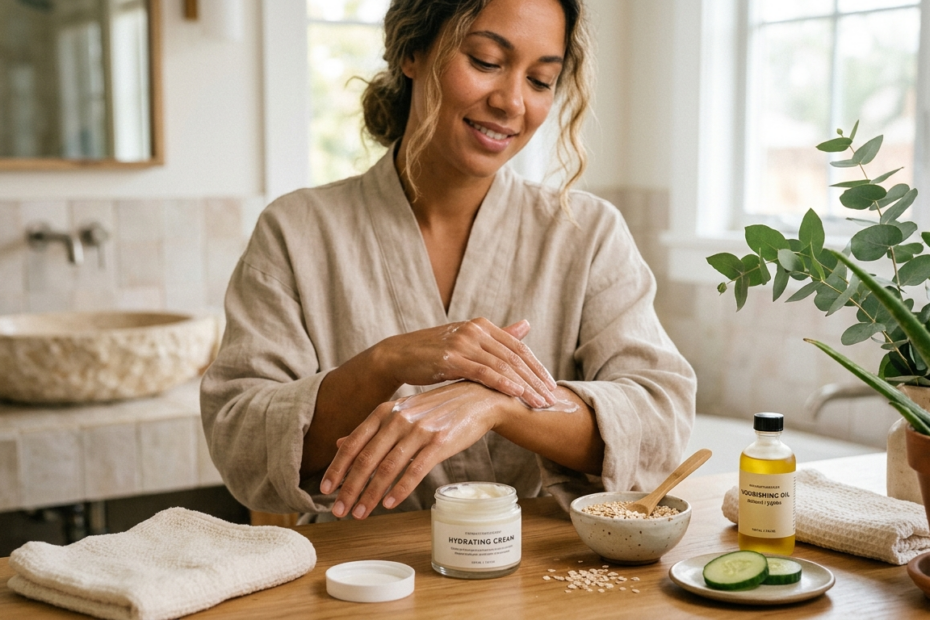
Dry skin is a common problem that affects people of all ages, especially during cold weather or in dry climates. It can cause itching, flakiness, and discomfort if not managed properly.
Fortunately, there are effective ways to treat dry skin at home safely without relying on harsh chemicals or expensive treatments. By understanding the right remedies, moisturizing techniques, and lifestyle habits, you can keep your skin hydrated, soft, and healthy. In this guide, we’ll explore simple, natural, and safe methods to manage dry skin from the comfort of your home.
Common Causes of Dry Skin
Dry skin can happen to anyone, and understanding the underlying causes is the first step to managing it effectively. Several factors contribute to skin dryness, and knowing them helps you treat dry skin at home safely.
1. Weather Conditions
Cold, dry air during winter or low-humidity environments can strip your skin of its natural moisture, leading to dryness and flakiness.
2. Dehydration
Not drinking enough water can make your skin appear dull and dry. Proper hydration is essential to maintain healthy skin.
3. Harsh Soaps and Skincare Products
Soaps, detergents, and skincare products containing strong chemicals or fragrances can damage the skin’s natural barrier, causing irritation and dryness.
4. Aging
As we age, the skin produces less natural oil, making it more prone to dryness, especially on the hands, arms, and legs.
5. Medical Conditions
Conditions like eczema, psoriasis, or hypothyroidism can also lead to chronic dry skin. While home remedies can help, severe cases may require medical attention.
By identifying the cause, you can choose the most effective methods to treat dry skin at home safely, ensuring long-lasting hydration and comfort.
Safe Home Remedies for Dry Skin
Treating dry skin at home safely doesn’t have to involve expensive products. Natural ingredients can be highly effective when used correctly. Here are some of the best safe home remedies for dry skin:
1. Aloe Vera
Aloe vera is known for its soothing and hydrating properties. Apply fresh aloe gel directly to dry areas and leave it on for 15–20 minutes before rinsing with lukewarm water. It helps retain moisture and reduces irritation.
2. Coconut Oil
Coconut oil is a natural moisturizer rich in fatty acids that nourish the skin. Gently massage a small amount onto dry skin after bathing to lock in moisture. It works best when applied to slightly damp skin.
3. Honey
Honey is a natural humectant, meaning it draws moisture into the skin. Apply a thin layer of raw honey to dry patches, leave it for 10–15 minutes, then rinse off with warm water. Honey also has antibacterial properties that promote healthy skin.
4. Oatmeal Baths
Oatmeal can calm inflammation and soothe itchy, dry skin. Add a cup of finely ground oatmeal to warm bathwater and soak for 15–20 minutes. Pat your skin dry gently and follow with a moisturizer to lock in hydration.
Tips for Safe Use:
-
Always patch-test new remedies on a small area to ensure you don’t have an allergic reaction.
-
Avoid using hot water, as it can worsen dryness.
-
Combine these remedies with a gentle moisturizer for best results.
By incorporating these safe home remedies, you can treat dry skin naturally, restore hydration, and maintain healthy skin without harsh chemicals.
Best Moisturizing Practices for Dry Skin
Daily moisturizing is essential to keep your skin hydrated, soft, and healthy. Consistently applying the right moisturizer helps prevent dryness, flakiness, and irritation, making it a key step in treating dry skin at home safely.
1. Choose the Right Type of Moisturizer
-
Creams: Thicker than lotions and ideal for very dry areas like elbows, knees, and hands.
-
Ointments: Highly effective for extremely dry or cracked skin because they form a protective barrier.
-
Lotions: Lighter and suitable for large areas of the body when mild dryness occurs.
2. Apply Moisturizer at the Right Time
-
For best results, apply moisturizer immediately after showering or bathing while your skin is still slightly damp. This helps lock in moisture and prevent water loss.
-
Reapply throughout the day as needed, especially during cold or dry weather.
3. Additional Tips
-
Avoid moisturizers with strong fragrances or alcohol, which can irritate dry skin.
-
For hands and feet, consider applying a thicker ointment at night and covering with cotton gloves or socks to enhance absorption.
By following these best moisturizing practices, you can maintain healthy skin and maximize the effects of natural remedies, ensuring a safe and effective home care routine.
Lifestyle Changes for Long-Term Skin Health
In addition to home remedies and proper moisturizing, certain lifestyle habits can help you maintain healthy, hydrated skin over time. Incorporating these changes supports your efforts to treat dry skin at home safely.
-
Drink Enough Water – Staying hydrated from the inside helps your skin retain moisture and prevents dryness. Aim for at least 8 glasses of water daily.
-
Use a Humidifier – Dry indoor air can worsen skin dryness, especially in winter. Using a humidifier adds moisture to the air, keeping your skin hydrated.
-
Avoid Hot Showers – While hot showers feel relaxing, they can strip your skin of natural oils. Opt for lukewarm water instead and limit shower time to 10–15 minutes.
-
Choose Gentle, Fragrance-Free Soaps – Harsh soaps and scented products can irritate dry skin. Use mild, fragrance-free cleansers to protect your skin barrier.
By making these simple adjustments, you can prevent future dryness, improve skin health, and complement the effects of natural remedies and moisturizers.
When to See a Doctor
While most cases of dry skin can be managed safely at home, it’s important to recognize when professional medical advice is necessary. Seeking help ensures that serious conditions are identified and treated appropriately.
See a doctor if you notice:
-
Persistent itching or discomfort that doesn’t improve with home remedies.
-
Cracking or bleeding skin, especially on hands, feet, or other exposed areas.
-
Redness, swelling, or signs of infection, such as pus or warmth.
-
Dry skin that affects sleep or daily activities, indicating a more severe underlying condition.
Medical conditions such as eczema, psoriasis, or thyroid disorders can cause chronic dry skin, and a healthcare professional can recommend appropriate treatments. Recognizing these signs and acting promptly helps maintain healthy skin and prevents complications, complementing your home care routine.
Conclusion
Dry skin is a common concern, but with the right approach, you can treat it safely at home and keep your skin healthy and hydrated. By understanding the causes, using safe home remedies like aloe vera, coconut oil, honey, and oatmeal baths, following effective moisturizing practices, and adopting healthy lifestyle habits, you can prevent dryness and maintain soft, nourished skin.
Start with these safe home remedies today and enjoy healthy, hydrated skin. Remember, if your dryness persists or worsens, consult a healthcare professional to ensure proper care. With consistent care and attention, treating dry skin at home safely is both achievable and effective.
Frequently Asked Questions
How can I treat my dry skin naturally?
Treating dry skin naturally involves a combination of hydration, gentle care, and the use of natural ingredients that restore moisture without harsh chemicals. One of the most effective natural remedies is coconut oil, which contains fatty acids that nourish and protect the skin barrier.
Applying a thin layer of coconut oil to dry areas after bathing can help lock in moisture. Another effective natural option is aloe vera, which soothes irritation and promotes healing while providing light hydration. Honey also works well as a natural humectant, meaning it draws moisture into the skin while keeping it soft and smooth.
Aside from topical remedies, maintaining overall hydration is crucial. Drinking plenty of water throughout the day ensures your skin cells remain hydrated from the inside. Eating a diet rich in essential fatty acids, such as those found in fish, nuts, and seeds, can also support skin health naturally.
Daily moisturizing routines are key. After cleansing your skin with a mild, fragrance-free soap, apply natural oils or plant-based creams while the skin is still slightly damp to lock in moisture. Avoid hot water when washing, as it strips natural oils from the skin, worsening dryness.
Gentle exfoliation once or twice a week with natural ingredients like oatmeal can remove dead skin cells without irritation, allowing moisturizers to penetrate more effectively.
Creating a healthy environment also supports natural treatment. Using a humidifier in dry climates or during winter adds moisture to the air, preventing further water loss from your skin. Wearing soft, breathable fabrics reduces friction that can aggravate dryness, especially on sensitive areas like arms and legs.
By combining topical natural treatments, hydration, proper moisturizing, and environmental adjustments, you can effectively manage dry skin naturally while avoiding synthetic chemicals or harsh treatments. Consistency is critical; natural remedies often take time to show significant improvements, but they promote long-term skin health and safety.
What is dry skin most safely treated with?
Dry skin is most safely treated using gentle, non-irritating methods that restore the skin’s natural moisture barrier. The first step is to use mild cleansers rather than harsh soaps, which can strip essential oils from the skin.
Cleansers labeled as fragrance-free and formulated for sensitive skin are the safest choices. After cleansing, applying a rich, emollient moisturizer is essential. Ingredients like shea butter, glycerin, and ceramides are particularly effective because they replenish lipids in the skin and prevent further moisture loss.
Topical natural remedies such as coconut oil, aloe vera, and honey are also considered safe for most skin types. Coconut oil provides deep hydration, aloe vera calms irritation, and honey retains moisture while supporting skin repair. These ingredients are less likely to cause allergic reactions compared to chemical-heavy products.
Environmental factors play a role in treatment safety. Using lukewarm water instead of hot showers reduces the removal of natural oils. Adding moisture to indoor air with a humidifier can further protect dry skin. Hydration from the inside is equally important, so drinking adequate water supports safe treatment.
Certain medications or topical treatments can worsen dryness if used improperly. For example, acne treatments containing benzoyl peroxide or retinoids can strip moisture, so pairing them with gentle moisturizers is essential for safe management.
Overall, dry skin is most safely treated with a combination of mild cleansing, consistent moisturizing, natural hydrating remedies, and healthy lifestyle practices. Avoiding harsh chemicals, hot water, and excessive exfoliation ensures the skin barrier remains intact while promoting long-term hydration and comfort.
Will dry skin cause pimples?
Dry skin itself does not directly cause pimples, but it can contribute to conditions that make breakouts more likely. When skin becomes extremely dry, it often produces excess oil as a compensatory mechanism. This imbalance can clog pores, creating an environment where bacteria thrive, potentially leading to pimples or acne.
Additionally, when dry skin flakes, dead skin cells can accumulate on the surface, mixing with oil and debris. This buildup can block pores and contribute to the formation of comedones (blackheads and whiteheads) or inflamed pimples. Over-washing or using harsh cleansers to combat dryness can also irritate the skin, triggering inflammation and acne.
Managing dry skin effectively is critical to preventing pimples. Gentle moisturizing helps maintain a healthy skin barrier and reduces the overproduction of oil. Using mild, non-comedogenic moisturizers ensures hydration without clogging pores. Natural remedies such as aloe vera or jojoba oil provide hydration and reduce irritation, which may help prevent breakouts.
It’s also important to avoid aggressive exfoliation, which can damage the skin barrier and worsen both dryness and acne. A balanced skincare routine that treats dryness while controlling oil and bacteria is the best way to prevent pimples from developing as a secondary effect of dry skin.
In summary, dry skin doesn’t directly cause pimples, but if untreated, the compensatory oil production, flaking, and barrier damage can create conditions conducive to breakouts. Proper hydration, gentle care, and non-comedogenic products are essential for prevention.
How to treat dry skin from benzoyl peroxide?
Benzoyl peroxide is a common acne treatment known to cause dryness, peeling, and irritation, especially during the first few weeks of use. Treating this type of dryness requires protecting the skin barrier while maintaining the treatment’s effectiveness.
Start by applying a gentle, fragrance-free moisturizer immediately after cleansing. Look for moisturizers containing ceramides, glycerin, or hyaluronic acid, which help restore moisture and reinforce the skin’s natural barrier.
To minimize irritation, use benzoyl peroxide sparingly at first—start with a lower concentration or apply it every other day, gradually increasing as your skin adjusts. Avoid combining it with harsh cleansers or exfoliants, as this can worsen dryness and redness.
Natural remedies like aloe vera gel or a thin layer of coconut oil can be applied to areas of dryness, preferably after the acne treatment has absorbed. These ingredients help soothe irritation and lock in moisture without interfering with benzoyl peroxide’s antibacterial effects.
Adjusting your skincare routine can also help: use lukewarm water for cleansing, avoid long hot showers, and gently pat your skin dry rather than rubbing. Wearing sunscreen is crucial, as benzoyl peroxide makes the skin more sensitive to UV exposure.
Consistency is key: while dryness is common, protecting the skin barrier and supporting it with gentle hydration allows you to continue benefiting from benzoyl peroxide without excessive irritation. With proper care, the dryness will gradually subside while the acne treatment remains effective.
What heals dry skin the fastest?
The fastest way to heal dry skin involves restoring moisture, protecting the skin barrier, and reducing irritation. Immediate hydration is essential; applying a rich emollient or ointment while the skin is slightly damp helps lock in moisture. Ingredients like shea butter, ceramides, glycerin, and petrolatum are particularly effective for rapid repair.
Natural remedies such as coconut oil, honey, or aloe vera can accelerate healing because they nourish the skin, reduce inflammation, and retain moisture. For extremely dry patches, using thicker ointments overnight while covering with cotton gloves or socks enhances absorption and speeds recovery.
Environmental adjustments also contribute to faster healing. Avoid hot showers, harsh soaps, or prolonged exposure to dry air. Using a humidifier indoors adds moisture to the environment, preventing further water loss from the skin. Adequate hydration from drinking water and consuming omega-3 fatty acids supports internal skin health.
Consistency and gentle care are key: frequent, small applications of moisturizer throughout the day are more effective than occasional heavy applications. Avoid scratching or aggressive exfoliation, as these actions delay healing and can cause inflammation.
For extremely severe or persistent dryness, topical treatments containing ceramides or urea can provide rapid relief by repairing the skin barrier and retaining moisture. However, most cases of dry skin can be healed quickly at home by combining proper moisturizing, natural remedies, hydration, and environmental care.
Which oil is best for dry skin?
When it comes to treating dry skin naturally, certain oils are particularly effective because they restore moisture, protect the skin barrier, and reduce irritation.
Among the best options, coconut oil is widely recommended for its high content of fatty acids that penetrate deeply into the skin, providing long-lasting hydration. It also has antimicrobial properties, which can help prevent infections on cracked or irritated skin.
Jojoba oil is another excellent choice because its composition closely resembles the skin’s natural sebum, making it easily absorbed without clogging pores. This makes it ideal for both facial and body application. Argan oil is rich in vitamin E and essential fatty acids, which nourish the skin and promote elasticity, making it a top choice for people with very dry or aging skin.
Other beneficial oils include sweet almond oil, olive oil, and rosehip oil, each offering a combination of vitamins, antioxidants, and fatty acids that support hydration and skin repair. These oils can be applied directly to clean skin or mixed with your moisturizer for enhanced effects.
For optimal results, apply the chosen oil after cleansing while your skin is still slightly damp. This helps lock in moisture and accelerates the healing of dry patches. Regular use, combined with gentle cleansing and environmental adjustments, ensures your skin remains soft, hydrated, and healthy without relying on harsh chemicals.
What exactly causes dry skin?
Dry skin, also known as xerosis, occurs when the skin loses its ability to retain moisture and maintain a healthy barrier. Several factors contribute to this condition. Environmental conditions such as cold weather, low humidity, or prolonged exposure to air conditioning can strip the skin of its natural oils, leading to dryness and flaking.
Lifestyle and habits also play a role. Hot showers, harsh soaps, and over-exfoliation can damage the skin’s protective barrier, making it more prone to water loss. Inadequate water intake and poor nutrition can further exacerbate dryness, as the skin requires internal hydration and essential fatty acids to stay healthy.
Aging is another significant factor. As people age, the skin naturally produces less oil, resulting in thinner, drier skin that is more susceptible to cracking and irritation. Medical conditions like eczema, psoriasis, hypothyroidism, and diabetes can also impair the skin’s ability to retain moisture.
Finally, certain medications, including retinoids or acne treatments, can cause dryness as a side effect. Understanding these causes is essential for selecting safe, effective methods to treat dry skin at home, whether through natural remedies, proper moisturization, or lifestyle adjustments.
What is the best lotion for extremely dry skin?
For extremely dry skin, the best lotions are those that provide intense hydration, repair the skin barrier, and minimize water loss. Look for formulations that contain ingredients such as ceramides, which help restore the skin’s protective barrier, glycerin, a humectant that draws moisture into the skin, and sheer emollients or petrolatum, which lock in hydration.
Lotions labeled as fragrance-free and formulated for sensitive skin are safer for dry skin because they reduce the risk of irritation or allergic reactions. Creams and ointments are typically more effective than lightweight lotions, especially for areas prone to severe dryness like elbows, knees, and hands.
Some highly recommended options include Eucerin Advanced Repair Cream, CeraVe Moisturizing Cream, and Aquaphor Healing Ointment, all of which contain a combination of humectants and emollients designed to heal and protect extremely dry skin. Applying these products immediately after bathing while the skin is slightly damp ensures maximum absorption and hydration.
Regular, consistent use of such moisturizers, combined with gentle cleansing and protective measures, is the most effective way to manage extremely dry skin.
How do you repair dry skin?
Repairing dry skin involves restoring moisture, strengthening the skin barrier, and reducing irritation. Start by using a gentle cleanser that does not strip natural oils.
Avoid hot water and harsh soaps, as these can worsen dryness. Once the skin is clean, immediately apply a rich moisturizer or ointment containing ingredients like ceramides, glycerin, shea butter, or petrolatum. This helps seal in moisture and supports barrier repair.
Natural remedies such as coconut oil, aloe vera, or honey can accelerate healing by nourishing the skin and reducing inflammation. Consistency is key: apply moisturizer multiple times a day, especially after bathing or handwashing.
Environmental adjustments also aid repair. Use a humidifier in dry indoor spaces, wear breathable fabrics, and protect the skin from extreme cold or wind. Avoid aggressive exfoliation or scratching, as this can damage the skin barrier and slow the healing process.
Dietary and lifestyle factors contribute as well. Drink adequate water, eat foods rich in omega-3 fatty acids, and maintain overall skin health through balanced nutrition. By combining topical care, natural remedies, environmental support, and proper hydration, dry skin can be repaired effectively and remain healthy long-term.
Can salicylic acid cause dry skin?
Yes, salicylic acid can cause dry skin, particularly when used in high concentrations or on sensitive skin. Salicylic acid is a beta-hydroxy acid commonly used in acne treatments for its exfoliating properties. While it helps remove dead skin cells and unclog pores, it can also strip natural oils, leading to dryness, flaking, and irritation.
People with naturally dry or sensitive skin are more susceptible to these side effects. Overuse, such as daily application or combining with other harsh treatments, can further compromise the skin barrier, increasing water loss and making the skin more prone to redness and peeling.
To prevent excessive dryness, it’s recommended to use salicylic acid in moderation, starting with lower concentrations and applying it every other day if necessary. Follow up with a rich, non-comedogenic moisturizer to restore hydration and protect the skin barrier. Gentle cleansers, lukewarm water, and avoiding hot showers can also reduce dryness caused by salicylic acid.
Proper management allows you to benefit from the acne-fighting properties of salicylic acid while minimizing the risk of dry, irritated skin.
Who cannot use benzoyl peroxide?
Benzoyl peroxide is a common acne treatment that works by reducing bacteria and unclogging pores, but it is not suitable for everyone. Individuals with sensitive skin or those who experience severe irritation, redness, or peeling from topical acne products should use caution, as benzoyl peroxide can exacerbate these reactions. People with eczema, psoriasis, or extremely dry skin may find that its drying effect worsens their skin condition.
Benzoyl peroxide should also be avoided by individuals with known allergies to peroxide or other ingredients in the formulation, as allergic reactions can cause swelling, itching, and blistering. Pregnant or breastfeeding individuals should consult a healthcare professional before using benzoyl peroxide, as safety guidance may vary depending on concentration and frequency of application.
Children under the age recommended by product labels or a doctor should not use benzoyl peroxide without supervision. Additionally, combining benzoyl peroxide with other harsh topical treatments, like retinoids or strong exfoliants, can significantly increase dryness and irritation, making it unsuitable for some acne routines.
Overall, anyone with highly sensitive or compromised skin, known allergies, or underlying dermatological conditions should consult a healthcare professional before using benzoyl peroxide. Patch-testing the product on a small area can also help determine whether it is safe for personal use.
What is the best routine for dry skin and acne?
Managing both dry skin and acne requires a careful balance between hydration and oil control. The best routine should focus on gentle cleansing, targeted acne treatment, and thorough moisturization.
Start with a mild, fragrance-free cleanser twice daily to remove impurities without stripping natural oils. Avoid harsh scrubs or hot water, which can worsen dryness and trigger inflammation.
After cleansing, apply acne treatments such as benzoyl peroxide or salicylic acid only to affected areas, starting with lower concentrations to reduce irritation. Follow up with a non-comedogenic, rich moisturizer to replenish moisture and maintain the skin barrier. Moisturizing is essential even if you have acne, as dry skin can lead to compensatory oil production that worsens breakouts.
Incorporating gentle exfoliation once or twice a week can remove dead skin cells, but avoid over-exfoliating. Sunscreen is also critical; choose a hydrating, non-comedogenic sunscreen for daily protection. At night, applying soothing treatments such as aloe vera or niacinamide can help repair the skin barrier while treating inflammation.
Hydration from the inside matters too. Drinking enough water and maintaining a balanced diet rich in antioxidants and omega-3 fatty acids supports skin health. The best routine is consistent, gentle, and tailored to balance moisture with acne control to prevent dryness while addressing breakouts.
What is your body lacking when you have dry skin?
Dry skin often reflects a combination of internal and external factors, including nutrient deficiencies and environmental influences. One common contributor is insufficient hydration; not drinking enough water can reduce moisture available to skin cells.
Dietary deficiencies in essential fatty acids, such as omega-3s found in fish, flaxseed, and walnuts, can impair the skin’s natural barrier, causing dryness.
Vitamins and minerals also play a role. Vitamin A is critical for skin cell production and repair, while vitamin D supports skin health and immune function. Deficiencies in vitamin E, zinc, and biotin may also manifest as dry, flaky skin. In some cases, low protein intake can affect skin structure and elasticity, leading to dryness.
Additionally, hormonal imbalances, such as low thyroid function, can disrupt oil production, further contributing to dry skin. While external factors like cold weather, harsh soaps, and over-exfoliation are common causes, addressing internal nutrient deficiencies can significantly improve skin hydration and resilience.
Can dry skin go away on its own?
Mild dry skin may improve on its own if the underlying causes are temporary, such as seasonal changes or brief exposure to dry environments. For example, during humid summer months, natural skin oils may recover, alleviating dryness without intensive intervention.
However, persistent or severe dry skin rarely resolves without consistent care, particularly if it is caused by chronic conditions, nutritional deficiencies, or harsh skincare practices.
Even mild dryness can worsen over time if neglected, leading to itching, flaking, and skin barrier damage. Using gentle moisturizers, avoiding hot water, and protecting the skin from harsh soaps or environmental stressors accelerates recovery and prevents complications. If dryness persists despite home care, it may indicate an underlying medical condition that requires professional evaluation.
In conclusion, while some cases of dry skin may improve naturally, most benefit from proactive care, including hydration, moisturization, and lifestyle adjustments, to ensure the skin remains healthy and comfortable.
What can I drink for dry skin?
Hydration is essential for maintaining healthy skin, so drinking enough fluids is a primary strategy to combat dryness. Water is the most important beverage, as it directly supports skin cell function and prevents dehydration, which can worsen dry patches. Aim for at least eight glasses per day, adjusting for climate, activity level, and body size.
Herbal teas, such as chamomile or green tea, provide hydration along with antioxidants that may support skin repair and reduce inflammation. Coconut water is another hydrating option that also delivers electrolytes to maintain fluid balance, which can indirectly improve skin moisture levels.
Consuming drinks rich in omega-3 fatty acids, like smoothies blended with flaxseed or chia seeds, can support the skin barrier from the inside, reducing dryness. Avoid excessive caffeinated beverages or alcohol, as they can have a mild dehydrating effect.
Incorporating these hydrating drinks into your daily routine, along with topical moisturization and a healthy diet, helps combat dry skin effectively and supports long-term skin health.
How do Koreans deal with dry skin?
Korean skincare routines are well-known for their focus on hydration, gentle care, and layered products, making them highly effective for treating dry skin. A typical Korean routine emphasizes multi-step hydration, starting with a gentle cleanser that does not strip natural oils. This is followed by the application of toners or essences, which add lightweight moisture and prepare the skin to better absorb subsequent products.
Moisturization in Korean skincare is multi-layered. Lightweight serums or ampoules are applied first to deliver concentrated nutrients, followed by richer creams or oils to seal in hydration. Ingredients such as hyaluronic acid, ceramides, snail mucin, and botanical extracts are commonly used to repair the skin barrier, soothe irritation, and retain moisture.
Sheet masks are another key feature of Korean skincare for dry skin. They provide an intensive moisture boost and help calm and nourish dehydrated areas. Additionally, sunscreen is applied daily to protect the skin from UV damage, which can worsen dryness and aging.
Koreans also focus on lifestyle and diet to support skin health. Drinking plenty of water, consuming omega-3-rich foods, and maintaining a consistent sleep schedule are all part of a holistic approach. Overall, the Korean approach combines gentle cleansing, layered hydration, protective care, and healthy habits to manage dry skin effectively and maintain a radiant, healthy complexion.
What is the 4 2 4 rule in skincare?
The 4 2 4 rule in skincare is a guideline designed to balance cleansing, treatment, and moisturizing for optimal skin health. It involves four steps in the morning, two key treatments in the day, and four layers of products in the evening, although the exact implementation can vary depending on the source.
In the morning, the focus is on cleansing, toning, treating with serums, and moisturizing to prepare the skin for the day. The two daytime treatments often include sunscreen and a lightweight antioxidant serum to protect against environmental damage. In the evening, the four layers typically consist of cleanser, toner/essence, serum or treatment, and moisturizer, providing deep hydration and repair overnight.
This rule emphasizes structured layering to ensure each product is applied correctly, allowing for maximum absorption and effectiveness. For dry skin, it encourages consistent hydration and barrier repair while integrating treatments for other concerns such as acne, pigmentation, or aging. Following the 4 2 4 rule can help maintain a balanced skincare routine that addresses both dryness and additional skin issues without over-stripping or irritating the skin.
How many times should I wash my face if I have dry skin?
For dry skin, it is generally recommended to wash your face no more than twice a day—once in the morning and once in the evening. Over-washing or using harsh cleansers can strip the skin of natural oils, worsening dryness and irritation. Gentle cleansing with lukewarm water and a fragrance-free, moisturizing cleanser helps remove dirt and impurities while maintaining the skin’s protective barrier.
If you have dry skin and are using acne treatments like benzoyl peroxide or salicylic acid, it is especially important to avoid excessive washing, as these products already contribute to dryness. Patting your face dry with a soft towel rather than rubbing also reduces irritation.
In addition to the morning and evening routine, rinse your face after excessive sweating, but avoid frequent cleansing with harsh products. The goal is to cleanse without compromising hydration, ensuring the skin remains healthy and balanced.
What diseases cause very dry skin?
Very dry skin can sometimes be a symptom of underlying medical conditions rather than just environmental factors. Eczema (atopic dermatitis) is a common condition that causes chronic dryness, redness, and itchiness. Psoriasis also leads to dry, scaly patches due to rapid skin cell turnover.
Hypothyroidism, a condition where the thyroid gland produces insufficient hormones, slows metabolism and reduces oil production in the skin, leading to dryness. Diabetes can cause dry skin due to poor circulation and high blood sugar levels, which affect hydration and skin repair.
Other conditions like kidney disease, malnutrition, or vitamin deficiencies (particularly vitamins A, D, and E) can also manifest as extremely dry skin.
Recognizing these underlying diseases is important, as treating the root cause is often necessary to fully resolve the dryness. Persistent or severe dryness should always be evaluated by a healthcare professional to rule out these conditions.
How to tell if vitamin D is low?
Vitamin D deficiency often presents with subtle signs, and one of them can include dry, itchy, or flaky skin, though it is not the only symptom. Additional indicators include fatigue, muscle weakness, bone pain, frequent infections, and mood changes such as depression. Hair thinning and slow wound healing can also be associated with low vitamin D levels.
A definitive way to confirm deficiency is through a blood test measuring 25-hydroxy vitamin D levels. If low, supplementation under the guidance of a healthcare professional can restore levels. Foods rich in vitamin D, such as fatty fish, fortified dairy, and egg yolks, along with safe sun exposure, can help maintain adequate vitamin D and support overall skin and bone health.
Addressing vitamin D deficiency can improve skin hydration indirectly by supporting immune function and reducing inflammation, which contributes to healthier, more resilient skin over time.