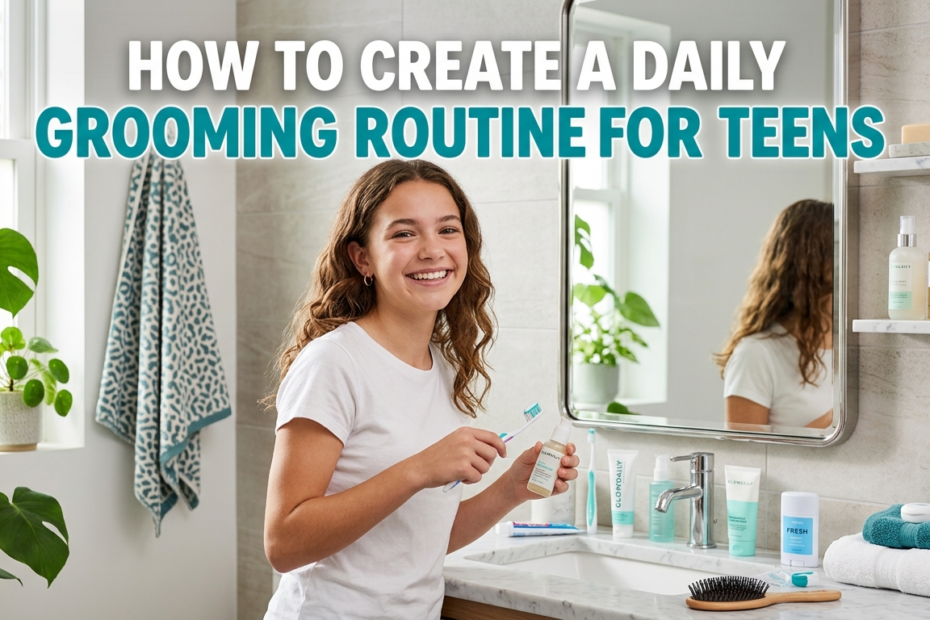
The teenage years are a time of rapid growth, change, and self-discovery. Along with academic responsibilities and social development, teenagers begin to take more responsibility for their personal care. One of the most important life skills to develop during this stage is a daily grooming routine.
A daily grooming routine for teens is not about chasing perfection or unrealistic beauty standards. Instead, it is about health, hygiene, confidence, and self-respect. Learning how to care for one’s body helps teenagers feel more comfortable in their own skin and prepares them for adulthood.
This guide provides a clear, realistic, and age-appropriate approach to grooming for teenagers. Whether you are a teen learning independence or a parent guiding your child, this article will help you build a routine that is simple, effective, and sustainable.
Understanding Grooming for Teens
What Grooming Really Means
Grooming is often misunderstood as focusing only on appearance. In reality, grooming is about maintaining cleanliness, health, and personal comfort. For teens, grooming includes:
-
Keeping the body clean
-
Caring for skin and hair
-
Practicing oral hygiene
-
Wearing clean clothes
-
Developing consistency and discipline
Grooming is a form of self-care. It is not about impressing others, but about feeling good and staying healthy.
Why Grooming Is Important During the Teenage Years
During adolescence, the body goes through hormonal changes that affect:
-
Skin (oiliness, acne)
-
Hair (texture, growth patterns)
-
Sweat and body odor
A consistent grooming routine helps manage these changes and reduces discomfort, embarrassment, and health issues.
Core Principles of a Teen Grooming Routine
Before building a routine, teens should understand a few key principles.
1. Consistency Over Perfection
A simple routine done daily is more effective than a complicated routine followed only occasionally. Teens should aim for consistency, not perfection.
2. Keep It Simple
Grooming does not require expensive products or complex steps. Basic hygiene habits are more important than brand names or trends.
3. Age-Appropriate Self-Care
Teen grooming should be safe, gentle, and suitable for growing bodies. Overdoing skincare or using harsh products can cause harm.
Morning Grooming Routine for Teens
A morning grooming routine sets the tone for the day. It helps teens feel fresh, confident, and prepared.
1. Wake Up and Personal Cleanliness
Teens should begin by:
-
Washing their face with clean water
-
Showering if needed (especially after sweating)
-
Drying off properly to prevent skin issues
Daily showers may not always be necessary, but regular washing is important.
2. Oral Hygiene in the Morning
Oral hygiene is a non-negotiable part of grooming.
-
Brush teeth for at least two minutes
-
Use fluoride toothpaste
-
Clean the tongue gently
-
Rinse thoroughly
Good oral hygiene prevents bad breath, cavities, and gum problems.
3. Basic Skincare for Teens
Teen skincare should be simple:
-
Wash the face with a gentle cleanser
-
Avoid scrubbing harshly
-
Pat dry with a clean towel
Moisturizing may be helpful for dry skin, but heavy products should be avoided unless recommended.
4. Hair Care and Styling
Hair grooming includes:
-
Combing or brushing neatly
-
Using minimal styling products
-
Keeping hair clean and manageable
Teens should choose hairstyles that are comfortable and easy to maintain.
5. Clean Clothing and Presentation
Wearing clean clothes is part of grooming:
-
Choose weather-appropriate outfits
-
Wear clean underwear and socks
-
Ensure clothes are free from strong odors
This habit improves comfort and confidence throughout the day.
Evening Grooming Routine for Teens
Evening grooming helps the body recover and prepares teens for restful sleep.
1. Washing Up After the Day
After school or activities, teens should:
-
Wash hands and face
-
Shower if sweaty or dirty
-
Change into clean, comfortable clothes
This step reduces bacteria buildup and skin irritation.
2. Nighttime Skincare
At night:
-
Clean the face to remove dirt and oil
-
Avoid sleeping with dirty skin
-
Use only gentle products
This helps prevent clogged pores and skin discomfort.
3. Oral Hygiene at Night
Brushing before bed is essential:
-
Brush teeth thoroughly
-
Avoid eating after brushing
-
Rinse well
Skipping nighttime brushing increases the risk of dental problems.
4. Preparing for the Next Day
Simple preparation includes:
-
Laying out clothes
-
Packing school items
-
Organizing grooming tools
This reduces stress and saves time in the morning.
Weekly and Occasional Grooming Tasks
Not all grooming tasks need to be done daily.
Hair Maintenance
-
Wash hair based on hair type (usually 2–4 times weekly)
-
Trim hair when needed
-
Keep hair tools clean
Nail Care
-
Trim fingernails and toenails weekly
-
Keep nails clean
-
Avoid biting nails
Clothing and Personal Items
-
Wash clothes regularly
-
Clean shoes and bags
-
Replace worn-out personal items
Skincare Basics for Teenagers
Teen skin is sensitive and changing.
Understanding Teen Skin
Hormones can cause:
-
Oily skin
-
Breakouts
-
Sensitivity
Gentle care is essential.
Simple Skincare Steps
-
Cleanse once or twice daily
-
Avoid picking or squeezing skin
-
Use clean towels and pillowcases
Common Skincare Mistakes
-
Using too many products
-
Scrubbing aggressively
-
Copying adult skincare routines
Hair Care Tips for Teens
Hair care depends on hair type.
General Hair Care Guidelines
-
Do not overwash
-
Use mild shampoo
-
Avoid excessive heat
Healthy hair starts with gentle care.
Oral Hygiene for Teens
Oral hygiene affects health and confidence.
Daily Oral Care Habits
-
Brush twice daily
-
Rinse after meals if possible
-
Visit a dentist regularly
Consistency prevents long-term issues.
Grooming and Personal Hygiene
Bathing Habits
-
Regular bathing prevents odor
-
Focus on underarms, feet, and private areas
-
Use mild soap
Managing Body Odor
-
Wear clean clothes
-
Use deodorant if needed
-
Stay hydrated
Grooming and Confidence in Teens
Good grooming helps teens:
-
Feel comfortable socially
-
Build self-discipline
-
Develop self-respect
Grooming should never be about comparison or pressure.
Common Grooming Challenges for Teens
Lack of Motivation
Solution:
-
Create short routines
-
Use checklists
Busy Schedules
Solution:
-
Prepare ahead
-
Combine tasks
Budget Concerns
Solution:
-
Use basic products
-
Focus on habits, not brands
How Parents and Guardians Can Help
Parents play a supportive role.
Encouragement Without Control
-
Offer guidance, not criticism
-
Respect privacy
Teaching by Example
Teens learn by observing adult habits.
Creating a Personalized Grooming Checklist
Daily Checklist
-
Brush teeth (morning and night)
-
Wash face
-
Wear clean clothes
Weekly Checklist
-
Trim nails
-
Wash hair
-
Clean personal items
Long-Term Benefits of Good Grooming Habits
Developing grooming habits early leads to:
-
Better health
-
Improved confidence
-
Strong self-care skills
These habits carry into adulthood.
Conclusion
Creating a daily grooming routine for teens is about health, confidence, and responsibility. A simple, consistent routine helps teenagers feel prepared for each day and builds habits that last a lifetime.
By focusing on cleanliness, self-respect, and balance, teens can develop grooming routines that support both physical well-being and emotional growth. Grooming is not about perfection—it is about taking care of oneself, one day at a time.