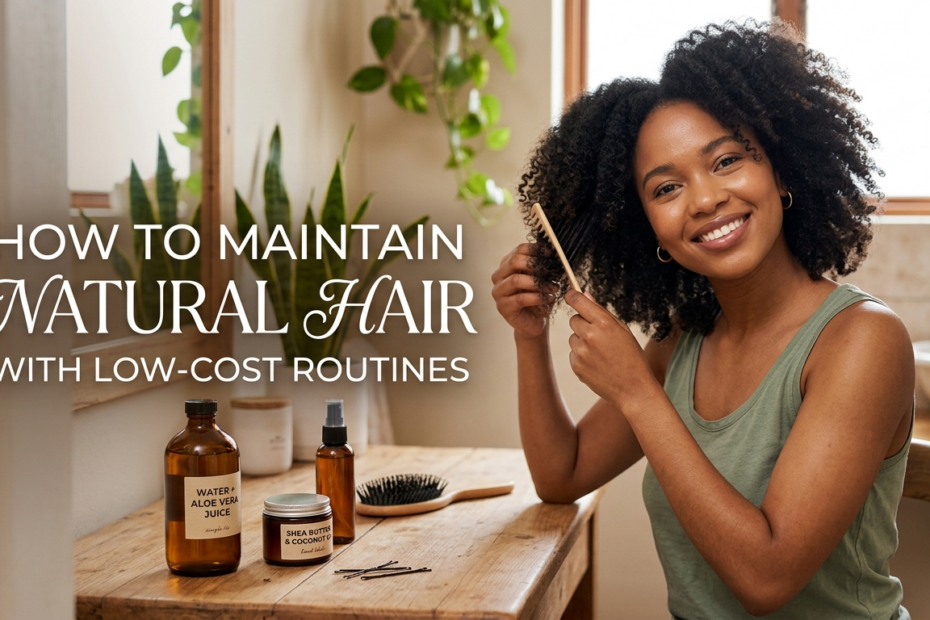
How can I take care of my natural hair naturally?
Taking care of your natural hair without relying heavily on chemical-based products is not only healthier for your hair but also sustainable in the long run. Natural hair thrives when you maintain moisture, reduce damage, and nourish it with simple, effective methods.
The first key step is understanding your hair type and texture. Whether your hair is coily, kinky, or curly, each type requires slightly different handling, but the foundation remains the same—gentleness and consistency.
Moisture is the backbone of natural hair care. Water is your best friend, so regularly hydrating your hair is essential. You can spritz your hair with water daily and seal in that moisture with natural oils such as coconut oil, shea butter, or olive oil.
These oils help prevent dryness and breakage while keeping your hair soft and manageable. Deep conditioning using natural ingredients like avocado, honey, aloe vera, or eggs can also strengthen your hair and improve elasticity.
Another important aspect is minimizing manipulation. Constant combing, brushing, or styling can lead to breakage, especially for fragile natural hair. Opt for protective styles such as twists, braids, or buns that reduce stress on your strands. When you do comb your hair, use a wide-tooth comb and detangle gently, preferably when your hair is damp and conditioned.
Washing your hair regularly is necessary, but avoid over-washing, as it can strip your hair of natural oils. Using mild, sulfate-free shampoos or even natural alternatives like black soap can help cleanse your scalp without causing dryness. You can also try co-washing (washing with conditioner) to maintain moisture.
Your diet plays a major role in hair health. Eating foods rich in vitamins, proteins, and healthy fats supports hair growth from within. Drinking enough water also keeps your scalp hydrated.
Lastly, protect your hair at night by sleeping with a satin or silk scarf or using a satin pillowcase. Cotton materials tend to absorb moisture and cause friction, which leads to dryness and breakage. By sticking to these natural practices, your hair will become stronger, healthier, and easier to manage over time.
How to take care of your hair on a budget?
Taking care of your hair does not have to be expensive. With the right approach, you can maintain healthy, beautiful hair without spending a lot of money. The key is to focus on essentials, use affordable alternatives, and avoid unnecessary products or treatments.
Start by simplifying your routine. You don’t need dozens of products to care for your hair. A basic routine includes cleansing, conditioning, moisturizing, and protecting your hair. Instead of buying expensive shampoos, you can opt for affordable, gentle options or even natural cleansers like diluted black soap. These are often cheaper and still effective.
Deep conditioning treatments can also be done at home using kitchen ingredients. For example, mixing eggs, yogurt, honey, or coconut oil can create a nourishing treatment that strengthens and softens your hair. These homemade solutions are not only budget-friendly but also free from harsh chemicals.
Moisturizing your hair regularly is crucial, and you don’t need costly products to do this. Water remains the cheapest and most effective moisturizer. You can combine it with affordable oils like palm oil, coconut oil, or shea butter to lock in moisture. Buying these in bulk can save you even more money in the long run.
Another way to save money is by reducing salon visits. Learn simple hairstyles you can do yourself, such as twists, braids, or buns. Protective styles help your hair grow while reducing the need for constant styling. If you must visit a salon, space out your visits and focus on essential services only.
Proper maintenance also prevents damage, which can be costly to fix. Avoid excessive heat styling, tight hairstyles, and overuse of chemicals. Keeping your hair healthy reduces the need for expensive treatments later.
Additionally, invest in a few durable tools like a wide-tooth comb, a spray bottle, and a satin scarf. These are one-time purchases that will serve you for a long time. Sleeping with a satin scarf or bonnet helps retain moisture and reduces breakage, saving you money on repair products.
In summary, caring for your hair on a budget is about being resourceful, consistent, and intentional. With simple habits and affordable ingredients, you can achieve healthy hair without overspending.
What are the main steps in a natural hair care routine?
A proper natural hair care routine doesn’t have to be complicated, but it must be consistent. Following the right steps helps maintain moisture, reduce breakage, and promote healthy growth. The routine can be broken down into a few essential stages that work together to keep your hair in good condition.
The first step is cleansing. Your scalp needs to be clean for your hair to grow properly. Dirt, oil buildup, and product residue can clog your pores and lead to issues like dandruff or itching.
Wash your hair with a gentle shampoo or natural cleanser every one to two weeks, depending on your lifestyle and hair needs. Avoid harsh shampoos that strip your hair of its natural oils.
The next step is conditioning. After washing, your hair needs moisture and nourishment. A regular conditioner helps soften your hair and makes it easier to detangle. Deep conditioning is even more important and should be done at least once a week. This process restores lost moisture and strengthens your strands, making them less prone to breakage.
Moisturizing comes after conditioning. Natural hair tends to dry out quickly, so keeping it hydrated is essential. Start with water or a water-based leave-in conditioner, then seal in the moisture with oils or butter. This method, often called the LOC (Liquid, Oil, Cream) method, helps keep your hair moisturized for longer periods.
Detangling is another important step. Always detangle your hair gently using your fingers or a wide-tooth comb. It is best to do this when your hair is damp and conditioned to reduce breakage. Start from the ends and work your way up to the roots.
Styling and protection are the final steps. Choose hairstyles that protect your ends and reduce manipulation. Protective styles like braids, twists, or buns help retain length and minimize damage. Avoid tight styles that can cause tension and hair loss.
Finally, nighttime care is essential. Cover your hair with a satin bonnet or scarf to prevent moisture loss and friction. Following these steps consistently will keep your natural hair healthy, strong, and manageable.
How to take care of natural hair in Nigeria?
Taking care of natural hair in Nigeria comes with unique challenges such as heat, humidity, dust, and water quality. However, with the right approach, you can maintain healthy hair despite these environmental factors. The key is adapting your routine to suit the local climate and available resources.
One of the biggest challenges is dryness caused by heat and sun exposure. To combat this, ensure your hair is always moisturized. Use water frequently and seal it in with oils like coconut oil, shea butter, or palm kernel oil, which are easily available in Nigeria. These natural products are effective and affordable.
Dust and pollution can also affect your hair and scalp. Covering your hair when going out, especially during dry seasons, can help protect it from dirt buildup. Wearing scarves or protective styles can reduce exposure and keep your hair cleaner for longer periods.
Washing your hair regularly is important, but you should be mindful of the type of water you use. In some areas, hard water can make hair feel dry and brittle. If possible, use filtered water or add a little apple cider vinegar during rinsing to balance the pH and soften your hair.
Protective styling is very popular in Nigeria and for good reason. Styles like braids, cornrows, and twists help protect your hair from harsh weather and reduce daily manipulation. However, avoid making these styles too tight, as this can lead to hair loss, especially around the edges.
Another important factor is diet. Nigerian foods like beans, eggs, vegetables, fish, and nuts are rich in nutrients that promote hair growth. Eating a balanced diet and staying hydrated will improve your hair health from within.
Humidity can also cause shrinkage and frizz. To manage this, use heavier creams or butters that help define your curls and reduce frizz. Keeping your hair stretched in styles like twists or braids can also help.
Lastly, nighttime care remains essential. Use a satin scarf or bonnet to retain moisture and prevent breakage. With consistency and the use of locally available products, maintaining natural hair in Nigeria becomes much easier and more effective.
Which shampoo is best for natural hair in Nigeria?
Choosing the right shampoo for natural hair in Nigeria depends on your hair type, scalp condition, and budget. The best shampoo is one that cleanses your scalp effectively without stripping away natural oils. Since natural hair tends to be dry, it is important to select shampoos that are gentle and moisturizing.
Sulfate-free shampoos are highly recommended because they do not contain harsh detergents that can dry out your hair. Many affordable options are available in Nigeria that cater to natural hair. Look for shampoos labeled as “moisturizing,” “hydrating,” or “for dry hair,” as these are better suited for natural textures.
African black soap is also a popular alternative in Nigeria. It is natural, affordable, and effective in cleansing the scalp. However, it should be used with caution, as it can sometimes be drying. Diluting it with water or mixing it with oils can make it gentler on your hair.
When selecting a shampoo, consider ingredients. Products that contain natural oils like coconut oil, argan oil, or shea butter are beneficial because they help retain moisture. Avoid shampoos with alcohol or strong chemicals that can cause dryness and breakage.
It’s also important to choose a shampoo based on your scalp needs. If you have dandruff or an itchy scalp, look for shampoos with soothing ingredients like tea tree oil or aloe vera. If your scalp is oily, you may need a shampoo that provides a deeper cleanse.
You don’t need to buy expensive imported brands to get good results. Many locally available shampoos work just as well when used correctly. The key is how you use the product—focus on cleansing your scalp rather than your hair strands, and always follow up with a conditioner.
In conclusion, the best shampoo for natural hair in Nigeria is one that balances cleanliness and moisture. Whether you choose a commercial product or a natural alternative like black soap, consistency and proper hair care practices matter more than the brand itself.