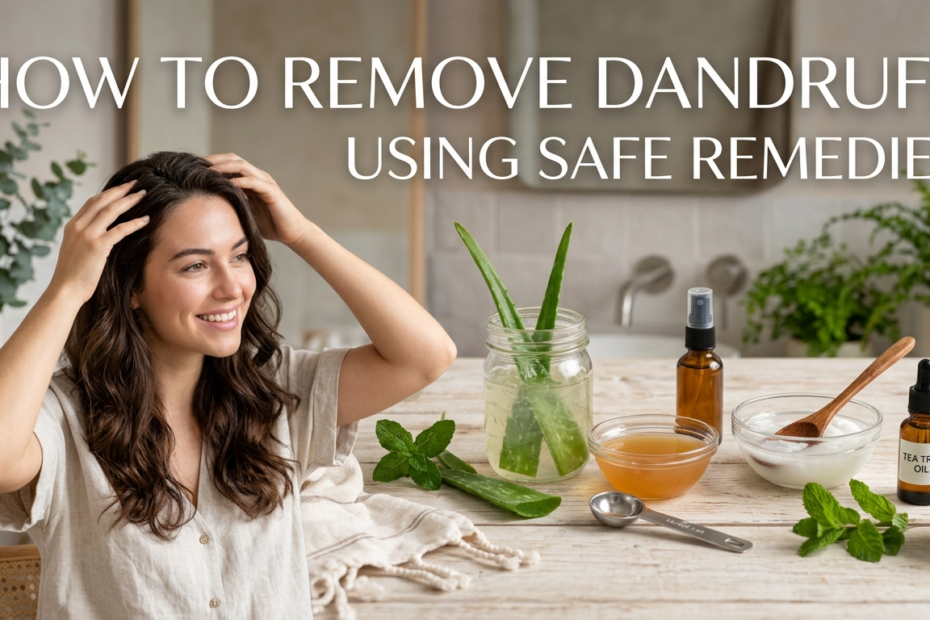
Are you tired of dealing with an itchy, flaky scalp that just won’t go away no matter what you try? You’re not alone. Dandruff is a common scalp condition that affects millions of people worldwide, causing discomfort, embarrassment, and sometimes even hair damage if left untreated.
The good news is that dandruff is often preventable, and you don’t always need harsh chemicals or expensive treatments to manage it. By adopting natural and gentle approaches, you can restore your scalp’s health and enjoy flake-free hair.
Here are some safe remedies for dandruff you can try at home, using ingredients that are not only effective but also nourishing for your hair and scalp. Say goodbye to flakes and hello to a healthier scalp naturally.
What is Dandruff?
Dandruff is a common scalp condition characterized by a flaky scalp and persistent itching. It occurs when the scalp sheds dead skin cells faster than usual, leading to visible white or yellow flakes on the hair and shoulders.
Several factors can trigger dandruff, including a dry scalp, excess oil production, fungal infections (such as Malassezia), or sensitivity to certain hair care products. Poor scalp care, stress, and an unhealthy diet can also make the problem worse.
While dandruff is not contagious or harmful, it can cause discomfort and affect confidence. Understanding the root causes is the first step in managing it effectively and maintaining a healthy, itch-free scalp.
Why Safe Remedies Are Important
Many over-the-counter anti-dandruff shampoos contain strong chemicals that may provide quick relief but can also cause scalp irritation, dryness, or even long-term hair damage with repeated use. Some products may strip your scalp of natural oils, leaving it more prone to itching and flaking.
This is why turning to natural solutions can be a safer and more effective approach. Safe remedies for dandruff not only help reduce flakes and soothe irritation but also nourish your scalp and hair without harmful side effects. By using gentle, natural ingredients, you can manage dandruff effectively while maintaining healthy, strong hair and a comfortable, flake-free scalp.
Safe Remedies for Dandruff
Tea Tree Oil
Tea tree oil is well-known for its antifungal properties, making it highly effective in combating dandruff-causing fungus.
How to use: Add a few drops of tea tree oil to your regular shampoo or dilute it with a carrier oil like coconut or olive oil. Massage gently into the scalp and leave it for a few minutes before rinsing.
Aloe Vera
Aloe vera soothes itching, reduces inflammation, and moisturizes a dry scalp.
Application method: Extract fresh aloe vera gel and massage it directly onto your scalp. Leave it on for 20–30 minutes, then rinse thoroughly with lukewarm water.
Apple Cider Vinegar (ACV)
ACV helps restore the scalp’s natural pH balance and inhibits fungal growth that leads to dandruff.
How to use: Mix equal parts of apple cider vinegar and water. Apply it to your scalp as a rinse after shampooing, leave for a few minutes, and then rinse again with water.
Coconut Oil
Coconut oil nourishes the scalp while its antifungal properties help fight dandruff.
How to use: Massage 2–3 tablespoons of coconut oil into your scalp. Leave it on for 20–30 minutes before washing your hair with a mild shampoo.
Baking Soda
Baking soda gently exfoliates the scalp, removing dead skin cells and excess oil that contribute to dandruff.
How to use: Wet your hair and massage 1–2 tablespoons of baking soda into your scalp. Leave for a few minutes, then rinse thoroughly. Avoid using it too frequently as it can be slightly drying.
Healthy Lifestyle Tips
A healthy scalp starts from within. Eating a balanced diet, staying hydrated, managing stress, and getting enough sleep can significantly reduce dandruff. Supplements like zinc and vitamin B may also support scalp health if your diet is lacking in these nutrients.
Tips to Prevent Dandruff
Preventing dandruff is just as important as treating it. Here are some simple and effective tips to keep your scalp healthy and flake-free:
Wash Hair Regularly with Mild Shampoo
Regular washing helps remove excess oil, dirt, and dead skin cells that contribute to a flaky scalp. Use a gentle, sulfate-free shampoo to avoid irritation.
Avoid Excessive Heat Styling
Frequent use of hair dryers, straighteners, or curling irons can dry out your scalp and worsen dandruff. Let your hair air-dry when possible and use heat styling sparingly.
Keep Scalp Moisturized
A dry scalp can lead to itching and flaking. Use natural oils like coconut or jojoba oil, or hydrating hair masks, to maintain moisture and prevent dryness.
Conclusion
Dandruff can be managed effectively with natural, safe remedies that nourish your scalp while reducing flakes and irritation. Consistency and patience are key—results may take a few weeks, but sticking to these gentle treatments can lead to a healthier, flake-free scalp over time.
Remember, every scalp is different, so it’s important to try multiple remedies and see which works best for you. Try these remedies and see which works best for your scalp, and enjoy the confidence that comes with healthy, itch-free hair.
Frequently Asked Questions
Can dandruff cause hair loss?
Dandruff itself does not directly cause hair loss, but the conditions associated with it can contribute to temporary shedding if not managed properly. Persistent dandruff often results from scalp irritation, inflammation, or fungal overgrowth, all of which can weaken hair follicles over time.
Excessive scratching of an itchy scalp, a common symptom of dandruff, can physically damage hair shafts and follicles, leading to breakage or hair thinning.
Certain underlying conditions linked to dandruff, such as seborrheic dermatitis, psoriasis, or eczema, may also interfere with normal hair growth cycles. These conditions cause prolonged inflammation and scaling, which can temporarily affect the hair follicle’s ability to produce strong hair. While the hair usually regrows once the scalp condition is treated, chronic neglect can prolong the recovery period.
Managing dandruff effectively is key to preventing potential hair loss. Using gentle, antifungal shampoos or natural remedies such as tea tree oil, aloe vera, and coconut oil can reduce flakes, calm inflammation, and strengthen the scalp.
Maintaining a balanced diet rich in zinc, vitamin B, and omega-3 fatty acids supports hair health from the inside out. Additionally, minimizing mechanical stress, such as harsh brushing or tight hairstyles, prevents unnecessary hair breakage.
In conclusion, while dandruff alone rarely causes permanent hair loss, the irritation, inflammation, and habits associated with it can lead to temporary thinning.
Proper scalp care, targeted treatment, and healthy lifestyle practices help prevent hair damage and promote regrowth, ensuring that dandruff does not negatively affect hair density over time.
Can lemon remove dandruff?
Lemon can be a helpful natural remedy for dandruff due to its acidic properties and high vitamin C content. The acidity helps restore the scalp’s pH balance, creating an environment that is less favorable for fungal growth, a common cause of dandruff. Lemon also has mild antimicrobial properties that can help reduce bacteria and fungi on the scalp while providing a refreshing cleansing effect.
To use lemon safely, it is important to dilute the juice with water before applying it to the scalp, especially if you have sensitive skin. Pure lemon juice can be too acidic and may cause irritation or dryness.
A common method is to mix the juice of half a lemon with one or two tablespoons of water and massage it gently onto the scalp. Leave it on for five to ten minutes before rinsing thoroughly with lukewarm water.
Combining lemon with natural oils, such as coconut oil or olive oil, can help counteract dryness while maintaining its antifungal benefits. Applying lemon juice 1–2 times per week can reduce flakes and improve scalp cleanliness.
However, it is important to note that lemon alone may not completely eliminate dandruff, especially in cases caused by fungal overgrowth or severe dryness. For persistent dandruff, it is best to combine lemon with other natural remedies or medicated treatments.
Additionally, avoid sun exposure on lemon-treated hair, as the acid may increase sensitivity and cause dryness or scalp irritation. With careful application and consistent use, lemon can help manage mild dandruff effectively while promoting a healthier, balanced scalp.
Why won’t my dandruff go away?
Dandruff can persist for several reasons, even after repeated treatments. One common factor is improper identification of the underlying cause. While some dandruff results from dry scalp, others are linked to fungal overgrowth, sensitivity to hair products, or conditions such as seborrheic dermatitis or psoriasis. Using treatments that do not target the specific cause often leads to temporary relief without complete resolution.
Another reason dandruff may not go away is inconsistent or incorrect treatment. Overwashing with harsh shampoos can strip the scalp of natural oils, worsening dryness, while underwashing can allow oil and fungus buildup.
Similarly, home remedies may be effective but require regular application over weeks to show results. Skipping treatments or not following proper application instructions can prevent improvement.
Lifestyle factors also play a role. Poor diet, dehydration, stress, and hormonal changes can all contribute to recurring flakes. Nutritional deficiencies, particularly in zinc, vitamin B, and omega-3 fatty acids, weaken scalp health, making it more prone to dandruff. Environmental factors, such as cold, dry weather or excessive use of heat styling tools, can also exacerbate the condition.
In some cases, persistent dandruff may indicate an underlying medical condition like eczema or psoriasis, which requires professional evaluation. If standard treatments and natural remedies fail to improve the condition, consulting a dermatologist is recommended for accurate diagnosis and targeted therapy. Consistent scalp care, proper product use, and lifestyle adjustments are essential for resolving stubborn dandruff and maintaining a healthy scalp.
What oils are good for dandruff?
Several natural oils are highly effective in managing dandruff because they moisturize the scalp, reduce flaking, and possess antifungal properties. Coconut oil is widely considered one of the best options.
It contains lauric acid, which helps combat Malassezia, the fungus commonly associated with dandruff, while also providing deep hydration to prevent dryness.
Olive oil is another effective choice due to its soothing and antioxidant-rich properties. It softens dry flakes, reduces irritation, and helps maintain the scalp’s natural barrier.
Jojoba oil is unique because it closely resembles the scalp’s natural sebum, helping regulate oil production and maintain a balanced environment. Regular massage with jojoba oil can prevent excessive dryness or oiliness that contributes to dandruff.
Tea tree oil, though an essential oil, is highly beneficial when diluted with a carrier oil. Its antifungal and antimicrobial properties actively reduce dandruff-causing microorganisms, soothe itching, and calm inflammation. Almond oil and argan oil are also safe options that provide hydration and strengthen hair, improving scalp resilience over time.
For optimal results, gently massage a few drops of the chosen oil into the scalp 15–20 minutes before washing. This increases blood circulation, softens flakes, and allows active compounds to penetrate the scalp.
Oils should be used in moderation and paired with mild washing routines to prevent buildup. Consistent use combined with proper diet and hydration can significantly reduce dandruff and support long-term scalp health.
Is dandruff itchy?
Yes, dandruff is commonly associated with itching, which is one of its primary symptoms. The itchiness occurs because the scalp becomes irritated due to the overproduction of skin cells, fungal growth, or dryness. When the scalp flakes, it triggers an inflammatory response, causing discomfort and a persistent urge to scratch.
The severity of itching can vary depending on the underlying cause. Dry scalp-related dandruff often produces mild irritation, whereas fungal or seborrheic dermatitis-related dandruff may cause intense itching and redness. Scratching the scalp can temporarily relieve discomfort, but it may also damage the skin, exacerbate flaking, and increase the risk of infection.
Managing itchiness involves moisturizing the scalp, reducing fungal growth, and soothing inflammation. Natural remedies like coconut oil, aloe vera, and diluted apple cider vinegar can alleviate itching while addressing the root cause. Medicated shampoos containing ketoconazole, zinc pyrithione, or selenium sulfide are also effective in controlling both flakes and itchiness.
Lifestyle factors such as stress management, balanced diet, and avoiding harsh hair products further reduce scalp irritation. While itching is uncomfortable, consistent treatment and gentle care can provide relief and prevent scratching-related damage. Understanding that dandruff-related itching is a symptom rather than a separate condition is key to effective management.
How to remove dandruff quickly with home remedies?
Dandruff is often caused by a combination of factors, including fungal growth, dry scalp, and excess oil production. While there is no instant cure, several home remedies can help reduce flakes and itching quickly if applied consistently.
One of the most effective remedies is tea tree oil, which contains natural antifungal properties. You can add a few drops of tea tree oil to your regular shampoo or mix it with a carrier oil like coconut oil and massage it into your scalp. Leave it for 15–20 minutes before rinsing to help reduce fungal activity.
Aloe vera is another excellent option because it soothes itching and hydrates the scalp. Applying fresh aloe vera gel directly to the scalp and leaving it for 20–30 minutes can calm irritation and minimize flaking. Apple cider vinegar is also widely recommended.
Its acidic nature helps restore the scalp’s pH balance and inhibits fungal growth. Mix equal parts of apple cider vinegar and water, apply it to the scalp, leave it for five to ten minutes, then rinse thoroughly.
Coconut oil is effective in moisturizing dry areas of the scalp and contains lauric acid, which has antifungal effects. Massaging the scalp with coconut oil for 20–30 minutes before washing can soften flakes and reduce dryness. Baking soda works as a gentle exfoliant that removes dead skin cells and excess oil, which contribute to dandruff. Use it cautiously, as excessive application may dry out the scalp.
In addition to topical remedies, it is important to maintain good scalp hygiene. Wash hair regularly with a mild, sulfate-free shampoo to remove buildup.
Avoid excessive heat styling, as it can dry out the scalp, and make sure to stay hydrated while eating a balanced diet rich in zinc, vitamin B, and omega-3 fatty acids to support scalp health.
Combining these home remedies consistently can help reduce dandruff quickly, but complete relief may take several days to weeks depending on the severity of the condition.
How to treat dandruff in kids?
Dandruff in children is fairly common and can occur due to dry scalp, fungal infections, or sensitivity to hair care products. Treating dandruff in kids requires a gentle approach because children’s scalp skin is more sensitive than adults’.
First, avoid harsh chemical shampoos and use mild, pediatric-friendly shampoos instead. Products containing natural antifungal agents like tea tree oil or zinc pyrithione in small, safe concentrations can be effective, but always check the label for age recommendations.
Home remedies can also be used safely. Coconut oil is an excellent moisturizer for children’s scalp and can help reduce flaking. Massage a small amount onto the scalp for 15–20 minutes and then gently wash it off.
Aloe vera gel is another safe option to soothe itching and inflammation. For fungal-related dandruff, a mixture of diluted apple cider vinegar can sometimes help, but it should always be used in minimal amounts to prevent irritation.
Maintaining proper hair hygiene is essential. Encourage children to wash their hair regularly, but not excessively, as overwashing can strip natural oils and worsen dryness.
Comb hair gently to prevent scratching or aggravating the scalp. Also, monitor for other conditions like eczema or psoriasis, which can mimic dandruff and require medical advice.
Diet and lifestyle play a role as well. Ensuring a balanced intake of vitamins and minerals, particularly zinc, vitamin B, and omega-3 fatty acids, can help strengthen the scalp and hair. Hydration is equally important to prevent dryness.
In persistent cases, consulting a pediatric dermatologist is recommended to rule out underlying conditions and to receive age-appropriate treatment. With consistent care and gentle remedies, dandruff in children can be managed effectively without causing discomfort or harm.
How to cure dandruff permanently?
Permanently curing dandruff is a challenging task because it often involves multiple contributing factors, such as fungal growth, dry scalp, oil imbalance, stress, and dietary deficiencies.
While it may not be possible to eliminate the root cause entirely, long-term management strategies can significantly reduce recurrence. Regular scalp care is crucial.
Use mild, antifungal shampoos containing ingredients like ketoconazole or zinc pyrithione. These reduce the Malassezia fungus, a common cause of dandruff, and help prevent flaking over time.
Incorporating natural remedies can complement these treatments. Tea tree oil, aloe vera, and coconut oil all provide antifungal, moisturizing, and soothing benefits.
Applying them consistently can strengthen the scalp and reduce irritation. Apple cider vinegar can help restore the scalp’s pH balance, making it less hospitable for fungi. Baking soda, used occasionally, exfoliates dead skin cells and prevents buildup.
Lifestyle and dietary adjustments are equally important for long-term control. A diet rich in zinc, vitamin B, and omega-3 fatty acids promotes healthy scalp function.
Managing stress through exercise, mindfulness, or relaxation techniques can reduce flare-ups, as stress is known to worsen dandruff. Avoiding excessive use of heat styling tools and harsh chemical hair products also helps maintain scalp health.
It is important to understand that the scalp is naturally prone to flaking, and some people are more susceptible to dandruff due to genetics. Therefore, permanent eradication may not be realistic, but combining consistent scalp care, natural remedies, proper diet, and stress management can lead to long-term control and minimal recurrence.
For persistent or severe cases, consulting a dermatologist is recommended to receive tailored treatments. With dedication and proper care, dandruff can be effectively managed and its impact minimized permanently.
How to 100% get rid of dandruff?
Completely eliminating dandruff is complex because it is influenced by multiple factors including fungal activity, scalp dryness, seborrheic tendencies, and external irritants.
While it may not be possible to guarantee a 100% permanent cure for everyone, adopting a consistent and comprehensive approach can significantly reduce flakes and itching.
First, identify the underlying cause. Fungal overgrowth often responds well to antifungal shampoos containing ketoconazole, selenium sulfide, or zinc pyrithione. These help control the growth of Malassezia, the yeast commonly linked to dandruff.
Natural remedies can complement medical treatments. Tea tree oil, with its antifungal properties, can reduce the microbial activity that contributes to dandruff. Aloe vera moisturizes and soothes irritation, while coconut oil strengthens the scalp and inhibits fungal growth.
Apple cider vinegar can restore the scalp’s pH balance, creating an environment less favorable for dandruff formation. Baking soda acts as a mild exfoliant, removing dead skin cells and excess oil.
Lifestyle factors also play a role. Avoid excessive use of styling products and heat tools, which can dry out the scalp and exacerbate flaking. Maintain a balanced diet rich in zinc, vitamin B, and omega-3 fatty acids, which support scalp health.
Manage stress effectively, as stress can trigger or worsen dandruff episodes. Regular, gentle hair washing and scalp massages improve blood circulation and help keep the scalp clean.
While no solution can guarantee 100% permanent removal for everyone, combining medical treatments, natural remedies, proper scalp care, and lifestyle adjustments can significantly minimize flakes and discomfort. For severe or persistent cases, consulting a dermatologist ensures targeted therapy and long-term management.
How to remove dandruff in 2 days?
Removing dandruff completely in just two days is extremely difficult because the scalp’s natural cycle of shedding dead skin cells cannot be stopped immediately. However, you can reduce visible flakes and soothe itching significantly in a short period using concentrated home remedies and proper scalp care.
Tea tree oil is highly effective due to its antifungal properties. Mixing a few drops with coconut or olive oil and massaging it into the scalp can reduce fungal activity and calm irritation. Leaving it on for at least 20 minutes before washing can provide noticeable results.
Apple cider vinegar is another fast-acting solution. Its acidic nature restores the scalp’s pH balance, reducing fungal growth and loosening dead skin cells. Mix equal parts water and vinegar, apply it to the scalp for five to ten minutes, then rinse thoroughly.
Aloe vera gel can quickly soothe itching and inflammation while providing moisture to dry areas. Applying it for 20–30 minutes and rinsing can make the scalp feel healthier.
Using a mild, antifungal shampoo like one containing ketoconazole or zinc pyrithione can help remove flakes effectively in the short term. Avoid scratching the scalp, as it can worsen irritation. Exfoliating gently with a small amount of baking soda can remove loose flakes, but do not overuse it, as it may dry out the scalp.
Additionally, avoid using heat styling tools and hair products that can exacerbate dryness and flaking. Hydration and a nutrient-rich diet support the scalp’s natural healing process.
While it may not be possible to permanently eliminate dandruff in two days, these measures can significantly reduce visible flakes, itching, and discomfort within a short timeframe, giving the appearance of a cleaner, healthier scalp.
What foods trigger dandruff?
Diet plays a significant role in scalp health, and certain foods can exacerbate dandruff by triggering inflammation, excess oil production, or weakening the scalp’s natural defenses. One of the most common dietary contributors is sugar and refined carbohydrates.
Consuming large amounts of sweets, white bread, pasta, and pastries can increase insulin levels, which in turn may stimulate excess oil production in the scalp, creating a favorable environment for dandruff-causing fungi.
Dairy products, particularly those high in fat, are also linked to dandruff in some individuals. Milk, cheese, and ice cream can lead to increased sebum production in susceptible people, making the scalp oilier and more prone to flaking.
Fried and processed foods that contain trans fats and unhealthy oils may also trigger inflammation, potentially worsening scalp irritation and dandruff symptoms.
Additionally, alcohol and caffeinated beverages can dehydrate the body, including the scalp. A dry scalp is more likely to flake and become itchy. Spicy foods may indirectly contribute to dandruff in people with sensitive skin, as they can increase blood flow and oil production, intensifying scalp irritation.
On the other hand, incorporating foods rich in zinc, vitamin B, omega-3 fatty acids, and antioxidants can help support scalp health and reduce dandruff. Leafy greens, nuts, seeds, fatty fish, and whole grains strengthen the scalp’s natural barrier and regulate oil production. Staying well-hydrated by drinking sufficient water also prevents dryness and helps maintain a balanced scalp environment.
It’s important to remember that triggers vary between individuals, and identifying personal dietary contributors may require observation and experimentation. By limiting sugar, unhealthy fats, excessive dairy, and alcohol while emphasizing nutrient-rich foods, you can support a healthier scalp and reduce dandruff naturally.
What exactly causes dandruff?
Dandruff is primarily caused by the accelerated shedding of dead skin cells on the scalp, leading to visible white or yellow flakes and itching. Several factors contribute to this condition, making it multifactorial in nature.
One of the main causes is the overgrowth of a yeast-like fungus called Malassezia, which naturally resides on the scalp. In some individuals, this fungus multiplies excessively, breaking down scalp oils into irritants that trigger inflammation and flaking.
Scalp dryness is another major contributor. Dry skin lacks sufficient moisture, leading to irritation, tightness, and visible flakes. Conversely, an excessively oily scalp can also cause dandruff, as oil mixes with dead skin cells and promotes fungal growth.
Sensitivity to hair care products or harsh shampoos can further aggravate the scalp, leading to a condition known as contact dermatitis, which mimics dandruff symptoms.
Other factors include stress, hormonal changes, and certain medical conditions like psoriasis or eczema, which can increase the rate of skin cell turnover. Seasonal changes, particularly cold and dry weather, often exacerbate dandruff due to decreased humidity and reduced natural oil production.
Poor diet and nutritional deficiencies, especially low zinc, vitamin B, and omega-3 fatty acids, can weaken scalp health and make it more prone to flaking.
Overall, dandruff is caused by a combination of fungal activity, scalp oil imbalance, dryness, irritation, and individual sensitivity. Understanding the root causes allows for targeted treatment, whether through natural remedies, antifungal shampoos, or lifestyle modifications. Proper scalp care, a balanced diet, and avoiding harsh chemicals can significantly reduce symptoms and improve overall scalp health.
Which oil is best for dandruff in kids?
When treating dandruff in children, it is important to use oils that are gentle, non-irritating, and safe for sensitive scalps. Among the most effective options, coconut oil is widely recommended.
It contains lauric acid, which has natural antifungal properties that help control the growth of Malassezia, a fungus commonly associated with dandruff. Coconut oil also moisturizes dry patches, reduces itching, and strengthens the scalp barrier without harsh chemicals.
Olive oil is another safe alternative for children. It is rich in antioxidants and fatty acids, which help soothe inflammation and soften dry skin. Massaging a small amount of olive oil into the scalp before shampooing can loosen flakes and reduce irritation.
Jojoba oil closely resembles the natural oils produced by the scalp, making it an excellent choice for regulating sebum production and maintaining moisture balance.
When applying any oil to a child’s scalp, it is essential to use minimal quantities and perform a patch test first to ensure there is no allergic reaction. Massage the oil gently for 10–20 minutes and then wash it off with a mild, child-friendly shampoo. Avoid using essential oils like tea tree in high concentrations, as they can irritate a child’s sensitive skin.
Consistency is key for effectiveness. Regularly moisturizing and maintaining proper scalp hygiene can significantly reduce flaking and discomfort in children.
Additionally, keeping their diet balanced and ensuring adequate hydration supports overall scalp health, complementing topical treatments. By choosing the right oils and using them safely, dandruff in children can be managed gently and effectively.
How to get rid of dandruff without shampoo?
It is possible to manage and reduce dandruff without using traditional shampoo by relying on natural remedies and proper scalp care. One effective method is using oils such as coconut or olive oil.
These oils moisturize the scalp, loosen flakes, and reduce itching. Apply a small amount to the scalp, leave it for 20–30 minutes, and gently massage before rinsing with water. This can improve scalp health and reduce visible dandruff.
Aloe vera gel is another alternative that does not require shampoo. Its hydrating and soothing properties help calm irritation and reduce flaking. Apply fresh aloe vera gel directly to the scalp and leave it for 20–30 minutes before rinsing. Apple cider vinegar diluted with water can also help restore the scalp’s pH balance and reduce fungal growth, even without traditional shampoo use.
Exfoliating naturally with baking soda or ground oatmeal can remove dead skin cells and excess oil. Mix a small amount with water to form a paste, massage gently onto the scalp, and rinse thoroughly. Brushing the hair gently with a soft brush can also help distribute natural oils, remove loose flakes, and stimulate blood circulation.
Maintaining a healthy lifestyle complements these topical remedies. A balanced diet rich in vitamins, minerals, and omega-3 fatty acids promotes scalp health, while staying hydrated prevents dryness.
Limiting the use of hair products, avoiding heat styling, and protecting the scalp from environmental stressors can also reduce dandruff over time. By combining natural applications, exfoliation, and proper care, it is possible to manage dandruff effectively without shampoo.
What really kills dandruff?
Dandruff can be controlled and minimized effectively by targeting its primary causes, which include fungal overgrowth, dry scalp, and excess oil. Antifungal treatments are particularly effective because they target Malassezia, the yeast-like fungus commonly associated with dandruff. Ingredients such as ketoconazole, selenium sulfide, and zinc pyrithione found in medicated shampoos reduce fungal activity and help prevent flakes.
Natural remedies also “kill” dandruff in a supportive way by creating an environment that discourages fungal growth and maintains scalp health. Tea tree oil contains powerful antifungal properties, while coconut oil nourishes the scalp and reduces dryness.
Apple cider vinegar helps restore pH balance, making the scalp less favorable for fungus. Aloe vera soothes irritation and provides hydration, preventing itching and flaking.
Maintaining proper scalp hygiene is equally important. Regularly washing the scalp with a mild, antifungal treatment or natural alternative helps remove buildup and dead skin cells, which are breeding grounds for dandruff. Brushing the hair gently also distributes oils evenly and prevents localized dryness.
Lifestyle factors further enhance treatment effectiveness. A balanced diet rich in zinc, vitamin B, and omega-3 fatty acids supports scalp health. Hydration and stress management reduce scalp inflammation and prevent flare-ups.
While no single remedy guarantees a permanent cure, combining antifungal treatments, natural remedies, and healthy habits provides the most effective approach to “killing” dandruff and maintaining a flake-free, comfortable scalp.
Can hot water remove dandruff?
Hot water alone cannot remove dandruff effectively, and in fact, using very hot water may worsen the condition by drying out the scalp. Dandruff is primarily caused by fungal growth, excess oil, or dry scalp, none of which can be completely resolved by water temperature alone.
While warm water can help loosen flakes and make them easier to wash away, excessively hot water strips the scalp of its natural oils, leading to irritation, increased dryness, and more flaking over time.
For optimal scalp care, it is better to use lukewarm water when washing hair. This temperature allows gentle removal of dirt, oils, and dead skin cells without triggering additional irritation. Pairing lukewarm water with mild shampoos or natural remedies such as coconut oil, aloe vera, or antifungal shampoos enhances the effectiveness of dandruff treatment.
After washing, rinsing thoroughly ensures no residue of shampoo or remedy remains on the scalp, which could otherwise contribute to flaking or itchiness. It is also recommended to follow up with a gentle scalp massage using oils or conditioners suitable for dandruff-prone hair.
While hot water may temporarily remove some visible flakes, it is not a cure and may aggravate the scalp. Consistent use of appropriate treatments, hydration, and scalp-friendly hair care routines are essential for effectively managing and reducing dandruff over time.
How to avoid dandruff?
Avoiding dandruff involves a combination of proper scalp care, lifestyle habits, and dietary considerations. Maintaining scalp hygiene is the first step.
Regular washing with mild, sulfate-free shampoos removes excess oils, dead skin cells, and environmental buildup without over-drying the scalp. Avoid harsh chemical shampoos and over-washing, as both can trigger irritation and dryness.
Moisturizing the scalp is crucial to prevent flaking. Natural oils such as coconut, olive, or jojoba oil can hydrate dry areas and provide antifungal benefits. Exfoliating gently with baking soda or oatmeal occasionally can also help remove buildup that contributes to dandruff.
Diet and hydration play a significant role in preventing dandruff. Consuming foods rich in zinc, vitamin B, omega-3 fatty acids, and antioxidants supports scalp health and reduces inflammation. Limiting sugar, refined carbohydrates, and excessive dairy can help prevent excess oil production, which encourages fungal growth.
Stress management is another important factor. Chronic stress can trigger hormonal changes that increase oil production or exacerbate skin conditions like seborrheic dermatitis. Practices such as meditation, exercise, and adequate sleep help maintain overall scalp health.
Environmental factors should also be considered. Protect the scalp from harsh sun exposure, dry indoor air, and excessive heat styling, which can all dry out the scalp and contribute to flaking. By combining consistent hygiene, gentle treatment, healthy nutrition, and lifestyle adjustments, dandruff can be effectively avoided and controlled.
What ingredients fight dandruff?
Several ingredients, both natural and medicated, are effective in combating dandruff by targeting its root causes, such as fungal growth, dryness, and scalp irritation.
Medicated shampoos often contain ketoconazole, selenium sulfide, or zinc pyrithione. Ketoconazole has strong antifungal properties that inhibit Malassezia, a fungus commonly associated with dandruff.
Selenium sulfide reduces scalp flakiness and slows down the overproduction of skin cells. Zinc pyrithione has both antibacterial and antifungal effects, helping to reduce inflammation and itching.
Natural ingredients also play a significant role. Tea tree oil contains powerful antifungal compounds that target the microorganisms causing dandruff. Aloe vera soothes irritation and hydrates dry scalp patches, reducing flaking.
Coconut oil moisturizes the scalp while providing mild antifungal benefits, and apple cider vinegar helps restore the scalp’s pH balance, making it less hospitable for fungal growth.
Additional beneficial ingredients include argan oil and jojoba oil, which maintain moisture balance, and oatmeal, which gently exfoliates dead skin cells. Honey, due to its antimicrobial and moisturizing properties, can also support scalp health and reduce dandruff symptoms.
Combining these ingredients through regular application of shampoos, hair masks, or scalp treatments helps control flaking, itching, and irritation. The choice of ingredients depends on scalp type and sensitivity, but consistent use is key to achieving visible results.
What to eat to fight dandruff?
Diet directly impacts scalp health, and incorporating certain nutrients can help reduce dandruff. Foods rich in zinc, such as pumpkin seeds, nuts, and whole grains, support cell growth and immune function, which helps regulate oil production and reduce fungal overgrowth.
Vitamin B complex, found in eggs, fish, leafy greens, and dairy, plays a crucial role in maintaining healthy scalp skin and preventing dryness that can lead to flaking.
Omega-3 fatty acids, present in fatty fish, flaxseeds, and walnuts, reduce inflammation and keep the scalp hydrated. Antioxidant-rich foods like berries, spinach, and carrots help combat oxidative stress that can damage scalp cells.
Probiotic-rich foods, such as yogurt and fermented vegetables, support gut health, which indirectly affects scalp condition and may reduce dandruff flare-ups.
Hydration is equally important. Drinking enough water keeps the scalp moist and prevents dryness-related flaking. Avoiding excessive sugar, refined carbohydrates, and fried or processed foods can help reduce oil buildup and fungal growth on the scalp. Limiting alcohol consumption also supports hydration and overall scalp health.
A balanced, nutrient-rich diet, combined with proper hair care and natural or medicated treatments, helps fight dandruff from the inside out, reducing both flakes and itchiness over time.
Can rice cause dandruff?
Rice itself does not directly cause dandruff, but certain rice-based products or diets high in refined rice may contribute indirectly. Highly processed white rice has a high glycemic index, which can lead to spikes in blood sugar.
These spikes may trigger increased oil production in the scalp, creating an environment favorable for fungal growth, a common cause of dandruff.
Additionally, some rice-based hair products, such as rice water rinses, can be drying if not balanced with moisturizing ingredients. Excessive application without proper scalp hydration may irritate the scalp, worsening flaking.
However, rice in moderation, particularly whole-grain varieties, does not pose a risk and provides nutrients like B vitamins and fiber, which support overall skin and hair health.
The key is balancing rice consumption with a nutrient-rich diet, adequate hydration, and proper scalp care. Using rice water or other rice-based hair treatments should be complemented with moisturizing oils like coconut or olive oil to prevent dryness and maintain a healthy scalp environment. Proper hygiene, gentle exfoliation, and consistent treatment prevent dandruff regardless of rice intake.