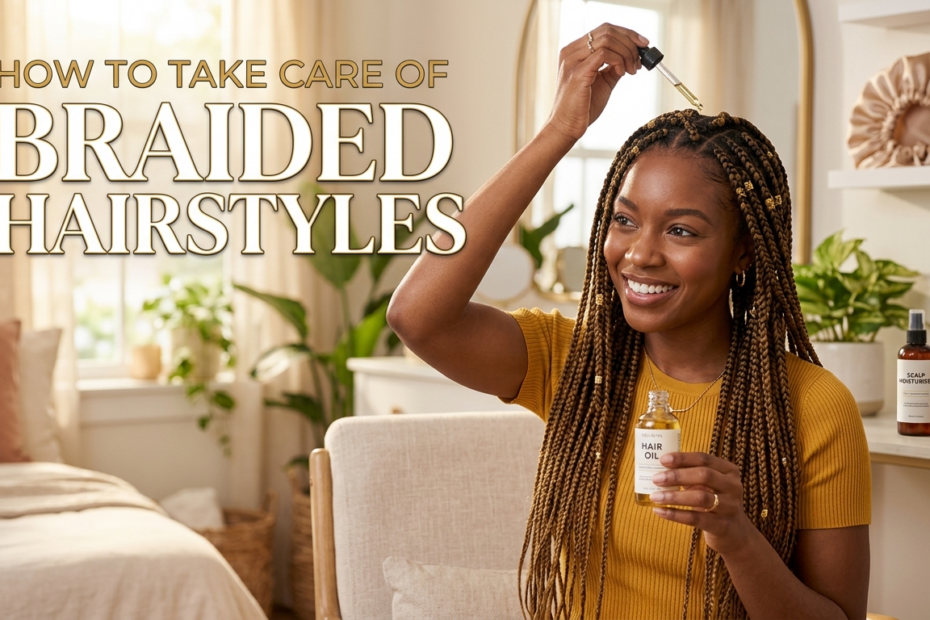
Braided hairstyles are a timeless and stylish way to protect your hair, but maintaining them properly is key to keeping them looking fresh and healthy. Whether you choose box braids, cornrows, twists, or micro-braids, these versatile styles not only add flair to your look but also serve as a protective style that shields your hair from daily damage.
One of the biggest advantages of braids is their low-maintenance nature, allowing you to enjoy a neat and polished appearance for weeks when cared for correctly.
However, without proper care, braids can become frizzy, dry, or even cause breakage. In this guide, we will explore expert tips on how to take care of braided hairstyles, helping you preserve both the style and the health of your hair.
Why Proper Care of Braids Matters
Proper care of braided hairstyles is essential not only for maintaining their appearance but also for protecting the health of your hair and scalp. Without consistent attention, braids can lead to hair damage, breakage, and scalp issues such as dryness or irritation. Following a reliable braid maintenance routine ensures that your hair remains strong, moisturized, and less prone to split ends or thinning.
Caring for your braids also significantly extends the lifespan of the style. With the right techniques, braids can stay neat and stylish for several weeks, saving you time and effort while keeping your look polished.
Protective hairstyles, like braids, are designed to shield natural hair from environmental stressors and everyday manipulation. However, neglecting proper care can negate these benefits, leading to frizz, tangling, or even hair loss at the edges.
Additionally, maintaining a healthy scalp is crucial for promoting hair growth. Gentle cleansing, moisturizing, and scalp massages improve circulation and ensure that your hair follicles receive the nutrients they need. By prioritizing proper care, you can enjoy the full benefits of your braids while keeping your hair strong and vibrant.
Daily Maintenance Tips
Maintaining braided hairstyles on a daily basis is crucial to keeping them looking fresh and ensuring the health of your hair. One of the most important steps is to moisturize regularly.
Braids can leave your hair feeling dry, so applying light oils such as jojoba, argan, or coconut oil, or using a leave-in conditioner, helps keep your strands hydrated and soft. Focus on both the hair and the scalp to prevent dryness and itching.
Protecting your braids at night is another essential step in braid maintenance. Wrapping your hair with a silk or satin scarf, or sleeping on a silk pillowcase, reduces friction that can cause frizz and breakage. This simple habit ensures that your braids stay neat and last longer.
Avoid excessive manipulation by minimizing pulling, twisting, or constant styling of your braids. Touching your braids too often can cause frizz and even weaken the roots, especially around the edges.
Cleaning your scalp carefully is equally important. Use a diluted shampoo or specialized scalp spray to remove buildup without disturbing the braids. Focus on gentle application to avoid loosening the style.
By following these daily practices, you can ensure that your braided hairstyles remain stylish and healthy. Regular maintenance not only preserves the beauty of your braids but also promotes a healthy scalp and supports overall hair growth, making your protective style truly effective.
Weekly or Bi-Weekly Care Routine
Maintaining braided hairstyles goes beyond daily care; a weekly or bi-weekly routine is essential to keep your braids looking neat and your hair healthy. One key aspect is washing braids without loosening them.
To do this, dilute a gentle, sulfate-free shampoo with water and apply it directly to the scalp using a spray bottle or fingertips. Focus on cleansing the scalp rather than scrubbing the braids themselves, then rinse carefully to avoid disrupting the style.
Hydration is equally important. Using braid sprays or natural oils such as coconut, jojoba, or argan oil helps keep both the hair and scalp moisturized. This prevents dryness, breakage, and frizz while extending the lifespan of your protective hairstyle. Spritz lightly throughout the week or after washing to maintain softness and shine.
Regularly check for frizz or loose braids and address small issues early. Retightening slightly loose braids or smoothing down flyaways with a lightweight styling gel ensures your style remains polished and tidy.
Incorporating gentle scalp massages into your routine can also improve blood circulation, promoting healthy hair growth and nourishing the follicles beneath your braids. Use your fingertips to massage in a circular motion for a few minutes after moisturizing.
By following a consistent weekly or bi-weekly care routine, you can enjoy beautiful, long-lasting braids while protecting your hair and scalp. This approach ensures your braided hairstyles remain both stylish and healthy.
Common Mistakes to Avoid
Even with the best intentions, certain mistakes can undermine your braided hairstyles and damage your hair. One common error is keeping braids for too long.
While braids are a protective style, leaving them in for extended periods can lead to hair breakage, thinning edges, and scalp irritation. Most braids should be kept for no longer than six to eight weeks, depending on the style and hair type.
Another mistake is using heavy products that cause buildup. Thick creams, butters, or oils may weigh down the braids, attract dirt, and leave residue on the scalp. This can result in an unhealthy scalp environment and make your braids look dull.
Ignoring scalp care is also detrimental. A dry, itchy scalp can lead to flaking, irritation, and even hair loss. Regularly moisturizing and gently cleansing the scalp is essential for maintaining healthy hair underneath your braids.
Lastly, pulling on the edges too tightly during styling or retouching can cause tension and breakage, especially around the hairline. Protecting the edges by avoiding excessive pulling helps maintain the integrity of your braids and overall hair health.
By avoiding these common mistakes, you can extend the lifespan of your braided hairstyles while keeping your hair strong, healthy, and beautiful.
Recommended Products for Braid Care
Choosing the right products is essential for maintaining braided hairstyles and keeping your hair healthy. Lightweight oils such as jojoba, argan, and coconut oil are perfect for moisturizing both your hair and scalp without weighing down the braids. These oils help prevent dryness, reduce frizz, and add a natural shine to your protective hairstyle.
In addition, braid sprays or leave-in moisturizers are excellent for daily or weekly hydration. They are specially formulated to penetrate the hair without disrupting the style, keeping your braids soft, manageable, and long-lasting. Spraying lightly throughout the week can also help soothe an itchy scalp and maintain overall hair health.
For cleansing, opt for gentle, sulfate-free shampoos. Diluting these shampoos with water and applying them directly to the scalp allows you to remove buildup and impurities without loosening the braids. Regular, careful washing ensures a clean scalp while maintaining the integrity of your protective hairstyle.
Using these recommended products as part of your braid maintenance routine ensures that your braided hairstyles remain neat, healthy, and vibrant, making it easier to enjoy the style for weeks.
Tips for Different Types of Braids
Different types of braided hairstyles require slightly different care routines to keep them looking their best. Box braids, for example, are usually medium to large-sized and can last several weeks with proper maintenance.
Moisturizing the scalp regularly with lightweight oils or braid sprays and covering your hair at night with a silk or satin scarf will help preserve the style and prevent dryness.
Cornrows, being smaller and closer to the scalp, often require more frequent moisturizing to prevent scalp irritation. Gentle cleansing with diluted shampoo and careful application of lightweight oils can keep your scalp healthy without loosening the braids. Additionally, avoid excessive tension when styling cornrows to protect the hairline.
Twists, whether two-strand or flat twists, can unravel more easily than traditional braids. Using leave-in conditioners and braid sprays regularly helps maintain the twist pattern and reduces frizz. Overnight protection with silk or satin is especially important for twists.
Micro-braids, being very small and delicate, require extra attention. They tend to dry out faster, so frequent light moisturizing is essential. Avoid heavy products that can cause buildup, and be gentle when washing to prevent breakage.
By understanding the unique needs of each braid type, you can tailor your braid maintenance routine effectively, ensuring your protective hairstyles remain neat, healthy, and long-lasting.
Conclusion
Consistent care is the key to keeping braided hairstyles looking fresh, healthy, and long-lasting. By following a proper braid maintenance routine—moisturizing regularly, protecting your hair at night, and addressing frizz or loose braids—you can enjoy both the beauty and protective benefits of your style.
Every braid type has unique needs, so tailoring your care routine ensures your hair and scalp remain healthy. We’d love to hear from you! Share your favorite tips for how to take care of braided hairstyles in the comments below and help others maintain their braids with confidence.
Frequently Asked Questions
What is the best way to maintain braids?
Maintaining braids properly is essential for keeping your hairstyle looking neat and ensuring the health of your hair and scalp. One of the most important aspects of braid maintenance is regular moisturizing.
Braids can make hair dry because the natural oils from the scalp may not easily reach the ends of the hair. To prevent dryness, lightly apply oils such as jojoba, argan, or coconut oil to both the scalp and hair strands. Braid sprays or leave-in conditioners can also help retain moisture without weighing down the hair.
Nighttime protection is another key factor in maintaining braids. Using a silk or satin scarf or sleeping on a silk pillowcase reduces friction, preventing frizz and breakage.
Braids can get messy and frizzy if not protected during sleep. Additionally, avoid excessive manipulation. Constantly pulling, styling, or touching the braids can loosen them and cause unnecessary tension on the hair roots, especially around the edges.
Cleaning the scalp is equally important for maintaining braids. Use a diluted shampoo or a specialized scalp spray to remove dirt, sweat, and product buildup without disturbing the braids themselves.
Pay attention to the scalp, but avoid aggressive scrubbing that may loosen the style. Inspect your braids regularly for frizz, flyaways, or loose sections, and fix minor issues early to extend the life of your hairstyle.
Finally, consider the type of braids you have, as care may vary. For smaller braids, more frequent moisturizing and gentle handling may be needed, while larger braids may require less maintenance but still need scalp care.
By combining proper hydration, protection, gentle cleansing, and attentive inspection, you can ensure that your braided hairstyle remains attractive, long-lasting, and healthy.
How to get rid of dandruff on braided hair?
Dandruff on braided hair is a common problem, often caused by a dry scalp, product buildup, or fungal infections. Managing dandruff while keeping braids intact requires a careful and gentle approach.
The first step is to identify the cause of the flaking. A dry scalp may require increased moisture, whereas excessive buildup from styling products may require cleansing.
Moisturizing the scalp regularly is critical. Lightweight oils like jojoba, tea tree, or coconut oil can help hydrate the scalp and reduce flakiness. Tea tree oil, in particular, has antifungal properties that combat the yeast responsible for dandruff.
Apply the oil directly to the scalp using your fingertips or a dropper, and massage gently to stimulate circulation and promote absorption. Avoid applying heavy creams that can build up on the braids and worsen the problem.
Cleansing is also essential. Use a diluted anti-dandruff shampoo applied carefully to the scalp, making sure not to disturb the braids too much. Rinse thoroughly, and follow up with a light moisturizer or braid spray to prevent dryness. Scalp sprays containing tea tree or peppermint oil can be used between washes to manage flakes and soothe itching.
Maintaining good hygiene is another factor. Cover your braids at night with a silk or satin scarf to prevent sweat and dust from irritating the scalp. Avoid scratching the scalp aggressively, as this can loosen braids and increase breakage. Consistent care, hydration, and gentle cleansing will help eliminate dandruff while keeping braided hair healthy, neat, and long-lasting.
How do I take care of my hair after braids?
Taking care of your hair after removing braids is crucial to restore moisture, prevent breakage, and maintain hair health. Once the braids are removed, the hair may appear dry or tangled, so gentle handling is essential.
Start by detangling carefully using a wide-tooth comb or your fingers, beginning from the tips and gradually working your way up to the roots. This reduces breakage and prevents unnecessary pulling.
Deep conditioning is a critical step after braids. Apply a rich, hydrating conditioner or hair mask and leave it on for at least 20 to 30 minutes. This will help restore moisture lost during the time the hair was in braids. Natural oils like coconut, argan, or olive oil can also be applied to seal in hydration and strengthen the hair strands.
Washing your hair after braids should be done gently with a sulfate-free shampoo to remove buildup without stripping natural oils. Focus on the scalp and avoid rough scrubbing of the hair strands. After washing, rinse thoroughly and follow up with a conditioner or leave-in treatment.
It’s important to give your hair a break between braiding sessions. Continuous braiding without rest can stress hair follicles and edges, leading to breakage or thinning.
Protective styles like buns or twists can allow your hair to recover while still minimizing manipulation. Regular moisturizing, gentle handling, and proper cleansing after braids ensure that your hair remains healthy, strong, and ready for the next protective hairstyle.
How often should I oil my braids?
Oiling braids is essential for keeping both your hair and scalp hydrated while preventing dryness, frizz, and breakage. The frequency of oiling depends on your hair type, the size of the braids, and environmental factors such as humidity and temperature.
Generally, applying oil two to three times a week is sufficient for most hair types. Fine or naturally dry hair may require more frequent application, while thicker hair may need less.
When oiling, focus on the scalp as well as the hair strands. Use lightweight oils like jojoba, argan, or coconut oil that absorb easily without leaving residue. Apply the oil using a dropper or your fingertips, and massage gently to stimulate blood circulation, which promotes hair growth and scalp health. Over-oiling should be avoided, as excess product can cause buildup, attract dirt, and lead to scalp issues.
Between oiling sessions, braid sprays or leave-in moisturizers can maintain hydration without leaving the hair greasy. Always monitor your scalp for dryness or itchiness, as these are signs that your hair may need more frequent moisturizing.
By establishing a consistent oiling routine, you can maintain healthy, soft, and manageable braids, ensuring that your protective hairstyle lasts longer and your hair remains strong and nourished.
Why do you dip braids in hot water?
Dipping braids in hot water is a common technique used primarily for synthetic braids like Kanekalon or Marley hair. The hot water helps to seal the ends of the braids, preventing them from unraveling and giving the style a polished, uniform look. It also softens the synthetic hair slightly, making it more manageable and reducing the stiffness that can make the braids uncomfortable.
The process involves carefully dipping the braids into hot (not boiling) water for a short period and then gently drying them. This method also helps in setting the braid pattern, reducing frizz, and smoothing flyaways that occur during the braiding process. For twists or crochet braids, hot water can help define the shape and give the style a sleek finish.
It’s important to exercise caution when using this technique. The water should not be excessively hot, as it can burn the scalp or damage synthetic fibers. After dipping, allow the braids to air dry completely or pat them gently with a towel. While this method is primarily for synthetic braids, natural hair extensions used in braids may benefit from careful heat setting techniques as well.
Dipping braids in hot water enhances durability, improves aesthetics, and helps the braids maintain their structure, ensuring that your protective hairstyle looks neat and lasts longer without unraveling.
What are the signs of unhealthy braids?
Unhealthy braids often indicate that the hair or scalp is under stress and requires immediate attention. One of the most obvious signs is excessive frizz or unraveling.
While some flyaways are normal, braids that are constantly loosening or fraying may have been installed too tightly or left in for too long. This can put stress on hair follicles and lead to breakage.
Another indicator is persistent scalp irritation or itchiness. An itchy scalp may signal dryness, product buildup, or even an allergic reaction to the hair extensions or products used. Redness, bumps, or flakiness are further signs that the scalp is unhealthy and requires care.
Thinning edges or hair breakage around the hairline and parts of the scalp is also a critical warning. This often results from excessive tension when braiding or poor maintenance over time. Hair loss at the edges can become permanent if not addressed, so monitoring these areas is crucial.
Unpleasant odor is another sign of unhealthy braids. A foul smell may develop from sweat, bacteria, or inadequate cleansing, indicating that the scalp and braids are not being properly maintained.
Lastly, dryness or brittleness of the braids themselves suggests that hair strands are not receiving adequate moisture. Lightweight oils, braid sprays, or gentle conditioning treatments can help restore hydration. Recognizing these signs early allows you to adjust your braid maintenance routine, protecting your hair while preserving the style and ensuring the scalp remains healthy.
What oil helps itchy braids?
Managing an itchy scalp under braided hairstyles often requires the use of oils with soothing and moisturizing properties. Tea tree oil is one of the most effective choices due to its natural antifungal and antibacterial qualities, which help reduce scalp irritation and dandruff. A few drops mixed with a carrier oil like coconut or jojoba oil can be applied directly to the scalp, providing relief without weighing down the hair.
Jojoba oil is another excellent option. Its composition closely resembles the natural sebum produced by the scalp, making it ideal for moisturizing without causing buildup. Jojoba oil penetrates the hair follicles, helping to maintain a healthy scalp environment while reducing itchiness.
Coconut oil is widely used for its deep moisturizing properties. It not only soothes dry, itchy scalp conditions but also strengthens hair strands and minimizes breakage. Its lightweight texture allows it to coat braids without making them greasy or heavy.
Peppermint oil, when diluted in a carrier oil, can provide a cooling sensation that instantly relieves itchiness. It also stimulates blood circulation in the scalp, promoting hair growth and scalp health.
To apply oils safely, use a dropper or your fingertips to massage a small amount directly into the scalp between the braids. Avoid excessive application, which can lead to buildup.
Consistently using these oils as part of a braid maintenance routine will reduce itchiness, protect hair health, and keep your braids looking fresh and well-maintained.
How do I clean my braids without washing them?
Cleaning braids without fully washing them is a practical way to maintain hygiene while preserving the style. This approach is especially useful when you want to avoid loosening the braids.
One of the most effective methods is using dry shampoo or scalp sprays. These products absorb excess oil, sweat, and debris from the scalp, leaving the hair feeling refreshed. Apply the dry shampoo directly to the scalp, let it sit for a few minutes, then gently massage or pat to distribute.
Another method is a diluted cleansing spray. Mix water with a few drops of mild shampoo or apple cider vinegar in a spray bottle and apply lightly to the scalp.
Use your fingertips to massage the scalp gently, loosening dirt and buildup without disturbing the braids. Follow with a light spritz of water to rinse away residue, then allow the hair to air dry.
Wiping the braids with a clean, damp cloth can also help remove surface dust and grime. Focus on the scalp and the parts of the braids that accumulate buildup, taking care not to tug or pull the strands.
Regularly moisturizing between cleanings helps maintain softness and prevents dryness, which can occur even without washing. Oils or braid sprays work well to hydrate the scalp and hair. This method ensures that your braids remain neat, your scalp stays healthy, and the style lasts longer without the need for frequent full washes.
How to dry braids after washing?
Drying braids properly after washing is critical to prevent mildew, odor, and damage. The first step is gently squeezing out excess water from the scalp and braids using a microfiber towel or a soft cotton cloth. Avoid rubbing or wringing the hair, as this can cause frizz and loosen the braids.
Allow your braids to air dry naturally whenever possible. Hanging your hair upside down or using clips to separate braids can speed up drying and ensure air reaches the roots.
If you prefer, you can use a blow dryer on a cool or low heat setting, keeping it at a safe distance from the hair to avoid heat damage. Direct high heat can weaken the braids and dry out the scalp.
Spritzing a light leave-in conditioner or braid spray during the drying process can help retain moisture, prevent frizz, and maintain the neat appearance of the style. Pay special attention to the scalp, ensuring it is dry as wet roots can lead to odor or fungal growth.
Finally, avoid styling the braids while they are wet, as this increases tension and can disrupt the structure of the braid. Once the braids are completely dry, you can gently apply a small amount of lightweight oil to seal in moisture and maintain shine. Proper drying ensures your braids remain neat, healthy, and long-lasting.
How to stop itchy scalp after braids?
An itchy scalp after braiding is a common issue, usually caused by dryness, tension, or product buildup. The first step in relieving itchiness is hydration. Applying lightweight oils like jojoba, argan, or coconut oil directly to the scalp can soothe irritation and restore moisture. Tea tree oil or peppermint oil mixed with a carrier oil is particularly effective due to their antifungal and cooling properties.
Gentle scalp massages help distribute oils evenly while improving blood circulation, which promotes hair health and reduces discomfort. Avoid scratching the scalp with nails, as this can cause damage, breakage, and even infection.
Cleansing the scalp carefully is another important step. Use diluted shampoo or a specialized braid scalp spray to remove dirt, sweat, and buildup that may contribute to itchiness. For synthetic braids, focus on cleansing the scalp rather than scrubbing the hair strands.
Maintaining a protective routine also helps. Covering braids with a silk or satin scarf at night reduces friction and prevents further irritation. Limiting excessive manipulation or tight styling minimizes tension on the scalp, which is a common cause of post-braid itchiness.
Consistent care combining hydration, gentle cleansing, and scalp protection will relieve itchiness over time and keep your braids looking fresh and healthy while supporting overall hair growth.
What oils are good for dandruff?
Oils can play a significant role in managing dandruff, especially for individuals with braided hairstyles. The best oils for dandruff are those that both hydrate the scalp and have antifungal or antibacterial properties.
Tea tree oil is widely recommended due to its natural antifungal abilities, which help combat the yeast responsible for dandruff. Mixing a few drops with a carrier oil, such as coconut or jojoba oil, allows for safe and effective application directly to the scalp.
Coconut oil is another excellent option for treating dandruff. It penetrates the scalp and hair shaft, providing deep moisture while reducing dryness and flakiness. Its antimicrobial properties also help prevent fungal infections that contribute to dandruff.
Jojoba oil closely mimics the natural oils produced by the scalp, making it ideal for moisturizing without causing buildup. Regular use can prevent dryness, relieve itching, and maintain a balanced scalp environment.
Other oils like argan oil and olive oil provide additional nourishment and moisture. They help soothe an irritated scalp while protecting the hair strands from breakage or brittleness. Peppermint oil, when diluted in a carrier oil, can also relieve itchiness while stimulating blood flow to hair follicles.
When using oils for dandruff, it is essential to apply them directly to the scalp using a dropper or fingertips and massage gently. Overuse can lead to buildup, which may worsen dandruff.
Combining oil treatment with gentle cleansing and regular scalp care ensures that braids remain healthy, itch-free, and long-lasting while managing dandruff effectively.
How to wash knotless braids?
Washing knotless braids requires a careful approach to keep the braids intact while cleansing the scalp. Start by diluting a gentle, sulfate-free shampoo with water in a spray bottle or container. Applying undiluted shampoo directly to the scalp may loosen the braids and cause frizz, so dilution is crucial.
Next, section your hair to ensure even cleaning. Focus primarily on the scalp rather than the braids themselves. Use your fingertips to gently massage the shampoo into the scalp in small circular motions. This loosens dirt, sweat, and buildup without disrupting the braid pattern. Avoid rubbing the braids excessively, as this can cause frizz and unraveling.
Rinse thoroughly using cool or lukewarm water, making sure the water flows along the scalp and through the braids without aggressively scrubbing. After rinsing, gently squeeze out excess water from the braids using a microfiber towel or soft cotton cloth.
Applying a lightweight conditioner or braid spray is optional but can help maintain moisture in the hair and reduce frizz. Focus on the scalp and lightly mist the braids rather than saturating them. Allow the hair to air dry completely, separating braids if necessary to improve airflow.
Regularly washing knotless braids every 1–2 weeks helps maintain a clean scalp, prevents buildup, and keeps the style fresh without compromising its longevity. Proper technique ensures both hair health and braid integrity.
How often should I wash my hair with braids?
The frequency of washing braided hair depends on hair type, scalp condition, and the type of braids installed. Generally, washing your hair every 1–2 weeks is ideal for most protective braided styles.
This frequency maintains scalp hygiene while minimizing disruption to the braids. Washing too often can loosen braids and reduce their lifespan, while washing too infrequently can cause buildup, odor, and itching.
For individuals with an oily scalp, weekly washing may be necessary to prevent grease accumulation and flaking. Conversely, those with naturally dry hair might extend washes to every two weeks, focusing on gentle moisturizing in between.
When washing, use a diluted sulfate-free shampoo or braid cleansing spray to target the scalp while avoiding excessive friction on the braids themselves. Focus on massaging the scalp, then rinse carefully. Post-wash, apply a lightweight oil or braid spray to seal in moisture.
Nighttime protection also plays a role in maintaining cleanliness. Covering braids with a silk or satin scarf reduces friction and limits dust or sweat accumulation, which extends the time between washes.
By adhering to a washing schedule tailored to your hair type, you can maintain scalp health, prevent buildup, and prolong the life of your braids, keeping both your style and hair in optimal condition.
How long should I let my hair breathe after braids?
After removing braided hairstyles, it is important to give your hair a break before installing new braids. This period, often referred to as “letting your hair breathe,” allows the scalp and hair follicles to recover from tension, stress, and potential dryness caused by the previous braids. Generally, a break of 2–4 weeks is recommended, depending on hair condition and sensitivity.
During this resting period, focus on gentle detangling and thorough moisturizing. Apply deep conditioning treatments to restore hydration and strengthen hair strands.
Natural oils such as coconut, jojoba, or argan oil help maintain softness and prevent breakage. Avoid tight protective styles immediately after braids, as the hair may still be fragile, especially around the edges.
This break also allows for better scalp health. Any minor irritation, itching, or dryness that developed under the previous braids has time to heal. Regular scalp massages during this period improve blood circulation and stimulate hair growth.
Giving your hair adequate breathing time reduces the risk of hair thinning, breakage, and tension-related damage. After the resting period, you can install new braids or protective styles while ensuring your hair remains strong, healthy, and ready for styling.
Can I wet my hair after braids?
Yes, you can wet your hair after braids, but it should be done with care to avoid loosening the style or causing frizz. Wetting braids is often necessary for cleansing or refreshing the hair, especially for synthetic extensions.
When wetting braids, it is best to use lukewarm water and apply products sparingly. Over-saturating braids can weaken the grip on the natural hair, particularly at the roots, and may cause the style to unravel prematurely.
For natural hair or protective styles, you can lightly mist the braids with water using a spray bottle. Pairing this with a braid moisturizer or leave-in conditioner helps maintain hydration and reduce dryness. Focus on the scalp and mid-lengths, avoiding excessive water at the braid tips to prevent frizz or fuzziness.
When washing braids, always dilute shampoo or cleansing products to gently clean the scalp without disturbing the braids. After wetting or washing, gently squeeze out excess water and allow the braids to air dry. Avoid using high heat or vigorous towel-drying, as this can damage both the hair and the extensions.
Properly wetting and moisturizing braids helps maintain healthy scalp and hair, reduces itchiness, and prolongs the lifespan of the style without compromising its structure.
Should I spray my braids with water every day?
Spraying your braids with water daily is generally not recommended, as excessive moisture can lead to frizz, mildew, or weakening of the braid structure, especially when using synthetic hair.
While moisture is essential for hair health, daily wetting may do more harm than good. Instead, lightly misting the scalp and braids two to three times a week is sufficient to maintain hydration and reduce dryness.
When spraying, use a fine mist bottle to ensure even coverage without saturating the hair. Focus on the scalp and mid-lengths of the braids, where natural hair can dry out.
Pairing the water with a lightweight braid spray or leave-in conditioner helps lock in moisture and prevent frizz. Avoid heavy creams or oils during daily spritzing, as they can build up quickly and attract dirt, leading to scalp irritation.
Additionally, protecting the braids at night with a silk or satin scarf or pillowcase reduces the need for daily spritzing. This helps maintain moisture while minimizing friction that causes frizz. Regularly inspecting the braids for dryness, flyaways, or loose strands will guide you on when to lightly mist, rather than following a rigid daily schedule.
A balanced hydration routine ensures that your braids remain soft, healthy, and neat without compromising the longevity or style of the protective hairstyle. Consistency and moderation are key to keeping both the braids and the underlying hair in optimal condition.
Is it better to oil your hair wet or dry?
Oiling hair can be beneficial in both wet and dry states, but the effects differ depending on your goal. Applying oil to wet hair helps lock in moisture from water, creating a sealing effect that prevents dryness and adds softness.
This method is particularly effective for hair that has been recently washed or misted with water, as the oil forms a barrier that retains hydration for longer periods.
Oiling dry hair, on the other hand, primarily nourishes and strengthens hair strands while softening the scalp. It can help reduce frizz, protect hair from breakage, and soothe dryness, but it does not lock in additional moisture in the same way wet hair oiling does. Dry hair application is ideal for touch-ups or when scalp hydration is needed between washes.
For braided hairstyles, the best approach often combines both techniques. Lightly misting the scalp and braids with water or a braid spray, followed by the application of a lightweight oil like jojoba, argan, or coconut oil, ensures maximum hydration while maintaining braid integrity. Heavy oils should be avoided, as they can cause buildup and make braids greasy.
Ultimately, choosing whether to oil hair wet or dry depends on your hair’s current moisture level, texture, and the protective style being maintained. Consistent, balanced oiling supports hair health, prevents dryness, and extends the life of braids.
What are the signs of over-oiling hair?
Over-oiling hair can cause more harm than good, especially for braided hairstyles. One of the most obvious signs is greasiness or limpness. Hair may appear heavy, sticky, or weighed down, losing its natural volume and shape. In braids, this can also make the hair feel slick and reduce the style’s neatness.
Another indicator is product buildup on the scalp and braids. Excess oil can mix with sweat, dirt, and dust, forming a residue that may be difficult to wash out. This buildup can clog hair follicles, leading to irritation, itchiness, and even dandruff. Over-oiling may also leave an unpleasant odor if not properly washed or if it mixes with environmental pollutants.
Scalp irritation or acne along the hairline is another common sign. Too much oil can block pores, leading to pimples or folliculitis. In extreme cases, over-oiling may contribute to scalp fungal infections if the hair remains consistently damp or coated.
Hair strands themselves may become sticky, matted, or frizzy when too much oil is applied, as excess product attracts dust and makes detangling difficult.
To prevent over-oiling, use lightweight oils sparingly, focusing on the scalp and mid-lengths rather than saturating the entire braid. Apply oil no more than two to three times a week for most hair types, and combine with regular cleansing and moisturizing routines. Recognizing these signs early helps maintain healthy hair and a neat, long-lasting braided style.
How to seal braids without boiling water?
Sealing braids without boiling water can be done effectively using several alternative methods that protect the ends and reduce unraveling. One simple technique is using a lighter or candle flame to carefully seal synthetic braid ends. Gently pass the flame near the tips to melt and secure the fibers, being extremely cautious to avoid burning the hair or scalp.
Another option is knotting or twisting the ends. Small, tight knots at the braid tips can prevent fraying and maintain a polished look without using heat. This method is especially suitable for natural hair braids or crochet styles that do not involve synthetic extensions.
Applying clear gel or edge control to the braid tips is another effective solution. A small amount of gel helps hold the ends together, reducing frizz and preventing the braids from unraveling over time.
For a more long-lasting method, wrapping the ends in thread or elastic bands can secure them mechanically. Threading the tips with a matching color helps maintain the braid’s aesthetic while eliminating the need for heat.
Regularly inspecting the ends and applying these techniques ensures that braids remain neat, durable, and manageable. Sealing braids properly without boiling water reduces risk of damage, preserves the style, and maintains both synthetic and natural hair health.
How often do braids need to be redone?
The frequency of redoing braids depends on hair type, braid size, and maintenance routine. Generally, most protective braided styles should be redone every 6–8 weeks. Keeping braids longer than this can lead to matting, frizz, and hair breakage due to tension and natural hair growth.
Smaller braids, such as micro-braids, may require more frequent touch-ups, around every 4–6 weeks, because they tend to frizz and loosen faster. Larger braids like box braids or twists can often last 6–8 weeks when maintained with proper moisturizing, scalp care, and nighttime protection.
Signs that it is time to redo braids include excessive frizz, loose or unraveling sections, scalp irritation, or hair growth that makes the style look untidy. Waiting too long between braiding sessions can stress hair follicles and cause thinning edges or breakage.
During the interval between braiding sessions, it is crucial to maintain a consistent braid care routine, including regular moisturizing, gentle cleansing, and protection at night. This prolongs the style’s lifespan and ensures the hair remains healthy.
Redoning braids on a proper schedule protects hair health, keeps the style looking neat, and allows the scalp to recover, making each new braid installation more manageable and less damaging.